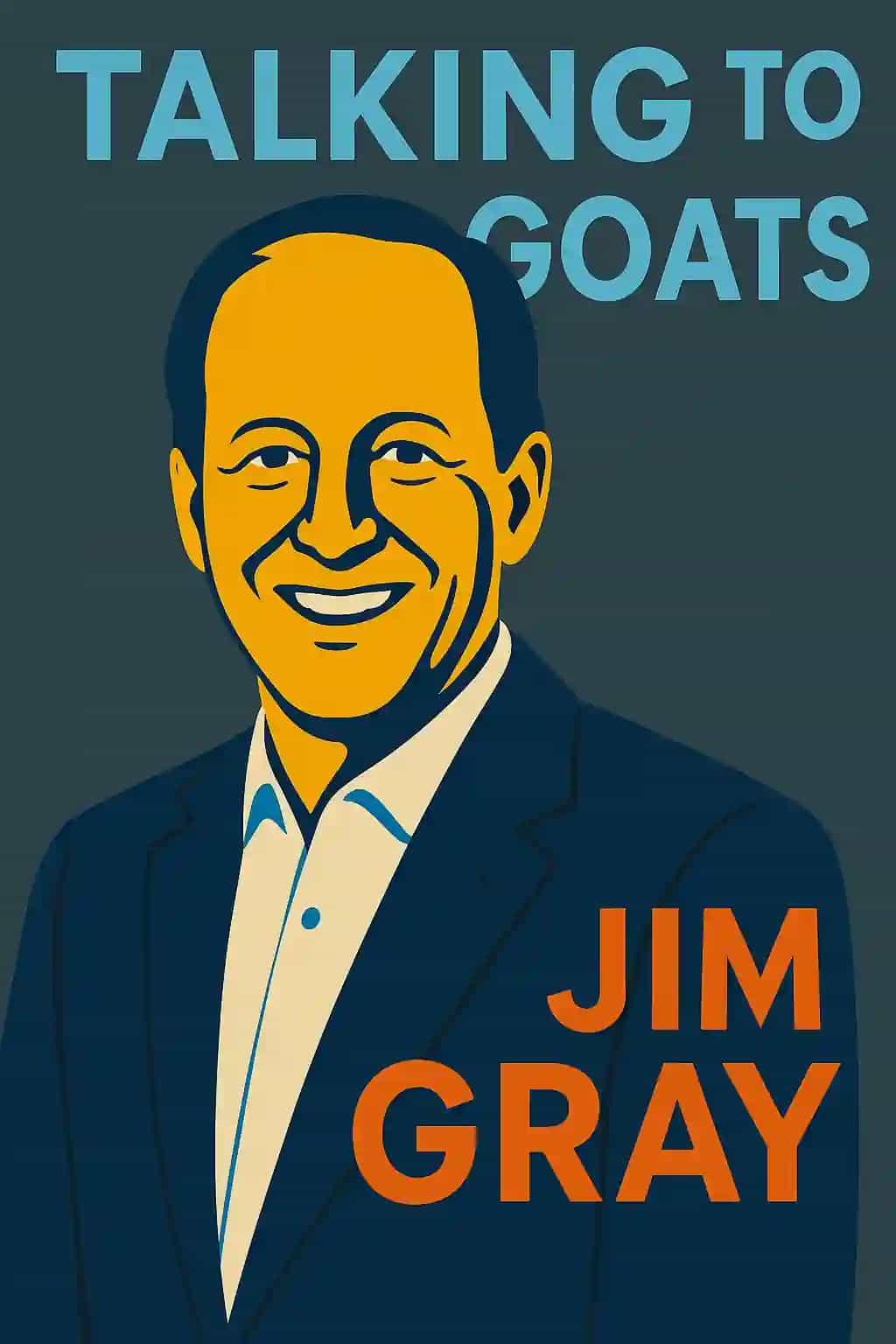

Overview of Talking to GOATs
Emmy-winning broadcaster Jim Gray takes us behind closed doors with sports legends like Ali, Jordan, and Brady. With Tom Brady's foreword and insights into pivotal scandals, this USA TODAY bestseller reveals how money, celebrity, and media transformed American society through unforgettable conversations with GOATs.
- Jim Gray’s active listening technique reveals athletes’ untold personal struggles and triumphs
- Muhammad Ali’s 32-minute unprompted interview showcases raw authenticity in sports storytelling
- Behind-the-scenes accounts of “The Decision” with LeBron James redefine athlete empowerment
- How Mike Tyson’s post-fight ear-biting interview became a defining journalism moment
- Kobe Bryant’s unspoken mentorship philosophy emerges through candid locker-room conversations
- Tom Brady’s preparation rituals mirror championship mindset strategies from historic GOATs
- Why political leaders like Obama trusted Jim Gray with their sports perspectives
- The Malice at the Palace riot exposed unchecked ego in professional athletics
- Barry Bonds’ steroid era confession frames baseball’s ethical crossroads
- Nelson Mandela’s sports diplomacy lessons transcend athletic achievement narratives
- Jerry West’s relentless self-critique demonstrates the price of perfectionism
- Carol Burnett’s influence on sports media reveals unexpected cross-industry mentorship
About the Author of Talking to GOATs
Jim Gray, Emmy Award-winning sportscaster and bestselling author of Talking to GOATs: The Moments You Remember and the Stories You Never Heard, is a Hall of Fame broadcaster renowned for his four decades of groundbreaking sports journalism.
A 12-time National Emmy winner and recipient of the Curt Gowdy Award from the Naismith Memorial Basketball Hall of Fame, Gray’s career spans iconic moments—from covering nine Olympic Games and 40 Super Bowls to securing exclusive interviews with legends like Muhammad Ali, Michael Jordan, and Tom Brady.
His memoir delves into untold stories from his unparalleled access to athletes and world leaders, blending sports history with behind-the-scenes revelations. Gray hosts the popular SiriusXM podcast Let’s Go! with Tom Brady and Larry Fitzgerald and has contributed to major networks including NBC, CBS, and ESPN.
Talking to GOATs became a national bestseller, praised for its candid exploration of fame, power, and the evolving role of sports in culture.
FAQs About Talking to GOATs
What is Talking to GOATs by Jim Gray about?
Talking to GOATs is Jim Gray’s memoir chronicling his 40-year career as a Hall of Fame sports broadcaster, featuring never-before-told stories from iconic interviews with legends like Muhammad Ali, Michael Jordan, and Tom Brady. The book blends sports history with behind-the-scenes insights into pivotal moments, such as Mike Tyson’s ear-biting incident and the "Malice at the Palace" brawl.
Who should read Talking to GOATs?
This book is ideal for sports enthusiasts, journalism students, and fans of biographical storytelling. It appeals to readers seeking firsthand accounts of athletes’ triumphs and controversies, as well as aspiring interviewers interested in Gray’s techniques for building trust with high-profile subjects.
Is Talking to GOATs worth reading?
Yes, particularly for its exclusive access to sports legends and Gray’s candid reflections on interviewing under pressure. The book offers rare behind-the-scenes perspectives on events like Tiger Woods’ career shifts and Kobe Bryant’s feud with Shaquille O’Neal.
What interviewing techniques does Jim Gray share in Talking to GOATs?
Gray emphasizes active listening and adaptability, as seen in his 32-minute improvisational interview with Muhammad Ali. He advocates asking tough but fair questions to reveal deeper truths, a method Tom Brady praises in the foreword.
What key sports moments are covered in Talking to GOATs?
The book dissects landmark events like Mike Tyson vs. Evander Holyfield’s "Bite Fight," Michael Jordan’s 1993 retirement, and the 2004 NBA "Malice at the Palace". Gray also recounts covering 22 Super Bowls and the Atlanta Olympics bombing.
How does Jim Gray build rapport with athletes in Talking to GOATs?
Gray earned trust through preparation and respect, such as memorizing Muhammad Ali’s career details before their first interview. His willingness to address controversies head-on, like Pete Rose’s gambling scandal, solidified his reputation.
Are there critiques of Talking to GOATs?
While praised for its insider access, some readers may desire more analytical depth on sports journalism’s evolution. However, the memoir excels in delivering vivid storytelling and candid reflections on media ethics.
What is Jim Gray’s most memorable interview in Talking to GOATs?
Gray’s first career-defining interview with Muhammad Ali and his tense post-fight exchange with Mike Tyson stand out. He also highlights emotional conversations with Kobe Bryant weeks before the athlete’s death.
How does Talking to GOATs handle controversial figures?
Gray addresses scandals unflinchingly, such as Barry Bonds’ steroid allegations and Tiger Woods’ infidelity. His interview with Pete Rose—who later criticized Gray—showcases the ethical tightrope of sports journalism.
What lessons does Talking to GOATs offer about interviewing?
Key takeaways include researching subjects thoroughly, adapting questions in real-time, and maintaining neutrality during contentious exchanges. Gray credits his success to treating interviewees as collaborators, not adversaries.
How does Talking to GOATs connect Jim Gray to Howard Cosell?
Gray modeled his early career after Cosell’s bold interviewing style, earning Ali’s comparison to the legendary broadcaster during their first meeting. The book positions Gray as Cosell’s spiritual successor in sports journalism.
Does Talking to GOATs feature non-athletes?
Yes, Gray discusses interactions with political figures like Barack Obama and Nelson Mandela, alongside celebrities such as Lucille Ball. These stories contextualize sports within broader cultural moments.
Feel the book through the author's voice
Turn knowledge into engaging, example-rich insights
Capture key ideas in a flash for fast learning
Enjoy the book in a fun and engaging way
Characters in Talking to GOATs
- Jim GrayAuthor and veteran sports journalist
- Mike TysonHeavyweight boxer known for his volatile career
- Evander HolyfieldHeavyweight champion and Tyson's rival
- Don KingProminent and controversial boxing promoter
Key Themes in Talking to GOATs
- sports journalism ethics
- athlete interview techniques
- championship mindset
- unfiltered sports history
- media celebrity dynamics
Quotes from Talking to GOATs
Ali said, “I’m the greatest, I said that even before I knew I was.”
Jim doesn't have an agenda - he just wants the truth.
It don't mean nothing! He jumped around like a little bitch!
I'm the Greatest. You're the Latest. It's up to you now.
Explore Your Way of Learning
 Quick Summary Mode
Read or listen to Talking to GOATs Summary in 9 Minutes
Break down key ideas from Talking to GOATs into bite-sized takeaways to understand how innovative teams create, collaborate, and grow.

 Fun Mode
Talking to GOATs Lessons Told Through 23-Min Stories
Experience Talking to GOATs through vivid storytelling that turns innovation lessons into moments you'll remember and apply.
 Personalize Mode
Experience Talking to GOATs in your own learning style
Ask anything, choose your learning style, and co-create insights that truly resonate with you.

From Columbia University alumni built in San Francisco
"Instead of endless scrolling, I just hit play on BeFreed. It saves me so much time."


"I never knew where to start with nonfiction—BeFreed’s book lists turned into podcasts gave me a clear path."


"Perfect balance between learning and entertainment. Finished ‘Thinking, Fast and Slow’ on my commute this week."
"Crazy how much I learned while walking the dog. BeFreed = small habits → big gains."
"Reading used to feel like a chore. Now it’s just part of my lifestyle."

"Feels effortless compared to reading. I’ve finished 6 books this month already."
"BeFreed turned my guilty doomscrolling into something that feels productive and inspiring."

"BeFreed turned my commute into learning time. 20-min podcasts are perfect for finishing books I never had time for."
"BeFreed replaced my podcast queue. Imagine Spotify for books — that’s it. 🙌"

"It is great for me to learn something from the book without reading it."
"The themed book list podcasts help me connect ideas across authors—like a guided audio journey."
"Makes me feel smarter every time before going to work"
From Columbia University alumni built in San Francisco
"Instead of endless scrolling, I just hit play on BeFreed. It saves me so much time."
"I never knew where to start with nonfiction—BeFreed’s book lists turned into podcasts gave me a clear path."
"Perfect balance between learning and entertainment. Finished ‘Thinking, Fast and Slow’ on my commute this week."
"Crazy how much I learned while walking the dog. BeFreed = small habits → big gains."
"Reading used to feel like a chore. Now it’s just part of my lifestyle."
"Feels effortless compared to reading. I’ve finished 6 books this month already."
"BeFreed turned my guilty doomscrolling into something that feels productive and inspiring."
"BeFreed turned my commute into learning time. 20-min podcasts are perfect for finishing books I never had time for."
"BeFreed replaced my podcast queue. Imagine Spotify for books — that’s it. 🙌"
"It is great for me to learn something from the book without reading it."
"The themed book list podcasts help me connect ideas across authors—like a guided audio journey."
"Makes me feel smarter every time before going to work"
"Instead of endless scrolling, I just hit play on BeFreed. It saves me so much time."
"I never knew where to start with nonfiction—BeFreed’s book lists turned into podcasts gave me a clear path."
"Perfect balance between learning and entertainment. Finished ‘Thinking, Fast and Slow’ on my commute this week."
"Crazy how much I learned while walking the dog. BeFreed = small habits → big gains."
"Reading used to feel like a chore. Now it’s just part of my lifestyle."
"Feels effortless compared to reading. I’ve finished 6 books this month already."
"BeFreed turned my guilty doomscrolling into something that feels productive and inspiring."
"BeFreed turned my commute into learning time. 20-min podcasts are perfect for finishing books I never had time for."
"BeFreed replaced my podcast queue. Imagine Spotify for books — that’s it. 🙌"
"It is great for me to learn something from the book without reading it."
"The themed book list podcasts help me connect ideas across authors—like a guided audio journey."
"Makes me feel smarter every time before going to work"
"Instead of endless scrolling, I just hit play on BeFreed. It saves me so much time."
"I never knew where to start with nonfiction—BeFreed’s book lists turned into podcasts gave me a clear path."
"Perfect balance between learning and entertainment. Finished ‘Thinking, Fast and Slow’ on my commute this week."
"Crazy how much I learned while walking the dog. BeFreed = small habits → big gains."
"Reading used to feel like a chore. Now it’s just part of my lifestyle."
"Feels effortless compared to reading. I’ve finished 6 books this month already."
"BeFreed turned my guilty doomscrolling into something that feels productive and inspiring."
"BeFreed turned my commute into learning time. 20-min podcasts are perfect for finishing books I never had time for."
"BeFreed replaced my podcast queue. Imagine Spotify for books — that’s it. 🙌"
"It is great for me to learn something from the book without reading it."
"The themed book list podcasts help me connect ideas across authors—like a guided audio journey."
"Makes me feel smarter every time before going to work"

Download Summary of Talking to GOATs
Get the Talking to GOATs summary as a free PDF or EPUB. Print it or read offline anytime.