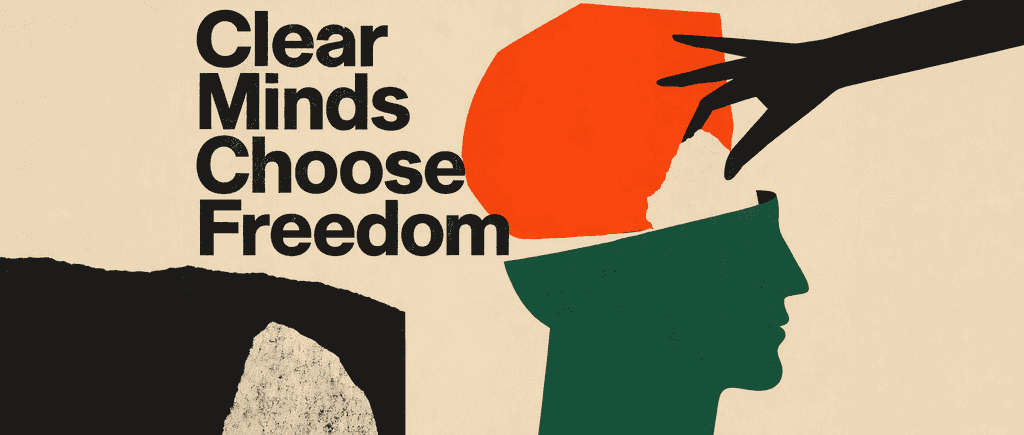
Alcohol Experiment
30 Days to Take Control, Cut down or Give up for Good
Overview of Alcohol Experiment
Could 30 days without alcohol transform your life? Annie Grace's "The Alcohol Experiment" offers a judgment-free, science-backed plan that's reshaping drinking culture in high-stress professions. Featured on the influential Lawyerist Podcast, it's helping thousands reclaim health, relationships, and productivity without shame.

Key Themes in Alcohol Experiment
- sober curious movement
- cognitive dissonance resolution
- alcohol brain chemistry
- subconscious belief reprogramming
- habitual drinking patterns
Quotes from Alcohol Experiment
Alcohol is the only drug you have to justify not taking.
This internal battle isn't about willpower-it's cognitive dissonance.
Correlation isn't causation - these events would be joyful without alcohol.
It's not about personal weakness or lack of willpower-it's predictable brain chemistry.
At its core, this isn't a book about quitting drinking-it's about reclaiming choice.
Characters in Alcohol Experiment
- Annie GraceAuthor and creator of The Alcohol Experiment
- Chrissy TeigenCelebrity who praised the book's approach
- Brene BrownCelebrity who praised the book's approach
About the Author
About the Author of Alcohol Experiment
Annie Grace, bestselling author of The Alcohol Experiment and a leading voice in alcohol addiction recovery, combines neuroscience and personal experience to redefine sobriety.
A former global marketing executive who once managed campaigns across 28 countries, Grace’s own struggle with alcohol dependence inspired her to create a stigma-free approach to habit change.
Her debut book, This Naked Mind, and its companion app have revolutionized the self-help genre by emphasizing psychological empowerment over traditional abstinence methods. Grace’s work has been featured on major podcasts and platforms, including TEDx talks and wellness summits, where she advocates for rethinking societal relationships with alcohol.
Her 30-day Alcohol Experiment program has guided over 500,000 participants worldwide, with many reporting lasting transformation. Grace’s insights draw from her Master’s in Marketing and collaborations with neuroscientists, blending data-driven strategies with empathetic storytelling.
Her books have become foundational texts in modern recovery communities, translated into 12 languages and endorsed by mental health professionals.
Download Summary of Alcohol Experiment
Get the Alcohol Experiment summary as a free PDF or EPUB. Print it or read offline anytime.
FAQs About This Book
The Alcohol Experiment is a 30-day, science-backed program designed to help individuals reassess their relationship with alcohol through daily journaling, neuroscience insights, and habit-reframing exercises. Annie Grace, author of This Naked Mind, combines personal anecdotes, cultural analysis, and psychological research to challenge misconceptions about alcohol’s benefits, empowering readers to make mindful choices about drinking.
This book is ideal for anyone curious about sobriety, seeking to reduce alcohol intake, or questioning societal norms around drinking. Grace’s non-judgmental approach resonates with both heavy drinkers and casual users, offering tools to break subconscious habits without stigma.
Yes, particularly for those seeking a structured, evidence-based method to explore sobriety. Readers praise its practical daily prompts, relatable storytelling, and focus on self-discovery over rigid rules. However, some note repetition in content compared to Grace’s earlier work.
Each day includes a chapter explaining alcohol’s effects on mood, health, and behavior, followed by reflection questions. Participants commit to temporary abstinence while examining cravings, societal triggers, and emotional dependencies. The program emphasizes curiosity over willpower, helping readers disentangle habit from desire.
- Habit loops: How subconscious triggers drive drinking.
- The “hangover effect”: Alcohol’s role in exacerbating anxiety and fatigue.
- Mindful moderation: Tools to consciously choose if/when to drink.
- Cultural conditioning: Challenging societal glorification of alcohol.
While both books address alcohol dependency, The Alcohol Experiment provides a day-by-day action plan with journal prompts, whereas This Naked Mind focuses more on theoretical frameworks. Grace also softens her stance on moderation in the later book, acknowledging it as a viable goal for some.
Some reviewers find Grace’s portrayal of alcohol as universally harmful overly simplistic, arguing moderate drinking is feasible for many. Others note the 30-day structure may feel restrictive, though Grace clarifies it’s a flexible self-experiment rather than a rigid sobriety mandate.
Many users report long-term sobriety after completing the program, crediting its focus on reshaping beliefs rather than sheer willpower. However, Grace emphasizes outcomes vary, encouraging readers to define success individually—whether through abstinence, reduced intake, or heightened awareness.
- “Alcohol doesn’t relieve stress—it creates it.”
Highlights how drinking exacerbates anxiety long-term. - “You’re not broken; the system is.”
Challenges self-blame by critiquing societal alcohol norms.
As a former corporate executive who once drank two bottles of wine nightly, Grace blends personal recovery stories with marketing-driven persuasion techniques. Her emphasis on data over dogma reflects her analytical career background.
Yes, Grace normalizes slip-ups as part of the process, urging readers to approach them with curiosity rather than shame. The journaling framework helps identify triggers and adjust strategies.
It explains how alcohol hijacks dopamine pathways, creating false associations between drinking and reward. Grace also details how habitual behaviors become embedded in the basal ganglia, offering techniques to rewire these patterns.