Attention Span by Gloria Mark Summary

Overview of Attention Span
In "Attention Span," renowned psychologist Gloria Mark challenges our understanding of focus. Contrary to popular belief, her research reveals Facebook users report higher happiness levels than expected. Cal Newport calls her "the definitive expert on distraction" - discover why constant focus might actually be holding you back.
- Average screen attention spans last 47 seconds before shifting focus.
- Kinetic attention balances strategic task-switching to prevent mental fatigue.
- Multitasking increases stress by 40% and halves productivity.
- Unresolved interruptions create “attention residue” requiring 25-minute recovery.
- Schedule high-focus tasks during natural cognitive peaks for optimal output.
- Write down unfinished tasks to reduce mental clutter and attention residue.
- Algorithms exploit personalized feedback loops to hijack focus cycles.
- Embrace bored and rote attention states for essential mental restoration.
- Self-interruptions occur more frequently than external digital disruptions.
- Focused attention alone depletes cognitive resources; blend with kinetic states.
- Track personal attention rhythms to identify peak productivity windows.
- Digital interfaces trigger psychological rewards to fragment user attention.
About the Author of Attention Span
Gloria Janet Mark, author of Attention Span: A Groundbreaking Way to Restore Balance, Happiness, Productivity and Chancellor’s Professor of Informatics at the University of California, Irvine, is a pioneering researcher in human-computer interaction and digital behavior. With a PhD in psychology from Columbia University, her decades-long studies on attention fragmentation, multitasking, and technology’s psychological impacts form the backbone of this nonfiction work exploring modern focus challenges.
A senior visiting researcher at Microsoft since 2012, Mark previously authored Multitasking in the Digital Age, which examines workplace productivity in tech-saturated environments. Her findings have been featured in The New York Times, Wall Street Journal, NPR, and BBC, and she has presented at SXSW and the Aspen Ideas Festival.
Inducted into the ACM CHI Academy for leadership in human-computer interaction, Mark’s work bridges academic rigor with actionable insights for reclaiming cognitive control. Attention Span builds on her 150+ peer-reviewed publications, offering evidence-based strategies to navigate digital overload. The book has garnered widespread media coverage since its 2023 release, solidifying Mark’s reputation as a leading voice in understanding technology’s societal impacts.
FAQs About Attention Span
What is Attention Span by Gloria Mark about?
Attention Span by Gloria Mark challenges the myth of sustained focus, arguing that multitasking and shifting attention types—like focused, rote, or relaxed states—are natural and beneficial. Drawing on decades of research, Mark explains how kinetic attention (strategic switching between modes) boosts productivity while preventing burnout in our distraction-filled world.
Who should read Attention Span by Gloria Mark?
This book is ideal for professionals, educators, and anyone struggling with digital distractions. It offers evidence-based strategies for optimizing attention cycles, making it valuable for remote workers, students, or individuals seeking to balance productivity with mental well-being in tech-driven environments.
Is Attention Span by Gloria Mark worth reading?
Yes—it provides a science-backed alternative to traditional productivity advice. Mark’s insights on kinetic attention and practical tips for managing interruptions make it a fresh take on thriving in the digital age. However, some readers critique its structure as disorganized.
What is kinetic attention in Attention Span?
Kinetic attention refers to intentionally shifting between four attention states: focused (deep work), rote (automatic tasks), frustrated (task-switching), and bored (mental rest). Mark argues this dynamic balance enhances creativity and reduces cognitive fatigue compared to forced concentration.
What are the main ideas in Attention Span?
Key ideas include:
- Attention spans naturally fluctuate (avg. 47 seconds per screen).
- Distractions aren’t inherently harmful if managed strategically.
- “Flow states” are overrated; kinetic attention is more sustainable.
- Digital tools fragment focus but can be optimized with mindfulness.
How does Attention Span suggest improving focus?
Mark recommends:
- Scheduling tasks around natural attention cycles (e.g., complex work post-break).
- Using mindfulness to notice distraction triggers.
- Embracing “boredom breaks” to reset mental energy.
- Grouping interruptions instead of addressing them immediately.
What critiques exist about Attention Span?
Some readers find the book’s structure disjointed, blending research with anecdotal advice. Others argue it downplays systemic workplace factors causing distraction. A minority feel the tips are too similar to existing productivity guides.
How does Attention Span compare to Deep Work by Cal Newport?
While Deep Work prioritizes uninterrupted focus, Attention Span argues for flexible attention cycling. Mark critiques Newport’s approach as unrealistic for most modern roles, advocating instead for adaptive strategies that acknowledge inevitable distractions.
What quotes are notable in Attention Span?
- “Productivity isn’t about relentless focus—it’s about rhythmic attention.”
- “Distractions are the price we pay for a connected world; kinetic attention is the solution.”
These emphasize embracing—not fighting—the brain’s natural rhythms.
How does Gloria Mark’s research background influence Attention Span?
As a UC Irvine informatics professor, Mark grounds her arguments in 20+ years of empirical studies—tracking screen habits, stress levels, and productivity metrics. This distinguishes it from anecdotal self-help books, offering data-driven frameworks for attention management.
Why is Attention Span relevant in 2025?
With AI tools and hybrid work increasing distraction potential, Mark’s kinetic attention framework helps navigate constant notifications. Her emphasis on balancing focus with restorative breaks aligns with rising interest in sustainable productivity over hustle culture.
What books complement Attention Span?
Pair with:
- Digital Minimalism (Newport) for tech hygiene.
- Stolen Focus (Hari) on societal drivers of distraction.
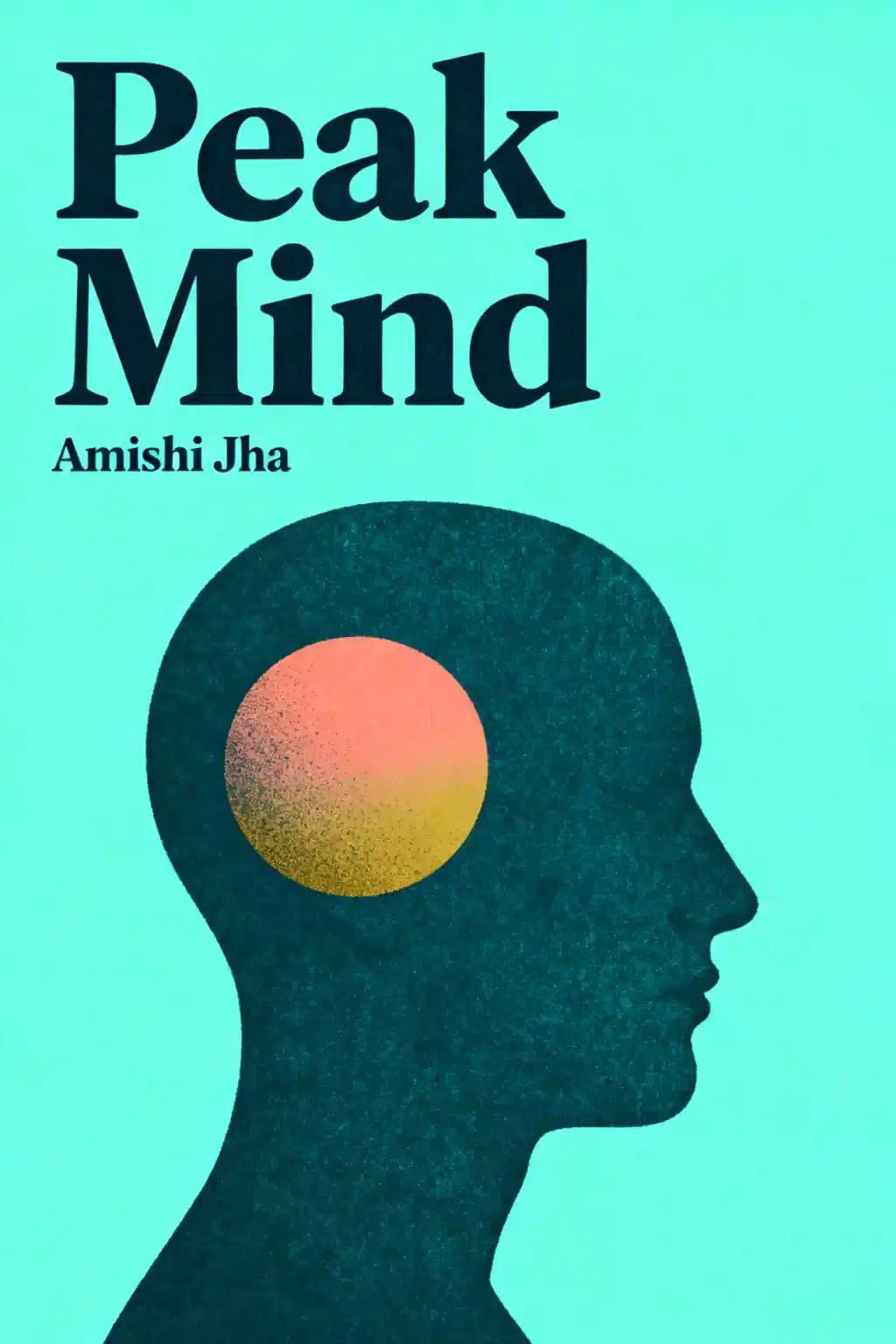
- Peak Mind (Amishi Jha) for neuroscience insights.
Feel the book through the author's voice
Turn knowledge into engaging, example-rich insights
Capture key ideas in a flash for fast learning
Enjoy the book in a fun and engaging way
Key Themes in Attention Span
Quotes from Attention Span
Technology designed to augment our capabilities leaves us distracted and exhausted.
Attention naturally ebbs and flows.
Mindless activity helps replenish cognitive resources.
We've developed unbreakable bonds with our devices.
Choosing where to focus our attention is essentially
Characters in Attention Span
Quick Summary Mode - Read or listen to Attention Span Summary in 8 Minutes

Break down key ideas from Attention Span into bite-sized takeaways to understand how innovative teams create, collaborate, and grow.

Flash Card Mode - Top 6 Insights from Attention Span in a Nutshell

Distill Attention Span into rapid-fire memory cues that highlight key principles of candor, teamwork, and creative resilience.

Fun Mode - Attention Span Lessons Told Through 24-Min Stories

Experience Attention Span through vivid storytelling that turns innovation lessons into moments you'll remember and apply.
Personalize Mode - Read or listen to Attention Span Summary in 0 Minutes

Ask anything, pick the voice, and co-create insights that truly resonate with you.

From Columbia University alumni built in San Francisco
"Instead of endless scrolling, I just hit play on BeFreed. It saves me so much time."


"I never knew where to start with nonfiction—BeFreed’s book lists turned into podcasts gave me a clear path."


"Perfect balance between learning and entertainment. Finished ‘Thinking, Fast and Slow’ on my commute this week."
"Crazy how much I learned while walking the dog. BeFreed = small habits → big gains."
"Reading used to feel like a chore. Now it’s just part of my lifestyle."

"Feels effortless compared to reading. I’ve finished 6 books this month already."
"BeFreed turned my guilty doomscrolling into something that feels productive and inspiring."

"BeFreed turned my commute into learning time. 20-min podcasts are perfect for finishing books I never had time for."
"BeFreed replaced my podcast queue. Imagine Spotify for books — that’s it. 🙌"

"It is great for me to learn something from the book without reading it."
"The themed book list podcasts help me connect ideas across authors—like a guided audio journey."
"Makes me feel smarter every time before going to work"
From Columbia University alumni built in San Francisco
"Instead of endless scrolling, I just hit play on BeFreed. It saves me so much time."
"I never knew where to start with nonfiction—BeFreed’s book lists turned into podcasts gave me a clear path."
"Perfect balance between learning and entertainment. Finished ‘Thinking, Fast and Slow’ on my commute this week."
"Crazy how much I learned while walking the dog. BeFreed = small habits → big gains."
"Reading used to feel like a chore. Now it’s just part of my lifestyle."
"Feels effortless compared to reading. I’ve finished 6 books this month already."
"BeFreed turned my guilty doomscrolling into something that feels productive and inspiring."
"BeFreed turned my commute into learning time. 20-min podcasts are perfect for finishing books I never had time for."
"BeFreed replaced my podcast queue. Imagine Spotify for books — that’s it. 🙌"
"It is great for me to learn something from the book without reading it."
"The themed book list podcasts help me connect ideas across authors—like a guided audio journey."
"Makes me feel smarter every time before going to work"
"Instead of endless scrolling, I just hit play on BeFreed. It saves me so much time."
"I never knew where to start with nonfiction—BeFreed’s book lists turned into podcasts gave me a clear path."
"Perfect balance between learning and entertainment. Finished ‘Thinking, Fast and Slow’ on my commute this week."
"Crazy how much I learned while walking the dog. BeFreed = small habits → big gains."
"Reading used to feel like a chore. Now it’s just part of my lifestyle."
"Feels effortless compared to reading. I’ve finished 6 books this month already."
"BeFreed turned my guilty doomscrolling into something that feels productive and inspiring."
"BeFreed turned my commute into learning time. 20-min podcasts are perfect for finishing books I never had time for."
"BeFreed replaced my podcast queue. Imagine Spotify for books — that’s it. 🙌"
"It is great for me to learn something from the book without reading it."
"The themed book list podcasts help me connect ideas across authors—like a guided audio journey."
"Makes me feel smarter every time before going to work"
"Instead of endless scrolling, I just hit play on BeFreed. It saves me so much time."
"I never knew where to start with nonfiction—BeFreed’s book lists turned into podcasts gave me a clear path."
"Perfect balance between learning and entertainment. Finished ‘Thinking, Fast and Slow’ on my commute this week."
"Crazy how much I learned while walking the dog. BeFreed = small habits → big gains."
"Reading used to feel like a chore. Now it’s just part of my lifestyle."
"Feels effortless compared to reading. I’ve finished 6 books this month already."
"BeFreed turned my guilty doomscrolling into something that feels productive and inspiring."
"BeFreed turned my commute into learning time. 20-min podcasts are perfect for finishing books I never had time for."
"BeFreed replaced my podcast queue. Imagine Spotify for books — that’s it. 🙌"
"It is great for me to learn something from the book without reading it."
"The themed book list podcasts help me connect ideas across authors—like a guided audio journey."
"Makes me feel smarter every time before going to work"

Get the Attention Span summary as a free PDF or EPUB. Print it or read offline anytime.