Meals She Eats: A PCOS Diet and Lifestyle Guide for Thriving with Your Diagnosis

Overview of Meals She Eats
Viral TikTok couple Tom and Rachael Sullivan's "Meals She Eats" revolutionizes PCOS management through delicious recipes and practical lifestyle advice. Featured on Good Morning America, this 2023 guide empowers women to take control of their health. Could food be your most powerful medicine?
- Manage PCOS symptoms with nutrient-dense, anti-inflammatory recipes targeting hormonal balance.
- Sync meals to menstrual cycle phases for reduced bloating and fatigue.
- Replace processed foods with seasonal ingredients to alleviate PCOS-related insulin resistance.
- Partner with doctors using actionable food logs to personalize PCOS treatment plans.
- Control cravings through blood sugar-stabilizing snacks like chia pudding and spiced nuts.
- Reduce inflammation with turmeric-ginger tonics and omega-3-rich fish recipes.
- Balance hormones using cruciferous vegetable-forward meals and herbal teas.
- Transform period struggles into empowerment through cycle-aware meal prep strategies.
- Optimize fertility windows with iron-rich stews and folate-packed greens.
- Counteract PCOS fatigue through magnesium-boosting smoothies and seed cycling.
- Build community support by hosting college students for PCOS-friendly family meals.
- Track symptom patterns using food-mood journals to identify dietary triggers.
About the Author of Meals She Eats
Tom and Rachael Sullivan, bestselling authors of Meals She Eats: Empowering Advice, Relatable Stories, and Over 25 Recipes to Balance Your Hormones, are leading voices in PCOS awareness and hormone-balancing nutrition. This lifestyle guide blends their personal journey with Rachael’s PCOS diagnosis, Tom’s culinary creativity, and science-backed strategies to help readers manage hormonal health through diet.
The Sullivans gained recognition through their viral Instagram account @MealsSheEats, where they shared recipes and support for thousands of college students and families navigating PCOS. Their expertise has been featured on Good Morning America, the TODay Show, and in USA Today.
Their follow-up book, Honey, What Do We Got? (2025), chronicles their fertility journey and expanded approach to holistic wellness. Residing in North Carolina with their daughter Sutton, they continue advocating for hormonal health education. Meals She Eats became a New York Times bestseller within three months of release.
FAQs About Meals She Eats
What is Meals She Eats about?
Meals She Eats by Tom and Rachael Sullivan is a functional lifestyle guide and cookbook offering actionable advice, personal stories, and over 25 nutrient-rich recipes to help manage PCOS symptoms. It combines hormone-balancing meal strategies with relatable anecdotes about overcoming bloating, fatigue, and irregular cycles through diet and lifestyle changes.
Who should read Meals She Eats?
This book is ideal for women with PCOS seeking diet-based symptom relief, couples navigating fertility challenges, or anyone interested in hormone-friendly recipes. It’s also valuable for home cooks wanting to explore anti-inflammatory ingredients like turmeric, leafy greens, and omega-3-rich proteins.
Is Meals She Eats worth reading?
Yes—readers praise its blend of science-backed strategies and vulnerable storytelling. The Sullivans’ approach to meal planning, collaboration with doctors, and cyclical eating provides a practical framework for managing PCOS while maintaining food enjoyment.
What recipes are included in Meals She Eats?
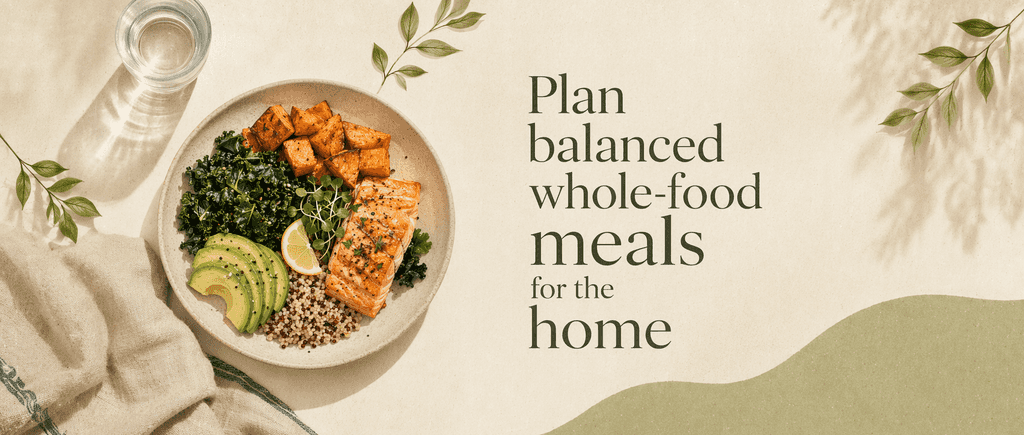
The book features 25+ PCOS-friendly recipes, including hormone-balancing smoothies, anti-inflammatory stews, and blood-sugar-stable desserts. Standouts include turmeric-ginger lentil soup, salmon bowls with quinoa, and dark chocolate avocado mousse.
How does Meals She Eats address PCOS symptoms?
It targets PCOS through nutrient-dense ingredients that regulate insulin, reduce inflammation, and support hormone balance. The authors emphasize zinc-rich foods (pumpkin seeds), magnesium sources (spinach), and omega-3s (fatty fish) to alleviate cramps, acne, and fatigue.
What meal-planning strategies does the book recommend?
Key strategies include:
- Aligning meals with menstrual cycle phases (follicular, ovulatory, luteal, menstrual)
- Batch-prepping freezer-friendly proteins and grains
- Using anti-inflammatory spices like cinnamon and cayenne pepper
How does Meals She Eats compare to other PCOS cookbooks?
Unlike purely recipe-focused books, this guide combines personal narratives (like Rachael’s fertility journey) with practical tools. It uniquely addresses collaborating with doctors, interpreting lab results, and adapting meals for energy needs.
Can Meals She Eats help with weight management?
Yes—recipes prioritize high-fiber vegetables, lean proteins, and healthy fats to support sustainable weight management. The authors advise against restrictive diets, focusing instead on blood sugar regulation through balanced macros.
What lifestyle tips does the book provide?
Beyond recipes, it offers:
- Stress-reduction techniques for cortisol management
- Exercise adjustments for different cycle phases
- Pantry-stocking guides for PCOS-friendly staples
How did Tom Sullivan create the recipes?
Tom developed meals through trial-and-error to alleviate Rachael’s PCOS symptoms, using instinctive cooking (no measurements) and emphasizing anti-inflammatory ingredients. His Instagram documentation (@mealssheeats) evolved into the book’s foundation.
Does Meals She Eats include vegetarian/vegan options?
Yes—recipes feature plant-based proteins like lentils, chickpeas, and tofu. The authors provide adaptation tips for dairy-free, gluten-free, and vegan preferences while maintaining hormone-supportive nutrition.
What makes Meals She Eats unique?
It’s the first PCOS guide written by a couple combining medical research with lived experience. The Sullivans’ humor (“tampon chronicle” stories) and Tom’s non-chef perspective make complex nutritional concepts accessible to home cooks.
Feel the book through the author's voice
Turn knowledge into engaging, example-rich insights
Capture key ideas in a flash for fast learning
Enjoy the book in a fun and engaging way
Characters in Meals She Eats
- Tom SullivanAuthor and husband who created hormone-balancing meals
- Rachael SullivanAuthor and subject who managed her PCOS through nutrition
Key Themes in Meals She Eats
- pcos management
- hormone balancing recipes
- cycle syncing nutrition
- insulin resistance diet
- fertility awareness
Quotes from Meals She Eats
Their story isn't just about food; it's about hope, partnership, and the healing power of understanding your own body.
PCOS remains frustratingly misunderstood even by many healthcare providers.
Not all women with PCOS have ovarian cysts, and not all women with ovarian cysts have PCOS.
Recording these patterns brings peace by helping you become more attuned to your body and less surprised by symptoms.
Hormonal birth control often masks underlying issues.
Explore Your Way of Learning
 Quick Summary Mode
Read or listen to Meals She Eats Summary in 11 Minutes
Break down key ideas from Meals She Eats into bite-sized takeaways to understand how innovative teams create, collaborate, and grow.

 Fun Mode
Meals She Eats Lessons Told Through 24-Min Stories
Experience Meals She Eats through vivid storytelling that turns innovation lessons into moments you'll remember and apply.
 Personalize Mode
Experience Meals She Eats in your own learning style
Ask anything, choose your learning style, and co-create insights that truly resonate with you.

From Columbia University alumni built in San Francisco
"Instead of endless scrolling, I just hit play on BeFreed. It saves me so much time."


"I never knew where to start with nonfiction—BeFreed’s book lists turned into podcasts gave me a clear path."


"Perfect balance between learning and entertainment. Finished ‘Thinking, Fast and Slow’ on my commute this week."
"Crazy how much I learned while walking the dog. BeFreed = small habits → big gains."
"Reading used to feel like a chore. Now it’s just part of my lifestyle."

"Feels effortless compared to reading. I’ve finished 6 books this month already."
"BeFreed turned my guilty doomscrolling into something that feels productive and inspiring."

"BeFreed turned my commute into learning time. 20-min podcasts are perfect for finishing books I never had time for."
"BeFreed replaced my podcast queue. Imagine Spotify for books — that’s it. 🙌"

"It is great for me to learn something from the book without reading it."
"The themed book list podcasts help me connect ideas across authors—like a guided audio journey."
"Makes me feel smarter every time before going to work"
From Columbia University alumni built in San Francisco
"Instead of endless scrolling, I just hit play on BeFreed. It saves me so much time."
"I never knew where to start with nonfiction—BeFreed’s book lists turned into podcasts gave me a clear path."
"Perfect balance between learning and entertainment. Finished ‘Thinking, Fast and Slow’ on my commute this week."
"Crazy how much I learned while walking the dog. BeFreed = small habits → big gains."
"Reading used to feel like a chore. Now it’s just part of my lifestyle."
"Feels effortless compared to reading. I’ve finished 6 books this month already."
"BeFreed turned my guilty doomscrolling into something that feels productive and inspiring."
"BeFreed turned my commute into learning time. 20-min podcasts are perfect for finishing books I never had time for."
"BeFreed replaced my podcast queue. Imagine Spotify for books — that’s it. 🙌"
"It is great for me to learn something from the book without reading it."
"The themed book list podcasts help me connect ideas across authors—like a guided audio journey."
"Makes me feel smarter every time before going to work"
"Instead of endless scrolling, I just hit play on BeFreed. It saves me so much time."
"I never knew where to start with nonfiction—BeFreed’s book lists turned into podcasts gave me a clear path."
"Perfect balance between learning and entertainment. Finished ‘Thinking, Fast and Slow’ on my commute this week."
"Crazy how much I learned while walking the dog. BeFreed = small habits → big gains."
"Reading used to feel like a chore. Now it’s just part of my lifestyle."
"Feels effortless compared to reading. I’ve finished 6 books this month already."
"BeFreed turned my guilty doomscrolling into something that feels productive and inspiring."
"BeFreed turned my commute into learning time. 20-min podcasts are perfect for finishing books I never had time for."
"BeFreed replaced my podcast queue. Imagine Spotify for books — that’s it. 🙌"
"It is great for me to learn something from the book without reading it."
"The themed book list podcasts help me connect ideas across authors—like a guided audio journey."
"Makes me feel smarter every time before going to work"
"Instead of endless scrolling, I just hit play on BeFreed. It saves me so much time."
"I never knew where to start with nonfiction—BeFreed’s book lists turned into podcasts gave me a clear path."
"Perfect balance between learning and entertainment. Finished ‘Thinking, Fast and Slow’ on my commute this week."
"Crazy how much I learned while walking the dog. BeFreed = small habits → big gains."
"Reading used to feel like a chore. Now it’s just part of my lifestyle."
"Feels effortless compared to reading. I’ve finished 6 books this month already."
"BeFreed turned my guilty doomscrolling into something that feels productive and inspiring."
"BeFreed turned my commute into learning time. 20-min podcasts are perfect for finishing books I never had time for."
"BeFreed replaced my podcast queue. Imagine Spotify for books — that’s it. 🙌"
"It is great for me to learn something from the book without reading it."
"The themed book list podcasts help me connect ideas across authors—like a guided audio journey."
"Makes me feel smarter every time before going to work"

Download Summary of Meals She Eats
Get the Meals She Eats summary as a free PDF or EPUB. Print it or read offline anytime.