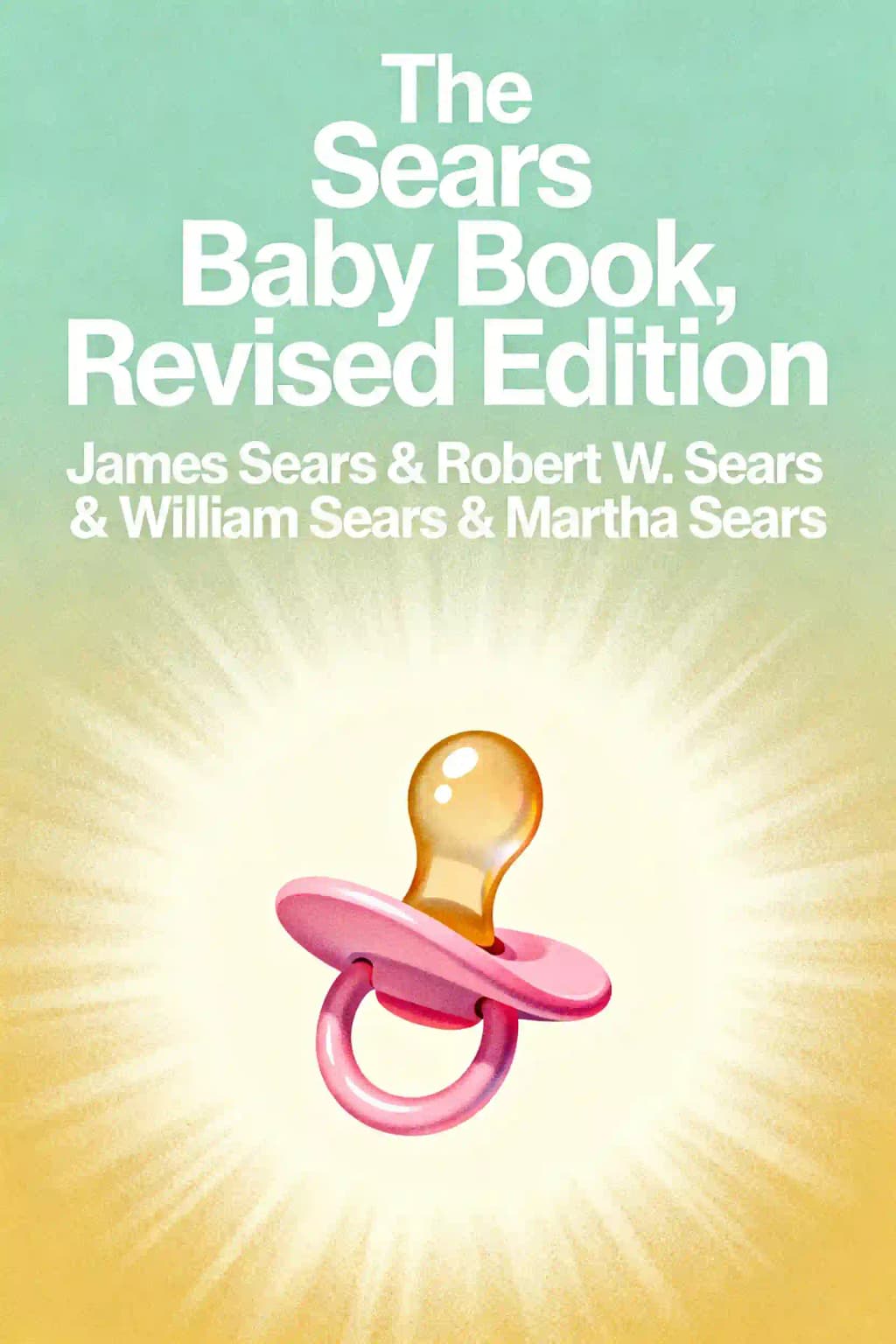
Sears Baby Book, Revised Edition
Everything You Need to Know about Your Baby from Birth to Age Two
Overview of Sears Baby Book, Revised Edition
America's million-copy "baby bible" by pediatrician Dr. William Sears revolutionized parenting with attachment principles that sparked both devotion and debate. Featured on Time magazine as "the man who remade motherhood," Sears offers wisdom that transformed how we respond to our children's needs.

Key Themes in Sears Baby Book, Revised Edition
- attachment parenting
- infant developmental milestones
- newborn soothing techniques
- breastfeeding support
- baby safety and health
Quotes from Sears Baby Book, Revised Edition
Consistency is key when teaching your toddler right from wrong.
There is no one way to parent.
Babyproofing your home is another critical aspect.
Sleep is a vital component of your baby's health.
Characters in Sears Baby Book, Revised Edition
- William SearsCo-author and pediatrician
- Martha SearsCo-author, nurse, and wife of William Sears
- James SearsCo-author and pediatrician
- Robert W. SearsCo-author and pediatrician
Download Summary of Sears Baby Book, Revised Edition
Get the Sears Baby Book, Revised Edition summary as a free PDF or EPUB. Print it or read offline anytime.
FAQs About This Book
The Sears Baby Book, Revised Edition is a comprehensive guide to parenting infants and toddlers aged 0-2, covering essential topics like feeding, sleep, development, health, and bonding. Dubbed the “baby bible,” it emphasizes “attachment parenting,” advocating for responsive caregiving to foster emotional connection. Updated in 2022, it includes modern advice on postpartum recovery, toddler behavior, and balancing work with parenting.
This book is ideal for new or expecting parents seeking evidence-based strategies for nurturing infants. It’s particularly valuable for those interested in attachment parenting, breastfeeding support, or managing common challenges like sleep regression, fussiness, and early childhood illnesses. Pediatricians and childcare professionals also recommend it as a trusted reference.
Yes, it’s a top-rated resource for its practical, encyclopedic approach. Parents praise its clear guidance on milestones, illness management, and fostering secure parent-child bonds. The 2022 revision updates advice on modern parenting dilemmas, such as screen time and workplace balance, making it relevant for today’s families.
Attachment parenting, as described in the book, focuses on responsive caregiving through practices like babywearing, breastfeeding, and co-sleeping. The Searses argue this approach builds trust and emotional security, helping infants thrive. Critics debate its intensity, but the book provides flexible strategies tailored to individual family needs.
The book discourages rigid sleep-training methods, instead advocating for gradual, gentle techniques that align with a baby’s natural rhythms. It offers solutions for nighttime parenting, including shared sleeping (with safety guidelines) and soothing fussy infants. Real-life examples help parents adapt these methods to their lifestyles.
It provides detailed guidance on treating common illnesses (e.g., fevers, rashes), recognizing developmental red flags, and administering first aid. The “Is This Normal?” sections help parents distinguish typical behaviors from concerns needing medical attention, reducing unnecessary anxiety.
Unlike rigid programs like Babywise, the Searses’ approach prioritizes flexibility and parental intuition. It blends medical expertise (William Sears is a pediatrician) with real-parent experiences, offering a middle ground between strict schedules and unstructured parenting. Updated content ensures relevance versus older classics like What to Expect.
Some critics argue attachment parenting ideals may overwhelm parents, particularly those with limited support. The book addresses these concerns by emphasizing balance and self-care, though readers should adapt advice to their circumstances. Its encyclopedic format can also feel dense for busy parents.
The revised edition includes strategies for understanding toddler emotions, preventing meltdowns, and teaching self-regulation. It reframes tantrums as communication tools and offers step-by-step responses to de-escalate conflicts while maintaining connection.
Yes, it dedicates sections to maternal physical recovery, mental health, and nutrition post-birth. Topics include healing from childbirth, recognizing postpartum depression, and maintaining energy while breastfeeding. Partners are encouraged to actively support this transition.
The 2022 update covers screen time limits, eco-friendly diapering, and navigating daycare options. It also discusses balancing remote work with childcare, reflecting contemporary family dynamics while upholding attachment principles.
Its nickname stems from decades of trust as a go-to reference for evidence-based, compassionate parenting. Parents value its holistic approach—combining medical expertise, developmental psychology, and practical tips—all presented in an accessible, non-judgmental tone.