Chapter 1
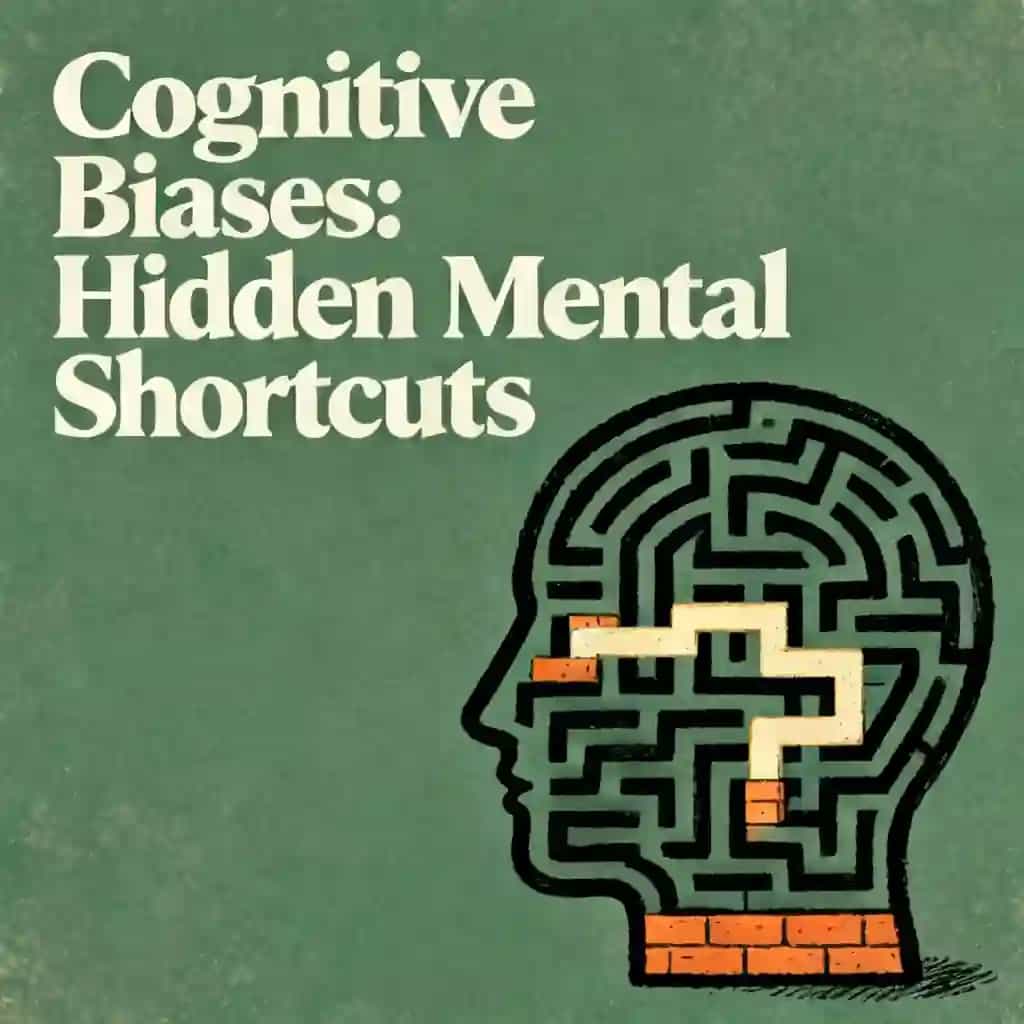
The Mind's Hidden Shortcuts
Nia: Welcome to the BeFreed Podcast, where we distill the world's best sources into personalized insights you can actually finish. I'm Nia.
Jackson: And I'm Jackson. Today we're diving into something that affects every decision you make, even when you don't realize it-psychological biases.
Nia: Oh, I'm excited about this one! You know that feeling when you look back at a decision and think, "What was I even thinking?" That's probably a bias at work.
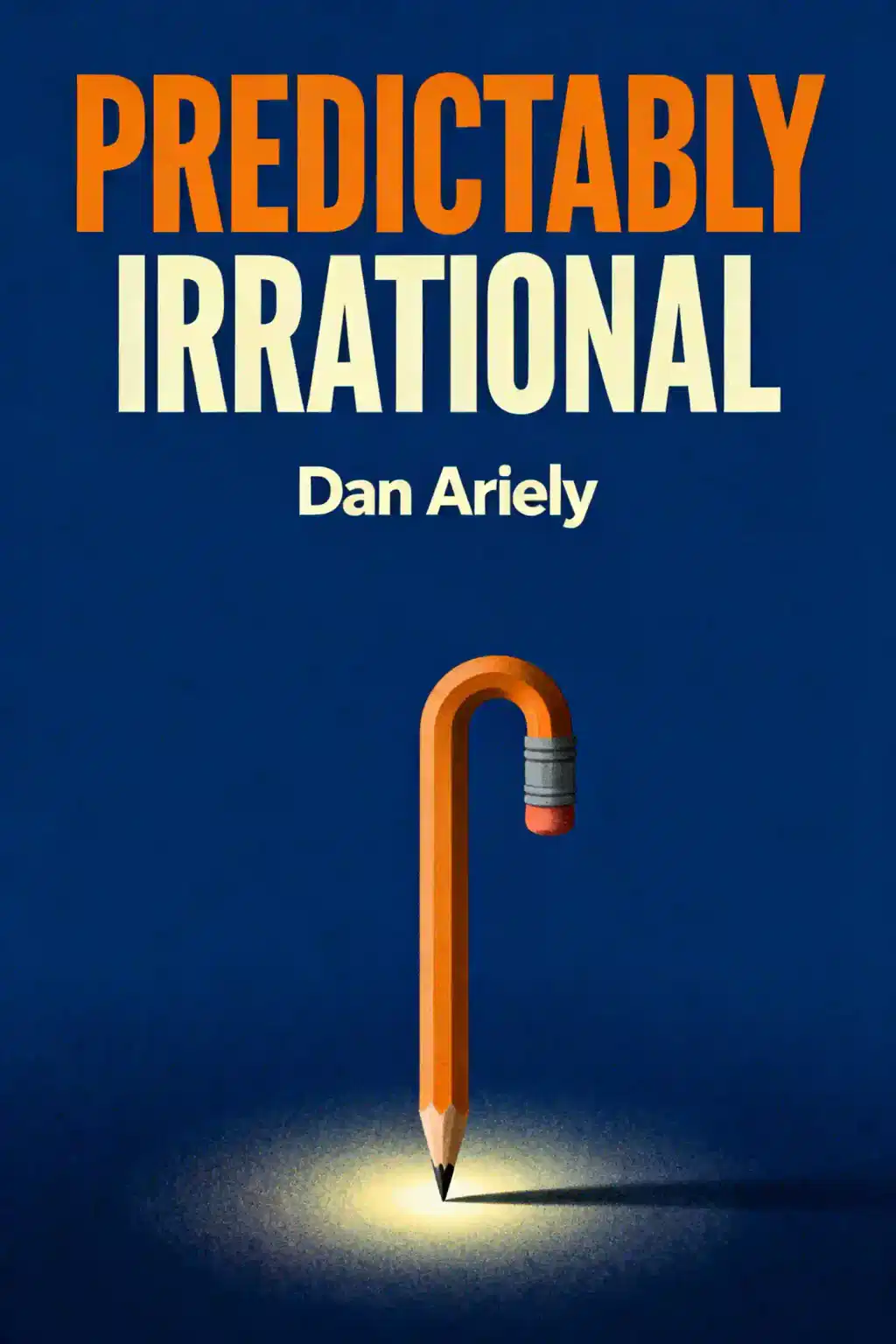
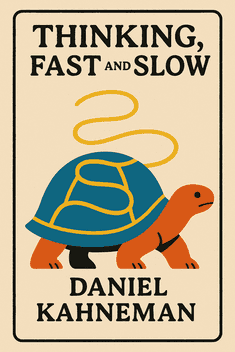
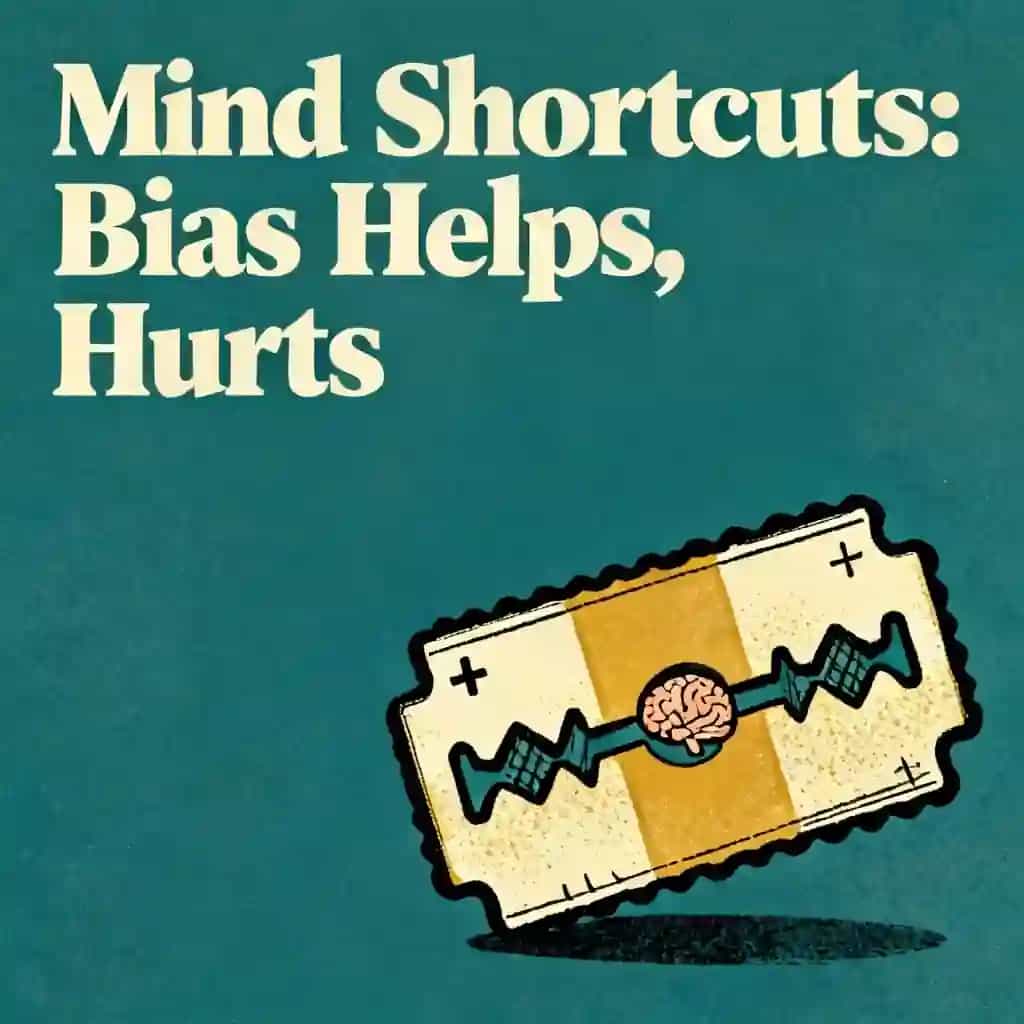
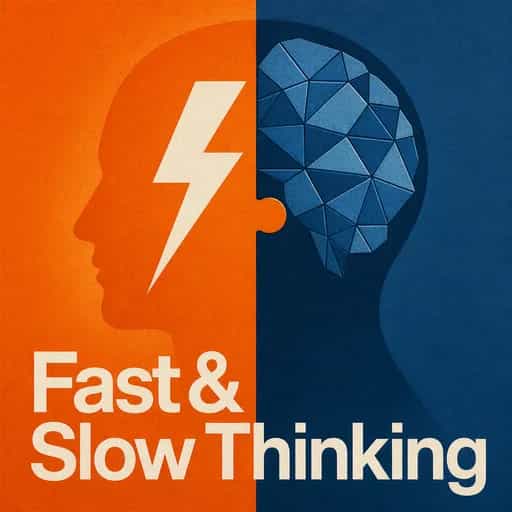
Jackson: Exactly! These aren't bugs in our mental software-they're features of a brain built for speed in a noisy world. Some help us survive, while others quietly distort our judgments in everything from work decisions to relationships.