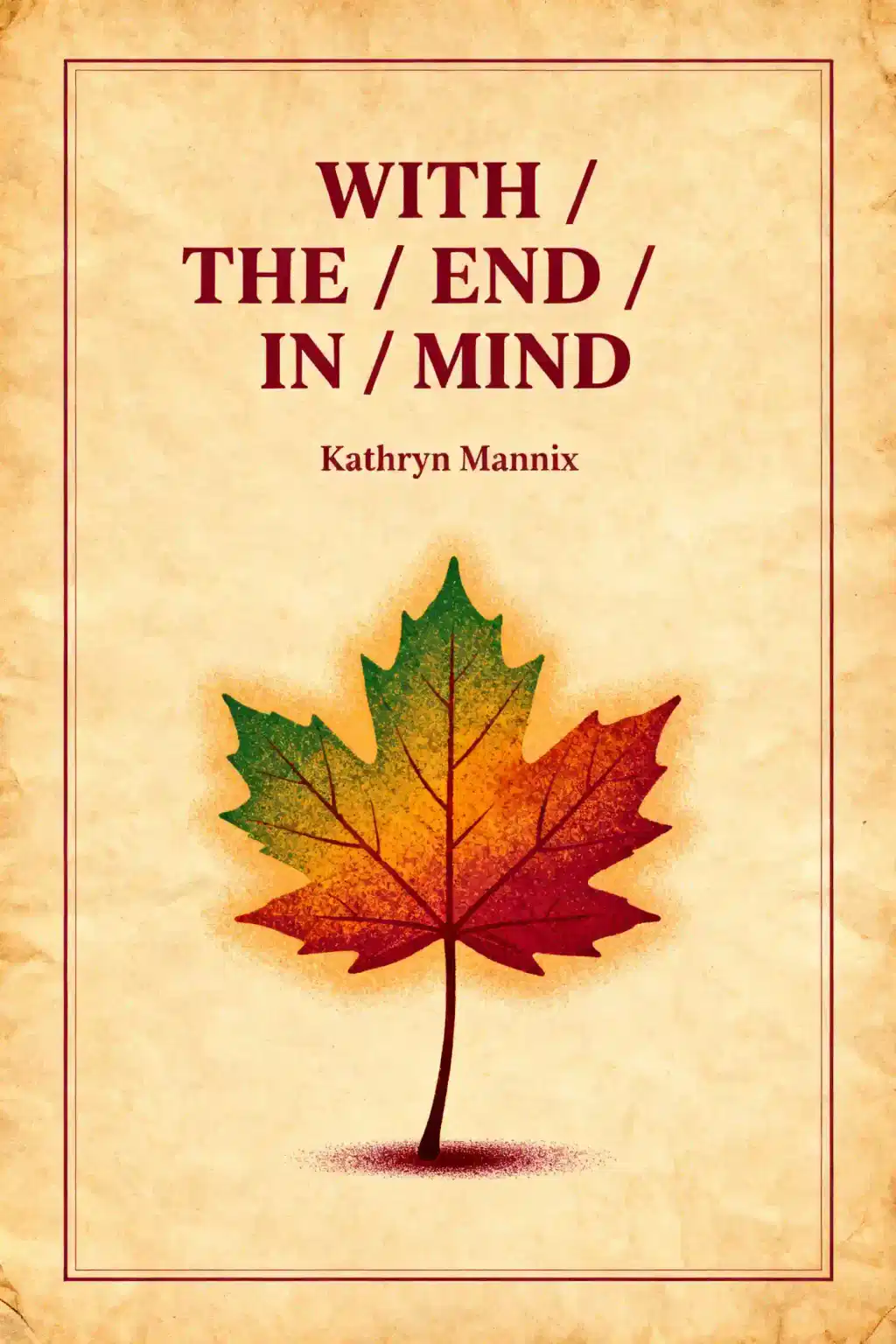
With the End in Mind: Dying, Death, and Wisdom in an Age of Denial by Kathryn Mannix Summary

Overview of With the End in Mind
Dr. Kathryn Mannix's compassionate guide demystifies death, transforming our cultural denial into acceptance. Praised by readers facing terminal illness, this 2017 bestseller offers wisdom from three decades in palliative care. What if understanding death's natural process could actually help us live better?
- Kathryn Mannix reframes dying as a natural process to demystify and reduce existential fear
- Palliative care wisdom shows death with dignity often means prioritizing comfort over cure
- Normalizing death conversations reduces family trauma and enables intentional end-of-life choices
- The "pause for thought" technique helps patients process difficult diagnoses without overwhelm
- Mannix’s clinical stories reveal deathbed reconciliations as common catalysts for healing relationships
- Anticipatory grief planning preserves autonomy when physical/mental capacity becomes compromised
- Children’s honest questions about death often reveal wiser perspectives than adult avoidance
- "Dying timelines" focus on quality moments rather than medicalized countdowns to death
- Legacy-building through letters/videos transforms fear into meaningful intergenerational connections
- Hospice humor and small daily rituals maintain personhood amidst terminal decline
- Mannix challenges assisted dying urgency by demonstrating natural death’s gentle cadence
- Death doula approaches help families navigate cultural taboos around bodily aftercare
About the Author of With the End in Mind
Kathryn Mannix is the bestselling author of With the End in Mind: Dying, Death and Wisdom in an Age of Denial and a pioneering palliative care physician with over 30 years of clinical experience.
A Newcastle University medical graduate (MBBS, 1982), she became the UK’s first consultant in palliative medicine in 1995 and established the nation’s inaugural cognitive behavioral therapy clinic for terminal patients.
Her memoir blends medical expertise with poignant patient stories to demystify death, reflecting her mission to reduce fear through education—a theme amplified in her TEDx talk “What Happens As We Die?” (over 500,000 views) and her follow-up book Listen: How to Find the Words for Tender Conversations.
A frequent commentator for BBC Science Focus and global speaker, Mannix’s work has been translated into 16 languages and shortlisted for the Wellcome Book Prize. With the End in Mind remains a foundational text in palliative care literature, praised for its compassionate reframing of life’s final journey.
FAQs About With the End in Mind
What is With the End in Mind by Kathryn Mannix about?
With the End in Mind explores death and dying through personal stories from Dr. Kathryn Mannix’s 30-year palliative care career. It emphasizes approaching death with openness, reducing fear through honest conversations, and finding dignity in life’s final chapter. The book blends clinical insights with heartfelt narratives to normalize the dying process and advocate for compassionate end-of-life care.
Who should read With the End in Mind?
This book is essential for healthcare professionals, caregivers, and anyone facing end-of-life decisions. It also resonates with readers seeking to understand mortality or support grieving loved ones. Mannix’s accessible storytelling makes complex topics relatable for general audiences, while her clinical expertise offers value to medical practitioners.
Is With the End in Mind worth reading?
Yes. Praised for its empathetic and practical approach, the book dispels myths about dying and provides actionable insights. Reviewers highlight its ability to comfort and educate, with Kirkus Reviews calling it “a moving meditation on mortality” and The Mortal Atheist noting its “gentle introduction to death.”
What are the main themes in With the End in Mind?
Key themes include:
- The universality and naturalness of dying.
- The importance of open conversations about death.
- Preserving dignity and autonomy in end-of-life care.
- The role of legacy and meaningful goodbyes.
How does the book approach the topic of death?
Mannix uses anonymized patient stories and personal anecdotes to demystify dying. She explains physiological processes (e.g., the “death rattle”) while highlighting emotional and psychological aspects, such as reconciling relationships or managing pain. This blend of medical detail and human connection aims to reduce anxiety about death.
What practical advice does With the End in Mind offer?
The book encourages:
- Early conversations: Discussing wishes before crises arise.
- Recognizing dying signs: Understanding transitions like decreased energy or appetite.
- Creating legacy projects: Letters, recordings, or rituals to leave meaningful reminders.
Does the book discuss assisted dying?
Mannix acknowledges debates around assisted death but advocates for robust palliative care as an alternative. She argues that proper pain management and emotional support often eliminate desires for hastened death, emphasizing “the unexpected beauty” in natural dying processes.
How do stories enhance the book’s message?
Patient narratives—like a young father recording messages for his children or a woman reconciling with estranged family—humanize abstract concepts. These stories illustrate how small acts of kindness and clarity can transform end-of-life experiences.
How does it compare to Being Mortal by Atul Gawande?
Both books address end-of-life care, but Mannix focuses more on personal stories and emotional preparation, while Gawande critiques systemic healthcare flaws. With the End in Mind offers a gentler, more anecdotal complement to Gawande’s policy-oriented analysis.
What are key quotes from With the End in Mind?
- “Dying is not a failure; it is normal, it is natural, and it is survivable—by the dying person’s loved ones.”
- “We need to talk about dying—not to be morbid, but to be prepared.”
Are there criticisms of the book?
Some readers may find the stories emotionally heavy or overly idealistic. While Mannix’s focus on palliative care is thorough, critics note limited discussion of systemic barriers to accessing such care.
How can healthcare professionals benefit from this book?
Clinicians gain communication strategies for discussing prognosis, managing family dynamics, and addressing existential fears. Mannix’s “CBT First Aid” approach helps professionals support patients’ emotional needs alongside medical care.
Feel the book through the author's voice
Turn knowledge into engaging, example-rich insights
Capture key ideas in a flash for fast learning
Enjoy the book in a fun and engaging way
Key Themes in With the End in Mind
Quotes from With the End in Mind
Dying is not usually as dreadful as you fear.
Death rate remains stubbornly at 100%.
Our finite days make each one precious and meaningful.
"No sudden rush of pain at the end. No feeling of fading away. No panic."
Knowledge becomes power.
Characters in With the End in Mind
Quick Summary Mode - Read or listen to With the End in Mind Summary in 9 Minutes

Break down key ideas from With the End in Mind into bite-sized takeaways to understand how innovative teams create, collaborate, and grow.

Flash Card Mode - Top 8 Insights from With the End in Mind in a Nutshell

Distill With the End in Mind into rapid-fire memory cues that highlight key principles of candor, teamwork, and creative resilience.

Fun Mode - With the End in Mind Lessons Told Through 20-Min Stories

Experience With the End in Mind through vivid storytelling that turns innovation lessons into moments you'll remember and apply.
Personalize Mode - Read or listen to With the End in Mind Summary in 0 Minutes

Ask anything, pick the voice, and co-create insights that truly resonate with you.

From Columbia University alumni built in San Francisco
"Instead of endless scrolling, I just hit play on BeFreed. It saves me so much time."


"I never knew where to start with nonfiction—BeFreed’s book lists turned into podcasts gave me a clear path."


"Perfect balance between learning and entertainment. Finished ‘Thinking, Fast and Slow’ on my commute this week."
"Crazy how much I learned while walking the dog. BeFreed = small habits → big gains."
"Reading used to feel like a chore. Now it’s just part of my lifestyle."

"Feels effortless compared to reading. I’ve finished 6 books this month already."
"BeFreed turned my guilty doomscrolling into something that feels productive and inspiring."

"BeFreed turned my commute into learning time. 20-min podcasts are perfect for finishing books I never had time for."
"BeFreed replaced my podcast queue. Imagine Spotify for books — that’s it. 🙌"

"It is great for me to learn something from the book without reading it."
"The themed book list podcasts help me connect ideas across authors—like a guided audio journey."
"Makes me feel smarter every time before going to work"
From Columbia University alumni built in San Francisco
"Instead of endless scrolling, I just hit play on BeFreed. It saves me so much time."
"I never knew where to start with nonfiction—BeFreed’s book lists turned into podcasts gave me a clear path."
"Perfect balance between learning and entertainment. Finished ‘Thinking, Fast and Slow’ on my commute this week."
"Crazy how much I learned while walking the dog. BeFreed = small habits → big gains."
"Reading used to feel like a chore. Now it’s just part of my lifestyle."
"Feels effortless compared to reading. I’ve finished 6 books this month already."
"BeFreed turned my guilty doomscrolling into something that feels productive and inspiring."
"BeFreed turned my commute into learning time. 20-min podcasts are perfect for finishing books I never had time for."
"BeFreed replaced my podcast queue. Imagine Spotify for books — that’s it. 🙌"
"It is great for me to learn something from the book without reading it."
"The themed book list podcasts help me connect ideas across authors—like a guided audio journey."
"Makes me feel smarter every time before going to work"
"Instead of endless scrolling, I just hit play on BeFreed. It saves me so much time."
"I never knew where to start with nonfiction—BeFreed’s book lists turned into podcasts gave me a clear path."
"Perfect balance between learning and entertainment. Finished ‘Thinking, Fast and Slow’ on my commute this week."
"Crazy how much I learned while walking the dog. BeFreed = small habits → big gains."
"Reading used to feel like a chore. Now it’s just part of my lifestyle."
"Feels effortless compared to reading. I’ve finished 6 books this month already."
"BeFreed turned my guilty doomscrolling into something that feels productive and inspiring."
"BeFreed turned my commute into learning time. 20-min podcasts are perfect for finishing books I never had time for."
"BeFreed replaced my podcast queue. Imagine Spotify for books — that’s it. 🙌"
"It is great for me to learn something from the book without reading it."
"The themed book list podcasts help me connect ideas across authors—like a guided audio journey."
"Makes me feel smarter every time before going to work"
"Instead of endless scrolling, I just hit play on BeFreed. It saves me so much time."
"I never knew where to start with nonfiction—BeFreed’s book lists turned into podcasts gave me a clear path."
"Perfect balance between learning and entertainment. Finished ‘Thinking, Fast and Slow’ on my commute this week."
"Crazy how much I learned while walking the dog. BeFreed = small habits → big gains."
"Reading used to feel like a chore. Now it’s just part of my lifestyle."
"Feels effortless compared to reading. I’ve finished 6 books this month already."
"BeFreed turned my guilty doomscrolling into something that feels productive and inspiring."
"BeFreed turned my commute into learning time. 20-min podcasts are perfect for finishing books I never had time for."
"BeFreed replaced my podcast queue. Imagine Spotify for books — that’s it. 🙌"
"It is great for me to learn something from the book without reading it."
"The themed book list podcasts help me connect ideas across authors—like a guided audio journey."
"Makes me feel smarter every time before going to work"

Get the With the End in Mind summary as a free PDF or EPUB. Print it or read offline anytime.