Overview of Oxygen
Oxygen - the molecule that not only created Earth's atmosphere but shaped all life's evolution. Nick Lane's revolutionary book challenges conventional science, revealing how this element drives aging, disease, and even consciousness. Did you know oxygen is both life-giver and silent killer? Scientists call it "the ultimate paradox of biology."
- Oxygen’s dual role as life-giver and cellular toxin drives evolution.
- The Great Oxidation Event enabled complex life but caused mass extinctions.
- Free radicals accelerate aging through cumulative damage to mitochondrial DNA.
- Antioxidant supplements fail to extend lifespan despite neutralizing oxidative stress.
- High oxygen levels permitted giant insects during the Carboniferous period.
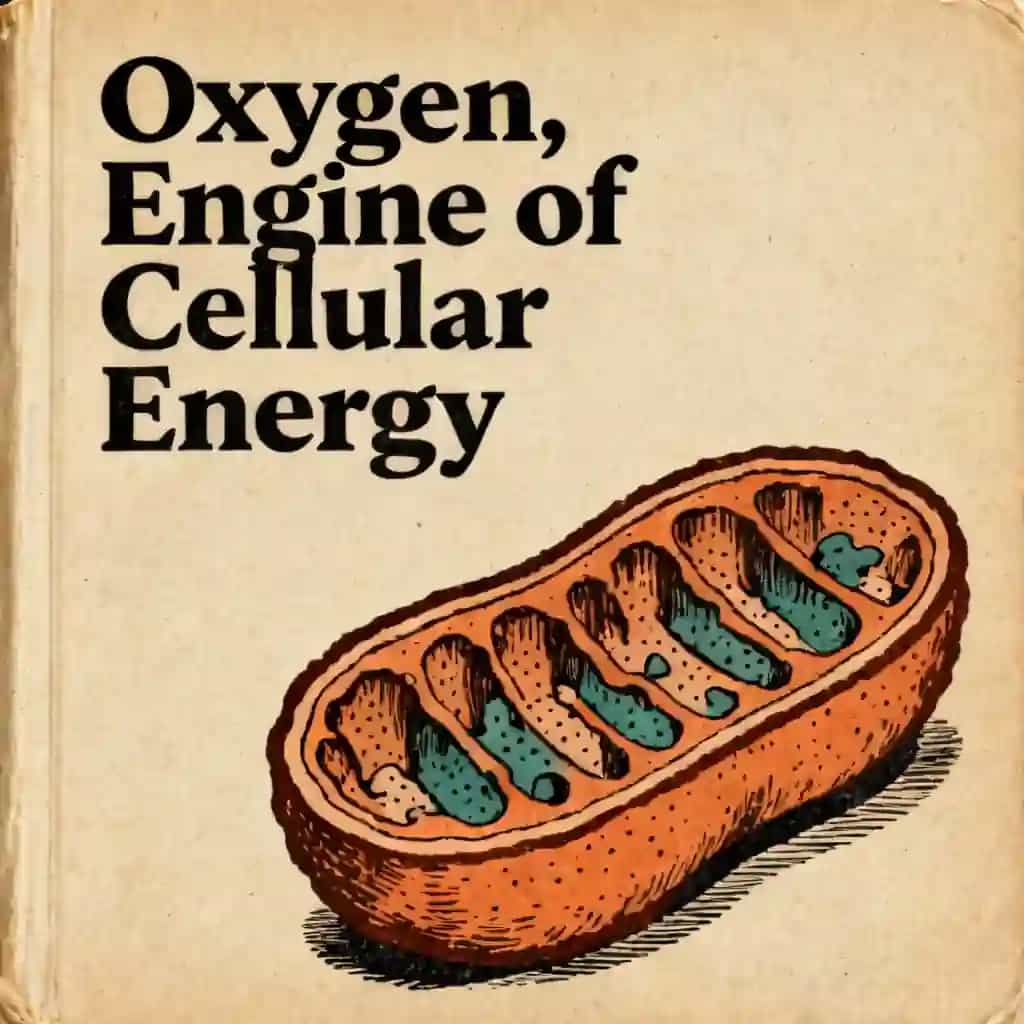
- Mitochondria evolved to harness oxygen’s energy while minimizing toxic byproducts.
- Nick Lane links atmospheric oxygen levels to Earth’s first mass extinctions.
- Oxygen toxicity explains why cloned animals age prematurely like Dolly.
- Bats’ longevity stems from efficient oxygen metabolism reducing free radical production.
- Photosynthesis created Earth’s oxygen surplus but triggered planetary ice ages.
- The “oxygen paradox” shaped sex evolution and multicellular reproduction strategies.
- Aerobic respiration’s efficiency made oxygen indispensable despite its corrosive effects.
About the Author of Oxygen
Nick Lane, acclaimed biochemist and bestselling author of Oxygen: The Molecule that Made the World, is a leading voice in evolutionary biochemistry and bioenergetics.
A researcher at University College London, where he co-directs the Centre for Life’s Origin and Evolution, Lane bridges cutting-edge science with accessible narratives about life’s fundamental processes. His work explores themes of energy, cellular evolution, and the molecular mechanisms shaping Earth’s history, making complex scientific concepts engaging for general audiences.
Beyond Oxygen, Lane’s award-winning books include Life Ascending: The Ten Great Inventions of Evolution (winner of the Royal Society Science Books Prize) and The Vital Question, which reimagines the origins of complex life. Translated into 25 languages and recommended by Nature and The Economist, his works have sold over 150,000 copies worldwide.
Lane’s research on mitochondrial function and energy transformation informs global scientific discourse, while his Provost’s Venture Research Fellowship underscores his innovative approach to decoding life’s deepest mysteries.
FAQs About Oxygen
What is Oxygen: The Molecule that Made the World about?
Oxygen by Nick Lane explores how oxygen shaped life’s evolution, from Earth’s primordial atmosphere to modern human health. It details oxygen’s dual role as a life-sustaining force and a contributor to aging and diseases, while examining topics like photosynthesis, mitochondrial function, and antioxidant myths. The book blends geology, biochemistry, and evolutionary biology to explain oxygen’s global and cellular impacts.
Who should read Oxygen by Nick Lane?
Science enthusiasts, biology students, and readers interested in evolution or biomedicine will find Oxygen compelling. Though accessible to general audiences, its dense scientific arguments and multidisciplinary approach (spanning geology, genetics, and medicine) particularly appeal to those familiar with foundational biology concepts. Critics note it may challenge casual readers.
Is Oxygen by Nick Lane worth reading?
Yes, Oxygen offers a thought-provoking synthesis of Earth’s history and cellular biology, making it a standout for science readers. Lane’s exploration of oxygen’s role in aging, sex, and disease provides fresh perspectives, though some may find its technical depth demanding. The book is widely praised for its originality and scope.
How does oxygen influence evolution according to Oxygen?
Lane argues oxygen enabled complex life by driving energy-efficient respiration, which supported larger organisms and specialized cells. However, its reactive nature also forced evolutionary adaptations like antioxidant defenses and sexual reproduction to mitigate DNA damage. These dynamics shaped key transitions, such as the Cambrian explosion and the evolution of multicellularity.
What does Oxygen say about aging and disease?
The book links aging to oxidative stress—damage caused by oxygen-derived free radicals during energy production. Lane critiques simplistic antioxidant solutions, emphasizing instead mitochondrial health and immune modulation as avenues to slow aging. He ties oxygen’s reactivity to diseases like cancer and neurodegeneration.
How does Nick Lane explain the role of antioxidants in Oxygen?
Lane challenges the antioxidant myth, showing they often fail to prevent aging because free radicals also serve critical signaling roles. Instead, he proposes improving mitochondrial efficiency and reducing inflammatory responses as more effective strategies against oxidative damage.
Why does Oxygen connect mitochondria to human health?
Mitochondria, descendants of oxygen-consuming bacteria, regulate cellular energy and apoptosis. Lane highlights their vulnerability to oxidative damage, which accumulates with age and contributes to degenerative diseases. Healthy mitochondria, he argues, are key to longevity.
What scientific critiques exist about Oxygen?
Some reviewers note the book’s complexity may overwhelm general readers, and its speculative ideas (e.g., oxygen’s role in sexual reproduction) lack conclusive evidence. However, most praise its interdisciplinary ambition and novel hypotheses.
How does Oxygen compare to other science books?
Unlike niche scientific texts, Oxygen bridges evolutionary biology, geology, and medicine, offering a grand narrative akin to works by Richard Dawkins or Carl Sagan. Its focus on a single molecule’s planetary impact distinguishes it from broader biochemistry overviews.
What real-world applications does Oxygen suggest?
Lane advocates for research into mitochondrial therapies and immune system modulation to combat aging. He also stresses understanding oxygen’s double-edged role in metabolism, informing approaches to exercise, diet, and disease prevention.
How does Oxygen address Earth’s atmospheric history?
The book traces oxygen’s rise from trace levels to 21%, linking spikes to photosynthetic bacteria and ice ages. These fluctuations drove mass extinctions and evolutionary innovations, like armored organisms during high-oxygen eras.
What metaphors or frameworks does Oxygen use?
Lane frames oxygen as both a “creator and destroyer,” using its paradoxical role to explain life’s complexity. Concepts like the “Great Oxidation Event” and “mitochondrial Eve” illustrate how microscopic processes shaped macroscopic evolution.
Feel the book through the author's voice
Turn knowledge into engaging, example-rich insights
Capture key ideas in a flash for fast learning
Enjoy the book in a fun and engaging way
Key Themes in Oxygen
Quotes from Oxygen
Oxygen defies simple classification.
Oxygen shaped Earth's evolution.
Oxygen slowly kills us.
Our relationship with oxygen is not static.
Oxygen could accelerate aging.
Characters in Oxygen
Quick Summary Mode - Read or listen to Oxygen Summary in 9 Minutes

Break down key ideas from Oxygen into bite-sized takeaways to understand how innovative teams create, collaborate, and grow.

Flash Card Mode - Top 8 Insights from Oxygen in a Nutshell

Distill Oxygen into rapid-fire memory cues that highlight key principles of candor, teamwork, and creative resilience.

Fun Mode - Oxygen Lessons Told Through 24-Min Stories

Experience Oxygen through vivid storytelling that turns innovation lessons into moments you'll remember and apply.
Personalize Mode - Read or listen to Oxygen Summary in 0 Minutes

Ask anything, pick the voice, and co-create insights that truly resonate with you.

From Columbia University alumni built in San Francisco
"Instead of endless scrolling, I just hit play on BeFreed. It saves me so much time."


"I never knew where to start with nonfiction—BeFreed’s book lists turned into podcasts gave me a clear path."


"Perfect balance between learning and entertainment. Finished ‘Thinking, Fast and Slow’ on my commute this week."
"Crazy how much I learned while walking the dog. BeFreed = small habits → big gains."
"Reading used to feel like a chore. Now it’s just part of my lifestyle."

"Feels effortless compared to reading. I’ve finished 6 books this month already."
"BeFreed turned my guilty doomscrolling into something that feels productive and inspiring."

"BeFreed turned my commute into learning time. 20-min podcasts are perfect for finishing books I never had time for."
"BeFreed replaced my podcast queue. Imagine Spotify for books — that’s it. 🙌"

"It is great for me to learn something from the book without reading it."
"The themed book list podcasts help me connect ideas across authors—like a guided audio journey."
"Makes me feel smarter every time before going to work"
From Columbia University alumni built in San Francisco
"Instead of endless scrolling, I just hit play on BeFreed. It saves me so much time."
"I never knew where to start with nonfiction—BeFreed’s book lists turned into podcasts gave me a clear path."
"Perfect balance between learning and entertainment. Finished ‘Thinking, Fast and Slow’ on my commute this week."
"Crazy how much I learned while walking the dog. BeFreed = small habits → big gains."
"Reading used to feel like a chore. Now it’s just part of my lifestyle."
"Feels effortless compared to reading. I’ve finished 6 books this month already."
"BeFreed turned my guilty doomscrolling into something that feels productive and inspiring."
"BeFreed turned my commute into learning time. 20-min podcasts are perfect for finishing books I never had time for."
"BeFreed replaced my podcast queue. Imagine Spotify for books — that’s it. 🙌"
"It is great for me to learn something from the book without reading it."
"The themed book list podcasts help me connect ideas across authors—like a guided audio journey."
"Makes me feel smarter every time before going to work"
"Instead of endless scrolling, I just hit play on BeFreed. It saves me so much time."
"I never knew where to start with nonfiction—BeFreed’s book lists turned into podcasts gave me a clear path."
"Perfect balance between learning and entertainment. Finished ‘Thinking, Fast and Slow’ on my commute this week."
"Crazy how much I learned while walking the dog. BeFreed = small habits → big gains."
"Reading used to feel like a chore. Now it’s just part of my lifestyle."
"Feels effortless compared to reading. I’ve finished 6 books this month already."
"BeFreed turned my guilty doomscrolling into something that feels productive and inspiring."
"BeFreed turned my commute into learning time. 20-min podcasts are perfect for finishing books I never had time for."
"BeFreed replaced my podcast queue. Imagine Spotify for books — that’s it. 🙌"
"It is great for me to learn something from the book without reading it."
"The themed book list podcasts help me connect ideas across authors—like a guided audio journey."
"Makes me feel smarter every time before going to work"
"Instead of endless scrolling, I just hit play on BeFreed. It saves me so much time."
"I never knew where to start with nonfiction—BeFreed’s book lists turned into podcasts gave me a clear path."
"Perfect balance between learning and entertainment. Finished ‘Thinking, Fast and Slow’ on my commute this week."
"Crazy how much I learned while walking the dog. BeFreed = small habits → big gains."
"Reading used to feel like a chore. Now it’s just part of my lifestyle."
"Feels effortless compared to reading. I’ve finished 6 books this month already."
"BeFreed turned my guilty doomscrolling into something that feels productive and inspiring."
"BeFreed turned my commute into learning time. 20-min podcasts are perfect for finishing books I never had time for."
"BeFreed replaced my podcast queue. Imagine Spotify for books — that’s it. 🙌"
"It is great for me to learn something from the book without reading it."
"The themed book list podcasts help me connect ideas across authors—like a guided audio journey."
"Makes me feel smarter every time before going to work"

Get the Oxygen summary as a free PDF or EPUB. Print it or read offline anytime.