Irresistible: Why We Can't Stop Checking, Scrolling, Clicking and Watching by Adam Alter Summary

Overview of Irresistible
Discover why your smartphone is engineered to hijack your brain in "Irresistible," NYT bestseller exposing tech's addictive design. Featured on Neil Pasricha's "Very Best Books" list, it reveals the shocking psychological tricks keeping us hooked - and how to regain control.
- Behavioral addiction mirrors substance abuse through dopamine-driven reward cycles.
- Tech companies engineer apps with variable rewards and unresolved tensions to hook users.
- Six components drive addictive tech: social connections, incremental progress, and unpredictable feedback.
- Emotional vulnerability increases susceptibility to tech addiction as a coping mechanism.
- Smartphone overuse disrupts sleep, productivity, and real-world social bonds.
- Behavioral addictions thrive on positive memories tied to tech-based emotional relief.
- Tech zombies emerge from 150+ daily phone checks averaging 3+ hours of screen time.
- Reset tech habits by setting device-free zones and scheduled offline hours.
- Children’s mental health requires digital boundaries to prevent escapism-driven addictions.
- Instagram’s hidden likes experiment reveals how platforms manipulate engagement triggers.
- Behavioral addiction treatment focuses on replacing tech with purpose-driven activities.
- Adam Alter’s Irresistible frames tech detox as a modern survival skill.
About the Author of Irresistible
Adam Alter, New York Times bestselling author of Irresistible: The Rise of Addictive Technology and the Business of Keeping Us Hooked, is a leading expert on behavioral psychology and technology’s impact on modern life.
A professor of marketing and psychology at NYU’s Stern School of Business with a PhD from Princeton University, Alter combines academic rigor with real-world insights to explore how digital platforms hijack human behavior. His work has been featured in The New Yorker, The Washington Post, and his viral TED Talk, which has garnered millions of views.
Alter’s earlier book, Drunk Tank Pink, examines hidden environmental forces shaping decisions, while his 2023 release, Anatomy of a Breakthrough, tackles overcoming creative and personal stagnation.
Irresistible, praised by The Guardian as “illuminating” and a Chicago Tribune standout, sparked global dialogue on tech ethics and has been cited by executives at Google and Microsoft. The book has been translated into 25 languages and remains a seminal text in behavioral science curricula.
FAQs About Irresistible
What is Irresistible by Adam Alter about?
Irresistible explores the rise of behavioral addiction to technology, arguing that apps and platforms like Instagram, Netflix, and email are engineered to exploit human psychology. Adam Alter, a psychology and marketing professor at NYU, traces how tech companies use progress tracking, social validation, and variable rewards to create compulsive habits, while offering insights into mitigating these effects.
Who should read Irresistible by Adam Alter?
This book is essential for psychology enthusiasts, parents concerned about screen time, educators, and professionals in tech or marketing. It’s also valuable for anyone seeking to understand why digital habits feel unbreakable and how to reclaim focus.
Is Irresistible by Adam Alter worth reading?
Yes—it’s a compelling, research-backed analysis of tech addiction’s societal impact. Praised by Malcolm Gladwell and Adam Grant, Alter blends academic rigor with actionable advice, making it a must-read for navigating the digital age’s challenges.
What are the main concepts in Irresistible?
Key ideas include:
- Behavioral vs. substance addiction: Tech habits trigger similar neural pathways as drugs.
- The six components of addictive design: Goals, feedback, escalation, cliffhangers, social interaction, and autonomy.
- The “pickled brain” metaphor: Once addicted, the brain can’t fully revert to its pre-addicted state.
What behavioral addictions does Adam Alter discuss?
Alter examines addiction to social media (likes, unread emails), gaming, binge-watching, fitness tracking, and online shopping. He highlights how these behaviors exploit our need for instant gratification and social validation.
How does technology design contribute to behavioral addiction?
Tech companies use tactics like variable rewards (unpredictable likes), progress tracking (Fitbit streaks), and cliffhangers (autoplay episodes) to keep users engaged. Alter compares app design to slot machines, where intermittent rewards drive compulsive use.
Does Irresistible offer solutions to tech addiction?
Alter suggests setting screen-time boundaries, digital detoxes, and advocating for ethical design. He also emphasizes corporate responsibility in curbing manipulative features.
What is the “pickled brain” metaphor in Irresistible?
The metaphor illustrates that once addicted, the brain undergoes lasting changes—like a cucumber transformed into a pickle—making relapse likely even after recovery. This underscores the importance of prevention.
How does Irresistible compare to other books on tech addiction?
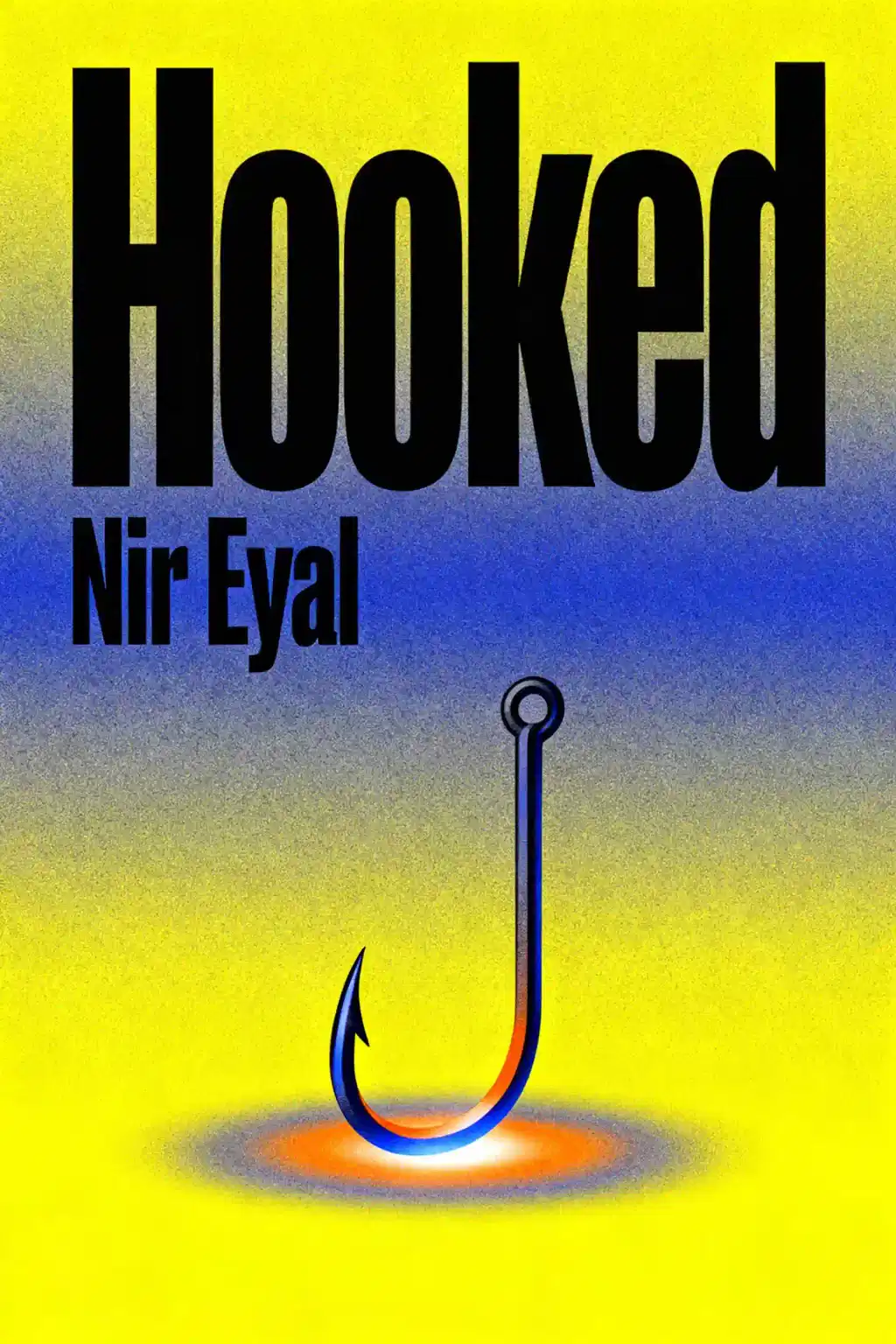
Unlike Digital Minimalism (focused on decluttering), Alter’s work delves into the psychological mechanics of addiction. It complements Hooked by Nir Eyal but critiques how behavioral design ethics are overlooked.
What criticisms exist about Irresistible?
Some argue Alter prioritizes individual responsibility over systemic tech reform. Others note limited exploration of cultural or socioeconomic factors influencing addiction susceptibility.
Why is Irresistible relevant in 2025?
As AI and immersive tech (VR, AR) dominate, Alter’s warnings about addictive design remain urgent. The book provides a framework for addressing emerging challenges like algorithm-driven content overload.
Who is Adam Alter and what are his credentials?
Adam Alter is a NYU Stern professor of psychology and marketing, bestselling author of Drunk Tank Pink, and contributor to The New York Times. His research focuses on decision-making and behavioral science.
What are key quotes from Irresistible?
- “Likes are the crack cocaine of social interaction”: Highlights how social validation drives addiction.
- “Once pickled, never a cucumber again”: Stresses the permanence of addiction’s neural impact.
- “The best products are just useful enough to avoid being banned, but not so useful they become mundane”: Explains tech’s addictive sweet spot.
Feel the book through the author's voice
Turn knowledge into engaging, example-rich insights
Capture key ideas in a flash for fast learning
Enjoy the book in a fun and engaging way
Key Themes in Irresistible
Quotes from Irresistible
They had created technologies designed to be irresistible.
Addiction brings short-term rewards but significant long-term harm.
Drug abuse [is] public enemy number one.
Modern technology...has created widespread sleep deprivation.
Characters in Irresistible
Quick Summary Mode - Read or listen to Irresistible Summary in 9 Minutes

Break down key ideas from Irresistible into bite-sized takeaways to understand how innovative teams create, collaborate, and grow.

Flash Card Mode - Top 9 Insights from Irresistible in a Nutshell

Distill Irresistible into rapid-fire memory cues that highlight key principles of candor, teamwork, and creative resilience.

Fun Mode - Irresistible Lessons Told Through 20-Min Stories

Experience Irresistible through vivid storytelling that turns innovation lessons into moments you'll remember and apply.
Personalize Mode - Read or listen to Irresistible Summary in 0 Minutes

Ask anything, pick the voice, and co-create insights that truly resonate with you.

From Columbia University alumni built in San Francisco
"Instead of endless scrolling, I just hit play on BeFreed. It saves me so much time."


"I never knew where to start with nonfiction—BeFreed’s book lists turned into podcasts gave me a clear path."


"Perfect balance between learning and entertainment. Finished ‘Thinking, Fast and Slow’ on my commute this week."
"Crazy how much I learned while walking the dog. BeFreed = small habits → big gains."
"Reading used to feel like a chore. Now it’s just part of my lifestyle."

"Feels effortless compared to reading. I’ve finished 6 books this month already."
"BeFreed turned my guilty doomscrolling into something that feels productive and inspiring."

"BeFreed turned my commute into learning time. 20-min podcasts are perfect for finishing books I never had time for."
"BeFreed replaced my podcast queue. Imagine Spotify for books — that’s it. 🙌"

"It is great for me to learn something from the book without reading it."
"The themed book list podcasts help me connect ideas across authors—like a guided audio journey."
"Makes me feel smarter every time before going to work"
From Columbia University alumni built in San Francisco
"Instead of endless scrolling, I just hit play on BeFreed. It saves me so much time."
"I never knew where to start with nonfiction—BeFreed’s book lists turned into podcasts gave me a clear path."
"Perfect balance between learning and entertainment. Finished ‘Thinking, Fast and Slow’ on my commute this week."
"Crazy how much I learned while walking the dog. BeFreed = small habits → big gains."
"Reading used to feel like a chore. Now it’s just part of my lifestyle."
"Feels effortless compared to reading. I’ve finished 6 books this month already."
"BeFreed turned my guilty doomscrolling into something that feels productive and inspiring."
"BeFreed turned my commute into learning time. 20-min podcasts are perfect for finishing books I never had time for."
"BeFreed replaced my podcast queue. Imagine Spotify for books — that’s it. 🙌"
"It is great for me to learn something from the book without reading it."
"The themed book list podcasts help me connect ideas across authors—like a guided audio journey."
"Makes me feel smarter every time before going to work"
"Instead of endless scrolling, I just hit play on BeFreed. It saves me so much time."
"I never knew where to start with nonfiction—BeFreed’s book lists turned into podcasts gave me a clear path."
"Perfect balance between learning and entertainment. Finished ‘Thinking, Fast and Slow’ on my commute this week."
"Crazy how much I learned while walking the dog. BeFreed = small habits → big gains."
"Reading used to feel like a chore. Now it’s just part of my lifestyle."
"Feels effortless compared to reading. I’ve finished 6 books this month already."
"BeFreed turned my guilty doomscrolling into something that feels productive and inspiring."
"BeFreed turned my commute into learning time. 20-min podcasts are perfect for finishing books I never had time for."
"BeFreed replaced my podcast queue. Imagine Spotify for books — that’s it. 🙌"
"It is great for me to learn something from the book without reading it."
"The themed book list podcasts help me connect ideas across authors—like a guided audio journey."
"Makes me feel smarter every time before going to work"
"Instead of endless scrolling, I just hit play on BeFreed. It saves me so much time."
"I never knew where to start with nonfiction—BeFreed’s book lists turned into podcasts gave me a clear path."
"Perfect balance between learning and entertainment. Finished ‘Thinking, Fast and Slow’ on my commute this week."
"Crazy how much I learned while walking the dog. BeFreed = small habits → big gains."
"Reading used to feel like a chore. Now it’s just part of my lifestyle."
"Feels effortless compared to reading. I’ve finished 6 books this month already."
"BeFreed turned my guilty doomscrolling into something that feels productive and inspiring."
"BeFreed turned my commute into learning time. 20-min podcasts are perfect for finishing books I never had time for."
"BeFreed replaced my podcast queue. Imagine Spotify for books — that’s it. 🙌"
"It is great for me to learn something from the book without reading it."
"The themed book list podcasts help me connect ideas across authors—like a guided audio journey."
"Makes me feel smarter every time before going to work"

Get the Irresistible summary as a free PDF or EPUB. Print it or read offline anytime.