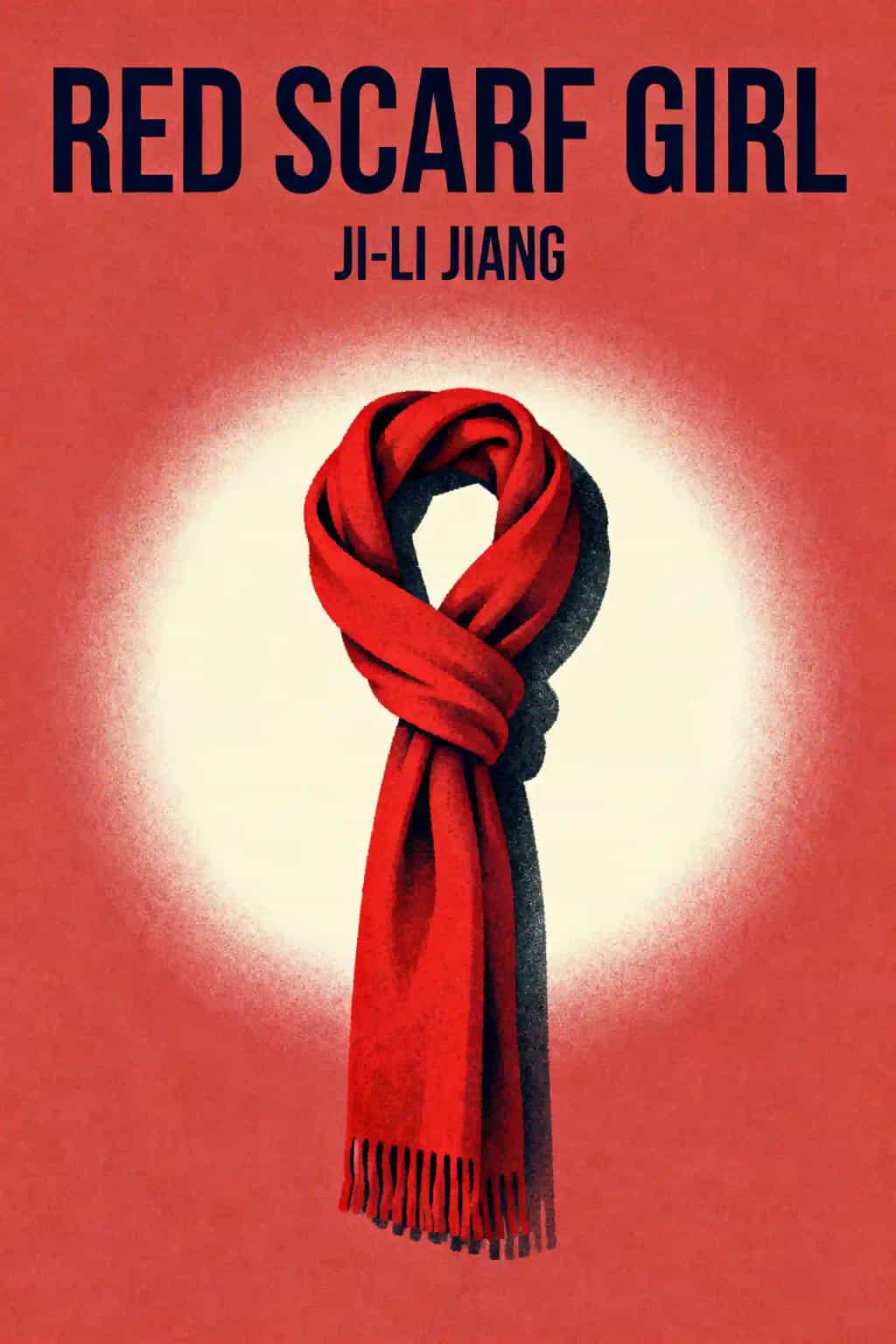
Overview of Red scarf girl
Ji-li Jiang's memoir of China's Cultural Revolution outshines modern dystopian fiction with its raw authenticity. Compared to Anne Frank's diary, this ALA Best Book reveals how ordinary communities embrace political fanaticism - a cautionary tale for anyone valuing freedom.
- Ji-li Jiang's memoir reveals China's Cultural Revolution through a child's eyes.
- Red Scarf Girl shows how political ideology destroyed family bonds completely.
- Ji-li refuses to denounce her parents despite extreme government pressure.
- The book documents how Red Guards terrorized families with black status.
- Jiang's family faces persecution because her grandfather was a landlord.
- Red Scarf Girl illustrates the Four Olds campaign's devastating cultural impact.
- Ji-li transforms from devoted Mao loyalist to questioning the Party.
- The memoir shows how propaganda and fear brainwashed an entire generation.
- Jiang demonstrates courage by choosing family loyalty over political safety.
- Red Scarf Girl exposes the Cultural Revolution's violent erasure of heritage.
- Ji-li's story reveals how neighbors and friends became enemies overnight.
- The book ends with the Jiang family emigrating to America.
About the Author of Red scarf girl
Ji-li Jiang is the acclaimed author of Red Scarf Girl: A Memoir of the Cultural Revolution and a leading voice in Chinese-American memoir literature. Born in Shanghai in 1954, Jiang lived through one of China's most turbulent periods. Her award-winning autobiography provides a deeply personal account of surviving the Cultural Revolution as a young girl whose family was persecuted for their "black" political background.
Before immigrating to the United States in 1984, Jiang worked as a science teacher in Shanghai. She later studied at the University of Hawaii and held positions as a corporate operations analyst and budget director. In 1992, she co-founded East West Exchange to promote cultural understanding between China and Western countries, followed by the nonprofit Cultural Exchange International in 2003.
Her other notable works include The Magical Monkey King, Red Kite Blue Kite, Lotus and Feather, and Eighteen Vats of Water. Red Scarf Girl has been translated into eight languages and has won multiple honors, including the ALA Best Book for Young Adults award, establishing it as essential reading for understanding modern Chinese history.
FAQs About Red scarf girl
What is Red Scarf Girl about?
Red Scarf Girl by Ji-li Jiang is a memoir about a 12-year-old girl's life in China during the Cultural Revolution (1966-1968). Ji-li begins as an excellent student who trusts Chairman Mao completely, but her world crumbles when her family is labeled "black class" because her grandfather was a landlord. The book chronicles her transformation from a proud, hopeful student to someone who questions everything as she witnesses violence, persecution, and increasing pressure to denounce her own family.
Who is Ji-li Jiang?
Ji-li Jiang is a Chinese-American author who lived through China's Cultural Revolution as a teenager. Born in Shanghai, she experienced persecution and political turmoil between ages 12 and 14 due to her family's "black class" status. After her father's name was cleared in 1980, Ji-li emigrated to the United States with her family. She wrote Red Scarf Girl in 1997 to share her experiences and raise awareness about this dark period in Chinese history.
Who should read Red Scarf Girl by Ji-li Jiang?
Red Scarf Girl is ideal for readers in grades 7-9, though it's marketed for grades 5-9. The book suits students learning about world history, totalitarianism, or human rights, as well as anyone interested in personal memoirs about political oppression. Young adults who enjoy coming-of-age stories set against historical backdrops will find it compelling. Teachers often use it in literature circles focusing on memoirs about hardship and resilience. However, sensitive readers may need guidance to process the emotionally difficult content.
Is Red Scarf Girl worth reading?
Red Scarf Girl is highly worth reading, with reviewers giving it 4-4.5 out of 5 stars. The memoir provides valuable insight into how dictatorships manipulate citizens and destroy families through political persecution. Readers praise Ji-li Jiang's honest, moving storytelling and her ability to convey complex emotions during an impossible situation. The book serves as powerful cautionary reading for anyone who values freedom and helps Western readers understand a traumatic period in Chinese history.
What is the main message of Red Scarf Girl?
The main message of Red Scarf Girl is the importance of family loyalty over political ideology and the dangers of blind faith in authority. Ji-li Jiang demonstrates how propaganda can brainwash entire populations, including children, into accepting cruelty and injustice. The memoir warns readers to recognize techniques that alienate people from each other and erode freedom. It ultimately celebrates courage, resilience, and the strength to question everything you've been taught when faced with moral choices.
What does the red scarf symbolize in Red Scarf Girl?
The red scarf in Red Scarf Girl represents two interconnected meanings: the color red symbolizes communism and the Cultural Revolution, while the scarf itself was worn by students in Chinese schools. Together, the title "Red Scarf Girl" signifies how an ordinary schoolgirl becomes affected by and entangled in the communist political movement. The symbol reflects Ji-li's initial pride in being part of the revolution and her desire to become a "Red Successor," before reality destroys those idealistic beliefs.
What happened to Ji-li Jiang's family during the Cultural Revolution?
Ji-li Jiang's family suffered severe persecution during the Cultural Revolution due to their "black class" status. Her father was detained and sent to the countryside for punitive labor after being accused of harboring rightist views. Red Guards raided their home, confiscating treasured possessions. Her grandmother was forced to sweep neighborhood streets daily, enduring public humiliation, while her mother struggled to support the family alone. Ji-li faced intense pressure to denounce her parents but refused, costing her academic opportunities.
What age group is Red Scarf Girl appropriate for?
Red Scarf Girl is most appropriate for students in grades 7-9 (ages 12-15), though it's sometimes marketed for grades 5-9. The book deals with emotionally challenging content including violence, persecution, suicide, and moral dilemmas that younger readers may struggle to process. Reviewers note that students younger than 7th grade may not grasp the emotional complexity or understand the political dynamics at play. Sensitive students of any age may benefit from teacher or parent guidance when reading.
What is a "black class" family in Red Scarf Girl?
A "black class" family in Red Scarf Girl refers to families categorized under the Five Black Categories during China's Cultural Revolution. These included landlords, rich farmers, counter-revolutionaries, bad elements, and rightists. Ji-li's family received this label because her grandfather had been a landlord. Black class status meant facing discrimination, persecution, limited opportunities, and public humiliation. Children from these families were bullied at school and barred from participating in revolutionary activities, regardless of their own beliefs or actions.
How does Red Scarf Girl end?
Red Scarf Girl ends with Ji-li's father being sent for punitive labor, her grandmother forced to sweep streets publicly, and the family struggling to survive on her mother's income alone. In the epilogue, Ji-li reflects that she never lost faith in Mao or the Party at the time because propaganda had brainwashed her and most citizens. Years later, after her father's name was cleared in 1980, the family still faced limited opportunities in China, leading them all to emigrate to the United States.
What are the main themes in Red Scarf Girl by Ji-li Jiang?
The main themes in Red Scarf Girl include:
- political oppression and its effects on families
- the power of propaganda to manipulate minds
- choosing loyalty to family over ideology
The memoir explores coming-of-age during political turmoil, the destruction of culture through movements like eradicating the "Four Olds," and the courage required to resist pressure when everyone around you conforms. Additional themes include gratitude despite hardship, the importance of questioning authority, and recognizing how freedom can be systematically eroded.
Why is Red Scarf Girl still relevant today?
Red Scarf Girl remains relevant as a cautionary tale about how authoritarian regimes manipulate citizens and destroy freedoms. The memoir helps modern readers recognize propaganda techniques, understand how neighbors and families can be turned against each other, and appreciate the freedoms they have. In an era of misinformation and political polarization, Ji-li Jiang's story demonstrates the importance of critical thinking and resisting pressure to conform blindly. The book also provides essential historical education about China's Cultural Revolution, an event that shaped modern China.
Feel the book through the author's voice
Turn knowledge into engaging, example-rich insights
Capture key ideas in a flash for fast learning
Enjoy the book in a fun and engaging way
Key Themes in Red scarf girl
Quotes from Red scarf girl
talent and hard work might not be enough.
Destroy the Four Olds!
blood ties became determinative
invisible knives more dangerous than real weapons.
freedom is compromised
Characters in Red scarf girl
Quick Summary Mode - Read or listen to Red scarf girl Summary in 9 Minutes

Break down key ideas from Red scarf girl into bite-sized takeaways to understand how innovative teams create, collaborate, and grow.

Flash Card Mode - Top 10 Insights from Red scarf girl in a Nutshell

Distill Red scarf girl into rapid-fire memory cues that highlight key principles of candor, teamwork, and creative resilience.

Fun Mode - Red scarf girl Lessons Told Through 23-Min Stories

Experience Red scarf girl through vivid storytelling that turns innovation lessons into moments you'll remember and apply.
Personalize Mode - Read or listen to Red scarf girl Summary in 0 Minutes

Ask anything, pick the voice, and co-create insights that truly resonate with you.

From Columbia University alumni built in San Francisco
"Instead of endless scrolling, I just hit play on BeFreed. It saves me so much time."


"I never knew where to start with nonfiction—BeFreed’s book lists turned into podcasts gave me a clear path."


"Perfect balance between learning and entertainment. Finished ‘Thinking, Fast and Slow’ on my commute this week."
"Crazy how much I learned while walking the dog. BeFreed = small habits → big gains."
"Reading used to feel like a chore. Now it’s just part of my lifestyle."

"Feels effortless compared to reading. I’ve finished 6 books this month already."
"BeFreed turned my guilty doomscrolling into something that feels productive and inspiring."

"BeFreed turned my commute into learning time. 20-min podcasts are perfect for finishing books I never had time for."
"BeFreed replaced my podcast queue. Imagine Spotify for books — that’s it. 🙌"

"It is great for me to learn something from the book without reading it."
"The themed book list podcasts help me connect ideas across authors—like a guided audio journey."
"Makes me feel smarter every time before going to work"
From Columbia University alumni built in San Francisco
"Instead of endless scrolling, I just hit play on BeFreed. It saves me so much time."
"I never knew where to start with nonfiction—BeFreed’s book lists turned into podcasts gave me a clear path."
"Perfect balance between learning and entertainment. Finished ‘Thinking, Fast and Slow’ on my commute this week."
"Crazy how much I learned while walking the dog. BeFreed = small habits → big gains."
"Reading used to feel like a chore. Now it’s just part of my lifestyle."
"Feels effortless compared to reading. I’ve finished 6 books this month already."
"BeFreed turned my guilty doomscrolling into something that feels productive and inspiring."
"BeFreed turned my commute into learning time. 20-min podcasts are perfect for finishing books I never had time for."
"BeFreed replaced my podcast queue. Imagine Spotify for books — that’s it. 🙌"
"It is great for me to learn something from the book without reading it."
"The themed book list podcasts help me connect ideas across authors—like a guided audio journey."
"Makes me feel smarter every time before going to work"
"Instead of endless scrolling, I just hit play on BeFreed. It saves me so much time."
"I never knew where to start with nonfiction—BeFreed’s book lists turned into podcasts gave me a clear path."
"Perfect balance between learning and entertainment. Finished ‘Thinking, Fast and Slow’ on my commute this week."
"Crazy how much I learned while walking the dog. BeFreed = small habits → big gains."
"Reading used to feel like a chore. Now it’s just part of my lifestyle."
"Feels effortless compared to reading. I’ve finished 6 books this month already."
"BeFreed turned my guilty doomscrolling into something that feels productive and inspiring."
"BeFreed turned my commute into learning time. 20-min podcasts are perfect for finishing books I never had time for."
"BeFreed replaced my podcast queue. Imagine Spotify for books — that’s it. 🙌"
"It is great for me to learn something from the book without reading it."
"The themed book list podcasts help me connect ideas across authors—like a guided audio journey."
"Makes me feel smarter every time before going to work"
"Instead of endless scrolling, I just hit play on BeFreed. It saves me so much time."
"I never knew where to start with nonfiction—BeFreed’s book lists turned into podcasts gave me a clear path."
"Perfect balance between learning and entertainment. Finished ‘Thinking, Fast and Slow’ on my commute this week."
"Crazy how much I learned while walking the dog. BeFreed = small habits → big gains."
"Reading used to feel like a chore. Now it’s just part of my lifestyle."
"Feels effortless compared to reading. I’ve finished 6 books this month already."
"BeFreed turned my guilty doomscrolling into something that feels productive and inspiring."
"BeFreed turned my commute into learning time. 20-min podcasts are perfect for finishing books I never had time for."
"BeFreed replaced my podcast queue. Imagine Spotify for books — that’s it. 🙌"
"It is great for me to learn something from the book without reading it."
"The themed book list podcasts help me connect ideas across authors—like a guided audio journey."
"Makes me feel smarter every time before going to work"

Get the Red scarf girl summary as a free PDF or EPUB. Print it or read offline anytime.