

Overview of Search
In "The Search," bestselling author Bruce Feiler dismantles the "three lies about work" driving the Great Resignation. Amid today's workquakes, where millions seek meaning over money, this book offers 21 questions to rewrite your success story. Ready to join the meaning-based economy?
- Workquakes disrupt linear careers but unlock growth through reinvention
- Conduct a meaning audit to align work with core values
- Ghost jobs require visibility to prevent silent career erosion
- Nonlinear career paths outperform traditional ladder-climbing trajectories
- Bruce Feiler’s 21 questions redefine modern career self-assessment
- Care jobs fuel purpose despite lacking financial compensation
- From means to meaning: Rewrite your work narrative
- Agency, belonging, cause form the ABCs of fulfillment
- Hope jobs bridge gaps between stability and aspiration
- Personal archaeology excavates childhood influences shaping work identity
- Workplace scripts fail those prioritizing impact over income
- Success shifts from employer-driven to self-authored definitions
About the Author of Search
Bruce Feiler, New York Times bestselling author of The Search: Finding Meaningful Work in a Post-Career World, is a leading voice on life transitions and modern identity.
A Yale and Cambridge-educated writer, Feiler merges firsthand storytelling with sociological research, drawing from interviews with hundreds of Americans to map nonlinear career paths.
His expertise spans personal development, family dynamics, and cultural narratives, showcased in prior bestsellers like The Secrets of Happy Families and Life Is in the Transitions.
Feiler’s work extends to PBS documentaries, a recurring New York Times column, and three TED Talks with over four million views. His book Council of Dads inspired an NBC series, reflecting his ability to translate personal crises into universal lessons.
The Search continues his tradition of blending rigorous analysis with actionable guidance, solidifying his reputation as a bridge between academic insight and mainstream relevance.
FAQs About Search
What is The Search by Bruce Feiler about?
The Search: Finding Meaningful Work in a Post-Career World explores how modern workers navigate frequent career disruptions ("workquakes") and reject traditional linear career paths. Bruce Feiler emphasizes aligning work with personal values through frameworks like the "21 questions" exercise and "meaning audit," offering tools to craft fulfilling, non-linear professional journeys in today’s volatile job market.
Who should read The Search?
This book suits professionals facing career transitions, gig workers, caregivers balancing multiple roles, and anyone seeking purpose beyond traditional success metrics. It’s particularly relevant for those rebuilding their work identity after layoffs, burnout, or lifestyle shifts.
Is The Search by Bruce Feiler worth reading?
Yes, for its actionable strategies to reframe career challenges as growth opportunities. Feiler’s data-driven insights from the Work Story Project, combined with exercises like the "meaning audit," provide a fresh toolkit for finding fulfillment in unstable work environments.
What are "workquakes" in Bruce Feiler’s The Search?
Workquakes are major disruptions—job loss, caregiving demands, or existential shifts—that force career reevaluation. Feiler argues these events are now commonplace, requiring resilience and adaptability to transform upheaval into reinvention opportunities.
How does The Search help with career transitions?
The book offers a "21 questions framework" to assess values, motivations, and work identity. By analyzing past experiences and future goals, readers craft personalized narratives to navigate transitions intentionally rather than reactively.
What is the "meaning audit" in The Search?
A reflective exercise where individuals inventory what gives their work purpose—such as creativity, income, or impact—and identify misalignments. This helps prioritize roles and activities that resonate with core values.
How does The Search address work-life balance?
Feiler rejects the "balance" metaphor, advocating for integrating "care jobs" (family responsibilities), "hope jobs" (side hustles), and "ghost jobs" (personal challenges) into a cohesive work story. This approach acknowledges modern workers’ multifaceted lives.
What are the main critiques of The Search?
Critics argue Feiler overlooks systemic issues like healthcare dependency on jobs and gig economy exploitation. Some note the focus on personal agency risks blaming individuals for structural problems, lacking broader labor market critiques.
How does The Search compare to Atomic Habits or Designing Your Life?
Unlike habit-focused guides, The Search prioritizes storytelling and values alignment over productivity hacks. It shares Designing Your Life’s iterative approach but emphasizes workplace volatility and non-traditional career paths.
Why is The Search relevant in 2025’s job market?
With AI and contract work reshaping careers, Feiler’s emphasis on adaptability, multiple income streams, and purpose aligns with trends like remote work and the "quiet quitting" movement. The book addresses post-pandemic workforce disillusionment.
How does Bruce Feiler redefine the American Dream in The Search?
He shifts focus from upward mobility to "meaning-based success," where fulfillment comes from crafting a work story that integrates personal values, relationships, and societal impact—not just financial or title milestones.
What quotes summarize The Search’s key message?
- "Workquakes are not interruptions to your career—they are your career."
- "Your job isn’t to find a job—it’s to decide what you want your work to mean."
These highlight embracing disruption and self-authored purpose.
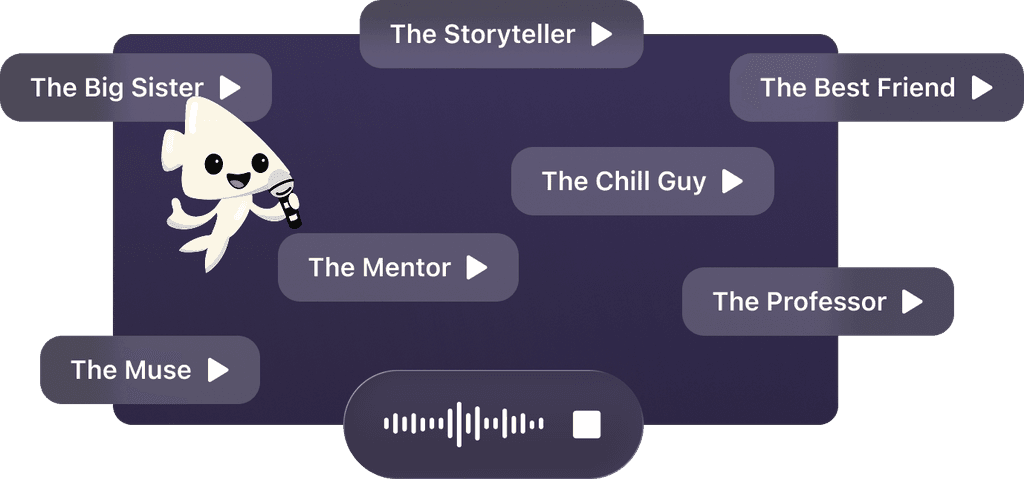
Feel the book through the author's voice
Turn knowledge into engaging, example-rich insights
Capture key ideas in a flash for fast learning
Enjoy the book in a fun and engaging way
Characters in Search
- Bruce FeilerAuthor and creator of the Work Story Project
- Brijette PenaFounder of San Diego Seed Company
- Troy TaylorFormer corporate executive turned gallery owner
- Meroe ParkFormer acting CIA director and management expert
- Trevor BoffoneTeacher who found viral success on TikTok
Key Themes in Search
- career transitions
- meaningful work
- workquake navigation
- non-linear success
- occupational purpose
Quotes from Search
Forget the ladder; embrace the smorgasbord.
sometimes the dreams that come true are even better than the ones that don't.
Explore Your Way of Learning
 Quick Summary Mode
Read or listen to Search Summary in 10 Minutes
Break down key ideas from Search into bite-sized takeaways to understand how innovative teams create, collaborate, and grow.

 Fun Mode
Search Lessons Told Through 19-Min Stories
Experience Search through vivid storytelling that turns innovation lessons into moments you'll remember and apply.
 Personalize Mode
Experience Search in your own learning style
Ask anything, choose your learning style, and co-create insights that truly resonate with you.
From Columbia University alumni built in San Francisco
"Instead of endless scrolling, I just hit play on BeFreed. It saves me so much time."


"I never knew where to start with nonfiction—BeFreed’s book lists turned into podcasts gave me a clear path."


"Perfect balance between learning and entertainment. Finished ‘Thinking, Fast and Slow’ on my commute this week."
"Crazy how much I learned while walking the dog. BeFreed = small habits → big gains."
"Reading used to feel like a chore. Now it’s just part of my lifestyle."

"Feels effortless compared to reading. I’ve finished 6 books this month already."
"BeFreed turned my guilty doomscrolling into something that feels productive and inspiring."

"BeFreed turned my commute into learning time. 20-min podcasts are perfect for finishing books I never had time for."
"BeFreed replaced my podcast queue. Imagine Spotify for books — that’s it. 🙌"

"It is great for me to learn something from the book without reading it."
"The themed book list podcasts help me connect ideas across authors—like a guided audio journey."
"Makes me feel smarter every time before going to work"
From Columbia University alumni built in San Francisco
"Instead of endless scrolling, I just hit play on BeFreed. It saves me so much time."
"I never knew where to start with nonfiction—BeFreed’s book lists turned into podcasts gave me a clear path."
"Perfect balance between learning and entertainment. Finished ‘Thinking, Fast and Slow’ on my commute this week."
"Crazy how much I learned while walking the dog. BeFreed = small habits → big gains."
"Reading used to feel like a chore. Now it’s just part of my lifestyle."
"Feels effortless compared to reading. I’ve finished 6 books this month already."
"BeFreed turned my guilty doomscrolling into something that feels productive and inspiring."
"BeFreed turned my commute into learning time. 20-min podcasts are perfect for finishing books I never had time for."
"BeFreed replaced my podcast queue. Imagine Spotify for books — that’s it. 🙌"
"It is great for me to learn something from the book without reading it."
"The themed book list podcasts help me connect ideas across authors—like a guided audio journey."
"Makes me feel smarter every time before going to work"
"Instead of endless scrolling, I just hit play on BeFreed. It saves me so much time."
"I never knew where to start with nonfiction—BeFreed’s book lists turned into podcasts gave me a clear path."
"Perfect balance between learning and entertainment. Finished ‘Thinking, Fast and Slow’ on my commute this week."
"Crazy how much I learned while walking the dog. BeFreed = small habits → big gains."
"Reading used to feel like a chore. Now it’s just part of my lifestyle."
"Feels effortless compared to reading. I’ve finished 6 books this month already."
"BeFreed turned my guilty doomscrolling into something that feels productive and inspiring."
"BeFreed turned my commute into learning time. 20-min podcasts are perfect for finishing books I never had time for."
"BeFreed replaced my podcast queue. Imagine Spotify for books — that’s it. 🙌"
"It is great for me to learn something from the book without reading it."
"The themed book list podcasts help me connect ideas across authors—like a guided audio journey."
"Makes me feel smarter every time before going to work"
"Instead of endless scrolling, I just hit play on BeFreed. It saves me so much time."
"I never knew where to start with nonfiction—BeFreed’s book lists turned into podcasts gave me a clear path."
"Perfect balance between learning and entertainment. Finished ‘Thinking, Fast and Slow’ on my commute this week."
"Crazy how much I learned while walking the dog. BeFreed = small habits → big gains."
"Reading used to feel like a chore. Now it’s just part of my lifestyle."
"Feels effortless compared to reading. I’ve finished 6 books this month already."
"BeFreed turned my guilty doomscrolling into something that feels productive and inspiring."
"BeFreed turned my commute into learning time. 20-min podcasts are perfect for finishing books I never had time for."
"BeFreed replaced my podcast queue. Imagine Spotify for books — that’s it. 🙌"
"It is great for me to learn something from the book without reading it."
"The themed book list podcasts help me connect ideas across authors—like a guided audio journey."
"Makes me feel smarter every time before going to work"

Download Summary of Search
Get the Search summary as a free PDF or EPUB. Print it or read offline anytime.


