Retiring a Decade Early: The Math of Freedom
Stuck on the age sixty-five treadmill? Learn how to reverse-engineer your savings and bridge the healthcare gap to reclaim ten years of your life.

Лучшая цитата из Retiring a Decade Early: The Math of Freedom
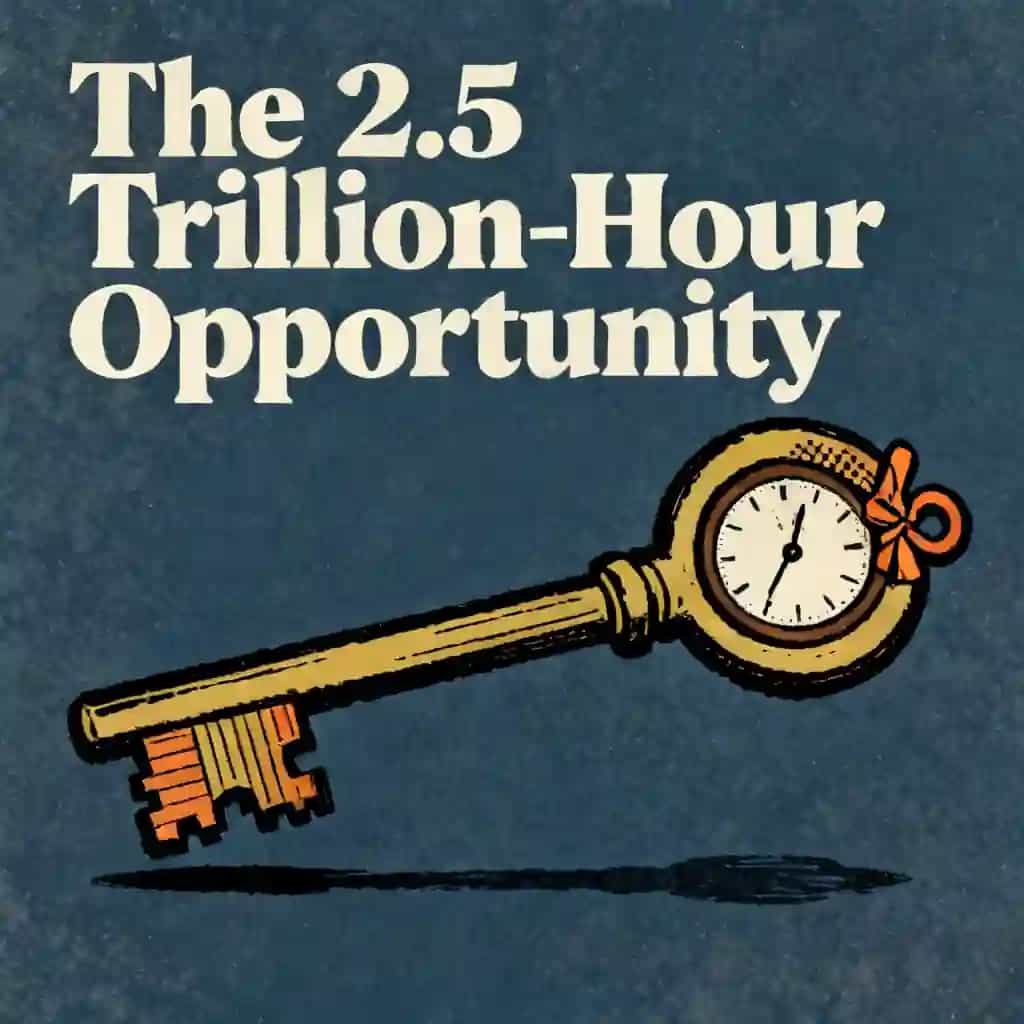
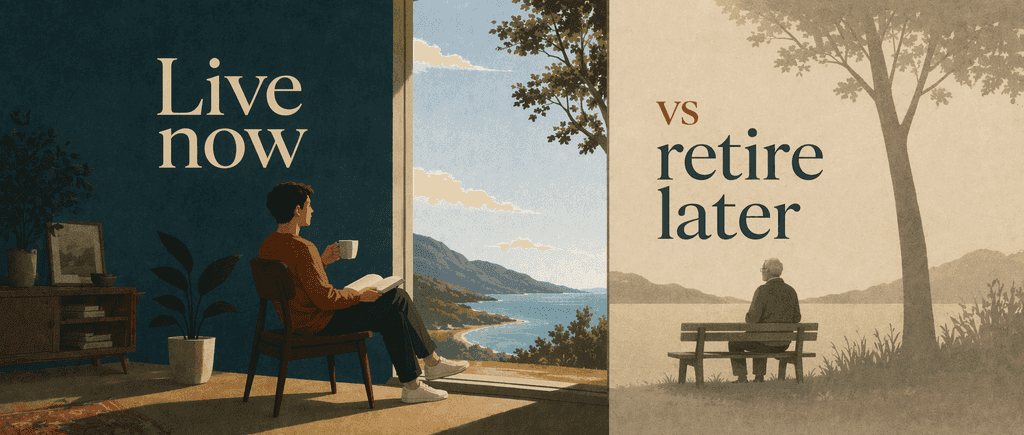
Retiring ten years early isn't a dream—it's a series of deliberate, calculated decisions where you move from a 10% savings rate to a 25-30% sweet spot to buy your life back.
Generated with BeFreed
How to Retire a Decade Early






Часто задаваемые вопросы
To retire ten years early at age fifty-five, the traditional 4% withdrawal rule is often considered too risky because your money needs to last for forty years instead of thirty. Instead, many planners recommend using a 3.5% withdrawal rate. To find your target number, take your desired annual retirement spending and divide it by 0.035. For example, if you want to spend $100,000 per year, you would need a portfolio of approximately $2.85 million.
The healthcare cliff refers to the income threshold for Affordable Care Act (ACA) subsidies. If your Modified Adjusted Gross Income (MAGI) exceeds a specific limit—projected to be around $84,600 for a two-person household in 2026—you lose all government subsidies for health insurance. This can result in a massive spike in costs; for instance, earning just a few hundred dollars over the limit could cost a couple tens of thousands of dollars in lost subsidies annually. Early retirees must carefully manage their reported income from capital gains, dividends, and Roth conversions to stay below this cliff.
Standard retirement accounts like 401(k)s and IRAs typically carry a 10% penalty for withdrawals made before age 59.5. To bridge this gap, early retirees should build a "gap fund" in a taxable brokerage account, which allows for penalty-free access at any age. Other strategies include the "Rule of 55," which may allow access to a current employer's 401(k) if you leave the company in the year you turn 55, or setting up a Roth conversion ladder, which allows you to access converted principal penalty-free after a five-year waiting period.
A moat is a buffer of five to eight years' worth of living expenses held in stable assets like bonds, CDs, or cash. This strategy protects you against "sequence of returns risk," which is the danger of a market crash occurring right at the beginning of your retirement. By having a moat, you can live off your stable cash reserves during a market downturn instead of being forced to sell stocks at a loss to pay for your expenses, giving your growth investments time to recover.
Lifestyle design involves intentionally reducing your annual expenses to lower your total retirement target. Because your "Early Retirement Number" is a multiple of your spending, every dollar you cut from your annual budget significantly reduces the total amount you need to save. Strategies like moving to a lower-cost area or generating a small amount of "active-passive" income can drastically change the math; for example, earning just $2,000 a month through a side project could potentially reduce the required portfolio size by hundreds of thousands of dollars.
Создано выпускниками Колумбийского университета в Сан-Франциско
"Instead of endless scrolling, I just hit play on BeFreed. It saves me so much time."


"I never knew where to start with nonfiction—BeFreed’s book lists turned into podcasts gave me a clear path."


"Perfect balance between learning and entertainment. Finished ‘Thinking, Fast and Slow’ on my commute this week."
"Crazy how much I learned while walking the dog. BeFreed = small habits → big gains."
"Reading used to feel like a chore. Now it’s just part of my lifestyle."

"Feels effortless compared to reading. I’ve finished 6 books this month already."
"BeFreed turned my guilty doomscrolling into something that feels productive and inspiring."

"BeFreed turned my commute into learning time. 20-min podcasts are perfect for finishing books I never had time for."
"BeFreed replaced my podcast queue. Imagine Spotify for books — that’s it. 🙌"

"It is great for me to learn something from the book without reading it."
"The themed book list podcasts help me connect ideas across authors—like a guided audio journey."
"Makes me feel smarter every time before going to work"
Создано выпускниками Колумбийского университета в Сан-Франциско
"Instead of endless scrolling, I just hit play on BeFreed. It saves me so much time."
"I never knew where to start with nonfiction—BeFreed’s book lists turned into podcasts gave me a clear path."
"Perfect balance between learning and entertainment. Finished ‘Thinking, Fast and Slow’ on my commute this week."
"Crazy how much I learned while walking the dog. BeFreed = small habits → big gains."
"Reading used to feel like a chore. Now it’s just part of my lifestyle."
"Feels effortless compared to reading. I’ve finished 6 books this month already."
"BeFreed turned my guilty doomscrolling into something that feels productive and inspiring."
"BeFreed turned my commute into learning time. 20-min podcasts are perfect for finishing books I never had time for."
"BeFreed replaced my podcast queue. Imagine Spotify for books — that’s it. 🙌"
"It is great for me to learn something from the book without reading it."
"The themed book list podcasts help me connect ideas across authors—like a guided audio journey."
"Makes me feel smarter every time before going to work"
"Instead of endless scrolling, I just hit play on BeFreed. It saves me so much time."
"I never knew where to start with nonfiction—BeFreed’s book lists turned into podcasts gave me a clear path."
"Perfect balance between learning and entertainment. Finished ‘Thinking, Fast and Slow’ on my commute this week."
"Crazy how much I learned while walking the dog. BeFreed = small habits → big gains."
"Reading used to feel like a chore. Now it’s just part of my lifestyle."
"Feels effortless compared to reading. I’ve finished 6 books this month already."
"BeFreed turned my guilty doomscrolling into something that feels productive and inspiring."
"BeFreed turned my commute into learning time. 20-min podcasts are perfect for finishing books I never had time for."
"BeFreed replaced my podcast queue. Imagine Spotify for books — that’s it. 🙌"
"It is great for me to learn something from the book without reading it."
"The themed book list podcasts help me connect ideas across authors—like a guided audio journey."
"Makes me feel smarter every time before going to work"
"Instead of endless scrolling, I just hit play on BeFreed. It saves me so much time."
"I never knew where to start with nonfiction—BeFreed’s book lists turned into podcasts gave me a clear path."
"Perfect balance between learning and entertainment. Finished ‘Thinking, Fast and Slow’ on my commute this week."
"Crazy how much I learned while walking the dog. BeFreed = small habits → big gains."
"Reading used to feel like a chore. Now it’s just part of my lifestyle."
"Feels effortless compared to reading. I’ve finished 6 books this month already."
"BeFreed turned my guilty doomscrolling into something that feels productive and inspiring."
"BeFreed turned my commute into learning time. 20-min podcasts are perfect for finishing books I never had time for."
"BeFreed replaced my podcast queue. Imagine Spotify for books — that’s it. 🙌"
"It is great for me to learn something from the book without reading it."
"The themed book list podcasts help me connect ideas across authors—like a guided audio journey."
"Makes me feel smarter every time before going to work"