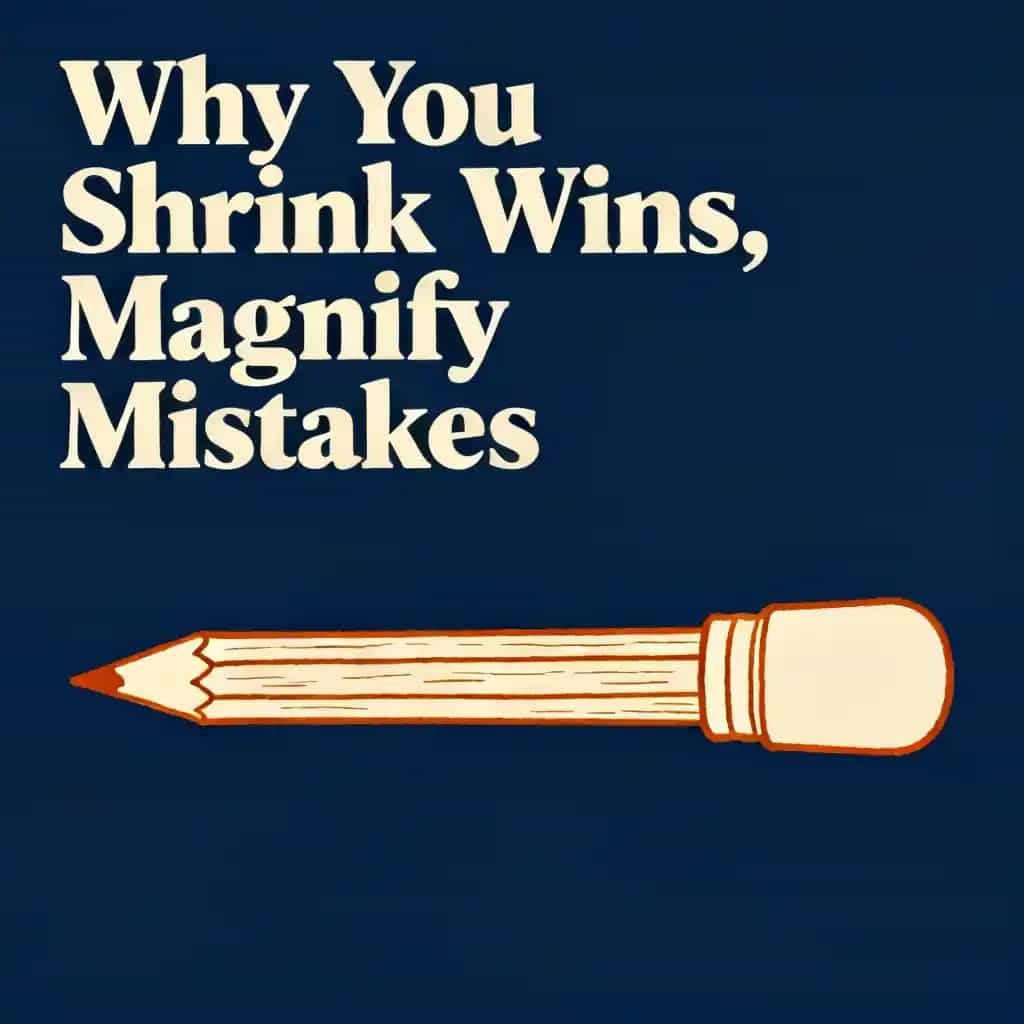
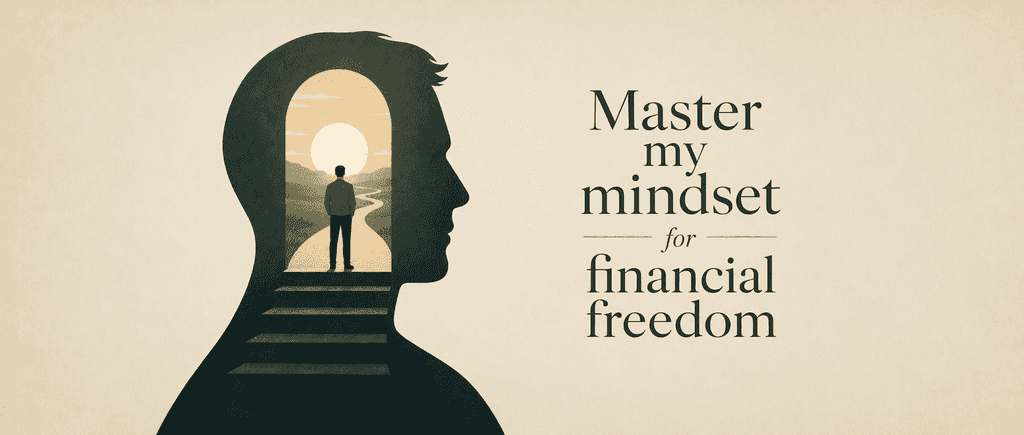
Overcoming imposter syndrome and owning your new paycheck
Feeling like a fraud in your new role? Learn how to quiet self-doubt, navigate the learning curve, and turn financial management into an act of self-care.

Лучшая цитата из Overcoming imposter syndrome and owning your new paycheck
Confidence isn't the absence of mistakes; it's the belief that you can handle them. Whether it’s a typo in a report or a late fee on a bill, you have the agency to fix it and move forward.
Generated by Lani
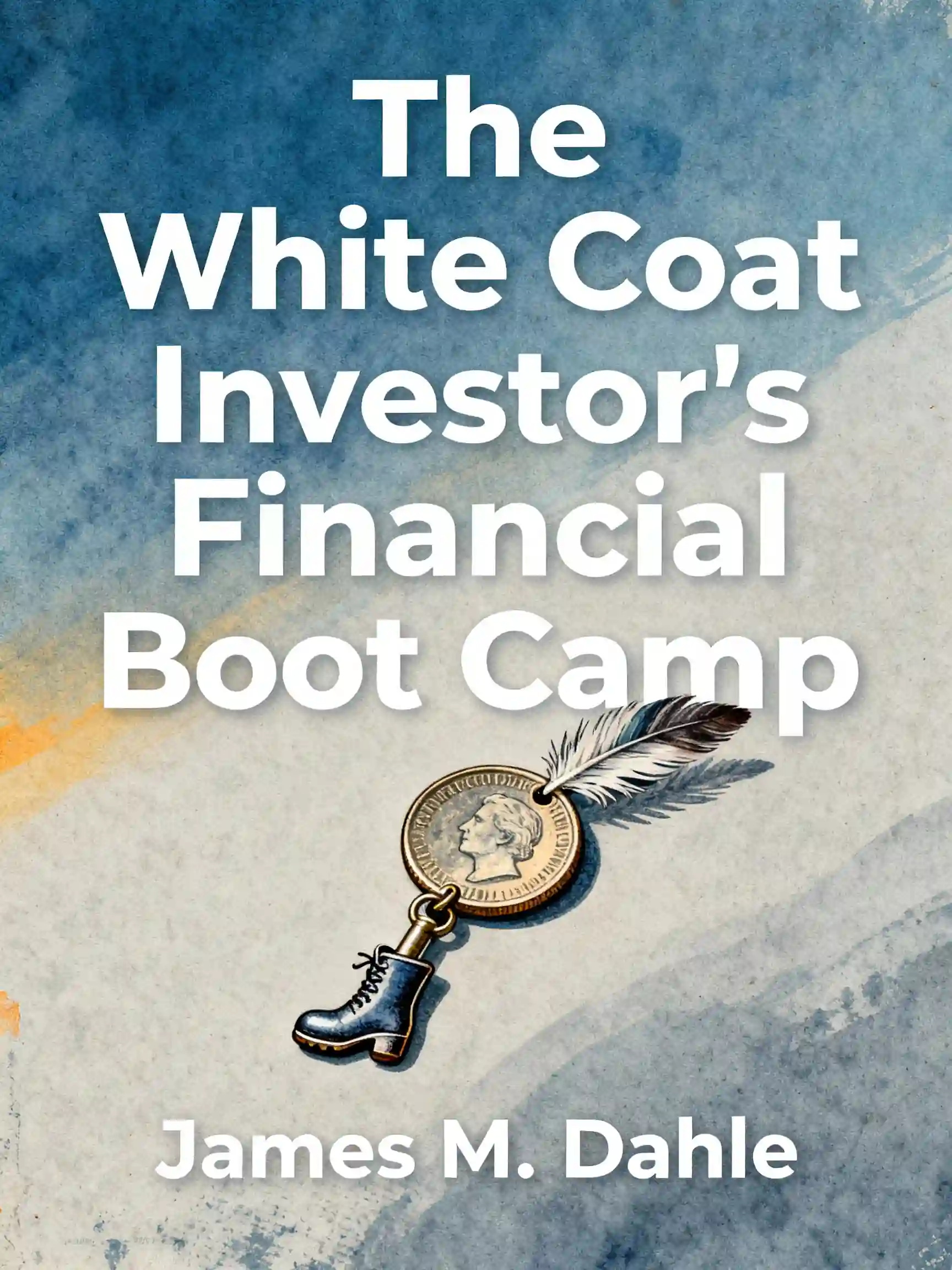
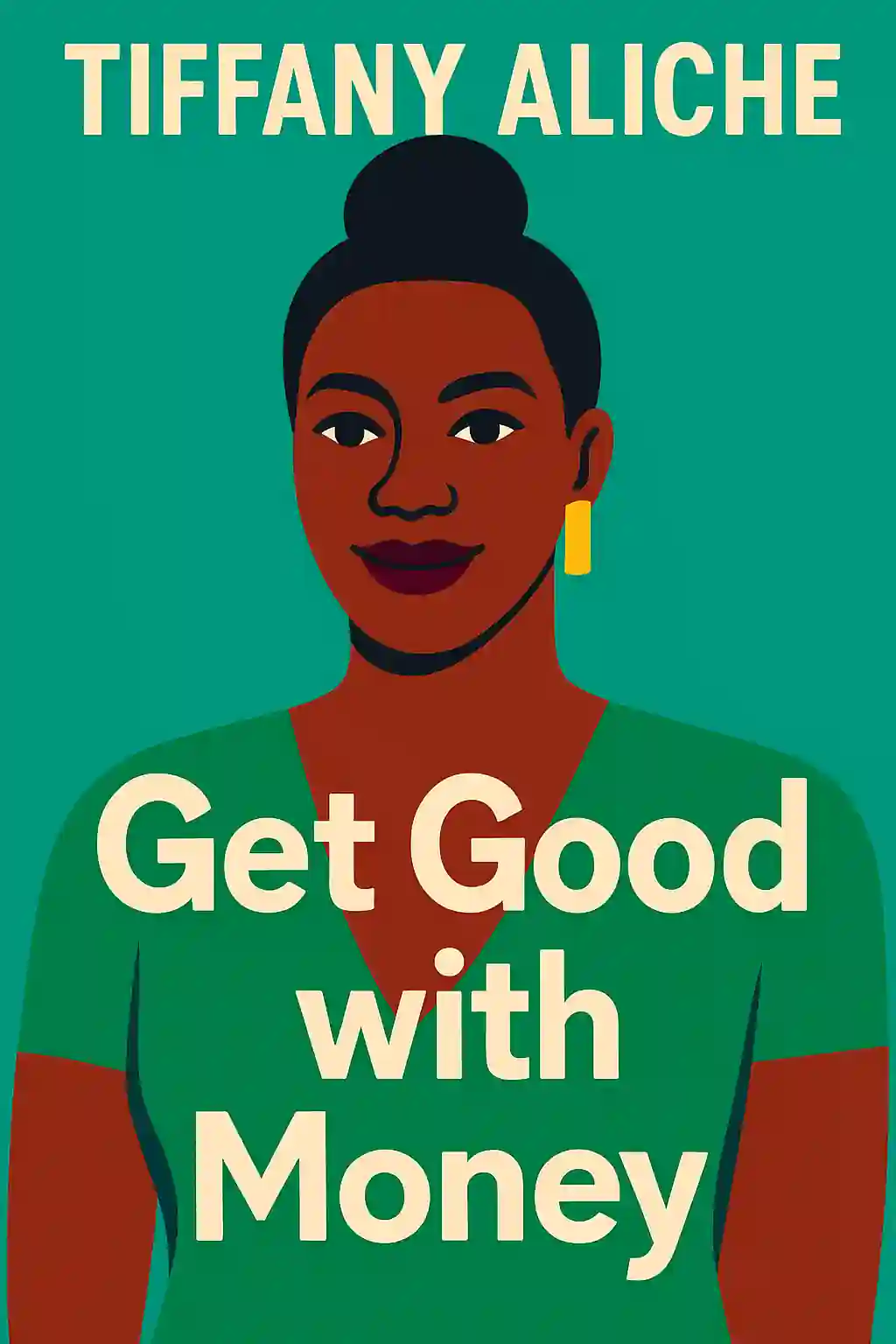
I want to learn how to manage my money better. I also want to get over my imposter syndrome with my new job and believe I can do well

Часто задаваемые вопросы
The 90-day frame is a psychological strategy where you mentally designate your first three months in a new role as a "Learning Zone." Instead of pressuring yourself to perform like an expert from day one, you give yourself permission to be a beginner whose primary job is to be a "sponge" and collect data. This approach normalizes the discomfort of the learning curve and reframes mistakes as expected parts of the transition rather than evidence of incompetence or fraud.
The script explains that imposter syndrome often strikes high achievers during a "season of firsts" because they mistake the natural discomfort of being a beginner for a lack of ability. To separate feelings from facts, you should look for "attribution errors," where you credit your successes to luck but blame your struggles on internal flaws. By maintaining an "evidence file" or "wins folder" of specific accomplishments and positive feedback, you can objectively prove to your inner critic that your seat at the table was earned through skill rather than chance.
Learned helplessness occurs when you believe your actions don't influence outcomes, often categorized by three mental traps: Permanence ("I’ll always be bad with money"), Personalization ("I’m flawed"), and Pervasiveness ("Since I messed up this budget, I’ll fail at my job too"). To break this cycle, the script suggests building "mastery experiences" through tiny, controllable micro-actions. For example, instead of overhauling your entire financial life, simply commit to tracking your spending for three days to prove to your brain that your actions do matter.
Financial self-efficacy is the belief in your own ability to manage money effectively, which research suggests is a stronger predictor of well-being than technical knowledge alone. While you might understand financial terms, you won't take action—like investing or saving—unless you believe you can successfully apply that knowledge. Building this confidence through small, consistent goals creates a feedback loop: achieving a small goal increases your confidence, which makes you more likely to set and achieve larger goals in the future.
Perfectionism sets impossible standards where anything less than a flawless performance is viewed as a total failure. This mindset often leads to "The Soloist" trap, where asking for help is seen as a weakness, or "The Natural Genius" trap, where having to work hard is misinterpreted as a lack of talent. The script recommends reframing mistakes as "data" rather than "evidence" of failure and practicing "good enough" for low-stakes tasks to protect your time and sanity for more important goals.
Создано выпускниками Колумбийского университета в Сан-Франциско
"Instead of endless scrolling, I just hit play on BeFreed. It saves me so much time."


"I never knew where to start with nonfiction—BeFreed’s book lists turned into podcasts gave me a clear path."


"Perfect balance between learning and entertainment. Finished ‘Thinking, Fast and Slow’ on my commute this week."
"Crazy how much I learned while walking the dog. BeFreed = small habits → big gains."
"Reading used to feel like a chore. Now it’s just part of my lifestyle."

"Feels effortless compared to reading. I’ve finished 6 books this month already."
"BeFreed turned my guilty doomscrolling into something that feels productive and inspiring."

"BeFreed turned my commute into learning time. 20-min podcasts are perfect for finishing books I never had time for."
"BeFreed replaced my podcast queue. Imagine Spotify for books — that’s it. 🙌"

"It is great for me to learn something from the book without reading it."
"The themed book list podcasts help me connect ideas across authors—like a guided audio journey."
"Makes me feel smarter every time before going to work"
 Ask ChatGPT
 Ask Claude
Создано выпускниками Колумбийского университета в Сан-Франциско
"Instead of endless scrolling, I just hit play on BeFreed. It saves me so much time."
"I never knew where to start with nonfiction—BeFreed’s book lists turned into podcasts gave me a clear path."
"Perfect balance between learning and entertainment. Finished ‘Thinking, Fast and Slow’ on my commute this week."
"Crazy how much I learned while walking the dog. BeFreed = small habits → big gains."
"Reading used to feel like a chore. Now it’s just part of my lifestyle."
"Feels effortless compared to reading. I’ve finished 6 books this month already."
"BeFreed turned my guilty doomscrolling into something that feels productive and inspiring."
"BeFreed turned my commute into learning time. 20-min podcasts are perfect for finishing books I never had time for."
"BeFreed replaced my podcast queue. Imagine Spotify for books — that’s it. 🙌"
"It is great for me to learn something from the book without reading it."
"The themed book list podcasts help me connect ideas across authors—like a guided audio journey."
"Makes me feel smarter every time before going to work"
"Instead of endless scrolling, I just hit play on BeFreed. It saves me so much time."
"I never knew where to start with nonfiction—BeFreed’s book lists turned into podcasts gave me a clear path."
"Perfect balance between learning and entertainment. Finished ‘Thinking, Fast and Slow’ on my commute this week."
"Crazy how much I learned while walking the dog. BeFreed = small habits → big gains."
"Reading used to feel like a chore. Now it’s just part of my lifestyle."
"Feels effortless compared to reading. I’ve finished 6 books this month already."
"BeFreed turned my guilty doomscrolling into something that feels productive and inspiring."
"BeFreed turned my commute into learning time. 20-min podcasts are perfect for finishing books I never had time for."
"BeFreed replaced my podcast queue. Imagine Spotify for books — that’s it. 🙌"
"It is great for me to learn something from the book without reading it."
"The themed book list podcasts help me connect ideas across authors—like a guided audio journey."
"Makes me feel smarter every time before going to work"
"Instead of endless scrolling, I just hit play on BeFreed. It saves me so much time."
"I never knew where to start with nonfiction—BeFreed’s book lists turned into podcasts gave me a clear path."
"Perfect balance between learning and entertainment. Finished ‘Thinking, Fast and Slow’ on my commute this week."
"Crazy how much I learned while walking the dog. BeFreed = small habits → big gains."
"Reading used to feel like a chore. Now it’s just part of my lifestyle."
"Feels effortless compared to reading. I’ve finished 6 books this month already."
"BeFreed turned my guilty doomscrolling into something that feels productive and inspiring."
"BeFreed turned my commute into learning time. 20-min podcasts are perfect for finishing books I never had time for."
"BeFreed replaced my podcast queue. Imagine Spotify for books — that’s it. 🙌"
"It is great for me to learn something from the book without reading it."
"The themed book list podcasts help me connect ideas across authors—like a guided audio journey."
"Makes me feel smarter every time before going to work"