Глава 1
Financial Awakening in the Heart of Lagos
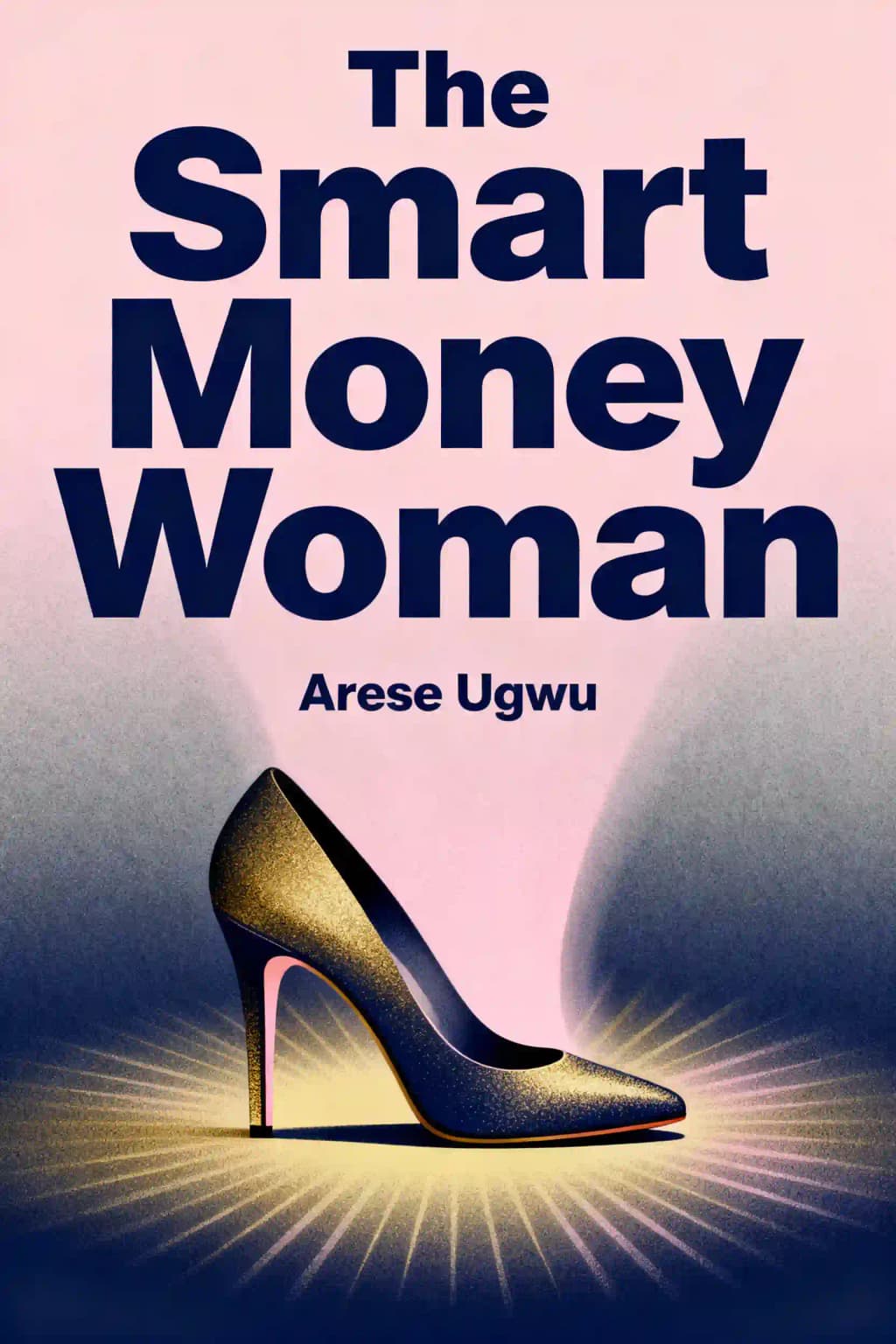
The Smart Money Woman isn't just another personal finance book-it's a cultural phenomenon that has transformed how African women think about money. Through the compelling story of Zuri and her friends navigating financial challenges in Lagos, Arese Ugwu delivers practical financial wisdom wrapped in an engaging narrative that feels like catching up with your girlfriends. Since its publication, the book has sparked a financial literacy movement across Africa, inspiring a hit Netflix series and becoming required reading in several Nigerian universities. Beyonce even included it on her recommended reading list for young entrepreneurs! What makes this book revolutionary is how it breaks the taboo around women discussing money openly, particularly in African societies where financial conversations have traditionally been considered the domain of men. Ugwu's approach of blending relatable fiction with practical financial advice has created a blueprint for a new generation of financially empowered African women.
Глава 2
The Harsh Reality of Being "Broke" Despite a Good Income
Zuri's story begins with a moment many professionals know too well-staring at her bank balance in disbelief. Despite earning an impressive 600,000 naira monthly as a senior manager at Richmond Developments, she finds herself completely broke mid-month with mounting expenses: a stranded car requiring 200,000 naira in repairs, 430,000 naira in overdue service charges threatening her utilities, and newly diagnosed fibroids requiring a 950,000 naira procedure her insurance won't cover.
The disconnect between Zuri's income and her financial reality represents a common paradox. She lives in an upmarket Lekki apartment, drives a Mercedes, and takes yearly international trips, yet has no assets or savings to fall back on. Her lifestyle, while impressive on Instagram, has left her financially vulnerable.
This scenario illustrates a critical distinction that many miss: being "broke" isn't about how much you earn, but rather about lacking assets that could sustain you if your income stopped tomorrow. In Sub-Saharan Africa, less than one percent are born wealthy and under ten percent into the middle class. Without formal education in personal finance, even high earners often live paycheck to paycheck, spending everything they earn on maintaining appearances.
True wealth isn't measured by spending patterns but by how much you keep and convert into assets that generate future income. The fundamental difference between broke and wealthy people is understanding that wealth comes from transforming active income (salary or business profits) into passive income (dividends, rental income) that eventually exceeds your expenses. Financial freedom arrives when your assets, not your labor, fund your lifestyle.
What would happen if your income stopped today? Could your assets sustain you? For most people, the honest answer reveals why calculating your net worth-assets minus liabilities-is such a crucial first step. The number itself matters less than committing to grow it consistently over time.
Глава 3
Confronting Money Fears and Financial Denial
Fear dominates many women's relationship with money-fear of not having enough, not measuring up to others' lifestyles, failing in business, or losing financial independence. These fears can paralyze us, causing avoidance rather than action. Zuri exemplifies this when she dodges her landlord Mr. Okeke's calls, cancels doctor appointments for her fibroids, and fumbles through work presentations because her financial anxiety has become all-consuming.
The turning point comes when Mr. Okeke corners her at her apartment, publicly berating her for avoiding him and threatening to cut off her utilities. When he insinuates she's sleeping with men for money, Zuri finally stands up for herself, promising to pay half when her salary arrives and the remainder soon after. This confrontation forces her to face what she's been avoiding.
What you deny, you delay; what you face, you conquer. The difference between financially successful people and average ones isn't the absence of fear, but refusing to let fear stop them from achieving their goals. Zuri's friends reveal different money fears during their dinner conversation: Adesuwa fears her husband's control over her finances, Tami fears financial independence, Ladun fears losing her privileged lifestyle, and Lara fears failing her family who depends on her income.
Conquering money fears requires three steps: First, identify your specific money fears by writing them down. Second, trace each fear to its root cause-is it unsustainable spending habits, lack of financial education, or perhaps money beliefs inherited from your family? Finally, create a detailed plan to counter each fear. Having a concrete strategy builds confidence and conquers uncertainty.
Imagine waking up tomorrow with no financial fears-how would your decisions change? What opportunities would you pursue? This vision of freedom is what drives the journey from financial anxiety to financial confidence.
Глава 4
Tracking Expenses: Becoming the CFO of Your Life
Zuri's financial awakening begins when she dedicates a Saturday to sorting through months of unopened bank statements, categorizing her spending with colored highlights. The uncomfortable truth emerges: despite earning 600,000 naira monthly, she's been spending mindlessly-2.5 million annually for rent in Lekki Phase I, 2 million for utilities, nearly 800,000 for transportation, and staggering amounts on her wardrobe including over 1 million on designer shoes alone, 1.2 million on aso-ebi outfits for weddings, and 1.8 million on Nigerian designer clothes.
This exercise reveals the first principle of financial transformation: you must become the CFO of your personal life. Most Nigerian women don't know where their money goes-what percentage to food, transportation, or clothes. Without tracking expenses, we develop unconscious spending habits that may not align with our values. Money that isn't treated with respect will leave with no respect.
Six weeks into her "spending diet," Zuri has managed to save 210,000 naira by tracking every expense in a notebook and cutting spending by 35%. Though the frugal lifestyle feels exhausting-no trips to Zazaii for Nigerian designer clothes, no cocktails at RSVP with friends-she's making progress by hosting dinner at home instead of going out.
The key isn't deprivation but intentional allocation-spending with purpose by directing resources toward the lifestyle you want and can sustainably afford. To track your spending effectively: write down everything you spent last month; review bank statements from the past year; separate wants from needs; identify three to five significant expenses to cut; and spend on things you love while ruthlessly cutting expenses on things that don't matter to you.
This process often reveals surprising patterns. For Zuri's friends, different spending priorities emerge-Ladun's designer bags, Tami's bridesmaid expenses, and Adesuwa's shocking confession that most of her money goes to her husband Soji and his family, leaving her overwhelmed with financial anxiety and no savings.
What would your spending analysis reveal? Would your expenses align with your stated priorities and values? The disconnect between what we say matters and where our money actually goes often provides the wake-up call needed for financial change.
Глава 5
Debt Management: Borrowing Strategically, Not Desperately
At Banke's son's lavish first birthday party, Zuri overhears gossip about the hosts' mounting debts despite their extravagant lifestyle-allegedly owing vendors and Nigerian designers millions of naira. This prompts her to reflect on her own debt situation and create a comprehensive plan to address it.
Debt can be either a powerful tool or a devastating trap, depending on how it's used. Wealthy people leverage debt for investments that grow their cash flow, while others often use debt to purchase depreciating items. The key distinction is borrowing only to acquire assets that will appreciate in value, rather than going into debt for things your income cannot support.
Zuri's approach to tackling her 1.12 million naira debt offers a practical template: First, she lists all debts, creating a complete picture of what she owes. Second, she prioritizes them with her landlord at the top. Third, she schedules realistic repayment timelines. Fourth, she makes difficult decisions including selling her designer bags and car to generate funds. Finally, she follows up on her medical situation, learning her fibroids aren't aggressive and she has time to consider treatment options.
This methodical approach contrasts sharply with how many people handle debt-avoiding it until crisis forces action, making minimum payments without a strategy, or taking on new debt to pay old obligations. Effective debt management requires understanding the full scope of what you owe, creating a prioritized repayment plan, setting realistic deadlines, determining specific strategies to raise money for repayment, and identifying the triggers that led to debt in the first place.
Perhaps most importantly, we must recognize the emotional aspects of debt-the shame, anxiety, and avoidance that often accompany financial obligations. By bringing debt into the light, examining it objectively, and creating a systematic plan to address it, we transform it from an overwhelming burden to a manageable challenge.
Consider your own relationship with debt-is it a tool you use strategically for wealth-building, or has it become a source of stress and limitation? The difference often lies not in the amount owed but in having a clear plan for repayment and a commitment to borrowing only for assets that appreciate.
Глава 6
Building Financial Security Through Emergency Planning
When Zuri receives an early morning call about her mother's house catching fire, the crisis highlights a universal truth: emergencies happen to everyone, regardless of planning. While her mother thankfully survives with minor smoke inhalation, the incident forces Zuri to confront her lack of financial preparation for unexpected events.
We need to plan for emergencies rather than simply hoping bad things won't happen to us. A smart woman systematically builds an emergency fund as the foundation of her financial journey, saving six to nine months of living expenses to serve as a financial safety net. This fund isn't meant to generate significant returns but rather to protect long-term investments from unexpected short-term expenses.
Creating an emergency fund begins with calculating your monthly living expenses and multiplying by six or nine to determine your target amount. Define emergencies strictly-car repairs qualify; shopping sprees don't. Use unexpected windfalls like bonuses or gifts to boost your fund. Don't invest these funds in risky assets like stocks; instead, prioritize liquidity and safety over returns by choosing high-interest savings or money market accounts that preserve capital while offering reasonable returns.
The emergency fund serves multiple purposes beyond covering unexpected expenses. It provides psychological security, knowing you can handle financial surprises without derailing your long-term plans. It prevents the need to liquidate investments at inopportune times, potentially locking in losses. And it eliminates the need to rely on high-interest debt during crises, saving money in the long run.
For Zuri, her mother's house fire represents exactly the kind of unexpected event that emergency funds are designed to address. Without savings, such events often trigger a cascade of financial problems-high-interest loans, missed payments on other obligations, and increased stress that affects work performance and health.
What would happen if you faced a major car repair, medical emergency, or sudden job loss tomorrow? Would you have the resources to handle it without disrupting your entire financial life? Building an emergency fund is the first step toward answering "yes" to these questions.
Глава 7
Setting Clear Financial Goals and Vision
When Tsola asks Zuri the deceptively simple question "What do you want?", she struggles to articulate a clear answer. Like many people, she has vague desires for "more money" or "financial security" without specific, actionable goals. Tsola challenges her to start with three goals for the year, sharing that he personally sets three goals per quarter for himself and his business.
The most successful people can clearly articulate what they want for their lives. Success is deeply rooted in having a solid plan tailored to your personal desires. Tsola's approach of breaking goals into manageable steps makes them less intimidating and more achievable. His unwavering confidence and ambitious mindset inspire Zuri to think bigger about her own potential.
Creating a vision for your financial future begins with writing a vision statement about the legacy you want to leave. What impact do you want to have? How do you want to be remembered? From this foundation, identify short-term goals (achievable within 12 months) with ten specific action steps needed to accomplish each one. Then map out long-term goals (beyond one year) with their corresponding action steps.
This process transforms vague wishes into concrete plans. Instead of saying "I want to be rich," you might specify "I want to purchase a two-bedroom investment property in Lekki Phase 2 within 18 months by saving 200,000 naira monthly and researching property values weekly." The specificity creates clarity and accountability.
Financial goals should align with your personal values and priorities. For some, financial freedom might mean traveling extensively; for others, it might mean providing educational opportunities for children or supporting extended family. There's no universal definition of financial success-only the one that matters to you.
What would your life look like if money were no object? What would you do differently? What impact would you make? These questions help clarify your true financial goals beyond the numbers themselves. Money is merely a tool for creating the life you want-but you must first define what that life looks like.
Глава 8
Creating a Sustainable Budget That Works
Lara challenges Zuri's budgeting struggles by sharing her simple three-account system for managing money: one for bills, one for long-term savings, and one for occasional treats. This practical approach highlights that a sustainable budget isn't about restriction but intentional allocation of resources according to your values.
Most people live paycheck to paycheck because they don't understand what their income can support. The smart money budget divides income into three parts: Long-term financial goals (minimum 20% for assets that provide income), Short-term financial goals (treats like luxury items), and Living expenses (rent, insurance, etc.).
Consider how this might work with different income levels. With Lara's 3,000,000 naira monthly income, she allocates 600,000 to long-term investments, 600,000 to short-term goals and treats, and 1,800,000 to living expenses. With Zuri's more modest 600,000 naira income, she might allocate 120,000 to investments, 120,000 to short-term goals, and 360,000 to living expenses. The percentages remain consistent regardless of income level.
To implement this system effectively, create separate accounts for different purposes: an emergency fund for unexpected expenses, a "turn up" account for guilt-free enjoyment, a rent account for systematic saving toward housing costs, an investment account to build wealth-generating assets, and a bills account for regular expenses like food and staff salaries. This organization prevents panic borrowing and ensures systematic wealth building while allowing for planned enjoyment.
The beauty of this approach is its flexibility and sustainability. Rather than creating a budget so restrictive you'll abandon it within weeks, this system acknowledges human nature-we need both security and pleasure. By allocating specific amounts to each category, you satisfy both needs without compromising your financial future.
What makes this approach different from conventional budgeting is its focus on allocation rather than restriction. Instead of saying "I can't afford that," you're saying "I choose to use my money for these priorities instead." This subtle shift transforms budgeting from a punitive exercise to an empowering one.
How might your financial life change if you implemented this system? What would you prioritize in your long-term investment category? What treats would you include in your short-term goals? The answers reveal not just your financial priorities but your values.
Глава 9
Leveraging Networks and Relationships for Financial Growth
Reluctantly attending the WIMBIZ conference at her boss's insistence, Zuri discovers the power of strategic networking when she meets Ijeoma, a successful entrepreneur who modernized traditional pap into packaged flavored products with national distribution. This chance encounter leads to introductions to other prominent businesswomen and valuable mentorship opportunities.
Your network directly impacts your wealth potential, especially in Nigeria's uneven playing field. While many from wealthy backgrounds fail to leverage their connections, others from humble beginnings create opportunities through the value they add. The key is building organic mentorships rather than transactional relationships.
At networking events, stand out by focusing on your "why" instead of rehearsed pitches about what you do. Rather than listing credentials, engage others with questions, find common interests, and naturally weave in your story. A compelling personal narrative ("I lost fifteen kilos with smoothies and started a business to help others") is more memorable than listing products or services.
Zuri's experience at the conference transforms her perspective on professional relationships. Initially skeptical, she becomes a "bona fide convert" as she experiences the electric energy of over a thousand professional women sharing knowledge across generations. Ijeoma's advice to "be memorable" when meeting potential mentors becomes a guiding principle for Zuri's networking approach.
To strengthen your network: Evaluate who's currently in your circle; strategically promote, demote, add and subtract people like a CEO would, focusing on value-adding relationships; identify professional organizations you belong to; assess your activity level in these groups, recognizing that membership alone isn't enough without adding value; and develop and perfect your authentic networking pitch through consistent practice.
The quality of your network determines your access to business opportunities, partnerships, and funding. As Zuri later reflects, "You are the average of the five people you spend the most time with." This applies not just to personal development but financial habits as well. When her friend group shifts from gossiping about wealthy men to discussing business opportunities and investment strategies, their collective financial trajectory improves.
Who are the five people you spend the most time with? How do they influence your financial decisions and ambitions? Building a network that supports your financial goals might be the single most important step toward achieving them.
Глава 10
Navigating Family Finances and Relationships
The painful lessons of Ladun's family crisis after her father's death and Adesuwa's discovery that her husband has emptied their joint account highlight the importance of financial transparency in relationships. In Africa, discussions about family finances, especially regarding death and assets, are often considered taboo. This avoidance leads to family disputes when tragedy strikes.
Women must start asking tough questions about life insurance, debt, deeds, and beneficiary designations. Even women without formal income need protection through proper estate planning. Zuri recalls the trauma following her father's death, when her uncles tried to seize property due to lack of a will-a common scenario that leaves widows and children vulnerable.
Money matters should be a critical part of pre-marital counseling. Couples often bring different money biases and expectations into relationships. One partner might believe "my money is mine, your money is ours" while the other expects equal contribution to household expenses. Understanding each other's money personalities-who saves and who spends-is essential.
Adesuwa's situation illustrates the dangers of financial dependence and lack of transparency. Despite earning well, she surrenders control of her finances to her husband Soji, who eventually takes all their money and abandons her with his debt. Her subsequent resilience in liquidating his failing ventures and restructuring loans demonstrates the importance of women taking charge of their financial situations, even after setbacks.
A practical assessment of family finances includes questions about assets, debt liability, estate planning, life insurance coverage, next of kin designations, each family member's financial responsibilities, and common financial goals and expectations. These conversations, while potentially uncomfortable, prevent the devastating surprises that Ladun and Adesuwa experience.
Keeping personal finances separate with a joint account for household expenses often works best to protect both parties. This arrangement allows for shared responsibility while maintaining individual financial autonomy-a balance that might have prevented Adesuwa's crisis.
How transparent are the financial arrangements in your family or relationship? Have you had explicit conversations about expectations, responsibilities, and contingency plans? These discussions, though difficult, build stronger financial foundations for families and prevent the crises that often follow major life events.
Глава 11
Building Wealth Through Strategic Investing
Meeting with investment banker Omosede marks Zuri's transition from managing money to growing it. Omosede explains that net worth, not income, is the true measure of wealth-it's about converting income into assets that provide future income. When Zuri expresses frustration about expensive assets like property, Omosede advises starting with baby steps in affordable areas with growth potential.
Investing might seem daunting, but it's a skill that develops over time. Understanding different asset classes is crucial. Stocks, despite their reputation for risk, can build wealth over time, especially for young investors. The Nigerian stock market offers opportunities in thoroughly vetted companies, and while volatile short-term, stocks historically rise long-term. With inflation at 15% in Nigeria, cash savings alone won't preserve wealth.
Real estate generally makes a solid long-term investment with reasonable cash flows and growth potential, though it comes with risks like potential value decreases and illiquidity. Mutual funds offer professionally managed portfolios accessible to small investors, while money market instruments like treasury bills provide safer short-term options.
Successful investing requires clear goals-whether saving for rent, a car, or retirement will determine your investment choices. Developing a written investment strategy helps avoid emotional decisions during market fluctuations. Understanding your risk profile is essential-conservative investors prioritize capital preservation, moderate investors accept controlled risk, while aggressive investors view risk as opportunity.
When selecting investment firms, be vigilant about advisors who might push products based on self-interest rather than your financial situation. Having clear investment goals protects you from being persuaded into unsuitable investments. Select firms with solid track records and advisors you can speak honestly with about your finances. Always ask questions about anything you don't understand-it's your money and your right.
Before investing, ask your advisor about their asset allocation strategy (what mix of stocks, bonds, real estate they'll use), risk levels (including potential loss of principal), expected returns (guaranteed or variable), liquidity (access to your money and potential penalties), and tenor (how long your money will be committed). These questions ensure you understand exactly what you're getting into before committing your funds.
Remember the cardinal rule: never invest in things you don't understand. Financial literacy isn't optional for investors-it's essential for protecting and growing your wealth.
Глава 12
Finding Purpose and Maximizing Earning Potential
Finding your purpose is essential to making more money. Your purpose sits at the intersection of your skill-set (what you're good at), passion (ideas that burn inside you), and earning potential (solving problems people will pay for). To determine if something is your purpose, ask: Is it impactful enough? Are you uniquely positioned to make it happen? Are you passionate enough about it?
The mechanism through which you primarily earn income significantly influences your wealth potential, determining how much you can invest elsewhere. While entrepreneurship is often glorified today, not everyone is suited to be their own boss. There are two ways to get stuck: in a 9-5 job you hate or in an entrepreneurial role you can't handle.
The narrative that entrepreneurship is the only path to success is misleading, as not everyone has the temperament for it. Instead of glamorizing either extreme, we should focus on encouraging people to be value-driven problem-solvers who find career paths that suit their skills and temperament.
Zuri exemplifies this by finding her purpose within her existing career, launching a new division at Richmond that now contributes to the company's bottom line. Despite initial challenges getting interior designers to join her platform, she creatively used social media to showcase success stories, leading to her promotion to junior vice president with a significant salary increase.
Her friends similarly evolve in their approaches to earning. Tami confesses her business has been running at a loss due to poor financial management but commits to improvement. Lara shares her success with passive income investments, while Adesuwa demonstrates remarkable resilience in rebuilding after her husband's betrayal.
The conversation among friends shifts from gossip about wealthy men to discussions of business opportunities and investment strategies-reflecting their collective growth from seeking financial security through relationships to creating it themselves through purpose-driven work and smart money management.
What lies at the intersection of your skills, passions, and market demand? How might identifying and pursuing your purpose increase not just your fulfillment but your earning potential? The answers to these questions often reveal the path to both financial and personal success.
Глава 13
Becoming a Smart Money Woman: The Journey to Financial Mastery
The Smart Money Woman represents the financial ideal we should all aspire to be. She combines the best qualities of respected African women: entrepreneurial like Ibukun Awosika, pioneering like Tara Fela Durotoye, fearless like Mo Abudu, committed to mentorship like Osayi Alile, culturally influential like Bolanle Austen-Peters, and financially astute like Nimi Akinkugbe.
Zuri's transformation exemplifies this journey. From being broke despite a good salary, she becomes financially confident-investing in stocks and land while spending intentionally rather than impulsively. She creates systems around her money that allow her to prioritize goals while living well. Though she occasionally battles imposter syndrome, Zuri now feels in control of her finances.
The Smart Money Woman has mastered making, keeping, and growing money while excelling in her craft. Rather than chasing trends, she's found her calling by matching passion with skill. Improving her net worth takes priority over upgrading her wardrobe, with luxury purchases serving as rewards for reaching financial goals rather than impulse buys. She finds equal joy in asset investment as in lifestyle spending, preferring sustainable prosperity over temporary extravagance.
This transformation isn't about deprivation but intentionality-understanding that every financial decision either moves you toward or away from your goals. It's about recognizing that true wealth comes from assets that generate income rather than possessions that create expenses. It's about building a life where money serves your values rather than dictating them.
The journey to becoming a Smart Money Woman begins with awareness, develops through education, and culminates in action. Zuri's story demonstrates that financial transformation is possible regardless of your starting point. By confronting money fears, tracking expenses, managing debt strategically, building emergency funds, setting clear goals, creating sustainable budgets, leveraging networks, addressing family finances transparently, investing wisely, and maximizing earning potential through purpose, anyone can achieve financial mastery.
Every woman reading this can create her own version of the Smart Money Woman-one intentional decision at a time. The question isn't whether you can transform your financial life, but whether you're willing to begin the journey today.