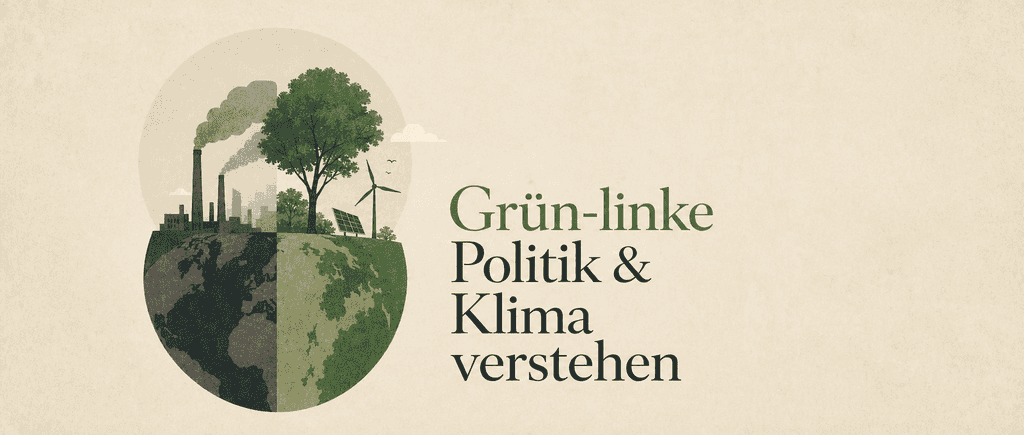
Обзор книги The Green Collar Economy
Van Jones' groundbreaking manifesto reveals how green jobs can simultaneously solve economic inequality and climate change. Endorsed by Robert F. Kennedy Jr., this visionary blueprint inspired the Green New Deal and launched Jones to Time Magazine's "Environmental Hero" status. Could environmental justice actually eliminate poverty?
- Green-collar jobs solve climate change and poverty through renewable industries
- Van Jones defines eco-apartheid as environmental inequality worsening racial and economic disparities
- Retrofit cities with solar panels and energy-efficient infrastructure to create millions of jobs
- Transition from fossil fuels to wind/solar energy while training marginalized workers as technicians
- Carbon pricing strategies unlock private-sector innovation for clean energy entrepreneurship and employment
- Green New Deal principles merge economic revival with climate action through federal investment
- Include former prisoners in green jobs to rebuild communities and reduce recidivism rates
- Van Jones’ “Green for All” demands equitable access to sustainable housing and transportation
- Abandon trickle-down environmentalism - prioritize solar training programs in underfunded urban schools
- Rebuild manufacturing hubs as clean energy plants to replace dying fossil fuel industries
- Combine union wages with green vocational training for family-sustaining career pathways
- Van Jones’ “second chance workforce” transforms environmental justice into economic redemption narratives
Об авторе книги The Green Collar Economy
Van Jones, New York Times bestselling author of The Green Collar Economy, is a Yale-educated civil rights attorney and environmental justice pioneer whose work redefined sustainable economic policy.
His groundbreaking book blends environmental advocacy with economic reform, proposing green jobs as a solution to both ecological and social inequality—a vision shaped by his role as President Obama’s Special Advisor for Green Jobs (2009) and his leadership of initiatives like Green For All.
Jones’s expertise extends to criminal justice reform through organizations he co-founded, including #cut50 and Color of Change, and his CNN platforms (The Van Jones Show, The Redemption Project). His follow-up works, Rebuild the Dream and Beyond the Messy Truth, further explore bipartisan solutions to societal divides.
Recognized among TIME’s 100 Most Influential People (2009) and Rolling Stone’s “12 Leaders Who Get Things Done” (2012), Jones’s Green Jobs Act of 2007 spurred $500 million in federal training programs. The Green Collar Economy remains a seminal text, cited in policy debates and academic curricula worldwide.
Часто задаваемые вопросы о The Green Collar Economy
What is The Green Collar Economy by Van Jones about?
The Green Collar Economy proposes a dual solution to climate change and economic inequality by transitioning to renewable energy and creating millions of green jobs. Van Jones argues that investing in solar, wind, and energy efficiency can uplift marginalized communities while reducing reliance on fossil fuels. The book emphasizes retrofitting infrastructure, prioritizing underserved populations for green employment, and aligning environmental goals with economic justice.
Who should read The Green Collar Economy?
Policymakers, environmental activists, and social justice advocates will find actionable strategies for equitable climate action. It’s also relevant for professionals in renewable energy, urban planning, or workforce development seeking to connect sustainability with economic inclusion. Students studying environmental policy or social entrepreneurship gain insights into systemic solutions for dual crises.
Is The Green Collar Economy worth reading in 2025?
Yes. Despite being published in 2008, its themes remain critical amid ongoing climate debates and clean energy transitions. The book’s focus on job creation through green infrastructure aligns with modern initiatives like the U.S. Inflation Reduction Act. Jones’ vision of a just transition offers a blueprint for addressing current inequality and environmental challenges.
What are the main ideas in The Green Collar Economy?
- Green-collar jobs: Family-sustaining roles in renewable energy, conservation, and retrofitting.
- Equitable solutions: Prioritizing marginalized groups for green employment opportunities.
- Systemic reinvestment: Redirecting subsidies from fossil fuels to clean energy startups.
- Community resilience: Using climate action to revitalize “thrown-away” neighborhoods.
How does Van Jones define a “green-collar job”?
Jones defines it as manual-labor or technical work that directly improves environmental outcomes, such as solar panel installation, energy auditing, or urban forestry. These roles prioritize living wages, career growth, and accessibility for formerly incarcerated individuals or low-income communities, bridging economic and ecological renewal.
What quotes from The Green Collar Economy are most impactful?
- “The green economy should be about reclaiming thrown-away communities”: Highlights tying environmental progress to social equity.
- “We need to gather up people and give them a second chance”: Advocates inclusive hiring in green sectors, particularly for marginalized groups.
How does The Green Collar Economy address climate justice?
The book links environmental policy to racial and economic fairness, arguing that low-income communities—often hardest hit by pollution—should lead the green transition. Jones critiques “eco-apartheid” and calls for targeted investments in clean energy projects within underserved areas to ensure equitable benefits.
What critiques exist about The Green Collar Economy?
Some argue the book underestimates political barriers to defunding fossil fuel subsidies or scaling green jobs. Others note its reliance on government-driven solutions, which may clash with free-market ideals. However, its core vision remains influential in shaping modern equitable climate policies.
How does The Green Collar Economy compare to other environmental books?
Unlike technical climate texts, Jones merges social justice with environmentalism, akin to Naomi Klein’s This Changes Everything. It diverges from purely economic focuses (e.g., Natural Capitalism) by centering marginalized voices and practical job creation.
Why is The Green Collar Economy relevant to clean energy careers today?
With global renewable energy investments exceeding $1.7 trillion annually, the book’s job-training frameworks help professionals navigate sectors like solar installation or grid modernization. Its emphasis on inclusive hiring also aligns with corporate DEI initiatives in green industries.
How does Van Jones’ background influence The Green Collar Economy?
As a civil rights attorney and Obama-era Green Jobs Advisor, Jones combines legal advocacy, policy experience, and grassroots activism. His work with organizations like Green For All underpins the book’s focus on merging environmentalism with economic opportunity for underserved groups.
What policies does The Green Collar Economy propose?
- Federal Green Jobs Act: Funding workforce programs for clean energy sectors.
- Community Benefit Agreements: Ensuring local hiring for green projects.
- Ending fossil fuel subsidies: Reallocating funds to solar, wind, and efficiency incentives.
Почувствуйте книгу через голос автора
Превратите знания в увлекательные, богатые примерами идеи
Захватите ключевые идеи мгновенно для быстрого обучения
Наслаждайтесь книгой в весёлой и увлекательной форме
Персонажи в The Green Collar Economy
- Van JonesAuthor, lawyer, and civil rights activist
- Rachel CarsonAuthor of Silent Spring and environmental pioneer
- John MuirPreservationist who viewed nature as divine
- Gifford PinchotPragmatic conservationist focused on resource use
Ключевые темы в The Green Collar Economy
- green job creation
- environmental justice
- sustainable economic development
- climate equity
- clean energy transition
Цитаты из The Green Collar Economy
The movement struggles when perceived as serving only affluent Americans.
The danger of eco-apartheid looms large.
America faces twin crises that threaten our very existence.
The richest 1% hold more wealth than the bottom 90% combined.
Исследуйте Свой Способ Обучения
 Режим Краткое резюме
Прочитайте или прослушайте краткое содержание The Green Collar Economy за 9 минут
Разбейте ключевые идеи The Green Collar Economy на понятные тезисы, чтобы понять, как инновационные команды создают, сотрудничают и растут.

 Режим Развлекательно
Уроки из The Green Collar Economy в 24-минутных историях
Погрузитесь в The Green Collar Economy через яркие истории, превращающие уроки инноваций в запоминающиеся и применимые моменты.
 Режим Персонализация
Изучайте The Green Collar Economy в своем собственном стиле обучения
Задавайте любые вопросы, выбирайте свой стиль обучения и создавайте идеи, которые действительно вам подходят.
Создано выпускниками Колумбийского университета в Сан-Франциско
"Instead of endless scrolling, I just hit play on BeFreed. It saves me so much time."


"I never knew where to start with nonfiction—BeFreed’s book lists turned into podcasts gave me a clear path."


"Perfect balance between learning and entertainment. Finished ‘Thinking, Fast and Slow’ on my commute this week."
"Crazy how much I learned while walking the dog. BeFreed = small habits → big gains."
"Reading used to feel like a chore. Now it’s just part of my lifestyle."

"Feels effortless compared to reading. I’ve finished 6 books this month already."
"BeFreed turned my guilty doomscrolling into something that feels productive and inspiring."

"BeFreed turned my commute into learning time. 20-min podcasts are perfect for finishing books I never had time for."
"BeFreed replaced my podcast queue. Imagine Spotify for books — that’s it. 🙌"

"It is great for me to learn something from the book without reading it."
"The themed book list podcasts help me connect ideas across authors—like a guided audio journey."
"Makes me feel smarter every time before going to work"
Создано выпускниками Колумбийского университета в Сан-Франциско
"Instead of endless scrolling, I just hit play on BeFreed. It saves me so much time."
"I never knew where to start with nonfiction—BeFreed’s book lists turned into podcasts gave me a clear path."
"Perfect balance between learning and entertainment. Finished ‘Thinking, Fast and Slow’ on my commute this week."
"Crazy how much I learned while walking the dog. BeFreed = small habits → big gains."
"Reading used to feel like a chore. Now it’s just part of my lifestyle."
"Feels effortless compared to reading. I’ve finished 6 books this month already."
"BeFreed turned my guilty doomscrolling into something that feels productive and inspiring."
"BeFreed turned my commute into learning time. 20-min podcasts are perfect for finishing books I never had time for."
"BeFreed replaced my podcast queue. Imagine Spotify for books — that’s it. 🙌"
"It is great for me to learn something from the book without reading it."
"The themed book list podcasts help me connect ideas across authors—like a guided audio journey."
"Makes me feel smarter every time before going to work"
"Instead of endless scrolling, I just hit play on BeFreed. It saves me so much time."
"I never knew where to start with nonfiction—BeFreed’s book lists turned into podcasts gave me a clear path."
"Perfect balance between learning and entertainment. Finished ‘Thinking, Fast and Slow’ on my commute this week."
"Crazy how much I learned while walking the dog. BeFreed = small habits → big gains."
"Reading used to feel like a chore. Now it’s just part of my lifestyle."
"Feels effortless compared to reading. I’ve finished 6 books this month already."
"BeFreed turned my guilty doomscrolling into something that feels productive and inspiring."
"BeFreed turned my commute into learning time. 20-min podcasts are perfect for finishing books I never had time for."
"BeFreed replaced my podcast queue. Imagine Spotify for books — that’s it. 🙌"
"It is great for me to learn something from the book without reading it."
"The themed book list podcasts help me connect ideas across authors—like a guided audio journey."
"Makes me feel smarter every time before going to work"
"Instead of endless scrolling, I just hit play on BeFreed. It saves me so much time."
"I never knew where to start with nonfiction—BeFreed’s book lists turned into podcasts gave me a clear path."
"Perfect balance between learning and entertainment. Finished ‘Thinking, Fast and Slow’ on my commute this week."
"Crazy how much I learned while walking the dog. BeFreed = small habits → big gains."
"Reading used to feel like a chore. Now it’s just part of my lifestyle."
"Feels effortless compared to reading. I’ve finished 6 books this month already."
"BeFreed turned my guilty doomscrolling into something that feels productive and inspiring."
"BeFreed turned my commute into learning time. 20-min podcasts are perfect for finishing books I never had time for."
"BeFreed replaced my podcast queue. Imagine Spotify for books — that’s it. 🙌"
"It is great for me to learn something from the book without reading it."
"The themed book list podcasts help me connect ideas across authors—like a guided audio journey."
"Makes me feel smarter every time before going to work"

Скачать резюме книги «The Green Collar Economy»
Получите резюме книги «The Green Collar Economy» в формате PDF или EPUB бесплатно. Распечатайте или читайте офлайн в любое время.