Глава 1
The Courage to Be Imperfect
Wholehearted living isn't about achieving perfection-it's about engaging with life from a place of worthiness. It means waking up each morning knowing you are enough, regardless of what you accomplish, and going to bed each night embracing both your strengths and vulnerabilities. This journey requires daily practice of courage, compassion, and connection-not as abstract concepts, but as lived experiences.
The path to wholeheartedness demands we replace our worn-out "dig-deep button"-that instinct to power through exhaustion with sheer grit-with deliberate, inspired choices. When facing challenges, instead of pushing harder, we must pause to find inspiration and make thoughtful decisions aligned with our authentic selves.
What makes this journey so challenging is that it contradicts everything our culture teaches us about success and belonging. We're conditioned to believe that our worth depends on achievement, appearance, and others' approval. Breaking free from these beliefs requires tremendous courage-not the heroic kind that makes headlines, but the quiet, everyday courage of speaking your truth when it would be easier to stay silent, of showing up imperfectly when perfectionism feels safer.
True courage comes from the Latin word "cor," meaning heart. It's about showing up with your whole heart, acknowledging your fears but not letting them control you. Every time you choose authenticity over people-pleasing, vulnerability over armor, you're practicing courage. And like any practice, it gets stronger with repetition, gradually transforming how you live and love.
Глава 2
Compassion: The Antidote to Shame
Compassion begins when we dare to move toward what scares us with gentleness instead of judgment. It's recognizing our shared humanity-that we all struggle, we all suffer, and we all need connection. As Buddhist teacher Pema Chodron explains, compassion becomes real when we acknowledge our own darkness alongside others'. It's not about positioning ourselves as healers for the wounded but recognizing that we're all in this messy human experience together.
However, genuine compassion isn't just warm feelings-it requires clear boundaries. Many confuse compassion with enabling or excusing harmful behavior, but true compassion holds people accountable without shaming them. When someone crosses a line, compassionate people don't blame or attack-they establish boundaries while maintaining respect for the person's inherent worth.
This boundary-conscious compassion extends most crucially to ourselves. Self-compassion means treating yourself with the same kindness you'd offer a good friend. When you make a mistake, instead of harsh self-criticism, you acknowledge your humanity and offer yourself understanding. This isn't self-indulgence; research shows self-compassion actually leads to greater personal responsibility and motivation than self-judgment does.
Practicing self-compassion involves three elements: self-kindness instead of self-criticism, recognizing our common humanity rather than isolating in shame, and mindfulness-holding painful feelings in balanced awareness without over-identifying with them. When we embrace these practices, we create inner safety that allows us to be vulnerable, take risks, and connect authentically with others.
The irony is that while we often withhold compassion from ourselves, believing harshness motivates improvement, the opposite is true. Self-compassion creates psychological safety that enables genuine growth, while shame keeps us stuck in patterns of defensiveness and avoidance. By cultivating compassion for ourselves and others, we build resilience against shame and create space for authentic connection.
Глава 3
Connection: The Energy That Sustains Us
Connection is the energy created between people when they feel seen, heard, and valued. In our hyper-connected technological world, many of us experience profound disconnection-we're constantly in touch yet rarely truly touching hearts and minds. True connection requires vulnerability-the willingness to be seen fully, imperfections and all.
This vulnerability challenges our cultural myth of self-sufficiency. We're taught that needing others is weakness, that we should handle everything alone. Yet research consistently shows that connection is as essential to human survival as food and water. Our brains are wired for connection; we literally need each other to thrive.
Connection also requires authenticity. Many of us exhaust ourselves trying to be what others want rather than who we truly are. We believe if people saw our real selves-our doubts, fears, and quirks-they'd reject us. But the paradox is that people connect with our humanity, not our perfection. When we show up authentically, we create space for others to do the same.
The deepest connections form when we share not just our strengths but our struggles. Think about your closest relationships-they likely developed through mutual vulnerability, through moments when you trusted someone with your truth and they honored it with understanding. These connections sustain us through life's inevitable hardships.
Building connection requires practice. It means putting down our phones to have real conversations. It means risking rejection by expressing our genuine thoughts and feelings. It means listening to understand rather than to respond. And most fundamentally, it means accepting that we need each other-that independence is a myth and interdependence is the reality of human existence.
Глава 4
Love and Belonging: The Heart's Essential Nutrients
Love and belonging aren't luxuries-they're necessities as fundamental as food and shelter. Yet many of us operate from the belief that we must earn these essentials, that we're only worthy of love and belonging when we achieve, perform, or please. This conditional approach keeps us exhausted and disconnected.
The research reveals a profound truth: love and belonging require worthiness. Not the kind earned through accomplishments, but the kind that comes from owning your story and embracing your authentic self. Worthiness is the courage to wake up and think: "No matter what gets done and how much is left undone, I am enough."
Love isn't just a feeling but a practice-something we cultivate through vulnerability, trust, and respect. It requires us to show up fully, to risk hurt for the possibility of connection. Similarly, belonging isn't about fitting in (which actually works against authentic connection) but about being accepted for who you truly are.
Many ask whether we can love others more than ourselves. The research suggests these aren't separate processes but interconnected ones. As we practice self-compassion, we develop greater capacity for compassion toward others. As we accept our own imperfections, we become more accepting of others' humanity. Love flows both inward and outward, creating a cycle of connection.
The greatest barriers to love and belonging are shame and fear. Shame whispers that we're not good enough, that our imperfections make us unworthy. Fear tells us that vulnerability leads to rejection, that it's safer to hide our true selves. Building resilience against these forces is essential to wholehearted living.
Shame resilience involves recognizing shame triggers, practicing critical awareness of cultural messages, reaching out to trusted others, and speaking about our experiences. By bringing shame into the light through connection, we diminish its power and create space for authentic love and belonging.
Глава 5
Authenticity: The Daily Practice of Being Real
Authenticity isn't a one-time choice but a collection of choices we make every day-choosing to show up as our true selves rather than who we think we should be. It's letting go of who we think we're supposed to be and embracing who we actually are. This practice requires tremendous courage because it often means standing alone, questioning cultural norms, and risking rejection.
The paradox of authenticity is that while it's about being true to yourself, it's cultivated in relationship with others. We need safe connections where we can practice vulnerability without fear of judgment. These relationships become mirrors reflecting our authentic selves back to us, helping us recognize when we're living from fear versus truth.
Authenticity involves acknowledging our vulnerability rather than armoring against it. When we pretend to have it all together, we disconnect from others and ourselves. True connection happens in the moments when we admit our struggles, confess our doubts, and share our imperfect journeys.
Living authentically often disrupts relationships. When we stop people-pleasing and start honoring our boundaries, some people resist the change. This is painful but necessary-authentic living requires surrounding yourself with people who value you for who you are, not for what you do for them.
The practice of authenticity includes speaking your truth even when it's difficult, setting boundaries that honor your needs, and making choices aligned with your values rather than external expectations. It means saying "no" when you mean no and "yes" when you mean yes, even when doing so is uncomfortable.
Authenticity also requires self-compassion. When we inevitably fall short of our own standards, the authentic response isn't harsh self-criticism but gentle understanding. We acknowledge our humanity, learn from our mistakes, and continue showing up with courage and vulnerability.
Глава 6
Breaking Free from Perfectionism's Prison
Perfectionism isn't about healthy achievement or growth-it's a shield we use to protect ourselves from vulnerability, judgment, and shame. Unlike self-improvement, which focuses on getting better for ourselves, perfectionism focuses on earning approval. It's the belief that if we do everything perfectly, we can avoid criticism, blame, and shame.
This shield comes at an enormous cost. Perfectionism prevents authenticity because it requires us to hide our flaws. It blocks creativity because innovation requires risk and mistakes. It damages relationships because perfect is unattainable and exhausting. And perhaps most harmfully, perfectionism convinces us that our worth depends on external validation rather than inherent value.
Breaking free from perfectionism begins with recognizing the difference between healthy striving and perfectionism. Healthy striving asks, "How can I grow?" while perfectionism demands, "What will they think?" Healthy striving energizes; perfectionism exhausts. Healthy striving celebrates progress; perfectionism fixates on flaws.
Self-compassion offers the antidote to perfectionism's poison. When we practice self-kindness, we create space for our humanity. When we recognize our common humanity, we understand that imperfection connects rather than isolates us. And when we practice mindfulness, we can observe our perfectionist thoughts without being controlled by them.
The journey from perfectionism to self-compassion isn't linear. We'll have days when old patterns resurface, when criticism feels safer than vulnerability. But each time we choose self-compassion over self-judgment, we strengthen our resilience and expand our capacity for authentic connection.
Remember that perfectionism thrives in shame-prone environments where worth is tied to achievement. By creating cultures-in our families, workplaces, and communities-that value authenticity over performance, we support each other in breaking free from perfectionism's prison.
Глава 7
Building Resilience: Hope, Awareness, and Spiritual Connection
Resilience isn't just bouncing back from adversity-it's about transforming challenges into opportunities for growth. Research shows that resilient people share key characteristics: they cultivate hope, practice critical awareness, and maintain spiritual connection. These qualities don't come naturally to everyone but can be developed through intentional practice.
Hope isn't just wishful thinking but a cognitive process involving three components: goals, pathways, and agency. We need clear, achievable goals that motivate us. We need multiple pathways to reach those goals, so when one route is blocked, we find another. And we need agency-the belief that we can influence our path and persevere through challenges.
Critical awareness means questioning cultural messages that undermine our worthiness. We're constantly bombarded with "never enough" messages-never thin enough, successful enough, extraordinary enough. These messages serve powerful interests, from companies selling solutions to our perceived inadequacies to systems maintaining status quo power structures. Developing critical awareness means asking, "Who benefits when I feel inadequate?" and "Is this message true?"
Spiritual connection provides the foundation for resilience. Regardless of religious tradition, spirituality involves recognizing that we're all connected to something larger than ourselves. This connection gives meaning to suffering and provides perspective during difficult times. Practices like prayer, meditation, time in nature, and creative expression nurture this spiritual dimension.
Building resilience also requires addressing numbing behaviors-the ways we avoid discomfort through food, alcohol, shopping, busyness, or other distractions. While these behaviors temporarily relieve pain, they also numb joy, gratitude, and connection. Wholehearted living means developing healthier ways to process difficult emotions rather than avoiding them.
The path to resilience isn't about eliminating vulnerability but embracing it with courage and compassion. When we acknowledge our fears rather than running from them, we discover strength we didn't know we possessed. Each time we face adversity with hope, awareness, and spiritual connection, our resilience grows stronger.
Глава 8
Cultivating Gratitude and Joy in a Scarcity Culture
In a culture dominated by scarcity thinking-where we're never enough, don't have enough, and haven't done enough-gratitude and joy become radical practices. They're not just positive emotions but deliberate choices that transform how we experience life. Research shows that people who practice gratitude consistently report greater happiness, stronger relationships, and better health.
The key word is practice. Having an "attitude of gratitude" isn't enough; we must actively express thankfulness through concrete actions like keeping gratitude journals, sharing appreciation aloud, or writing thank-you notes. These practices aren't about denying difficulties but about noticing goodness even amid struggles.
Joy differs from happiness in its spiritual dimension. While happiness depends on external circumstances, joy emerges from within-from gratitude, meaning, and connection. Joy can coexist with sorrow, appearing as moments of light even in dark times. These moments-what I call "twinkle lights"-sustain us when life is challenging.
The greatest obstacle to joy is fear-specifically, the fear that acknowledging joy makes us vulnerable to loss. Many of us practice "foreboding joy," where we imagine tragedy during joyful moments as if preparing ourselves for potential pain. This habit doesn't protect us from suffering; it only robs us of present joy.
Practicing gratitude transforms this fear response. When joy rises and fear appears, we can consciously shift to gratitude-thanking the universe for this moment rather than anticipating its end. This practice doesn't eliminate vulnerability but reframes it as an opportunity for connection rather than a threat.
Scarcity thinking also blocks joy by convincing us we never have enough. We're constantly comparing, acquiring, and achieving, yet satisfaction remains elusive. The antidote isn't abundance but sufficiency-the recognition that what we have is enough. This perspective shift allows us to appreciate what's present rather than fixating on what's lacking.
By cultivating gratitude and joy as daily practices, we gradually rewire our brains away from scarcity thinking toward appreciation. These practices don't require perfect circumstances-in fact, they're most powerful during difficult times, reminding us that goodness persists even amid struggle.
Глава 9
Intuition, Faith, and Embracing Uncertainty
In a world that values data and certainty, intuition and faith represent different ways of knowing-ones that embrace mystery rather than demanding proof. Intuition isn't mystical but a rapid cognitive process drawing on experience and pattern recognition. It's the gut feeling that something isn't right or the sudden clarity about a decision without conscious reasoning.
Trusting intuition requires letting go of our need for certainty. Many of us override intuitive nudges because we want evidence or others' approval. We conduct "approval polls," asking everyone's opinion rather than tuning into our inner wisdom. Learning to trust intuition means practicing small acts of faith in ourselves, gradually building confidence in this internal guidance system.
Faith extends beyond religious belief to a fundamental trust in life's unfolding. It's the courage to move forward without guarantees, to embrace mystery rather than demanding certainty. Faith doesn't mean believing everything happens for a reason but rather finding meaning in whatever happens. It's about living with an open heart even when outcomes are uncertain.
Both intuition and faith require stillness-the willingness to quiet external noise and listen deeply. In our overstimulated world, creating space for reflection becomes a countercultural act. Yet it's in these quiet moments that our deepest wisdom emerges.
Embracing uncertainty doesn't mean abandoning critical thinking or research. Rather, it means recognizing their limitations and complementing them with other ways of knowing. The most wholehearted decisions integrate head and heart, data and intuition, knowledge and faith.
This integration helps us navigate life's inevitable uncertainties with greater grace. Instead of becoming paralyzed by the unknown or frantically seeking guarantees, we develop comfort with ambiguity. We learn to say, "I don't know what will happen, but I trust myself to handle whatever comes."
Глава 10
Meaningful Work: Sharing Your Gifts Despite Fear
Meaningful work isn't defined by title or salary but by how we use our gifts and talents to contribute to the world. Whether paid or unpaid, work becomes meaningful when it allows us to express our unique capabilities in service of something we value. This connection between our inner gifts and outer contribution creates a sense of purpose and fulfillment.
Finding meaningful work requires first identifying our gifts-not just skills we've developed but innate talents that energize rather than deplete us. These gifts often reveal themselves in childhood or in activities that create "flow" states where time seems to disappear. They might be creative abilities, interpersonal strengths, analytical thinking, or countless other qualities.
The journey toward meaningful work inevitably confronts us with self-doubt and "supposed to" beliefs-internal and external messages about what constitutes legitimate work. These gremlins whisper that our gifts aren't valuable enough, that we should pursue more practical or prestigious paths, that we're not qualified or talented enough to make a difference.
Overcoming these barriers requires naming our fears rather than being controlled by them. When we write down specific doubts-"I'm afraid I'm not talented enough" or "I'm afraid I'll fail"-they lose power. We can acknowledge them without surrendering to them, making space for courage alongside fear.
Many people struggle with the legitimacy question-"Am I a real artist/writer/entrepreneur/teacher?"-especially when pursuing creative or unconventional work. This question often masks deeper fears about worthiness. The answer isn't found in external validation but in the practice itself. You become a real artist by making art, a real writer by writing, regardless of recognition or success.
Meaningful work often emerges at the intersection of multiple passions and talents-what some call "slash careers" (writer/teacher/consultant). Rather than forcing ourselves into narrow professional identities, wholehearted living means embracing the complexity of our gifts and finding ways to express them authentically, even when that defies conventional categories.
Глава 11
Laughter, Song, and Dance: Embracing Joy Without Control
Laughter, song, and dance represent our most uninhibited expressions of joy-and therefore our most vulnerable. These primal forms of connection remind us of our shared humanity and pierce through isolation. Yet many adults rarely engage in these practices without self-consciousness, having learned that spontaneous expression risks ridicule or rejection.
Laughter creates bonds that transcend differences. When we laugh together, we acknowledge shared understanding and experience. It's no coincidence that laughter often emerges when discussing difficult topics like shame-it signals recognition and relief, a way of saying "me too" without words. Laughter doesn't diminish serious issues but makes them bearable by connecting us in our humanity.
Song carries emotional resonance beyond what words alone can convey. Think about how certain songs transport you instantly to specific memories or feelings. Music bypasses intellectual defenses, speaking directly to our emotional core. Whether singing along to the radio, joining a choir, or humming while working, song connects us to ourselves and others in profound ways.
Dance embodies joy through movement, expressing what cannot be contained in stillness. Watch young children when music plays-they instinctively move, unencumbered by self-consciousness. As adults, we often suppress this natural response, afraid of looking foolish. Yet dance offers liberation from overthinking, inviting us into present-moment embodiment.
The barriers to these expressions-laughter, song, and dance-stem from our desire to appear "cool" and "in control." Cool requires emotional restraint and detachment; control demands predictability and containment. Both directly oppose vulnerability and spontaneity. We sacrifice authentic expression for the illusion of safety, trading joy for approval.
Embracing these forms of expression means letting go of how we look and what others might think. It means prioritizing joy over image, connection over impression management. This surrender of control feels terrifying at first but ultimately liberating-allowing us to access parts of ourselves long suppressed by social conditioning.
The practice might begin small: dancing in your kitchen when no one's watching, singing in the car, laughing fully without covering your mouth. Gradually, these private moments of liberation can extend into more public expressions as we build confidence in our right to joy.
Глава 12
The Revolution of Wholehearted Living
Living wholeheartedly in a culture driven by scarcity, perfectionism, and fear isn't just a personal choice-it's a revolutionary act. When you choose authenticity over people-pleasing, vulnerability over armor, and worthiness over proving, you challenge systems designed to keep people disconnected from their power.
This revolution begins within but ripples outward. As you practice self-compassion, you become more compassionate toward others. As you embrace your imperfections, you create space for others to be imperfectly human. As you speak your truth, you embolden others to find their voices. Individual transformation becomes collective liberation.
The journey isn't linear or neat. You'll have days when shame feels overwhelming, when perfectionism seems safer than vulnerability, when numbing feels easier than feeling. These moments aren't failures but opportunities to practice compassion and recommit to authenticity. The path isn't about never stumbling but about how you respond when you do.
What makes this journey worthwhile? The aliveness that comes from living undivided-no longer compartmentalizing parts of yourself to fit others' expectations. The freedom that emerges when worthiness no longer depends on achievement or approval. The depth of connection possible when you show up authentically rather than perfectly.
This revolution requires courage-the willingness to risk disapproval for the sake of integrity. It requires compassion-the gentle understanding that everyone struggles with these same human challenges. And it requires connection-the recognition that we need each other on this journey.
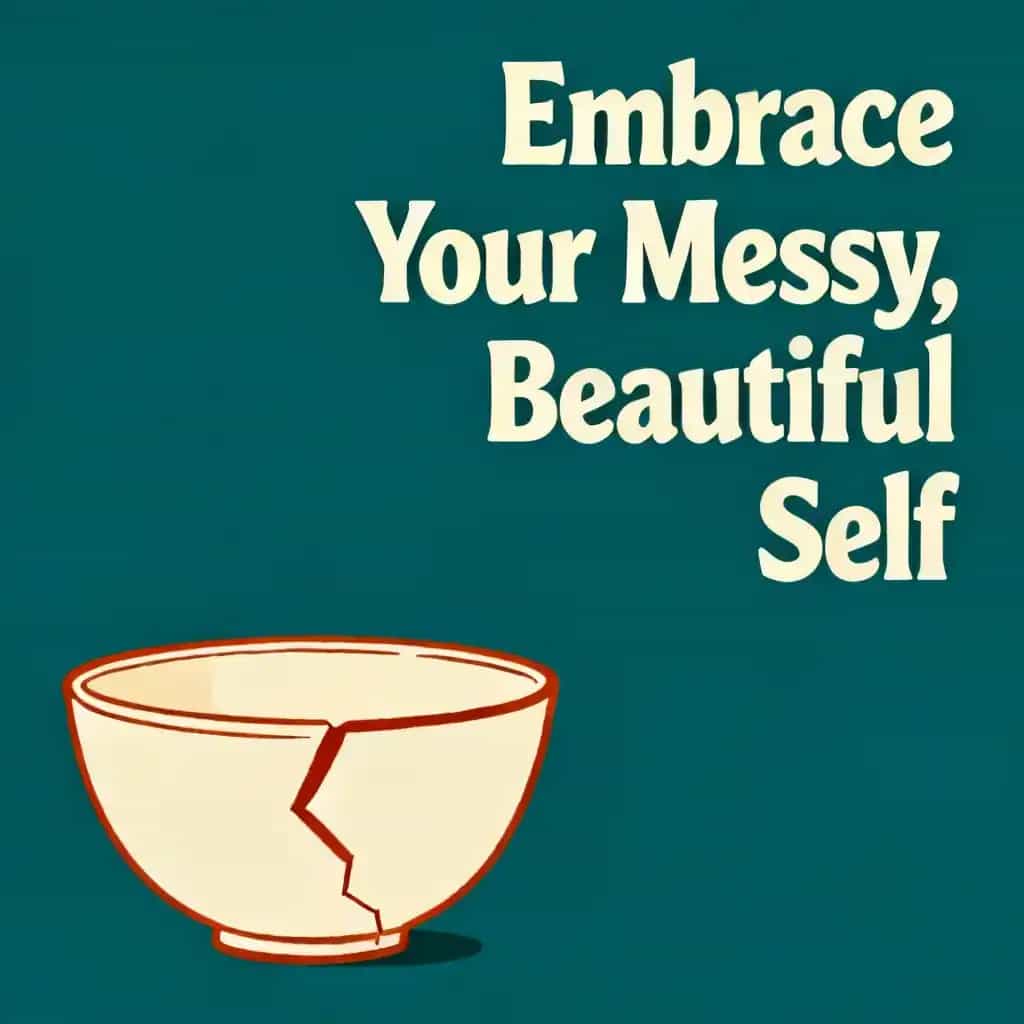
Wholehearted living isn't about arriving at some perfect state of being but about embracing the messy, beautiful process of becoming more fully human. It's about collecting moments of joy, gratitude, and connection amid life's inevitable challenges. It's about choosing authenticity even when it's difficult, especially when it's difficult.
The invitation is simple but profound: What would change if you believed you were enough? How would you parent differently? Work differently? Love differently? The revolution of wholehearted living begins with this radical premise-that you are worthy of love and belonging exactly as you are, not as you think you should be. From this foundation of worthiness, everything else becomes possible.