Overview of Open
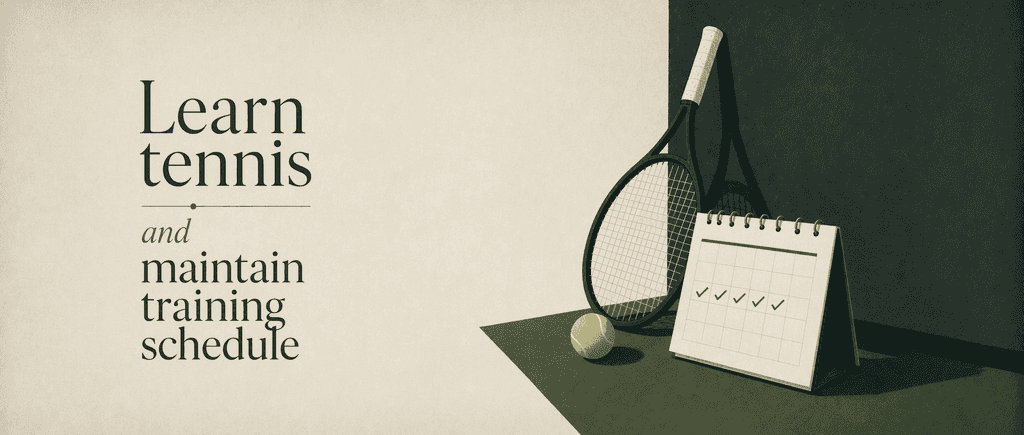
In "Open," tennis legend Andre Agassi shockingly confesses his hatred for tennis, methamphetamine use, and journey to self-acceptance. This raw #1 New York Times bestseller transcends sports literature - what drives a champion to both destroy and rebuild himself?
- Andre Agassi’s rebellion against tennis masked a lifelong struggle with identity and purpose
- True resilience means rebuilding from rock bottom—Agassi’s comeback from #141 to #1 proves it
- Winning Grand Slams couldn’t heal Agassi’s self-doubt until he embraced tennis as his reluctant home
- Fashion became Agassi’s silent rebellion against his father’s blueprint and tennis’s rigid traditions
- Drug use and burnout reveal the psychological toll of childhood prodigy pressure in elite sports
- Agassi’s career Grand Slam shows triumph isn’t linear—losses linger longer than wins in competitive minds
- “Tennis mirrors life” – Agassi’s metaphor for advantage, fault, and turning points in personal growth
- Coaching transformed Agassi’s game at 33: strategic patience replaced youthful brute-force groundstrokes
- The 1999 French Open win epitomizes comebacks—losing two sets before claiming career-defining glory
- Open exposes the paradox of hating your craft while mastering it through grit and repetition
- Agassi’s 26-match streak and four Australian Open wins redefine aging athletes’ potential in sports
- Perfectionism’s prison: Agassi’s journey from burnout to balanced success through selective shot-making
About the Author of Open
Andre Agassi, author of the memoir Open, is a legendary tennis champion and one of only five men to achieve the career Grand Slam across all four major tournaments. His raw, introspective autobiography delves into themes of resilience, identity, and redemption, reflecting his tumultuous journey from child prodigy pressured into tennis stardom to his evolution into a globally revered athlete.
With eight Grand Slam titles—including dramatic comeback victories at the French Open and U.S. Open—Agassi’s career spanned 20 years, marked by iconic rivalries with Pete Sampras and a 1996 Olympic gold medal.
Once known for his rebellious image and "Image is Everything" persona, Agassi’s later career saw him rebrand as a disciplined competitor, reclaiming the world No. 1 ranking after plummeting to 141st post-injury. Beyond tennis, he founded a charter school in Las Vegas and remains an advocate for education reform.
Open became an instant bestseller, lauded for its unflinching honesty about fame, depression, and self-reinvention. Translated into 18 languages, the memoir resonates with athletes and non-athletes alike, offering universal lessons on overcoming adversity.
FAQs About Open
What is Open by Andre Agassi about?
Open is Andre Agassi's raw autobiography exploring his tumultuous tennis career, secret hatred for the sport, and lifelong identity crisis. It details his rebellion against his father’s rigid training, battles with self-doubt, and eventual redemption through philanthropy and marriage to Steffi Graf. The book exposes the psychological toll of fame and the pursuit of perfection in elite sports.
Who should read Open by Andre Agassi?
Tennis enthusiasts, memoir lovers, and anyone grappling with career burnout or identity struggles will find Open compelling. It resonates with readers interested in resilience, anti-perfectionism, and candid stories of overcoming adversity. Agassi’s honesty about hating his profession makes it particularly relevant for those seeking unconventional paths to success.
Is Open by Andre Agassi worth reading?
Yes—Open is acclaimed for its literary quality and unflinching introspection. The New York Times named it a top 100 notable book, praising its "raw energy," while Time called it one of the best memoirs ever written. It offers rare insights into the dark side of athletic fame and the courage to reinvent oneself.
What are the main themes in Open?
Key themes include:
- Identity crisis: Agassi’s struggle to escape his “prison” of tennis stardom.
- Resilience: His comeback from career lows (#141 ranking) to win 1999 French Open.
- Anti-perfectionism: How chasing flawless performance harmed his mental health.
How does Open challenge sports memoir conventions?
Unlike typical athlete biographies, Open reveals Agassi’s visceral dislike for tennis—he calls it a “toxic relationship.” The book prioritizes emotional truth over career accolades, detailing his depression, wig-wearing phase, and failed marriage to Brooke Shields.
What famous quote defines Open?
“I hate tennis with a dark and secret passion, and always have.” This admission encapsulates Agassi’s internal conflict between societal expectations and personal authenticity. The line became iconic for its shocking honesty about professional disillusionment.
Does Open discuss life after tennis?
Yes—the final chapters cover Agassi’s philanthropic work founding a K-12 charter school, his relationship with Steffi Graf, and parenting philosophy of not forcing tennis on their children. These sections highlight his transition from resentment to purpose.
How does Open portray Andre Agassi’s father?
Mike Agassi emerges as a driven immigrant parent who built a tennis ball machine to train 7-year-old Andre. Their strained relationship—fueled by relentless drills and pressure—becomes a central thread explaining Agassi’s rebellion and lifelong search for approval.
What criticisms exist about Open?
Some reviewers note limited technical tennis analysis, with deeper focus on personal struggles than match strategies. However, most praise this approach—Entertainment Weekly called it “one of the most anti-sports books by a superstar athlete”.
How does Open compare to other athlete autobiographies?
Unlike Michael Jordan’s The Life or Serena Williams’ On the Line, Open prioritizes psychological depth over career highlights. Its literary quality led Newsday to compare it to a novel, with Agassi’s ghostwriter JR Moehringer enhancing its narrative flow.
What career advice does Open offer?
Agassi’s journey teaches:
- Success often requires enduring disliked work temporarily
- External validation alone can’t sustain motivation
- Strategic reinvention (e.g., switching to baseline play) trumps brute persistence
Why is Open relevant in 2025?
As workplace burnout and career pivots dominate cultural conversations, Open remains a potent case study in redirecting skill sets toward meaningful goals. Agassi’s school foundation model mirrors modern social entrepreneurship trends.
Feel the book through the author's voice
Turn knowledge into engaging, example-rich insights
Capture key ideas in a flash for fast learning
Enjoy the book in a fun and engaging way
Characters in Open
- Andre AgassiThe protagonist and world-class tennis champion
- Mike AgassiAndre's father and a demanding former boxer
- Nick BollettieriFounder of the rigorous Florida tennis academy
- Philly AgassiAndre's brother and early traveling companion
Key Themes in Open
- father-son conflict
- internalized perfectionism
- identity crisis
- toxic sports culture
- rebellion against expectations
Quotes from Open
I hate tennis, hate it with a dark and secret passion, and always have.
Image is everything.
I play tennis for a living even though I hate tennis, hate it with every fiber of my being.
I play tennis for a living, even though I hate tennis with a dark passion.
What the hell else are you going to do? Be a doctor?
Explore Your Way of Learning
 Quick Summary Mode
Read or listen to Open Summary in 8 Minutes
Break down key ideas from Open into bite-sized takeaways to understand how innovative teams create, collaborate, and grow.

 Fun Mode
Open Lessons Told Through 23-Min Stories
Experience Open through vivid storytelling that turns innovation lessons into moments you'll remember and apply.
 Personalize Mode
Experience Open in your own learning style
Ask anything, choose your learning style, and co-create insights that truly resonate with you.

From Columbia University alumni built in San Francisco
"Instead of endless scrolling, I just hit play on BeFreed. It saves me so much time."


"I never knew where to start with nonfiction—BeFreed’s book lists turned into podcasts gave me a clear path."


"Perfect balance between learning and entertainment. Finished ‘Thinking, Fast and Slow’ on my commute this week."
"Crazy how much I learned while walking the dog. BeFreed = small habits → big gains."
"Reading used to feel like a chore. Now it’s just part of my lifestyle."

"Feels effortless compared to reading. I’ve finished 6 books this month already."
"BeFreed turned my guilty doomscrolling into something that feels productive and inspiring."

"BeFreed turned my commute into learning time. 20-min podcasts are perfect for finishing books I never had time for."
"BeFreed replaced my podcast queue. Imagine Spotify for books — that’s it. 🙌"

"It is great for me to learn something from the book without reading it."
"The themed book list podcasts help me connect ideas across authors—like a guided audio journey."
"Makes me feel smarter every time before going to work"
From Columbia University alumni built in San Francisco
"Instead of endless scrolling, I just hit play on BeFreed. It saves me so much time."
"I never knew where to start with nonfiction—BeFreed’s book lists turned into podcasts gave me a clear path."
"Perfect balance between learning and entertainment. Finished ‘Thinking, Fast and Slow’ on my commute this week."
"Crazy how much I learned while walking the dog. BeFreed = small habits → big gains."
"Reading used to feel like a chore. Now it’s just part of my lifestyle."
"Feels effortless compared to reading. I’ve finished 6 books this month already."
"BeFreed turned my guilty doomscrolling into something that feels productive and inspiring."
"BeFreed turned my commute into learning time. 20-min podcasts are perfect for finishing books I never had time for."
"BeFreed replaced my podcast queue. Imagine Spotify for books — that’s it. 🙌"
"It is great for me to learn something from the book without reading it."
"The themed book list podcasts help me connect ideas across authors—like a guided audio journey."
"Makes me feel smarter every time before going to work"
"Instead of endless scrolling, I just hit play on BeFreed. It saves me so much time."
"I never knew where to start with nonfiction—BeFreed’s book lists turned into podcasts gave me a clear path."
"Perfect balance between learning and entertainment. Finished ‘Thinking, Fast and Slow’ on my commute this week."
"Crazy how much I learned while walking the dog. BeFreed = small habits → big gains."
"Reading used to feel like a chore. Now it’s just part of my lifestyle."
"Feels effortless compared to reading. I’ve finished 6 books this month already."
"BeFreed turned my guilty doomscrolling into something that feels productive and inspiring."
"BeFreed turned my commute into learning time. 20-min podcasts are perfect for finishing books I never had time for."
"BeFreed replaced my podcast queue. Imagine Spotify for books — that’s it. 🙌"
"It is great for me to learn something from the book without reading it."
"The themed book list podcasts help me connect ideas across authors—like a guided audio journey."
"Makes me feel smarter every time before going to work"
"Instead of endless scrolling, I just hit play on BeFreed. It saves me so much time."
"I never knew where to start with nonfiction—BeFreed’s book lists turned into podcasts gave me a clear path."
"Perfect balance between learning and entertainment. Finished ‘Thinking, Fast and Slow’ on my commute this week."
"Crazy how much I learned while walking the dog. BeFreed = small habits → big gains."
"Reading used to feel like a chore. Now it’s just part of my lifestyle."
"Feels effortless compared to reading. I’ve finished 6 books this month already."
"BeFreed turned my guilty doomscrolling into something that feels productive and inspiring."
"BeFreed turned my commute into learning time. 20-min podcasts are perfect for finishing books I never had time for."
"BeFreed replaced my podcast queue. Imagine Spotify for books — that’s it. 🙌"
"It is great for me to learn something from the book without reading it."
"The themed book list podcasts help me connect ideas across authors—like a guided audio journey."
"Makes me feel smarter every time before going to work"

Download Summary of Open
Get the Open summary as a free PDF or EPUB. Print it or read offline anytime.