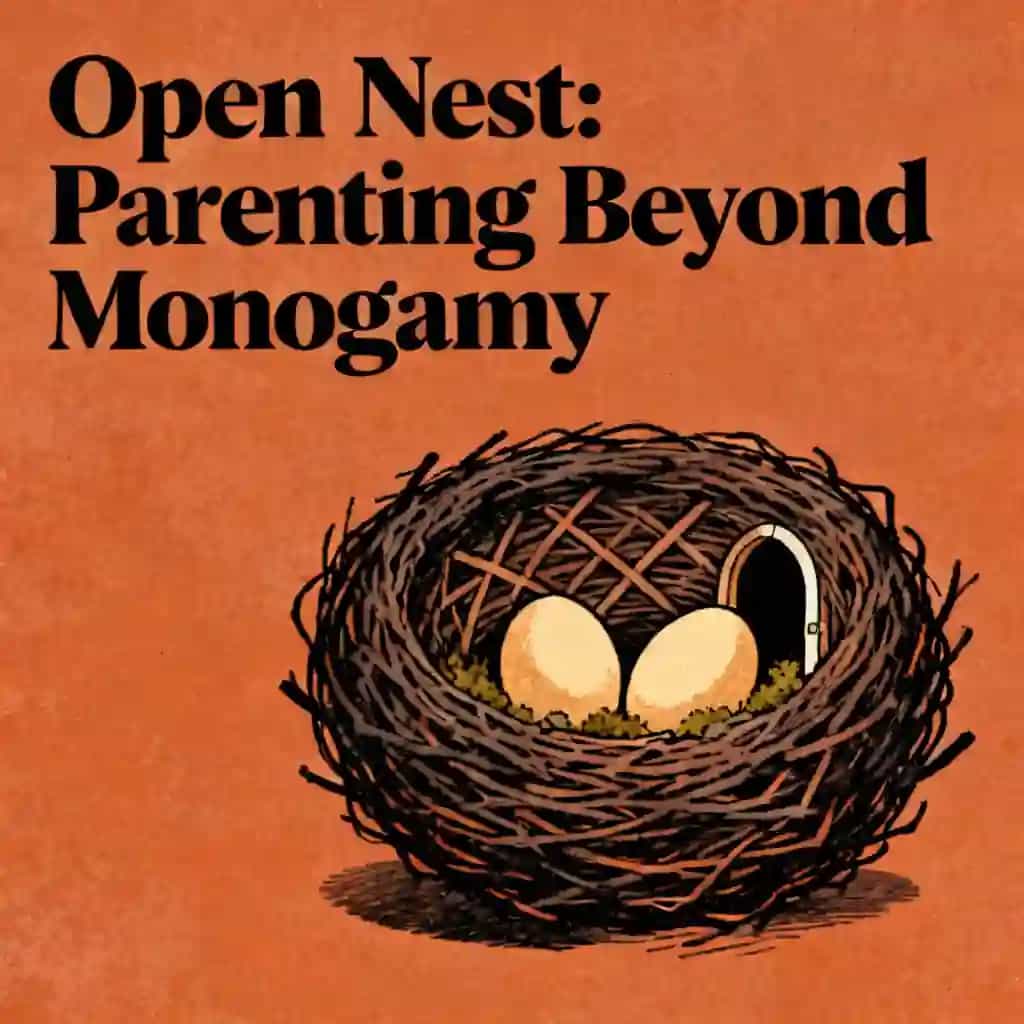
Opening Up: A Guide to Creating and Sustaining Open Relationships by Tristan Taormino Summary

Overview of Opening Up
Redefining love beyond monogamy, "Opening Up" has become the essential guide for ethical non-monogamy. Where "The Ethical Slut" merely scratched the surface, Taormino's work dives deeper - could her framework for honesty and communication revolutionize all your relationships, not just romantic ones?
- Ethical non-monogamy thrives on proactive communication and explicit consent agreements.
- Boundary-setting prevents conflicts by clarifying emotional, physical, and temporal limits.
- Compersion replaces jealousy through empathy practices and emotional security cultivation.
- Polyamory and swinging represent distinct approaches to consensual non-monogamous structures.
- Relationship contracts require periodic revision as circumstances and priorities evolve.
- New Relationship Energy (NRE) demands intentional time management between partners.
- Non-monogamous success hinges on self-awareness and radical honesty about desires.
- Taormino prioritizes bespoke relationship designs over rigid monogamous/non-monogamous binaries.
- Sexual health transparency and STI testing protocols are non-negotiable safeguards.
- Open relationships often strengthen primary partnerships through improved conflict resolution.
- Coming out as non-monogamous requires strategic disclosure to mitigate social stigma.
- Solo polyamory offers autonomy while maintaining emotionally committed connections.
About the Author of Opening Up
Tristan Taormino, author of Opening Up: A Guide to Creating and Sustaining Open Relationships, is an award-winning author, sex educator, and feminist pornographer renowned for her pioneering work in sexuality and relationship diversity.
A former bi-weekly columnist for The Village Voice and editor of the iconic lesbian magazine On Our Backs, Taormino has spent decades challenging societal norms through her writing, films, and workshops. Her expertise in non-monogamy and BDSM stems from both academic rigor and grassroots activism, reflected in her eight books, including The Ultimate Guide to Anal Sex for Women and 50 Shades of Kink.
She hosts the podcast Sex Out Loud and has appeared on HBO’s Real Sex, The Howard Stern Show, and NPR, solidifying her status as a trusted voice in sexual liberation. Taormino’s films have earned multiple Feminist Porn Awards, and her books have collectively sold over 500,000 copies worldwide, translated into more than a dozen languages.
FAQs About Opening Up
What is Opening Up by Tristan Taormino about?
Opening Up explores non-monogamous relationships, offering practical strategies for building trust, communication, and consent in open partnerships. Tristan Taormino combines real-life interviews with actionable advice on jealousy management, boundary-setting, and maintaining emotional and sexual health, making it a comprehensive guide for ethical non-monogamy.
Who should read Opening Up?
This book is ideal for individuals exploring polyamory, couples transitioning to open relationships, or therapists seeking insights into consensual non-monogamy. It’s also valuable for anyone interested in improving communication skills or understanding modern relationship dynamics beyond traditional monogamy.
Is Opening Up worth reading?
Yes, Opening Up is praised for its empathetic, non-judgmental approach and research-backed frameworks, drawing from 100+ interviews. It provides tools to navigate jealousy, time management, and ethical agreements, making it a standout resource for both newcomers and experienced practitioners of non-monogamy.
What are the key communication strategies in Opening Up?
Taormino emphasizes active listening, transparency, and regular check-ins to ensure all partners feel heard. She advises creating “relationship agreements” that outline boundaries, expectations, and sexual health protocols, which can evolve as dynamics change.
How does Opening Up address jealousy in open relationships?
The book reframes jealousy as a natural emotion to analyze rather than suppress. Taormino suggests techniques like self-reflection, compersion (finding joy in a partner’s other relationships), and collaborative problem-solving to transform jealousy into growth opportunities.
What types of non-monogamy does Tristan Taormino discuss?
Opening Up covers diverse structures, including partnered non-monogamy, solo polyamory, swinging, and relationship anarchy. Taormino stresses there’s no “one-size-fits-all” model, encouraging readers to design relationships aligned with their values.
What role do boundaries play in Opening Up?
Boundaries are foundational to ethical non-monogamy, protecting emotional and physical well-being. The book guides readers in defining clear limits (e.g., sexual health practices, time allocation) while remaining adaptable as relationships evolve.
How does Opening Up differ from The Ethical Slut?
While both books address non-monogamy, Opening Up focuses more on practical frameworks (e.g., creating agreements) and modern relationship challenges (e.g., digital communication). Taormino’s approach is particularly noted for its intersectional, LGBTQ+-inclusive perspective.
What critiques exist about Opening Up?
Some critics argue the book assumes a level of emotional maturity that may be unrealistic for beginners. Others note it leans heavily on personal anecdotes, though its interview-based format balances diverse experiences.
Why is Opening Up relevant in 2025?
As interest in polyamory grows globally, the book remains a critical resource for navigating post-pandemic social shifts and digital dating trends. Its emphasis on consent and adaptability aligns with contemporary discussions about autonomy in relationships.
How does Tristan Taormino’s background influence Opening Up?
Taormino’s expertise as a sex educator and feminist author informs the book’s inclusive, sex-positive tone. Her experience directing adult films and hosting the Sex Out Loud podcast lends credibility to discussions on intimacy and communication.
Can Opening Up help monogamous couples?
Yes—the communication tools and conflict-resolution strategies apply to all relationships. Concepts like active listening and boundary negotiation can strengthen trust and emotional connection, even in monogamous partnerships.
What is “compersion” as discussed in Opening Up?
Compersion refers to deriving happiness from a partner’s joy in other relationships. Taormino views it as a learnable skill that reduces jealousy and fosters emotional resilience, though she acknowledges it’s not mandatory for successful non-monogamy.
Feel the book through the author's voice
Turn knowledge into engaging, example-rich insights
Capture key ideas in a flash for fast learning
Enjoy the book in a fun and engaging way
Key Themes in Opening Up
Quotes from Opening Up
Jealousy is a normal human emotion, but it doesn't have to control you.
Cheating has become so ingrained in our culture.
Monogamy's unrealistic expectations cause the deepest problems.
Cheaters...cause more damage through deception than the infidelity itself.
Humans weren't 'meant' to be monogamous.
Characters in Opening Up
Quick Summary Mode - Read or listen to Opening Up Summary in 9 Minutes

Break down key ideas from Opening Up into bite-sized takeaways to understand how innovative teams create, collaborate, and grow.

Flash Card Mode - Top 10 Insights from Opening Up in a Nutshell

Distill Opening Up into rapid-fire memory cues that highlight key principles of candor, teamwork, and creative resilience.

Fun Mode - Opening Up Lessons Told Through 25-Min Stories

Experience Opening Up through vivid storytelling that turns innovation lessons into moments you'll remember and apply.
Personalize Mode - Read or listen to Opening Up Summary in 0 Minutes

Ask anything, pick the voice, and co-create insights that truly resonate with you.

From Columbia University alumni built in San Francisco
"Instead of endless scrolling, I just hit play on BeFreed. It saves me so much time."


"I never knew where to start with nonfiction—BeFreed’s book lists turned into podcasts gave me a clear path."


"Perfect balance between learning and entertainment. Finished ‘Thinking, Fast and Slow’ on my commute this week."
"Crazy how much I learned while walking the dog. BeFreed = small habits → big gains."
"Reading used to feel like a chore. Now it’s just part of my lifestyle."

"Feels effortless compared to reading. I’ve finished 6 books this month already."
"BeFreed turned my guilty doomscrolling into something that feels productive and inspiring."

"BeFreed turned my commute into learning time. 20-min podcasts are perfect for finishing books I never had time for."
"BeFreed replaced my podcast queue. Imagine Spotify for books — that’s it. 🙌"

"It is great for me to learn something from the book without reading it."
"The themed book list podcasts help me connect ideas across authors—like a guided audio journey."
"Makes me feel smarter every time before going to work"
From Columbia University alumni built in San Francisco
"Instead of endless scrolling, I just hit play on BeFreed. It saves me so much time."
"I never knew where to start with nonfiction—BeFreed’s book lists turned into podcasts gave me a clear path."
"Perfect balance between learning and entertainment. Finished ‘Thinking, Fast and Slow’ on my commute this week."
"Crazy how much I learned while walking the dog. BeFreed = small habits → big gains."
"Reading used to feel like a chore. Now it’s just part of my lifestyle."
"Feels effortless compared to reading. I’ve finished 6 books this month already."
"BeFreed turned my guilty doomscrolling into something that feels productive and inspiring."
"BeFreed turned my commute into learning time. 20-min podcasts are perfect for finishing books I never had time for."
"BeFreed replaced my podcast queue. Imagine Spotify for books — that’s it. 🙌"
"It is great for me to learn something from the book without reading it."
"The themed book list podcasts help me connect ideas across authors—like a guided audio journey."
"Makes me feel smarter every time before going to work"
"Instead of endless scrolling, I just hit play on BeFreed. It saves me so much time."
"I never knew where to start with nonfiction—BeFreed’s book lists turned into podcasts gave me a clear path."
"Perfect balance between learning and entertainment. Finished ‘Thinking, Fast and Slow’ on my commute this week."
"Crazy how much I learned while walking the dog. BeFreed = small habits → big gains."
"Reading used to feel like a chore. Now it’s just part of my lifestyle."
"Feels effortless compared to reading. I’ve finished 6 books this month already."
"BeFreed turned my guilty doomscrolling into something that feels productive and inspiring."
"BeFreed turned my commute into learning time. 20-min podcasts are perfect for finishing books I never had time for."
"BeFreed replaced my podcast queue. Imagine Spotify for books — that’s it. 🙌"
"It is great for me to learn something from the book without reading it."
"The themed book list podcasts help me connect ideas across authors—like a guided audio journey."
"Makes me feel smarter every time before going to work"
"Instead of endless scrolling, I just hit play on BeFreed. It saves me so much time."
"I never knew where to start with nonfiction—BeFreed’s book lists turned into podcasts gave me a clear path."
"Perfect balance between learning and entertainment. Finished ‘Thinking, Fast and Slow’ on my commute this week."
"Crazy how much I learned while walking the dog. BeFreed = small habits → big gains."
"Reading used to feel like a chore. Now it’s just part of my lifestyle."
"Feels effortless compared to reading. I’ve finished 6 books this month already."
"BeFreed turned my guilty doomscrolling into something that feels productive and inspiring."
"BeFreed turned my commute into learning time. 20-min podcasts are perfect for finishing books I never had time for."
"BeFreed replaced my podcast queue. Imagine Spotify for books — that’s it. 🙌"
"It is great for me to learn something from the book without reading it."
"The themed book list podcasts help me connect ideas across authors—like a guided audio journey."
"Makes me feel smarter every time before going to work"

Get the Opening Up summary as a free PDF or EPUB. Print it or read offline anytime.