Overview of Upstream
Discover why we're drowning in downstream problems. "Upstream" reveals how to prevent crises before they happen - a Wall Street Journal bestseller that's transformed businesses, schools, and entire nations. What if your biggest problem hasn't even happened yet?
- Dan Heath’s upstream mindset stops problems by fixing systems, not symptoms
- Shift from reactive “downstream” firefighting to proactive root-cause prevention
- Upstream leaders measure success by what never happens, not crisis resolutions
- Solve homelessness by ending it upstream via real-time data and collaboration
- Expedia’s 58% call rate dropped by asking “Why do customers need help?”
- Systems thinking beats heroism: success happens by default, not emergency effort
- Prove what didn’t happen – upstream’s greatest challenge and strategic advantage
- “Lazy bureaucrat test” reveals if metrics reward prevention or just busywork
- Rockford IL ended veteran homelessness via upstream ownership and by-name tracking
- Upstream work demands patience for outcomes but impatience for urgent action
- Dan Heath: Match problem-solvers’ incentives to beneficiaries’ needs for lasting change
- Shift from “regrettable but inevitable” problems to solvable upstream interventions
About the Author of Upstream
Dan Heath, bestselling author of Upstream: The Quest to Solve Problems Before They Happen and Duke University fellow at the CASE Center for social entrepreneurship, is a leading voice in behavioral science and systemic problem-solving. Co-author of four New York Times bestsellers with his brother Chip—Made to Stick, Switch, Decisive, and The Power of Moments—Heath specializes in translating complex psychological insights into actionable strategies for individuals and organizations. His work in Upstream reflects his career-long focus on proactive solutions, informed by his Harvard MBA, publishing ventures like Thinkwell, and research at Harvard Business School.
Heath’s Made to Stick earned the title of Best Business Book of the Year and spent 24 months on BusinessWeek’s bestseller list. As host of the Choiceology podcast and a former Fast Company columnist, he amplifies ideas that drive transformative change. His books have been translated into over 30 languages, reaching millions globally, with Switch ranking among Amazon’s top nonfiction titles for 47 weeks.
FAQs About Upstream
What is Upstream by Dan Heath about?
Upstream by Dan Heath explores strategies to solve systemic problems by addressing root causes rather than reacting to symptoms. Using the metaphor of rescuing drowning children in a river, Heath argues for proactive “upstream thinking” to prevent issues like recurring customer complaints, organizational inefficiencies, or societal crises. Key themes include overcoming problem blindness, fostering ownership, and designing systems that preempt failures.
Who should read Upstream by Dan Heath?
Leaders, managers, policymakers, and problem-solvers in any field will benefit from Upstream. The book offers actionable frameworks for individuals and organizations tired of firefighting recurring issues. Heath’s insights are particularly relevant for those in public policy, healthcare, education, and business operations seeking sustainable solutions.
What are the main concepts in Upstream?
- Problem blindness: Failing to recognize solvable issues due to habituation.
- Lack of ownership: Unaddressed problems when no one claims responsibility.
- Systems thinking: Analyzing interconnected factors causing systemic failures.
- Early intervention: Shifting resources upstream to prevent downstream harm.
How does Upstream define "problem blindness"?
Problem blindness refers to the tendency to accept recurring issues as inevitable. For example, Heath cites how Expedia reduced 20 million customer service calls by fixing booking errors upstream instead of repeatedly resolving complaints downstream. This concept challenges readers to question ingrained assumptions about "unsolvable" problems.
What is the "upstream" metaphor in Dan Heath’s book?
The book’s central metaphor depicts two rescuers saving children from a river. One stays downstream to pull them out, while the other goes upstream to stop whoever is throwing them in. This illustrates the choice between reactive problem-solving and proactive prevention—a theme anchoring Heath’s case studies on reducing harm at its source.
How can businesses apply Upstream principles?
Businesses can audit recurring issues (e.g., customer complaints, supply chain delays) and redesign processes to eliminate root causes. For instance, Heath highlights how a bike manufacturer reduced shipping damage by 80% using TV-sized boxes—a simple upstream fix that avoided downstream returns.
What are common barriers to upstream thinking?
Heath identifies three barriers:
- Tunnel vision: Overfocus on immediate tasks prevents systemic analysis.
- Short-term incentives: Metrics rewarding quick fixes over long-term prevention.
- Fragmented responsibility: No clear owner for complex, cross-functional issues.
How does Upstream differ from Heath’s earlier books?
While Made to Stick and Switch focus on communication and behavior change, Upstream targets systemic problem-solving. It shifts from individual decisions to organizational and societal structures, offering tools for leaders to redesign systems rather than persuade people.
What critiques exist about Upstream?
Some argue upstream solutions require significant resources and long timelines, which may deter organizations prioritizing quick wins. Others note systemic change often depends on stakeholder alignment—a challenge Heath acknowledges but doesn’t fully resolve.
How does Upstream address ethical decision-making?
Heath emphasizes that upstream interventions must balance efficacy with equity. For example, predictive policing algorithms could prevent crime upstream but risk bias. The book urges ethical scrutiny of preventive measures to avoid harming marginalized groups.
Can Upstream strategies apply to personal life?
Yes—readers can preempt personal challenges like debt or burnout by identifying triggers (e.g., impulsive spending, overcommitment) and creating safeguards. Heath’s “friction audit” concept helps redesign habits by reducing barriers to good decisions.
Why is Upstream relevant in 2025?
In an era of AI and climate crises, systemic risks demand upstream approaches. Heath’s frameworks help organizations preempt AI bias through ethical design and combat climate change via root-cause policies like carbon pricing—making the book a timely resource for modern challenges.
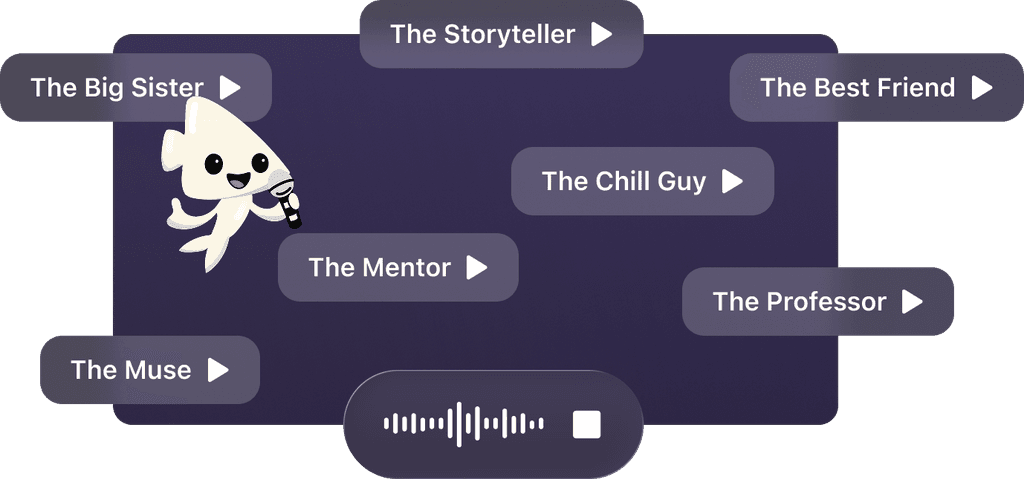
Feel the book through the author's voice
Turn knowledge into engaging, example-rich insights
Capture key ideas in a flash for fast learning
Enjoy the book in a fun and engaging way
Characters in Upstream
- Dan HeathAuthor and researcher of upstream thinking
- Marcus ElliottDoctor who reduced sports injuries for the Patriots
- Deborah DelageBrazilian activist advocating for natural birth
- Ray AndersonFounder of Interface who pursued Mission Zero
- Bob SandersDoctor who championed child car seat laws
Key Themes in Upstream
- preventative systems design
- problem blindness
- root cause analysis
- proactive leadership
- scarcity mindset
Quotes from Upstream
We live in a world obsessed with reaction rather than prevention.
The seed of improvement is dissatisfaction.
Upstream work is often optional.
What do you do when you realize you're causing an enormous problem?
Our brains naturally prioritize immediate threats over future ones.
Explore Your Way of Learning
 Quick Summary Mode
Read or listen to Upstream Summary in 12 Minutes
Break down key ideas from Upstream into bite-sized takeaways to understand how innovative teams create, collaborate, and grow.

 Fun Mode
Upstream Lessons Told Through 20-Min Stories
Experience Upstream through vivid storytelling that turns innovation lessons into moments you'll remember and apply.
 Personalize Mode
Experience Upstream in your own learning style
Ask anything, choose your learning style, and co-create insights that truly resonate with you.
From Columbia University alumni built in San Francisco
"Instead of endless scrolling, I just hit play on BeFreed. It saves me so much time."


"I never knew where to start with nonfiction—BeFreed’s book lists turned into podcasts gave me a clear path."


"Perfect balance between learning and entertainment. Finished ‘Thinking, Fast and Slow’ on my commute this week."
"Crazy how much I learned while walking the dog. BeFreed = small habits → big gains."
"Reading used to feel like a chore. Now it’s just part of my lifestyle."

"Feels effortless compared to reading. I’ve finished 6 books this month already."
"BeFreed turned my guilty doomscrolling into something that feels productive and inspiring."

"BeFreed turned my commute into learning time. 20-min podcasts are perfect for finishing books I never had time for."
"BeFreed replaced my podcast queue. Imagine Spotify for books — that’s it. 🙌"

"It is great for me to learn something from the book without reading it."
"The themed book list podcasts help me connect ideas across authors—like a guided audio journey."
"Makes me feel smarter every time before going to work"
From Columbia University alumni built in San Francisco
"Instead of endless scrolling, I just hit play on BeFreed. It saves me so much time."
"I never knew where to start with nonfiction—BeFreed’s book lists turned into podcasts gave me a clear path."
"Perfect balance between learning and entertainment. Finished ‘Thinking, Fast and Slow’ on my commute this week."
"Crazy how much I learned while walking the dog. BeFreed = small habits → big gains."
"Reading used to feel like a chore. Now it’s just part of my lifestyle."
"Feels effortless compared to reading. I’ve finished 6 books this month already."
"BeFreed turned my guilty doomscrolling into something that feels productive and inspiring."
"BeFreed turned my commute into learning time. 20-min podcasts are perfect for finishing books I never had time for."
"BeFreed replaced my podcast queue. Imagine Spotify for books — that’s it. 🙌"
"It is great for me to learn something from the book without reading it."
"The themed book list podcasts help me connect ideas across authors—like a guided audio journey."
"Makes me feel smarter every time before going to work"
"Instead of endless scrolling, I just hit play on BeFreed. It saves me so much time."
"I never knew where to start with nonfiction—BeFreed’s book lists turned into podcasts gave me a clear path."
"Perfect balance between learning and entertainment. Finished ‘Thinking, Fast and Slow’ on my commute this week."
"Crazy how much I learned while walking the dog. BeFreed = small habits → big gains."
"Reading used to feel like a chore. Now it’s just part of my lifestyle."
"Feels effortless compared to reading. I’ve finished 6 books this month already."
"BeFreed turned my guilty doomscrolling into something that feels productive and inspiring."
"BeFreed turned my commute into learning time. 20-min podcasts are perfect for finishing books I never had time for."
"BeFreed replaced my podcast queue. Imagine Spotify for books — that’s it. 🙌"
"It is great for me to learn something from the book without reading it."
"The themed book list podcasts help me connect ideas across authors—like a guided audio journey."
"Makes me feel smarter every time before going to work"
"Instead of endless scrolling, I just hit play on BeFreed. It saves me so much time."
"I never knew where to start with nonfiction—BeFreed’s book lists turned into podcasts gave me a clear path."
"Perfect balance between learning and entertainment. Finished ‘Thinking, Fast and Slow’ on my commute this week."
"Crazy how much I learned while walking the dog. BeFreed = small habits → big gains."
"Reading used to feel like a chore. Now it’s just part of my lifestyle."
"Feels effortless compared to reading. I’ve finished 6 books this month already."
"BeFreed turned my guilty doomscrolling into something that feels productive and inspiring."
"BeFreed turned my commute into learning time. 20-min podcasts are perfect for finishing books I never had time for."
"BeFreed replaced my podcast queue. Imagine Spotify for books — that’s it. 🙌"
"It is great for me to learn something from the book without reading it."
"The themed book list podcasts help me connect ideas across authors—like a guided audio journey."
"Makes me feel smarter every time before going to work"

Download Summary of Upstream
Get the Upstream summary as a free PDF or EPUB. Print it or read offline anytime.