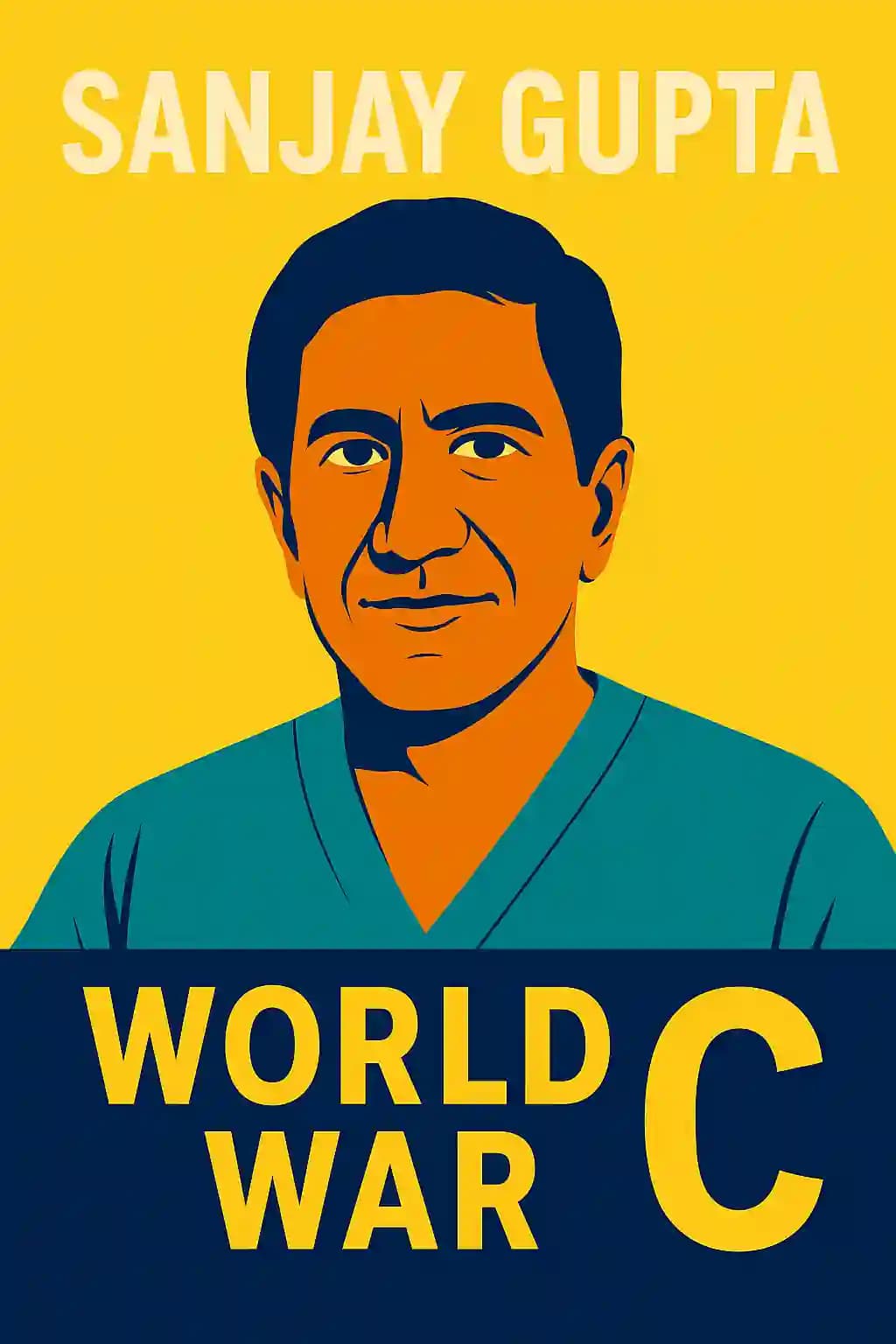
World War C
Lessons from the Covid-19 Pandemic and How to Prepare for the Next One
Overview of World War C
CNN's Dr. Sanjay Gupta unveils COVID-19's hidden truths and future pandemic defenses. Beyond medical insights, his "Pandemic P.R.O.O.F" framework became essential reading for health officials worldwide. What crucial warning signs did we miss - and will we recognize them next time?

Key Themes in World War C
- pandemic preparedness
- public health policy
- viral transmission
- medical crisis management
- long-haul covid
Quotes from World War C
Testing too little, too late became our "original sin" in the COVID response.
Any way you cut it, this is going to be bad.
Early on the focus was symptomatic cases...that changed the whole ballgame.
We were wrong on all counts.
This wasn't a decision made lightly.
Characters in World War C
- Dr. Sanjay GuptaNeurosurgeon and CNN medical correspondent
- Dr. Bob RedfieldFormer Director of the CDC
- Dr. Nancy MessonnierCDC official who warned of pandemic disruption
- Dr. Carter MecherPublic health expert who warned of the virus early
- Francis Ford CoppolaFilmmaker who discussed the virus with Gupta
About the Author
About the Author of World War C
Sanjay Gupta, author of World War C and CNN’s chief medical correspondent, is an Emmy-winning neurosurgeon and a trusted voice in public health.
A practicing neurosurgeon at Atlanta’s Grady Memorial Hospital and associate professor at Emory University, Gupta draws on decades of frontline experience covering global health crises for CNN, including the COVID-19 pandemic, Ebola outbreaks, and Hurricane Katrina’s aftermath. His expertise in distilling complex medical concepts for broad audiences shines in World War C, which explores pandemic preparedness, scientific resilience, and societal lessons from COVID-19.
Gupta’s authority extends through his CNN documentaries like Chasing Life and Weed, his bestselling books on well-being, and frequent appearances on programs like 60 Minutes and The Late Show with Stephen Colbert. A recipient of multiple Emmy and Peabody Awards for medical reporting, Gupta’s work has shaped public understanding of critical health issues.
World War C builds on his mission to bridge medical expertise and public awareness, a pursuit reflecting his dual roles as a surgeon and journalist. The book has been praised for its actionable insights and ranks among leading pandemic-era analyses in global health literature.
Download Summary of World War C
Get the World War C summary as a free PDF or EPUB. Print it or read offline anytime.
FAQs About This Book
World War C by Dr. Sanjay Gupta examines the COVID-19 pandemic as a global battle against SARS-CoV-2, blending scientific insights, policy critiques, and actionable strategies for future preparedness. The book details the U.S. pandemic response, demystifies virology and vaccines, and introduces Gupta’s P.R.O.O.F plan—a framework for optimizing health, countering misinformation, and fostering global cooperation to combat emerging threats.
This book is ideal for public health enthusiasts, policymakers, and general readers seeking a clear-eyed analysis of the COVID-19 crisis and tools to navigate future pandemics. Gupta’s accessible writing style makes complex topics like vaccine development and risk assessment digestible for non-experts, while his insider perspective appeals to those interested in crisis management and healthcare communication.
Yes—Gupta’s blend of frontline reporting, medical expertise, and pragmatic advice makes World War C a standout resource. Critics praise its balanced examination of pandemic missteps and optimistic roadmap for resilience, though some note the abrupt shift between historical analysis and self-help strategies.
Gupta’s P.R.O.O.F framework outlines five pillars for pandemic readiness: Plan Ahead, Rethink Risk, Optimize Health, Organize Family, and Fight for the Future. It emphasizes proactive measures like debunking misinformation, improving gut health, and advocating for equitable vaccine distribution, merging personal preparedness with systemic change.
The book dedicates chapters to dissecting anti-vaccine movements and debunking myths, stressing the role of media literacy and trusted messengers. Gupta highlights how falsehoods spread during the pandemic and offers strategies to combat them, such as empathetic communication and prebunking tactics.
Some reviewers note the book’s disjointed structure, as it transitions from a pandemic chronicle to a self-help guide. However, most praise its comprehensive scope, with Kirkus calling it a “wise, well-informed assessment of present and future health perils”.
- Global interdependence: The pandemic underscored the need for international collaboration in science and policy.
- Risk communication: Clear, consistent messaging is vital during health crises.
- Long-term health investment: Prioritizing immune health and mental resilience reduces vulnerability to future threats.
Unlike retrospective analyses, Gupta’s work combines memoir, science explainers, and actionable advice. It stands out for its focus on personal agency (via the P.R.O.O.F plan) alongside systemic reforms, bridging the gap between individual and collective preparedness.
Gupta urges readers to adopt a “pandemic-proof” mindset by staying informed, building physical and mental resilience, and advocating for equitable healthcare policies. He stresses that pathogens will evolve, but societal preparedness can mitigate catastrophic outcomes.
-
“The pandemic is a war, but not against each other—against the virus.”
This underscores Gupta’s call for unity over division during crises.
-
“Misinformation spreads faster than viruses; we must vaccinate against it.”
Highlights the book’s emphasis on combating falsehoods with education and trust.
Gupta discusses long COVID’s lingering effects and advocates for holistic health practices—like microbiome-friendly diets and stress management—to aid recovery. He also calls for expanded medical research and insurance coverage for chronic post-viral conditions.
Despite COVID-19’s transition to endemic status, Gupta’s lessons on misinformation, global health equity, and adaptive leadership remain critical as new pathogens emerge. The book serves as a blueprint for navigating overlapping crises, from climate-related diseases to AI-driven healthcare challenges.