Overview of The Bluest Eye
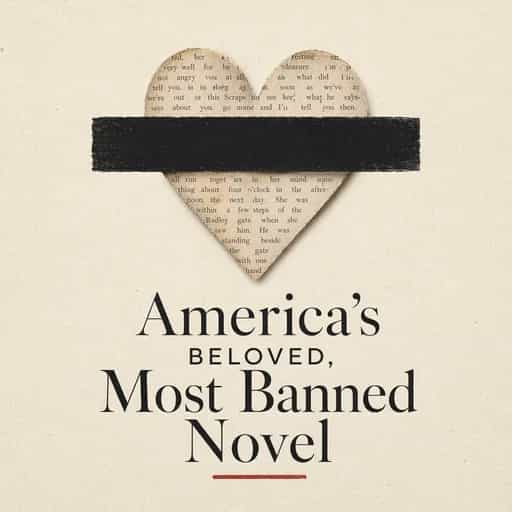
Morrison's debut novel explores how racism warps Black identity, following a young girl's tragic desire for blue eyes. Frequently banned yet beloved, "The Bluest Eye" became required reading in schools nationwide despite initial rejection by publishers. What beauty standards are we still internalizing today?
- Toni Morrison exposes how Euro-American beauty standards destroy Black self-worth.
- The Bluest Eye critiques internalized racism’s role in perpetuating racial self-loathing.
- Pecola’s blue-eye obsession symbolizes society’s toxic equating of whiteness with beauty.
- Morrison reveals family dysfunction as a mirror of systemic racial rejection.
- The novel challenges white-centric ideals by depicting their devastating psychological toll.
- Racialized ugliness becomes a weapon of oppression in Morrison’s seminal work.
- Generational trauma emerges through distorted Black identity under white cultural dominance.
- The Bluest Eye frames beauty standards as tools of dehumanizing hierarchy.
- Morrison’s nonlinear narrative underscores fragmentation caused by racist social structures.
- The Breedloves’ struggles embody the erasure of Black authenticity in America.
- Racial self-hatred stems from internalizing oppressive societal definitions of value.
- Morrison’s debut novel dissects how racism poisons community and family bonds.
About the Author of The Bluest Eye
Toni Morrison (1931–2019), Nobel and Pulitzer Prize-winning author of The Bluest Eye, remains a towering figure in American literature renowned for her unflinching exploration of racial identity, trauma, and systemic oppression.
Born Chloe Anthony Wofford in Lorain, Ohio, Morrison wove her academic expertise in English literature and lived experiences as a Black woman into her debut novel, which confronts destructive beauty standards through the harrowing story of Pecola Breedlove.
A Princeton University professor and former Random House editor who amplified marginalized voices, Morrison authored seminal works like Beloved and Song of Solomon, blending poetic prose with rich historical resonance. Her novels, often centered on African American communities, earned global recognition for their psychological depth and lyrical power, culminating in the 1993 Nobel Prize in Literature—making her the first Black woman to receive the honor.
President Barack Obama awarded Morrison the Presidential Medal of Freedom in 2012, cementing her legacy as a literary icon whose works remain required reading in classrooms worldwide.
FAQs About The Bluest Eye
What is The Bluest Eye by Toni Morrison about?
The Bluest Eye (1970) explores the tragic life of Pecola Breedlove, a Black girl in 1940s Ohio who internalizes racist beauty standards, believing blue eyes would make her worthy of love. The novel examines systemic racism, familial abuse, and societal rejection through Pecola’s psychological unraveling, while critiquing how white-centric ideals corrode Black self-worth.
Who should read The Bluest Eye?
This book is essential for readers interested in race, identity, and historical trauma. It resonates with those studying systemic racism’s psychological impacts, feminist literature, or Morrison’s Nobel Prize-winning works. Due to mature themes like abuse, it’s recommended for adults and older teens.
What are the main themes in The Bluest Eye?
- Beauty standards: White ideals destroy Pecola’s self-esteem.
- Racial self-loathing: Internalized racism perpetuates cycles of trauma.
- Family dysfunction: The Breedloves’ struggles mirror societal neglect.
Morrison interweaves these themes to expose systemic oppression’s devastating effects.
How does Toni Morrison use symbolism in The Bluest Eye?
The “bluest eye” symbolizes unattainable whiteness and societal rejection. Shirley Temple’s imagery, marigolds, and the Dick-and-Jane primer reinforce motifs of racial hierarchy and broken innocence. These symbols underscore how systemic racism distorts reality for Black characters.
What is the significance of the quote “Beauty was not simply something to behold; it was something one could do”?
This line critiques how beauty is weaponized as a social tool. Morrison argues Eurocentric standards actively exclude Blackness, reducing dignity to performance. The quote encapsulates the novel’s central conflict—Pecola’s futile pursuit of beauty as survival.
Why did Toni Morrison write The Bluest Eye?
Morrison sought to expose the “hurtful” legacy of internalized racism absent from 1960s Black empowerment narratives. Inspired by a childhood friend’s desire for blue eyes, she aimed to document how systemic oppression warps identity, stating, “I wanted people to understand what it was like to be treated that way.”
How does The Bluest Eye address family dynamics?
The Breedloves’ violence and poverty contrast with Claudia’s stable but imperfect family. Both households reveal how racism permeates domestic life, showing families as microcosms of societal failure. Morrison argues familial love alone cannot shield Black children from systemic dehumanization.
What criticisms exist about The Bluest Eye?
Critics debate its graphic depictions of incest and trauma, with some arguing exploitation. Others praise its unflinching honesty about racism’s psychological toll. The nonlinear narrative and multiple perspectives polarize readers, though these choices are now celebrated as innovative.
How does The Bluest Eye remain relevant today?
Its examination of beauty standards, racial trauma, and media influence parallels modern discussions on colorism, representation, and mental health. The novel’s critique of systemic oppression resonates amid ongoing racial justice movements.
What literary devices does Morrison use in The Bluest Eye?
- Nonlinear narrative: Fragmented timelines mirror Pecola’s fractured psyche.
- Intertextuality: The Dick-and-Jane parody contrasts idealized whiteness with Black reality.
- Stream of consciousness: Reveals characters’ internalized pain.
How does The Bluest Eye compare to Morrison’s later works?
While sharing themes of race and identity, The Bluest Eye’s bleak tone contrasts with the magical realism in Beloved or Song of Solomon. Its focus on childhood trauma makes it uniquely accessible, though equally complex.
What does the ending of The Bluest Eye mean?
Pecola’s descent into madness, believing she gained blue eyes, underscores the novel’s tragic core: systemic racism destroys even the possibility of self-love. The community’s complicity highlights Morrison’s critique of internalized oppression.
Feel the book through the author's voice
Turn knowledge into engaging, example-rich insights
Capture key ideas in a flash for fast learning
Enjoy the book in a fun and engaging way
Key Themes in The Bluest Eye
Quotes from The Bluest Eye
Quiet as it's kept, there were no marigolds in the fall of 1941. We thought, at the time, that it was because Pecola was having her father's baby that the marigolds did not grow.
Love is never any better than the lover.
Beauty was not simply something to behold; it was something one could do.
We mistook violence for passion, indolence for leisure, and thought the absence of criticism was the same as love.
To eat the candy is somehow to eat the eyes, eat Mary Jane. Love Mary Jane. Be Mary Jane.
Characters in The Bluest Eye
Quick Summary Mode - Read or listen to The Bluest Eye Summary in 9 Minutes

Break down key ideas from The Bluest Eye into bite-sized takeaways to understand how innovative teams create, collaborate, and grow.

Flash Card Mode - Top 10 Insights from The Bluest Eye in a Nutshell

Distill The Bluest Eye into rapid-fire memory cues that highlight key principles of candor, teamwork, and creative resilience.

Fun Mode - The Bluest Eye Lessons Told Through 21-Min Stories

Experience The Bluest Eye through vivid storytelling that turns innovation lessons into moments you'll remember and apply.
Personalize Mode - Read or listen to The Bluest Eye Summary in 0 Minutes

Ask anything, pick the voice, and co-create insights that truly resonate with you.

From Columbia University alumni built in San Francisco
"Instead of endless scrolling, I just hit play on BeFreed. It saves me so much time."


"I never knew where to start with nonfiction—BeFreed’s book lists turned into podcasts gave me a clear path."


"Perfect balance between learning and entertainment. Finished ‘Thinking, Fast and Slow’ on my commute this week."
"Crazy how much I learned while walking the dog. BeFreed = small habits → big gains."
"Reading used to feel like a chore. Now it’s just part of my lifestyle."

"Feels effortless compared to reading. I’ve finished 6 books this month already."
"BeFreed turned my guilty doomscrolling into something that feels productive and inspiring."

"BeFreed turned my commute into learning time. 20-min podcasts are perfect for finishing books I never had time for."
"BeFreed replaced my podcast queue. Imagine Spotify for books — that’s it. 🙌"

"It is great for me to learn something from the book without reading it."
"The themed book list podcasts help me connect ideas across authors—like a guided audio journey."
"Makes me feel smarter every time before going to work"
From Columbia University alumni built in San Francisco
"Instead of endless scrolling, I just hit play on BeFreed. It saves me so much time."
"I never knew where to start with nonfiction—BeFreed’s book lists turned into podcasts gave me a clear path."
"Perfect balance between learning and entertainment. Finished ‘Thinking, Fast and Slow’ on my commute this week."
"Crazy how much I learned while walking the dog. BeFreed = small habits → big gains."
"Reading used to feel like a chore. Now it’s just part of my lifestyle."
"Feels effortless compared to reading. I’ve finished 6 books this month already."
"BeFreed turned my guilty doomscrolling into something that feels productive and inspiring."
"BeFreed turned my commute into learning time. 20-min podcasts are perfect for finishing books I never had time for."
"BeFreed replaced my podcast queue. Imagine Spotify for books — that’s it. 🙌"
"It is great for me to learn something from the book without reading it."
"The themed book list podcasts help me connect ideas across authors—like a guided audio journey."
"Makes me feel smarter every time before going to work"
"Instead of endless scrolling, I just hit play on BeFreed. It saves me so much time."
"I never knew where to start with nonfiction—BeFreed’s book lists turned into podcasts gave me a clear path."
"Perfect balance between learning and entertainment. Finished ‘Thinking, Fast and Slow’ on my commute this week."
"Crazy how much I learned while walking the dog. BeFreed = small habits → big gains."
"Reading used to feel like a chore. Now it’s just part of my lifestyle."
"Feels effortless compared to reading. I’ve finished 6 books this month already."
"BeFreed turned my guilty doomscrolling into something that feels productive and inspiring."
"BeFreed turned my commute into learning time. 20-min podcasts are perfect for finishing books I never had time for."
"BeFreed replaced my podcast queue. Imagine Spotify for books — that’s it. 🙌"
"It is great for me to learn something from the book without reading it."
"The themed book list podcasts help me connect ideas across authors—like a guided audio journey."
"Makes me feel smarter every time before going to work"
"Instead of endless scrolling, I just hit play on BeFreed. It saves me so much time."
"I never knew where to start with nonfiction—BeFreed’s book lists turned into podcasts gave me a clear path."
"Perfect balance between learning and entertainment. Finished ‘Thinking, Fast and Slow’ on my commute this week."
"Crazy how much I learned while walking the dog. BeFreed = small habits → big gains."
"Reading used to feel like a chore. Now it’s just part of my lifestyle."
"Feels effortless compared to reading. I’ve finished 6 books this month already."
"BeFreed turned my guilty doomscrolling into something that feels productive and inspiring."
"BeFreed turned my commute into learning time. 20-min podcasts are perfect for finishing books I never had time for."
"BeFreed replaced my podcast queue. Imagine Spotify for books — that’s it. 🙌"
"It is great for me to learn something from the book without reading it."
"The themed book list podcasts help me connect ideas across authors—like a guided audio journey."
"Makes me feel smarter every time before going to work"

Get the The Bluest Eye summary as a free PDF or EPUB. Print it or read offline anytime.