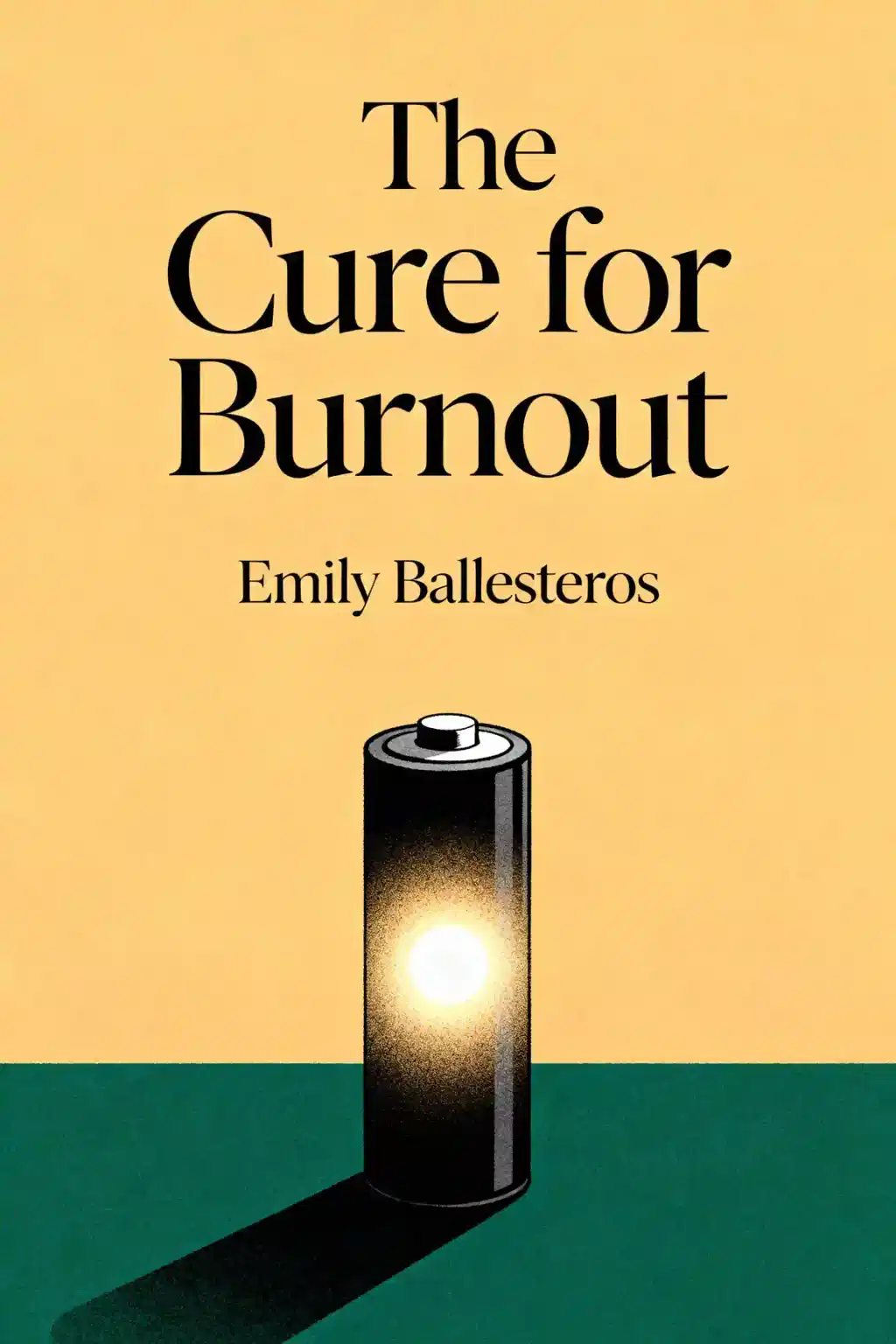
The Cure for Burnout: An Evidence-Based Guide to Finding Balance and Recovering Your Well-Being by Emily Ballesteros Summary

Overview of The Cure for Burnout
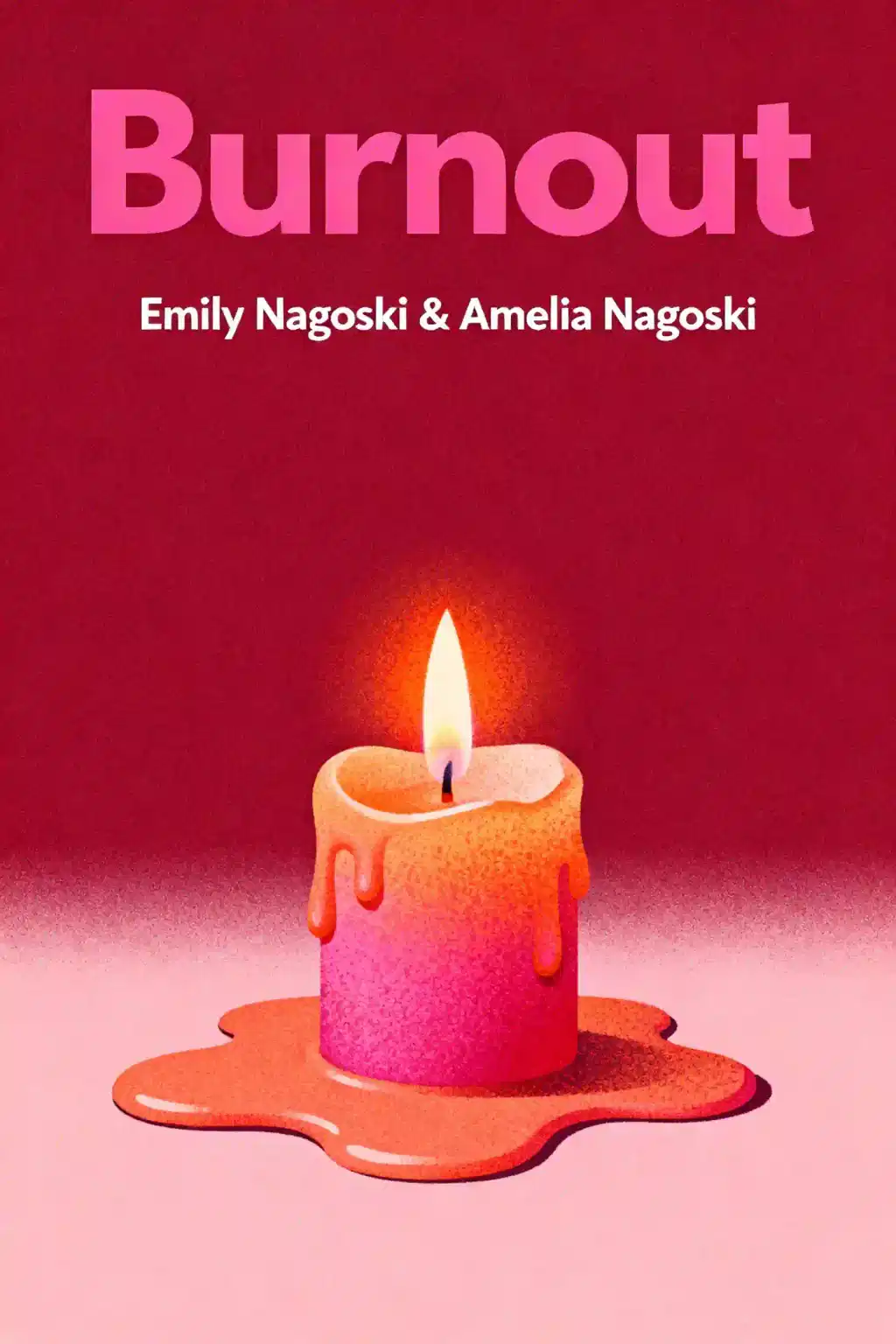
Discover why "Burnout" by the Nagoski sisters - not Ballesteros - became a NYT bestseller by revealing the surprising truth: self-care alone won't save you. What stress cycle are you failing to complete that even TED Talk audiences found revolutionary?
- Emily Ballesteros identifies five burnout cure pillars: mindset, personal care, time management, boundaries, and stress management
- Break chronic burnout cycles using "minimums" for daily non-negotiable self-care activities
- Implement "burnout jenga" technique to address root causes rather than surface symptoms
- Master cognitive reframing to transform overwhelming situations into manageable challenges
- Set boundaries using clear scripts like "I can only commit to X by Y timeline"
- Employ "tangible vs intangible" stress lists to separate solvable vs perpetual stressors
- Use "romanticization" technique to transform mundane tasks into intentional rituals
- Practice "fact-feeling-story" framework to prevent emotional spirals during work conflicts
- Schedule "admin Sundays" for batch task processing to protect weekday energy
- Adopt "gamification" strategies to make progress visible against burnout triggers
- Conduct quarterly boundary audits across professional and personal relationships
- Build "emergency protocols" for stress spikes using 5-minute grounding techniques
About the Author of The Cure for Burnout
Emily Ballesteros, bestselling author of The Cure for Burnout: How to Find Balance and Reclaim Your Life, is a leading burnout management coach and industrial-organizational psychology expert. Blending academic rigor with real-world application, her work in the self-help and professional development genres tackles modern workplace challenges, offering actionable strategies for overcoming chronic stress and achieving sustainable work-life balance.
A former corporate trainer, Ballesteros draws from her experience designing burnout prevention programs for Fortune 500 companies like PepsiCo and Salesforce, as well as her viral TikTok and Instagram platforms where she distills research into digestible wellness frameworks.
Featured in TIME, The Wall Street Journal, and CNBC, she merges cultural analysis with organizational psychology to address systemic drivers of burnout. Her debut book has been praised by thought leaders like Charles Duhigg (The Power of Habit) and endorsed as a practical guide for reclaiming autonomy in hyperconnected environments. The book debuted as a Publishers Weekly standout and has become a foundational resource in corporate training curricula, solidifying Ballesteros’ reputation as the definitive voice on burnout mitigation for the post-pandemic workforce.
FAQs About The Cure for Burnout
What is The Cure for Burnout by Emily Ballesteros about?
The Cure for Burnout offers a science-backed, five-pillar framework to combat modern burnout by addressing mindset, personal care, time management, boundaries, and stress management. Drawing from industrial-organizational psychology, Emily Ballesteros provides actionable strategies to break burnout cycles, restore work-life balance, and reclaim energy. The book blends research with real-world examples, emphasizing habit-building and systemic changes for professionals in high-stress environments.
Who should read The Cure for Burnout?
This book is ideal for corporate professionals, working parents, entrepreneurs, and anyone feeling chronically overextended. Ballesteros’s tools are especially relevant for office workers, remote employees, and those in caregiving roles. Readers seeking structured, step-by-step methods to balance productivity with self-care will find actionable solutions tailored to modern work culture.
Is The Cure for Burnout worth reading?
Yes—readers praise its practical, no-fluff advice and relatable tone. Ballesteros distills complex psychology into digestible steps, making it accessible for burnout newcomers and seasoned sufferers alike. Early reviews highlight its humor, clear frameworks, and effectiveness in breaking cyclical stress patterns. However, those in non-office roles may find some examples less applicable.
What are the five pillars of burnout management in The Cure for Burnout?
Ballesteros’s methodology focuses on:
- Mindset shifts (reframing obligations)
- Personal care rituals (sleep, nutrition, movement)
- Time-blocking strategies (priority-based scheduling)
- Boundary enforcement (saying “no” tactfully)
- Stress inoculation (micro-habits for resilience).
These pillars work synergistically to prevent and reverse burnout.
How does The Cure for Burnout differ from other self-help books?
Unlike vague wellness guides, Ballesteros targets actionable corporate-environment fixes, like email boundaries and meeting efficiency. The book uniquely combines organizational psychology with TikTok-tested tips, avoiding abstract theory. It also addresses post-pandemic work challenges, such as remote/hybrid burnout, making it timely for 2025 readers.
What are key quotes from The Cure for Burnout?
Notable lines include:
- “Burnout isn’t a personal failure—it’s a systems failure.”
- “Your ‘yes’ today shouldn’t bankrupt your tomorrow.”
- “Stress becomes burnout when recovery stops being a priority.”
These emphasize systemic change over individual blame.
Does The Cure for Burnout address workplace-specific burnout?
Yes. Ballesteros dedicates chapters to toxic workplace dynamics, unrealistic deadlines, and “always-on” email culture. She provides scripts for negotiating workloads and redefining productivity metrics. Corporate case studies from PepsiCo and Salesforce illustrate scalable solutions for teams and leaders.
What criticism has The Cure for Burnout received?
Some reviewers note the office-centric examples limit applicability for gig workers or creatives. Others desire deeper exploration of systemic issues like healthcare access. However, most agree the core principles (boundaries, stress management) are broadly adaptable.
How can The Cure for Burnout help with work-life balance?
The book teaches “time ownership” strategies, like calendar audits and task triage. Ballesteros challenges the myth of multitasking, advocating for focused “energy buckets.” Readers learn to identify “balance saboteurs” (e.g., over-optimism) and implement non-negotiable recovery routines.
What actionable steps does The Cure for Burnout recommend?
Key steps include:
- Conducting a burnout audit (tracking stress triggers)
- Implementing micro-boundaries (e.g., email cutoff times)
- Building a “recovery menu” (quick stress resets)
- Practicing habit stacking (linking new routines to existing ones).
Why is The Cure for Burnout relevant in 2025?
With remote work and AI-driven productivity demands intensifying, Ballesteros’s focus on digital detoxing and intentional disconnection resonates. Updated examples address Gen Z workplace trends, like asynchronous communication and results-only work environments (ROWE).
How does Emily Ballesteros’s background influence The Cure for Burnout?
Her corporate training experience at firms like Thermo Fisher informs the pragmatic, employer-friendly tactics. The industrial-organizational psychology lens ensures strategies align with workplace realities rather than idealized self-care scenarios. This bridges the gap between employee well-being and business outcomes.
Feel the book through the author's voice
Turn knowledge into engaging, example-rich insights
Capture key ideas in a flash for fast learning
Enjoy the book in a fun and engaging way
Key Themes in The Cure for Burnout
Quotes from The Cure for Burnout
What once sparked optimism now breeds despair.
Life becomes a performance rather than an experience.
Movements like the Great Resignation reflect workers' growing desire.
Burnout isn't simply feeling tired after a long week.
Characters in The Cure for Burnout
Quick Summary Mode - Read or listen to The Cure for Burnout Summary in 8 Minutes

Break down key ideas from The Cure for Burnout into bite-sized takeaways to understand how innovative teams create, collaborate, and grow.

Flash Card Mode - Top 11 Insights from The Cure for Burnout in a Nutshell

Distill The Cure for Burnout into rapid-fire memory cues that highlight key principles of candor, teamwork, and creative resilience.

Fun Mode - The Cure for Burnout Lessons Told Through 22-Min Stories

Experience The Cure for Burnout through vivid storytelling that turns innovation lessons into moments you'll remember and apply.
Personalize Mode - Read or listen to The Cure for Burnout Summary in 0 Minutes

Ask anything, pick the voice, and co-create insights that truly resonate with you.

From Columbia University alumni built in San Francisco
"Instead of endless scrolling, I just hit play on BeFreed. It saves me so much time."


"I never knew where to start with nonfiction—BeFreed’s book lists turned into podcasts gave me a clear path."


"Perfect balance between learning and entertainment. Finished ‘Thinking, Fast and Slow’ on my commute this week."
"Crazy how much I learned while walking the dog. BeFreed = small habits → big gains."
"Reading used to feel like a chore. Now it’s just part of my lifestyle."

"Feels effortless compared to reading. I’ve finished 6 books this month already."
"BeFreed turned my guilty doomscrolling into something that feels productive and inspiring."

"BeFreed turned my commute into learning time. 20-min podcasts are perfect for finishing books I never had time for."
"BeFreed replaced my podcast queue. Imagine Spotify for books — that’s it. 🙌"

"It is great for me to learn something from the book without reading it."
"The themed book list podcasts help me connect ideas across authors—like a guided audio journey."
"Makes me feel smarter every time before going to work"
From Columbia University alumni built in San Francisco
"Instead of endless scrolling, I just hit play on BeFreed. It saves me so much time."
"I never knew where to start with nonfiction—BeFreed’s book lists turned into podcasts gave me a clear path."
"Perfect balance between learning and entertainment. Finished ‘Thinking, Fast and Slow’ on my commute this week."
"Crazy how much I learned while walking the dog. BeFreed = small habits → big gains."
"Reading used to feel like a chore. Now it’s just part of my lifestyle."
"Feels effortless compared to reading. I’ve finished 6 books this month already."
"BeFreed turned my guilty doomscrolling into something that feels productive and inspiring."
"BeFreed turned my commute into learning time. 20-min podcasts are perfect for finishing books I never had time for."
"BeFreed replaced my podcast queue. Imagine Spotify for books — that’s it. 🙌"
"It is great for me to learn something from the book without reading it."
"The themed book list podcasts help me connect ideas across authors—like a guided audio journey."
"Makes me feel smarter every time before going to work"
"Instead of endless scrolling, I just hit play on BeFreed. It saves me so much time."
"I never knew where to start with nonfiction—BeFreed’s book lists turned into podcasts gave me a clear path."
"Perfect balance between learning and entertainment. Finished ‘Thinking, Fast and Slow’ on my commute this week."
"Crazy how much I learned while walking the dog. BeFreed = small habits → big gains."
"Reading used to feel like a chore. Now it’s just part of my lifestyle."
"Feels effortless compared to reading. I’ve finished 6 books this month already."
"BeFreed turned my guilty doomscrolling into something that feels productive and inspiring."
"BeFreed turned my commute into learning time. 20-min podcasts are perfect for finishing books I never had time for."
"BeFreed replaced my podcast queue. Imagine Spotify for books — that’s it. 🙌"
"It is great for me to learn something from the book without reading it."
"The themed book list podcasts help me connect ideas across authors—like a guided audio journey."
"Makes me feel smarter every time before going to work"
"Instead of endless scrolling, I just hit play on BeFreed. It saves me so much time."
"I never knew where to start with nonfiction—BeFreed’s book lists turned into podcasts gave me a clear path."
"Perfect balance between learning and entertainment. Finished ‘Thinking, Fast and Slow’ on my commute this week."
"Crazy how much I learned while walking the dog. BeFreed = small habits → big gains."
"Reading used to feel like a chore. Now it’s just part of my lifestyle."
"Feels effortless compared to reading. I’ve finished 6 books this month already."
"BeFreed turned my guilty doomscrolling into something that feels productive and inspiring."
"BeFreed turned my commute into learning time. 20-min podcasts are perfect for finishing books I never had time for."
"BeFreed replaced my podcast queue. Imagine Spotify for books — that’s it. 🙌"
"It is great for me to learn something from the book without reading it."
"The themed book list podcasts help me connect ideas across authors—like a guided audio journey."
"Makes me feel smarter every time before going to work"

Get the The Cure for Burnout summary as a free PDF or EPUB. Print it or read offline anytime.