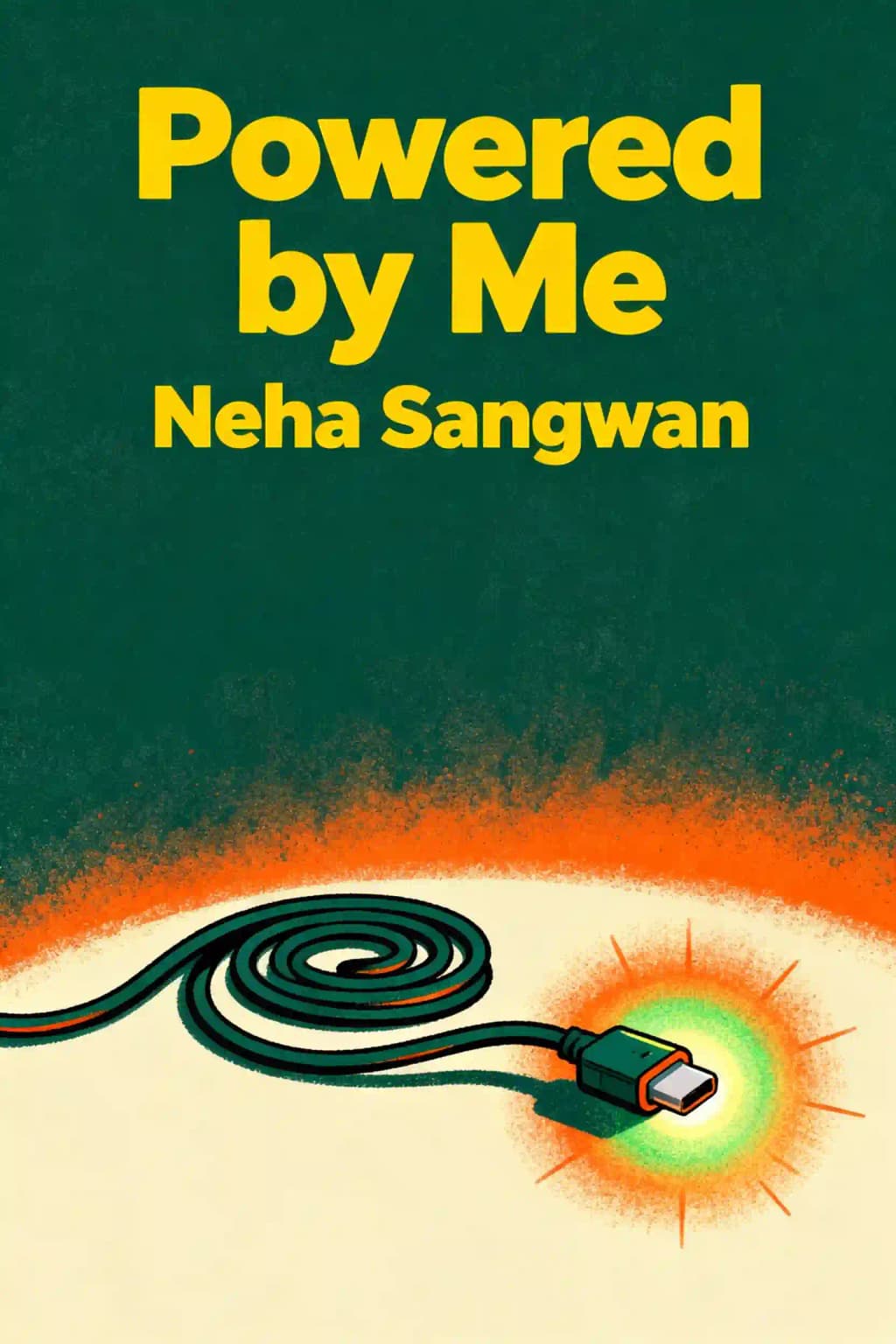
In "Powered by Me," Dr. Neha Sangwan offers a physician's antidote to burnout. Endorsed by wellness leaders like Dr. James Gordon, this guide teaches you to read your body's distress signals before collapse. What if preventing burnout wasn't about working less, but listening differently?
Feel the book through the author's voice
Turn knowledge into engaging, example-rich insights
Capture key ideas in a flash for fast learning
Enjoy the book in a fun and engaging way
Break down key ideas from Powered by Me into bite-sized takeaways to understand how innovative teams create, collaborate, and grow.
Distill Powered by Me into rapid-fire memory cues that highlight Pixar’s principles of candor, teamwork, and creative resilience.

Experience Powered by Me through vivid storytelling that turns Pixar’s innovation lessons into moments you’ll remember and apply.
Ask anything, pick the voice, and co-create insights that truly resonate with you.

From Columbia University alumni built in San Francisco

Get the Powered by Me summary as a free PDF or EPUB. Print it or read offline anytime.
Have you ever found yourself staring blankly at your computer, unable to remember what you were doing just moments ago? This was Dr. Neha Sangwan's wake-up call when she repeatedly asked a nurse the same question without remembering she'd already asked it. The cognitive fog that had settled over her brilliant mind was just one symptom of a condition affecting millions worldwide: burnout. While officially recognized by the World Health Organization only in 2019, burnout has been silently eroding our wellbeing for decades. Burnout isn't simply feeling tired-it's a complex condition that manifests across multiple dimensions. Physically, it appears as chronic fatigue and increased illness. Mentally, it shows up as brain fog and diminished creativity. Emotionally, we experience detachment and cynicism. Socially, we withdraw from relationships. Spiritually, we lose our sense of meaning and purpose. What makes burnout particularly insidious is how gradually it develops. We've normalized a state of chronic stress that our bodies were never designed to endure. We push through discomfort, ignore warning signs, and prioritize external demands over internal needs. The result? A society where depletion has become the default state. The path to recovery begins with recognition. Burnout isn't a personal failure-it's a natural response to chronic stress without adequate recovery. And contrary to popular belief, it's not exclusively work-related. Students, parents, retirees, and people from all walks of life can experience burnout when chronic stressors outpace their resources for too long.