Why Are All the Black Kids Sitting Together in the Cafeteria?: And Other Conversations about Race

Overview of Why Are All the Black Kids Sitting Together in the Cafeteria?
Beverly Daniel Tatum's bestselling exploration of racial identity asks: why do we self-segregate? This eye-opening classic, praised by Jonathan Kozol as "valuable" and "sensitive," reveals how racial clustering isn't a problem but a coping strategy - sparking both acclaim and controversy while transforming America's conversation about race.
- Racial self-segregation in schools supports Black teens’ identity development stages
- Beverly Daniel Tatum defines racism as systemic “prejudice plus power” dynamics
- Cross-racial conversations require psychological safety and white racial identity awareness
- Affinity groups provide critical spaces for processing racialized childhood experiences
- The “myth of colorblindness” prevents constructive intergenerational racial dialogues
- Black adolescents need racial mirrors more than colorblind assimilation in education
- White racial identity development requires confronting privilege and inherited racism
- School segregation persists through housing policies and academic tracking systems
- Racial identity crystallization typically intensifies during adolescence and young adulthood
- Anti-affirmative action policies worsened educational disparities post-Brown v. Board
- Interracial friendships deepen when white peers acknowledge systemic racism impacts
- Racial socialization differences explain Black-white gaps in school achievement cultures
About the Author of Why Are All the Black Kids Sitting Together in the Cafeteria?
Beverly Christine Daniel Tatum, acclaimed psychologist and bestselling author of Why Are All the Black Kids Sitting Together in the Cafeteria?, is a pioneering voice on racial identity development and multicultural education.
A clinical psychologist with a PhD from the University of Michigan, Tatum served as president of Spelman College, where she spearheaded initiatives to advance equity in higher education. Her expertise stems from decades of academic leadership, including faculty roles at Mount Holyoke College, and her groundbreaking research on race relations in schools.
Why Are All the Black Kids Sitting Together in the Cafeteria?—a cornerstone of antiracist literature—combines psychological insight with actionable strategies for fostering cross-racial dialogue, reflecting Tatum’s career bridging scholarship and social impact. Her other works, including Can We Talk About Race? and Assimilation Blues, further explore systemic inequities and identity formation.
Recognized with a 2014 induction into the American Philosophical Society, Tatum’s contributions have influenced national conversations on education and diversity. Why Are All the Black Kids Sitting Together in the Cafeteria? remains a modern classic, lauded by educators and readers alike, with revised editions ensuring its relevance in ongoing discussions about race in America.
FAQs About Why Are All the Black Kids Sitting Together in the Cafeteria?
What is Why Are All the Black Kids Sitting Together in the Cafeteria? about?
Beverly Daniel Tatum’s book explores racial identity development, self-segregation in schools, and strategies for constructive conversations about racism. It analyzes why Black students often cluster socially, framing this behavior as a coping mechanism in racially charged environments. The revised 2017 edition updates examples and reinforces the urgency of addressing systemic racism through education and dialogue.
Who is Beverly Daniel Tatum?
Dr. Beverly Daniel Tatum is a psychologist, former president of Spelman College, and renowned expert on race and education. With a Ph.D. in clinical psychology, she has authored influential works on racial identity, assimilation, and antiracism. Her career spans academia, administration, and advocacy, cementing her as a leading voice in understanding racial dynamics in schools and society.
Who should read Why Are All the Black Kids Sitting Together in the Cafeteria??
Educators, parents, policymakers, and anyone seeking to understand systemic racism’s psychological impacts will benefit. The book is particularly valuable for those navigating cross-racial communication or working in diverse environments. Tatum’s accessible style makes complex concepts like racial identity development approachable for general readers and professionals alike.
Is Why Are All the Black Kids Sitting Together in the Cafeteria? worth reading?
Yes—the book remains a seminal text on race relations, offering actionable insights for fostering antiracist dialogue. Its revised edition addresses modern racial tensions, making it relevant for understanding current societal challenges. Critics praise its blend of research, case studies, and practical advice for individuals and institutions.
What is racial identity development according to Beverly Daniel Tatum?
Tatum defines racial identity development as the process of understanding how race shapes one’s experiences and self-perception. She emphasizes that Black adolescents often undergo distinct stages of exploration and affirmation, particularly in predominantly white spaces. This framework helps explain self-segregation as a natural response to systemic marginalization.
Why do Black students self-segregate in schools?
Tatum argues self-segregation is a coping strategy against racial microaggressions and isolation in majority-white institutions. Middle school marks a turning point as Black youth become more aware of societal racism, seeking safe spaces to affirm their identities. This grouping fosters resilience and counters feelings of alienation.
How does the book address talking about race in America?
Tatum advocates for direct, compassionate conversations about racial differences and systemic inequality. She provides tools to move beyond discomfort, emphasizing that acknowledging racial identities is essential for meaningful dialogue. The book critiques colorblind ideologies and encourages proactive antiracist action in schools and communities.
What are the main criticisms of the book?
Some critics argue Tatum oversimplifies solutions to systemic racism or overemphasizes monoracial groupings. Others note the 1997 edition’s limited intersectional analysis of class and gender. However, the revised edition addresses some gaps, and supporters highlight its enduring utility in education and organizational training.
How does the 2017 revised edition update Tatum’s original arguments?
The updated edition incorporates modern examples like the Black Lives Matter movement and debates over police violence. Tatum reaffirms her core thesis while addressing heightened political polarization, underscoring the continued need for racial literacy in schools and public discourse.
What role do schools play in racial segregation according to Tatum?
Schools often perpetuate segregation through inequitable policies, curricula, and implicit biases. Tatum notes that even integrated schools fail to address racial hierarchies, leading students to self-segregate as a form of resistance. She urges educators to create inclusive environments that validate diverse identities.
What is the significance of the cafeteria metaphor?
The cafeteria symbolizes spaces where racial hierarchies become visibly entrenched. Tatum uses it to challenge assumptions about “problematic” Black self-segregation while ignoring white grouping patterns. The metaphor underscores the need to confront systemic inequities rather than pathologizing marginalized communities.
How does Tatum suggest fostering cross-racial communication?
She recommends creating structured opportunities for dialogue, such as diversity workshops or inclusive curriculum reforms. Tatum stresses the importance of acknowledging historical injustices and power imbalances to build mutual understanding. Schools and workplaces must prioritize sustained engagement over superficial solutions.
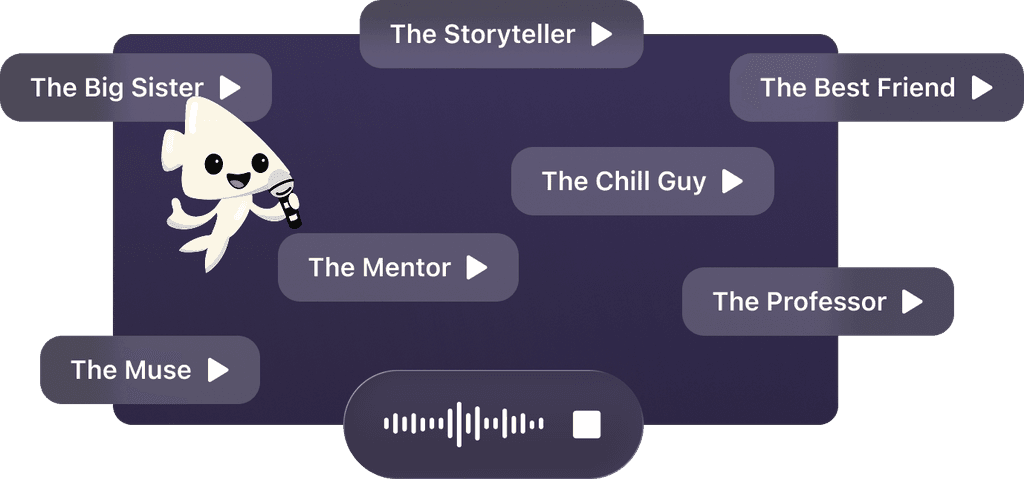
Feel the book through the author's voice
Turn knowledge into engaging, example-rich insights
Capture key ideas in a flash for fast learning
Enjoy the book in a fun and engaging way
Characters in Why Are All the Black Kids Sitting Together in the Cafeteria?
- Beverly Daniel TatumAuthor and psychologist specializing in identity
- John LoganSociologist who studies racial stratification
Key Themes in Why Are All the Black Kids Sitting Together in the Cafeteria?
- racial identity development
- structural racism
- residential segregation
- color-blind ideology
- educational inequality
Quotes from Why Are All the Black Kids Sitting Together in the Cafeteria?
Racism is like smog in the air.
Prejudice is a preconceived judgment or opinion, usually based on limited information.
The concept of race is a social construction.
Segregation functions as 'the structural linchpin in America's system of racial stratification.'
Change has come to America!
Explore Your Way of Learning
 Quick Summary Mode
Read or listen to Why Are All the Black Kids Sitting Together in the Cafeteria? Summary in 9 Minutes
Break down key ideas from Why Are All the Black Kids Sitting Together in the Cafeteria? into bite-sized takeaways to understand how innovative teams create, collaborate, and grow.

 Fun Mode
Why Are All the Black Kids Sitting Together in the Cafeteria? Lessons Told Through 22-Min Stories
Experience Why Are All the Black Kids Sitting Together in the Cafeteria? through vivid storytelling that turns innovation lessons into moments you'll remember and apply.
 Personalize Mode
Experience Why Are All the Black Kids Sitting Together in the Cafeteria? in your own learning style
Ask anything, choose your learning style, and co-create insights that truly resonate with you.
From Columbia University alumni built in San Francisco
"Instead of endless scrolling, I just hit play on BeFreed. It saves me so much time."


"I never knew where to start with nonfiction—BeFreed’s book lists turned into podcasts gave me a clear path."


"Perfect balance between learning and entertainment. Finished ‘Thinking, Fast and Slow’ on my commute this week."
"Crazy how much I learned while walking the dog. BeFreed = small habits → big gains."
"Reading used to feel like a chore. Now it’s just part of my lifestyle."

"Feels effortless compared to reading. I’ve finished 6 books this month already."
"BeFreed turned my guilty doomscrolling into something that feels productive and inspiring."

"BeFreed turned my commute into learning time. 20-min podcasts are perfect for finishing books I never had time for."
"BeFreed replaced my podcast queue. Imagine Spotify for books — that’s it. 🙌"

"It is great for me to learn something from the book without reading it."
"The themed book list podcasts help me connect ideas across authors—like a guided audio journey."
"Makes me feel smarter every time before going to work"
From Columbia University alumni built in San Francisco
"Instead of endless scrolling, I just hit play on BeFreed. It saves me so much time."
"I never knew where to start with nonfiction—BeFreed’s book lists turned into podcasts gave me a clear path."
"Perfect balance between learning and entertainment. Finished ‘Thinking, Fast and Slow’ on my commute this week."
"Crazy how much I learned while walking the dog. BeFreed = small habits → big gains."
"Reading used to feel like a chore. Now it’s just part of my lifestyle."
"Feels effortless compared to reading. I’ve finished 6 books this month already."
"BeFreed turned my guilty doomscrolling into something that feels productive and inspiring."
"BeFreed turned my commute into learning time. 20-min podcasts are perfect for finishing books I never had time for."
"BeFreed replaced my podcast queue. Imagine Spotify for books — that’s it. 🙌"
"It is great for me to learn something from the book without reading it."
"The themed book list podcasts help me connect ideas across authors—like a guided audio journey."
"Makes me feel smarter every time before going to work"
"Instead of endless scrolling, I just hit play on BeFreed. It saves me so much time."
"I never knew where to start with nonfiction—BeFreed’s book lists turned into podcasts gave me a clear path."
"Perfect balance between learning and entertainment. Finished ‘Thinking, Fast and Slow’ on my commute this week."
"Crazy how much I learned while walking the dog. BeFreed = small habits → big gains."
"Reading used to feel like a chore. Now it’s just part of my lifestyle."
"Feels effortless compared to reading. I’ve finished 6 books this month already."
"BeFreed turned my guilty doomscrolling into something that feels productive and inspiring."
"BeFreed turned my commute into learning time. 20-min podcasts are perfect for finishing books I never had time for."
"BeFreed replaced my podcast queue. Imagine Spotify for books — that’s it. 🙌"
"It is great for me to learn something from the book without reading it."
"The themed book list podcasts help me connect ideas across authors—like a guided audio journey."
"Makes me feel smarter every time before going to work"
"Instead of endless scrolling, I just hit play on BeFreed. It saves me so much time."
"I never knew where to start with nonfiction—BeFreed’s book lists turned into podcasts gave me a clear path."
"Perfect balance between learning and entertainment. Finished ‘Thinking, Fast and Slow’ on my commute this week."
"Crazy how much I learned while walking the dog. BeFreed = small habits → big gains."
"Reading used to feel like a chore. Now it’s just part of my lifestyle."
"Feels effortless compared to reading. I’ve finished 6 books this month already."
"BeFreed turned my guilty doomscrolling into something that feels productive and inspiring."
"BeFreed turned my commute into learning time. 20-min podcasts are perfect for finishing books I never had time for."
"BeFreed replaced my podcast queue. Imagine Spotify for books — that’s it. 🙌"
"It is great for me to learn something from the book without reading it."
"The themed book list podcasts help me connect ideas across authors—like a guided audio journey."
"Makes me feel smarter every time before going to work"

Download Summary of Why Are All the Black Kids Sitting Together in the Cafeteria?
Get the Why Are All the Black Kids Sitting Together in the Cafeteria? summary as a free PDF or EPUB. Print it or read offline anytime.