Overview of Red Light Therapy
Discover the scientifically-backed "miracle medicine" transforming thousands of lives worldwide. Mark Sloan's bestselling guide reveals how red light therapy tackles aging, pain, and brain fog - without pills. What health issue could 7 simple steps solve for you?
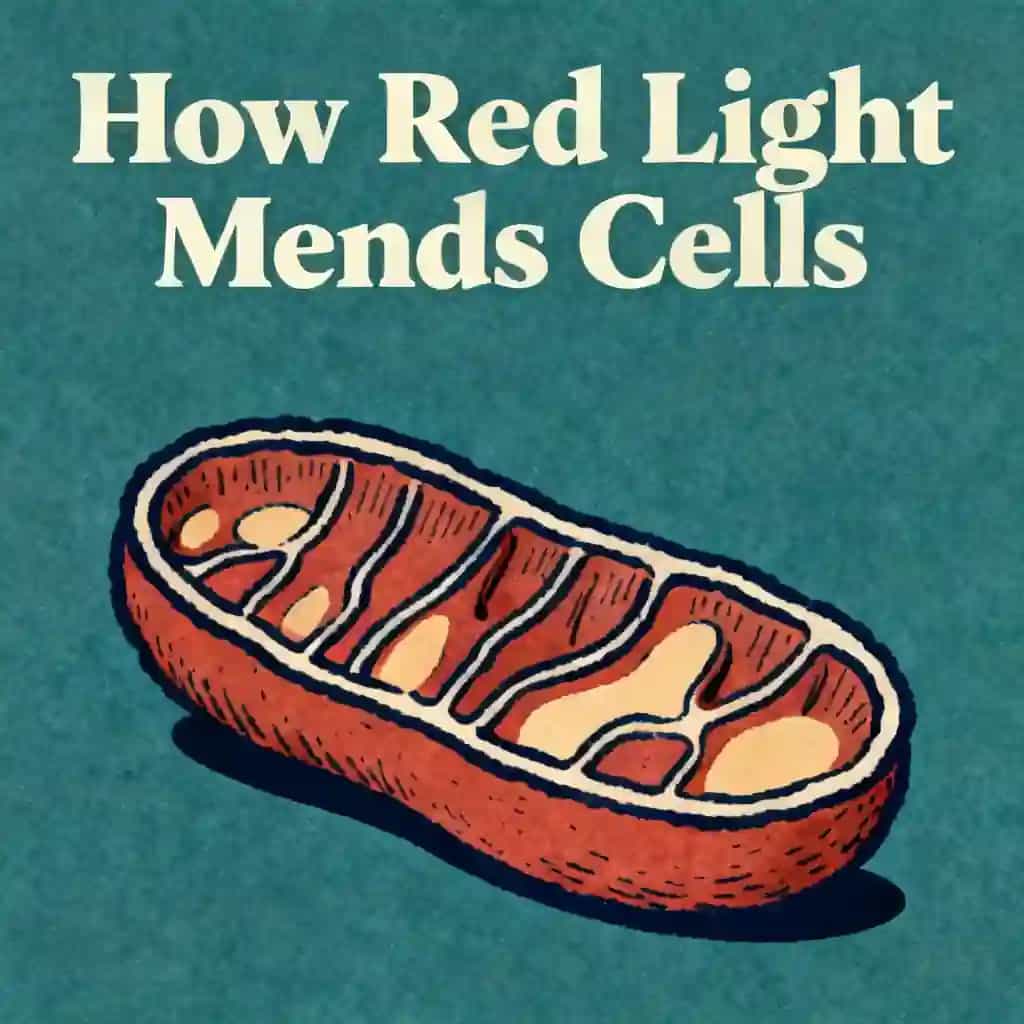
- Red light therapy activates mitochondria to boost cellular energy production and accelerate healing.
- The 7-step home protocol maximizes results by optimizing light positioning and treatment duration.
- Near-infrared wavelengths penetrate deeper to reduce inflammation and enhance muscle recovery.
- Combating mitochondrial dysfunction reverses aging and improves brain function through ATP synthesis.
- At-home devices provide cost-effective solutions for acne reduction and wrinkle smoothing.
- Clinical studies show red light enhances fat loss by targeting adipose tissue metabolism.
- Mark Sloan’s “Mitochondrial Reboot” framework addresses chronic fatigue and chronic pain holistically.
- Synergistic protocols combine red light with cold therapy for amplified anti-aging effects.
- Red light outperforms pharmaceuticals for depression by balancing neurotransmitters without side effects.
- The therapy’s FDA-approved applications include wound healing and post-surgery recovery acceleration.
- Sloan’s research links improved sexual health and fertility to enhanced blood flow from treatments.
- DIY users avoid common mistakes like overexposure by following the 12-minute daily guideline.
About the Author of Red Light Therapy
Mark Sloan, author of Red Light Therapy: Harnessing Light for Healing, is a multidisciplinary author, curator, and science communicator known for bridging art, history, and scientific inquiry.
Born in Durham, North Carolina, and educated at the University of Richmond and Virginia Commonwealth University, Sloan’s work often explores intersections of innovation and human well-being. His critically acclaimed book The Rarest of the Rare (2004), a collaboration with Harvard Museum of Natural History, was featured on NPR and named a Discover magazine Top Science Book, showcasing his ability to translate complex concepts into engaging narratives.
As director of Charleston’s Halsey Institute of Contemporary Art, Sloan has curated exhibitions at the Grand Palais, High Museum, and U.S. National Academy of Sciences, venues that reflect his commitment to public education. His photography and essays in Southbound: Photographs of and about the New South further demonstrate his focus on transformative cultural and technological shifts.
Red Light Therapy builds on Sloan’s signature approach, blending rigorous research with accessible storytelling. His works have been translated into multiple languages and are frequently cited in academic and artistic circles.
FAQs About Red Light Therapy
What is Red Light Therapy: Miracle Medicine about?
Red Light Therapy: Miracle Medicine by Mark Sloan explores the science and practical application of red and near-infrared light therapy for treating various health conditions. Backed by hundreds of studies, it outlines a 7-step protocol for at-home use, covering pain relief, skin rejuvenation, fat loss, and mental health improvements. The book also includes success stories and rare therapy combinations to enhance results.
Who should read Red Light Therapy: Miracle Medicine?
This book is ideal for individuals seeking drug-free solutions for chronic pain, skin issues (acne, wrinkles), low energy, depression, or fertility challenges. It’s also valuable for fitness enthusiasts aiming to boost muscle growth and recovery. Readers interested in evidence-based alternative therapies will find actionable guidance.
Is Red Light Therapy: Miracle Medicine worth reading?
Yes—the book synthesizes over 50,000 studies into clear, practical advice, supported by 20+ success stories. However, some claims lack robust scientific backing, and Sloan’s promotion of controversial figures like HIV denialists has drawn criticism. Overall, it’s a comprehensive resource for beginners but requires cautious evaluation of certain assertions.
How does red light therapy work according to Mark Sloan?
Sloan explains that near-infrared and red light penetrate the skin to stimulate mitochondria, boosting cellular energy (ATP) production. This accelerates tissue repair, reduces inflammation, and enhances collagen synthesis. Optimal results depend on factors like light placement distance and session duration, detailed in his 7-step protocol.
What is Mark Sloan’s 7-step red light therapy protocol?
The protocol includes:
- Positioning lights for maximum absorption (specific distances).
- Tailoring treatment times to individual conditions.
- Avoiding common mistakes like overexposure.
- Combining red light with therapies like cold exposure for synergistic effects.
What health benefits does red light therapy offer?
Key benefits include:
- Skin health: Reducing wrinkles, acne, and cellulite.
- Pain relief: Accelerating injury recovery and easing chronic pain.
- Mental wellness: Alleviating depression and boosting cognitive function.
- Fitness: Enhancing muscle growth and athletic performance.
Does Red Light Therapy: Miracle Medicine cite scientific evidence?
Yes—the book references hundreds of peer-reviewed studies, including FDA-approved uses for acne and pain relief. However, critics note that some claims (e.g., fat loss, HIV treatment) rely on weaker evidence or anecdotal reports, requiring further validation.
Are there criticisms of Red Light Therapy: Miracle Medicine?
Critics highlight Sloan’s endorsement of discredited HIV/AIDS denialists and occasional overstatements about red light’s universality. While most therapeutic applications are well-supported, readers should cross-check extreme claims with medical professionals.
Who is Mark Sloan, the author of Red Light Therapy: Miracle Medicine?
Mark Sloan is a science writer and health advocate who has authored three bestselling books. After losing his mother to cancer, he dedicated his career to researching alternative therapies. His blog and books blend scientific rigor with accessible guidance.
How does Red Light Therapy: Miracle Medicine compare to other wellness books?
Unlike broader wellness guides, Sloan’s book focuses exclusively on red light therapy, offering granular technical advice. It complements works like The Circadian Code but stands out for its protocol-driven approach and condition-specific recommendations.
Can red light therapy help with anti-aging?
Yes—the book details how red light stimulates collagen production, reduces wrinkles, and improves skin elasticity. Studies cited show visible improvements in skin texture and tone after consistent use, making it a non-invasive anti-aging solution.
What real-life applications does the book include?
Sloan shares 20+ success stories, such as individuals overcoming joint pain, accelerating wound healing, and improving mental clarity. These examples demonstrate practical applications for conditions like arthritis, sports injuries, and acne.
Are there risks or side effects to red light therapy?
The book notes minimal risks when protocols are followed correctly, though overuse may cause mild skin irritation. Sloan emphasizes avoiding unproven combinations (e.g., with untested supplements) without professional guidance.
Does the book address red light therapy for mental health?
Yes—Sloan highlights studies showing red light’s ability to reduce depressive symptoms and enhance brain function by increasing cerebral blood flow and reducing oxidative stress. Users report improved mood and mental sharpness.
How does Red Light Therapy: Miracle Medicine recommend combining therapies?
Sloan suggests pairing red light with cold exposure or nitric oxide boosters to amplify benefits. These combinations aim to enhance circulation, reduce inflammation, and accelerate recovery, though evidence varies by method.
Feel the book through the author's voice
Turn knowledge into engaging, example-rich insights
Capture key ideas in a flash for fast learning
Enjoy the book in a fun and engaging way
Characters in Red Light Therapy
- Mark SloanAuthor and researcher of red light therapy
- Neils Ryberg FinsenNobel Prize winner for ultraviolet light therapy
- Dr. John Harvey KelloggPhysician who documented light therapeutics
- Endre MesterPhysician who discovered laser-induced healing
- Dr. Otto WarburgNobel Prize winner who discovered cytochrome c
Key Themes in Red Light Therapy
- mitochondrial health
- photobiomodulation science
- cellular metabolism
- near-infrared therapy
- non-invasive healing
Quotes from Red Light Therapy
Conventional medicine...has become America's leading cause of death.
Healing with light isn't a modern discovery-it's ancient wisdom rediscovered.
Nearly every disease state has been linked to low mitochondrial activity.
This isn't just another wellness trend-it's a paradigm shift in healing.
Red light therapy helps the body heal itself from within.
Explore Your Way of Learning
 Quick Summary Mode
Read or listen to Red Light Therapy Summary in 9 Minutes
Break down key ideas from Red Light Therapy into bite-sized takeaways to understand how innovative teams create, collaborate, and grow.

 Fun Mode
Red Light Therapy Lessons Told Through 24-Min Stories
Experience Red Light Therapy through vivid storytelling that turns innovation lessons into moments you'll remember and apply.
 Personalize Mode
Experience Red Light Therapy in your own learning style
Ask anything, choose your learning style, and co-create insights that truly resonate with you.
From Columbia University alumni built in San Francisco
"Instead of endless scrolling, I just hit play on BeFreed. It saves me so much time."


"I never knew where to start with nonfiction—BeFreed’s book lists turned into podcasts gave me a clear path."


"Perfect balance between learning and entertainment. Finished ‘Thinking, Fast and Slow’ on my commute this week."
"Crazy how much I learned while walking the dog. BeFreed = small habits → big gains."
"Reading used to feel like a chore. Now it’s just part of my lifestyle."

"Feels effortless compared to reading. I’ve finished 6 books this month already."
"BeFreed turned my guilty doomscrolling into something that feels productive and inspiring."

"BeFreed turned my commute into learning time. 20-min podcasts are perfect for finishing books I never had time for."
"BeFreed replaced my podcast queue. Imagine Spotify for books — that’s it. 🙌"

"It is great for me to learn something from the book without reading it."
"The themed book list podcasts help me connect ideas across authors—like a guided audio journey."
"Makes me feel smarter every time before going to work"
From Columbia University alumni built in San Francisco
"Instead of endless scrolling, I just hit play on BeFreed. It saves me so much time."
"I never knew where to start with nonfiction—BeFreed’s book lists turned into podcasts gave me a clear path."
"Perfect balance between learning and entertainment. Finished ‘Thinking, Fast and Slow’ on my commute this week."
"Crazy how much I learned while walking the dog. BeFreed = small habits → big gains."
"Reading used to feel like a chore. Now it’s just part of my lifestyle."
"Feels effortless compared to reading. I’ve finished 6 books this month already."
"BeFreed turned my guilty doomscrolling into something that feels productive and inspiring."
"BeFreed turned my commute into learning time. 20-min podcasts are perfect for finishing books I never had time for."
"BeFreed replaced my podcast queue. Imagine Spotify for books — that’s it. 🙌"
"It is great for me to learn something from the book without reading it."
"The themed book list podcasts help me connect ideas across authors—like a guided audio journey."
"Makes me feel smarter every time before going to work"
"Instead of endless scrolling, I just hit play on BeFreed. It saves me so much time."
"I never knew where to start with nonfiction—BeFreed’s book lists turned into podcasts gave me a clear path."
"Perfect balance between learning and entertainment. Finished ‘Thinking, Fast and Slow’ on my commute this week."
"Crazy how much I learned while walking the dog. BeFreed = small habits → big gains."
"Reading used to feel like a chore. Now it’s just part of my lifestyle."
"Feels effortless compared to reading. I’ve finished 6 books this month already."
"BeFreed turned my guilty doomscrolling into something that feels productive and inspiring."
"BeFreed turned my commute into learning time. 20-min podcasts are perfect for finishing books I never had time for."
"BeFreed replaced my podcast queue. Imagine Spotify for books — that’s it. 🙌"
"It is great for me to learn something from the book without reading it."
"The themed book list podcasts help me connect ideas across authors—like a guided audio journey."
"Makes me feel smarter every time before going to work"
"Instead of endless scrolling, I just hit play on BeFreed. It saves me so much time."
"I never knew where to start with nonfiction—BeFreed’s book lists turned into podcasts gave me a clear path."
"Perfect balance between learning and entertainment. Finished ‘Thinking, Fast and Slow’ on my commute this week."
"Crazy how much I learned while walking the dog. BeFreed = small habits → big gains."
"Reading used to feel like a chore. Now it’s just part of my lifestyle."
"Feels effortless compared to reading. I’ve finished 6 books this month already."
"BeFreed turned my guilty doomscrolling into something that feels productive and inspiring."
"BeFreed turned my commute into learning time. 20-min podcasts are perfect for finishing books I never had time for."
"BeFreed replaced my podcast queue. Imagine Spotify for books — that’s it. 🙌"
"It is great for me to learn something from the book without reading it."
"The themed book list podcasts help me connect ideas across authors—like a guided audio journey."
"Makes me feel smarter every time before going to work"

Download Summary of Red Light Therapy
Get the Red Light Therapy summary as a free PDF or EPUB. Print it or read offline anytime.