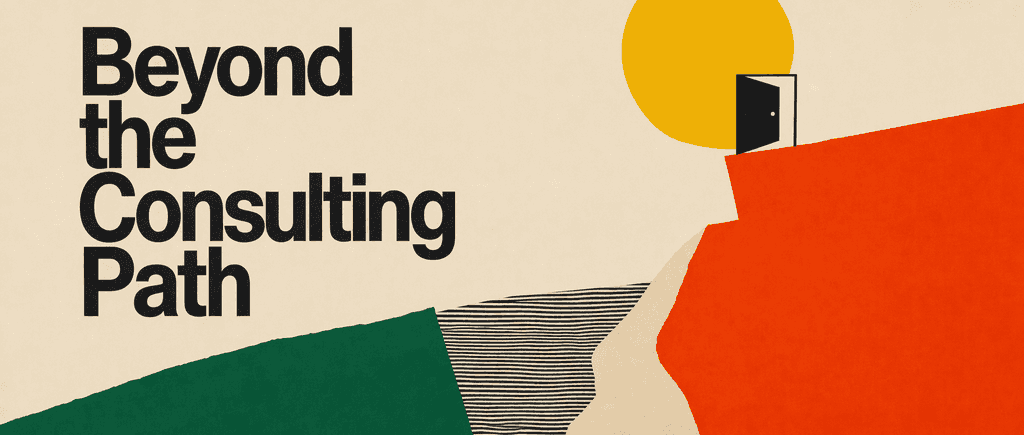
Wildlife conservation jobs are changing fast
Budget cuts and political shifts are stalling federal hiring. Learn how to navigate this changing job market and where the new opportunities are rising.

Melhor citação de Wildlife conservation jobs are changing fast
The field is adapting; it’s a shift from federal-led to partnership-led conservation where the 'hero' of the story might not always wear a federal badge anymore. It’s a volatile landscape, but the passion of the community is really what’s keeping the lights on.
Generated by Laura
Job market outlook in today’s economy and current political administration influences, specifically wildlife conservation career fields

Perguntas frequentes
The crisis is driven by a combination of significant budget cuts and intentional "workforce optimization" strategies. The U.S. Fish and Wildlife Service recently cut 420 positions, and the National Park Service has seen a staff reduction of over 33 percent. Additionally, initiatives like the Department of Government Efficiency (DOGE) and the "A Fork in the Road" memo encouraged mass voluntary resignations, while new requirements for employees to justify their roles weekly created a "traumatic" work environment that led to a massive brain drain of institutional knowledge.
The shutdown was the longest in U.S. history and was uniquely stressful because the administration threatened permanent layoffs instead of standard furloughs. While "mission-critical" scientists like meteorologists and hurricane hunters were required to work without pay, others were left in professional limbo. The gap in funding caused a massive backlog in endangered species recovery plans, habitat restoration projects, and research data collection, leading many federal employees to consider moving to the private sector or state government for better stability.
The rollbacks refer to a 2025 proposal to return the Endangered Species Act (ESA) to 2019 interpretations. Key changes include eliminating the "Blanket Rule," which previously gave "threatened" species the same automatic protections as "endangered" ones. The new rules require individualized protections for every species, narrow the definition of "foreseeable future" regarding environmental threats, and prioritize currently occupied habitats over areas that species might need to migrate to due to climate change.
The field is shifting from a federal-led model to a partnership-led model. Non-profits like the Vermont Center for Ecostudies and various state agencies are stepping in to fill research and management gaps. States like California have passed "backstop" legislation to maintain species protections even if federal standards are lowered. Additionally, professional societies are helping scientists bypass federal restrictions by nominating them for international reports through universities rather than government agencies.
Job seekers are encouraged to diversify their targets by looking beyond federal agencies toward state roles, non-profits, and private land stewardship. The script highlights that "seasonal is the new permanent," suggesting that applicants use seasonal roles in the Forest Service to gain experience. Candidates should also emphasize "soft skills" like partnership management and grant writing, as the ability to collaborate across different sectors is now a "hard requirement" in a landscape defined by limited resources.
Criado por ex-alunos da Universidade de Columbia em San Francisco
"Instead of endless scrolling, I just hit play on BeFreed. It saves me so much time."


"I never knew where to start with nonfiction—BeFreed’s book lists turned into podcasts gave me a clear path."


"Perfect balance between learning and entertainment. Finished ‘Thinking, Fast and Slow’ on my commute this week."
"Crazy how much I learned while walking the dog. BeFreed = small habits → big gains."
"Reading used to feel like a chore. Now it’s just part of my lifestyle."

"Feels effortless compared to reading. I’ve finished 6 books this month already."
"BeFreed turned my guilty doomscrolling into something that feels productive and inspiring."

"BeFreed turned my commute into learning time. 20-min podcasts are perfect for finishing books I never had time for."
"BeFreed replaced my podcast queue. Imagine Spotify for books — that’s it. 🙌"

"It is great for me to learn something from the book without reading it."
"The themed book list podcasts help me connect ideas across authors—like a guided audio journey."
"Makes me feel smarter every time before going to work"
Criado por ex-alunos da Universidade de Columbia em San Francisco
"Instead of endless scrolling, I just hit play on BeFreed. It saves me so much time."
"I never knew where to start with nonfiction—BeFreed’s book lists turned into podcasts gave me a clear path."
"Perfect balance between learning and entertainment. Finished ‘Thinking, Fast and Slow’ on my commute this week."
"Crazy how much I learned while walking the dog. BeFreed = small habits → big gains."
"Reading used to feel like a chore. Now it’s just part of my lifestyle."
"Feels effortless compared to reading. I’ve finished 6 books this month already."
"BeFreed turned my guilty doomscrolling into something that feels productive and inspiring."
"BeFreed turned my commute into learning time. 20-min podcasts are perfect for finishing books I never had time for."
"BeFreed replaced my podcast queue. Imagine Spotify for books — that’s it. 🙌"
"It is great for me to learn something from the book without reading it."
"The themed book list podcasts help me connect ideas across authors—like a guided audio journey."
"Makes me feel smarter every time before going to work"
"Instead of endless scrolling, I just hit play on BeFreed. It saves me so much time."
"I never knew where to start with nonfiction—BeFreed’s book lists turned into podcasts gave me a clear path."
"Perfect balance between learning and entertainment. Finished ‘Thinking, Fast and Slow’ on my commute this week."
"Crazy how much I learned while walking the dog. BeFreed = small habits → big gains."
"Reading used to feel like a chore. Now it’s just part of my lifestyle."
"Feels effortless compared to reading. I’ve finished 6 books this month already."
"BeFreed turned my guilty doomscrolling into something that feels productive and inspiring."
"BeFreed turned my commute into learning time. 20-min podcasts are perfect for finishing books I never had time for."
"BeFreed replaced my podcast queue. Imagine Spotify for books — that’s it. 🙌"
"It is great for me to learn something from the book without reading it."
"The themed book list podcasts help me connect ideas across authors—like a guided audio journey."
"Makes me feel smarter every time before going to work"
"Instead of endless scrolling, I just hit play on BeFreed. It saves me so much time."
"I never knew where to start with nonfiction—BeFreed’s book lists turned into podcasts gave me a clear path."
"Perfect balance between learning and entertainment. Finished ‘Thinking, Fast and Slow’ on my commute this week."
"Crazy how much I learned while walking the dog. BeFreed = small habits → big gains."
"Reading used to feel like a chore. Now it’s just part of my lifestyle."
"Feels effortless compared to reading. I’ve finished 6 books this month already."
"BeFreed turned my guilty doomscrolling into something that feels productive and inspiring."
"BeFreed turned my commute into learning time. 20-min podcasts are perfect for finishing books I never had time for."
"BeFreed replaced my podcast queue. Imagine Spotify for books — that’s it. 🙌"
"It is great for me to learn something from the book without reading it."
"The themed book list podcasts help me connect ideas across authors—like a guided audio journey."
"Makes me feel smarter every time before going to work"