Why Racism Persists in a Connected World
Education alone hasn't ended prejudice because our brains and institutions are wired for it. Learn how to spot systemic patterns and break the cycle.

Melhor citação de Why Racism Persists in a Connected World
Individual good intentions aren't enough to dismantle a system built on hundreds of years of psychological and structural reinforcement; you don’t need an individual racist operator for the machine to produce a biased outcome.
Generated by Kevin
Analyze why racism persists in modern, educated, highly connected societies. Examine psychological factors (bias, in-group/out-group), historical structures, economic incentives, media influence, and social identity. Use research from sociology and psychology to explain why increased education and connectivity haven’t eliminated racism, and distinguish between individual prejudice and systemic patterns.

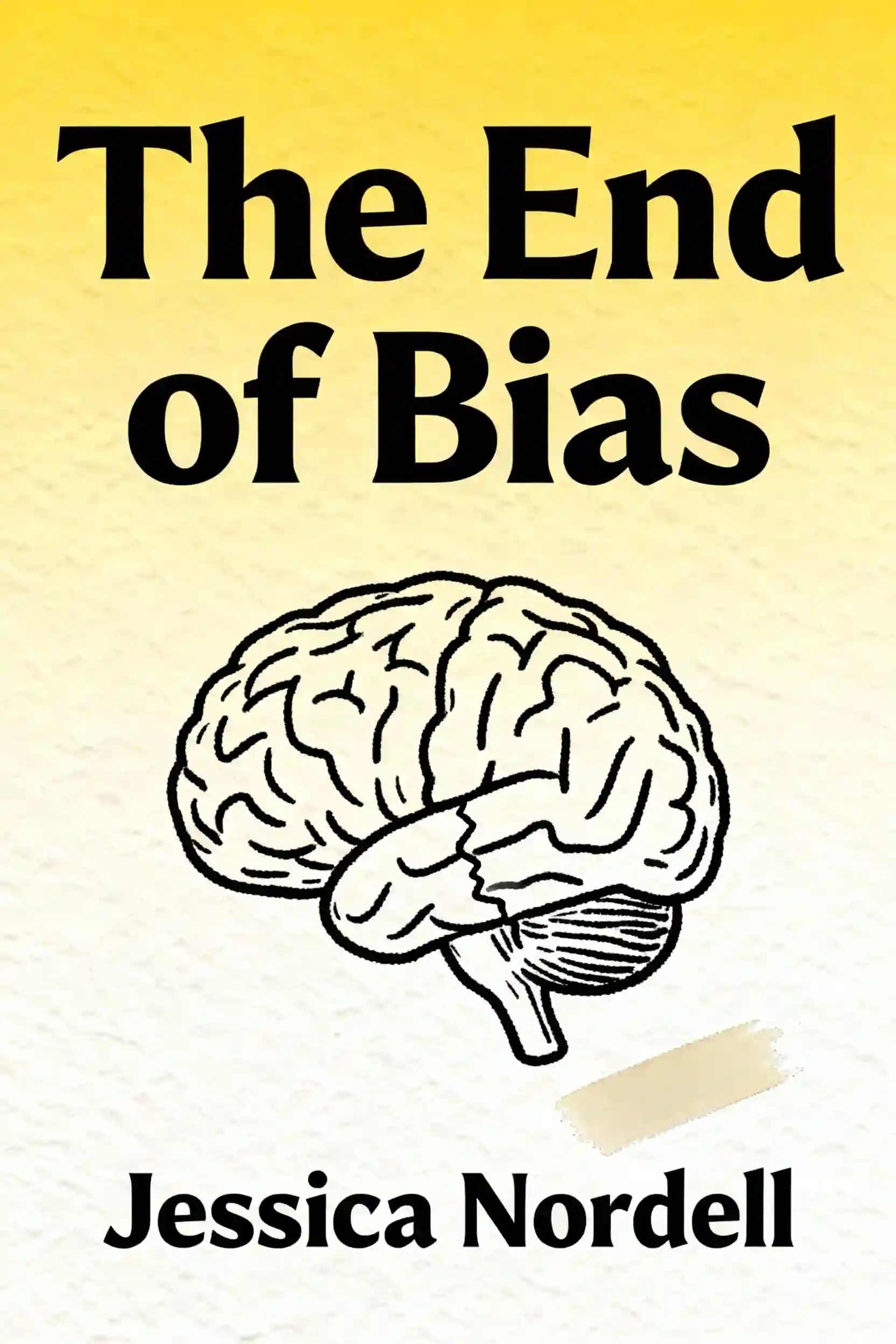
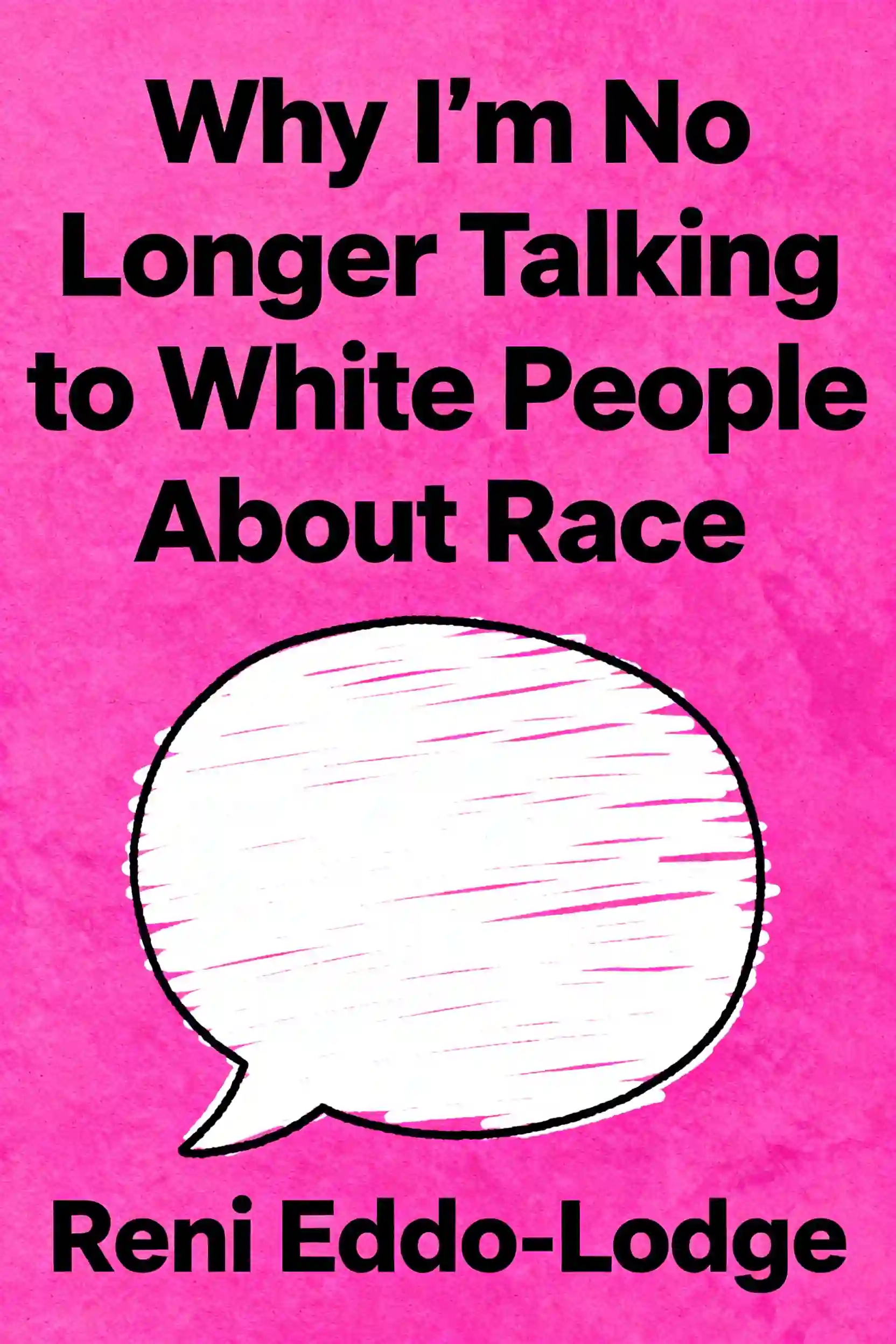
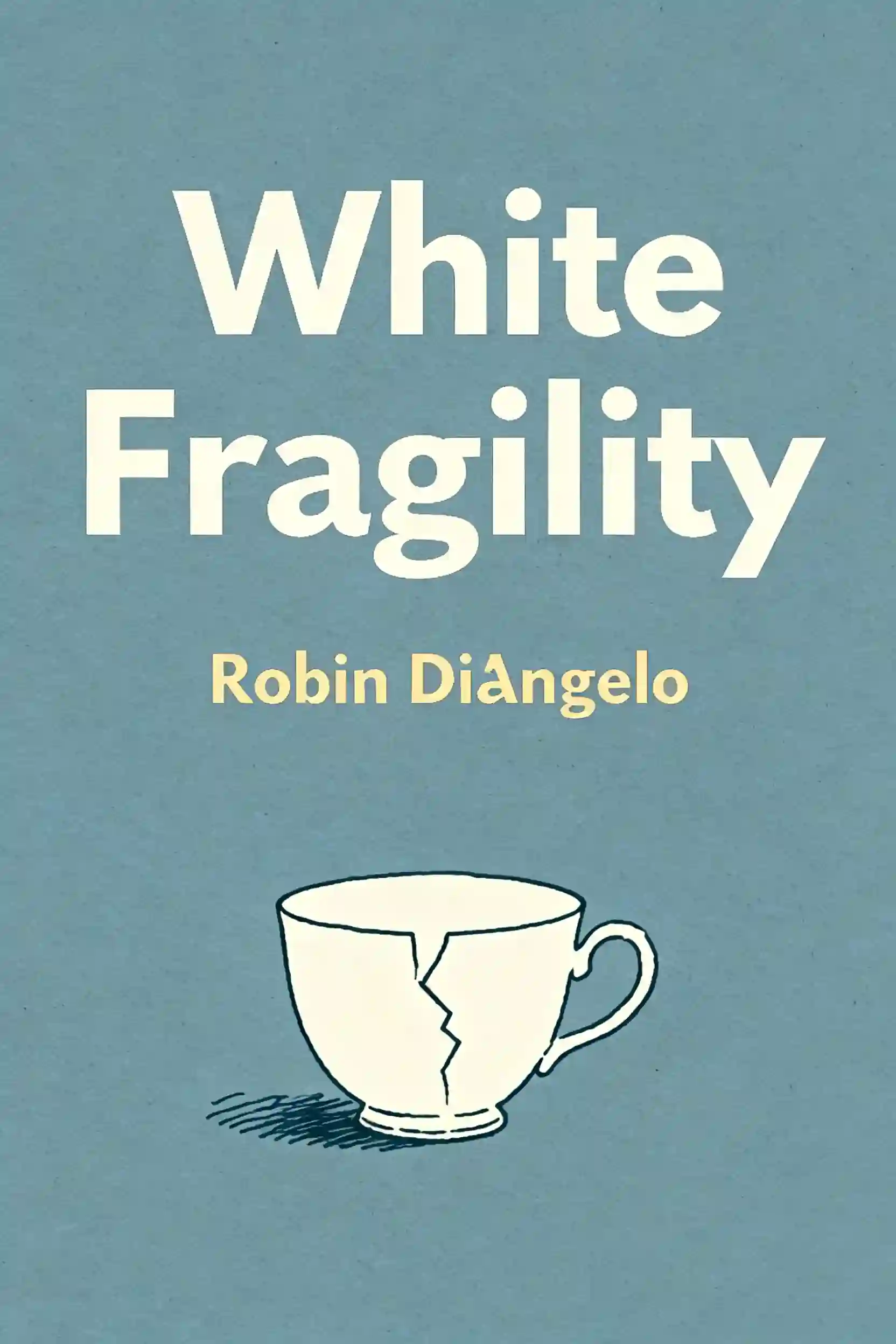
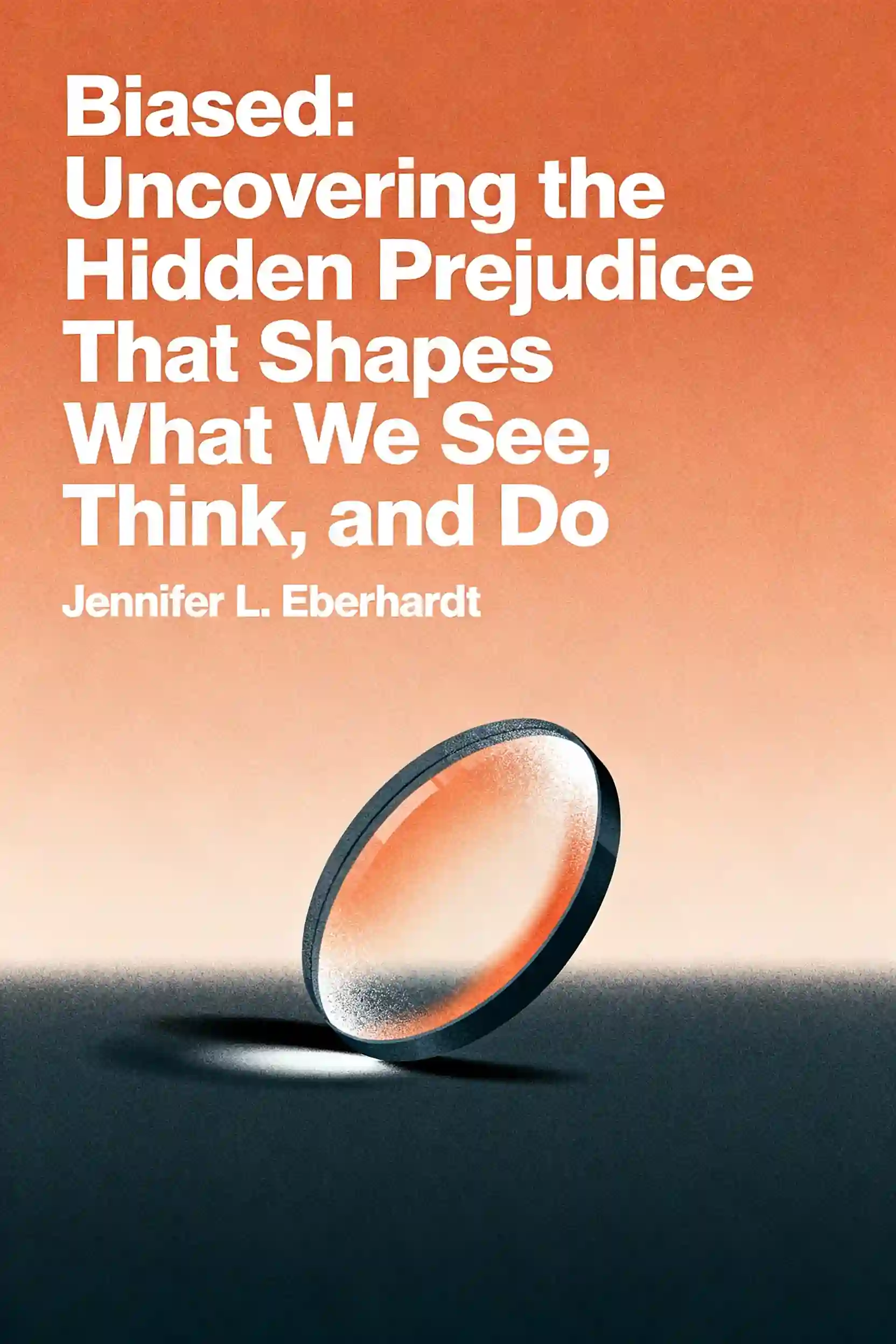
Perguntas frequentes
Education often fails as a "silver bullet" because the human brain is wired for social categorization, a cognitive energy-saving device that functions in milliseconds. Even highly educated individuals possess an unconscious inclination toward in-group favoritism, which leads them to prefer people who share their identity. Furthermore, knowing that bias exists does not automatically stop the brain from using these "filing systems," and many educated people still participate in "cronyism" or networking that feels innocent but systematically excludes out-groups.
The "ghost in the machine" refers to structural racism, where macro-level systems like healthcare, education, and the labor market produce biased outcomes without requiring an individual "racist" operator. These systems are reciprocally influential, meaning a disadvantage in one area, such as discriminatory housing, feeds into others like poor school quality and limited job prospects. This creates a self-perpetuating loop of inequality that outlives the individuals who originally designed the policies.
The weathering effect describes the literal physical toll that the chronic stress of navigating structurally racist systems takes on the body over a lifetime. Because of this cumulative exposure, a minoritized person with a high level of education may still experience worse health outcomes than a white person with less education. This suggests that the protective benefits of social status do not function the same way when an individual is constantly exposed to structural disadvantages and biased clinical treatment.
Statistical erasure occurs when smaller ethnoracial groups are "lumped" into broad categories, such as grouping Native Hawaiians and Pacific Islanders under the "AAPI" umbrella. This renders their unique struggles and health inequities invisible to policymakers and researchers. Without specific data, these communities are often denied the funding and supportive interventions they need, creating a cycle of neglect that effectively removes their needs from the public consciousness.
Dismantling these systems requires moving beyond "knowing better" to "acting differently" by adopting structural awareness. This includes challenging the myth of meritocracy by recognizing one's own structural advantages and actively subverting exclusionary hiring practices. Practically, individuals can push for disaggregated data to make invisible groups seen, support minoritized-led institutions, and advocate for corrective policies that address historical traumas and the intergenerational wealth gap rather than just seeking "colorblind" equality.
Criado por ex-alunos da Universidade de Columbia em San Francisco
"Instead of endless scrolling, I just hit play on BeFreed. It saves me so much time."


"I never knew where to start with nonfiction—BeFreed’s book lists turned into podcasts gave me a clear path."


"Perfect balance between learning and entertainment. Finished ‘Thinking, Fast and Slow’ on my commute this week."
"Crazy how much I learned while walking the dog. BeFreed = small habits → big gains."
"Reading used to feel like a chore. Now it’s just part of my lifestyle."

"Feels effortless compared to reading. I’ve finished 6 books this month already."
"BeFreed turned my guilty doomscrolling into something that feels productive and inspiring."

"BeFreed turned my commute into learning time. 20-min podcasts are perfect for finishing books I never had time for."
"BeFreed replaced my podcast queue. Imagine Spotify for books — that’s it. 🙌"

"It is great for me to learn something from the book without reading it."
"The themed book list podcasts help me connect ideas across authors—like a guided audio journey."
"Makes me feel smarter every time before going to work"
Criado por ex-alunos da Universidade de Columbia em San Francisco
"Instead of endless scrolling, I just hit play on BeFreed. It saves me so much time."
"I never knew where to start with nonfiction—BeFreed’s book lists turned into podcasts gave me a clear path."
"Perfect balance between learning and entertainment. Finished ‘Thinking, Fast and Slow’ on my commute this week."
"Crazy how much I learned while walking the dog. BeFreed = small habits → big gains."
"Reading used to feel like a chore. Now it’s just part of my lifestyle."
"Feels effortless compared to reading. I’ve finished 6 books this month already."
"BeFreed turned my guilty doomscrolling into something that feels productive and inspiring."
"BeFreed turned my commute into learning time. 20-min podcasts are perfect for finishing books I never had time for."
"BeFreed replaced my podcast queue. Imagine Spotify for books — that’s it. 🙌"
"It is great for me to learn something from the book without reading it."
"The themed book list podcasts help me connect ideas across authors—like a guided audio journey."
"Makes me feel smarter every time before going to work"
"Instead of endless scrolling, I just hit play on BeFreed. It saves me so much time."
"I never knew where to start with nonfiction—BeFreed’s book lists turned into podcasts gave me a clear path."
"Perfect balance between learning and entertainment. Finished ‘Thinking, Fast and Slow’ on my commute this week."
"Crazy how much I learned while walking the dog. BeFreed = small habits → big gains."
"Reading used to feel like a chore. Now it’s just part of my lifestyle."
"Feels effortless compared to reading. I’ve finished 6 books this month already."
"BeFreed turned my guilty doomscrolling into something that feels productive and inspiring."
"BeFreed turned my commute into learning time. 20-min podcasts are perfect for finishing books I never had time for."
"BeFreed replaced my podcast queue. Imagine Spotify for books — that’s it. 🙌"
"It is great for me to learn something from the book without reading it."
"The themed book list podcasts help me connect ideas across authors—like a guided audio journey."
"Makes me feel smarter every time before going to work"
"Instead of endless scrolling, I just hit play on BeFreed. It saves me so much time."
"I never knew where to start with nonfiction—BeFreed’s book lists turned into podcasts gave me a clear path."
"Perfect balance between learning and entertainment. Finished ‘Thinking, Fast and Slow’ on my commute this week."
"Crazy how much I learned while walking the dog. BeFreed = small habits → big gains."
"Reading used to feel like a chore. Now it’s just part of my lifestyle."
"Feels effortless compared to reading. I’ve finished 6 books this month already."
"BeFreed turned my guilty doomscrolling into something that feels productive and inspiring."
"BeFreed turned my commute into learning time. 20-min podcasts are perfect for finishing books I never had time for."
"BeFreed replaced my podcast queue. Imagine Spotify for books — that’s it. 🙌"
"It is great for me to learn something from the book without reading it."
"The themed book list podcasts help me connect ideas across authors—like a guided audio journey."
"Makes me feel smarter every time before going to work"