Melhor citação de US Refugee Crisis 2026: South African Refugees and Elon Musk
What we’re seeing is a shift from a 'humanitarian need' model to an 'ideology and identity' model. It has become a filter designed to admit a very specific type of person while keeping the door tightly shut for almost everyone else.

Esta aula em áudio foi criada por um membro da comunidade BeFreed
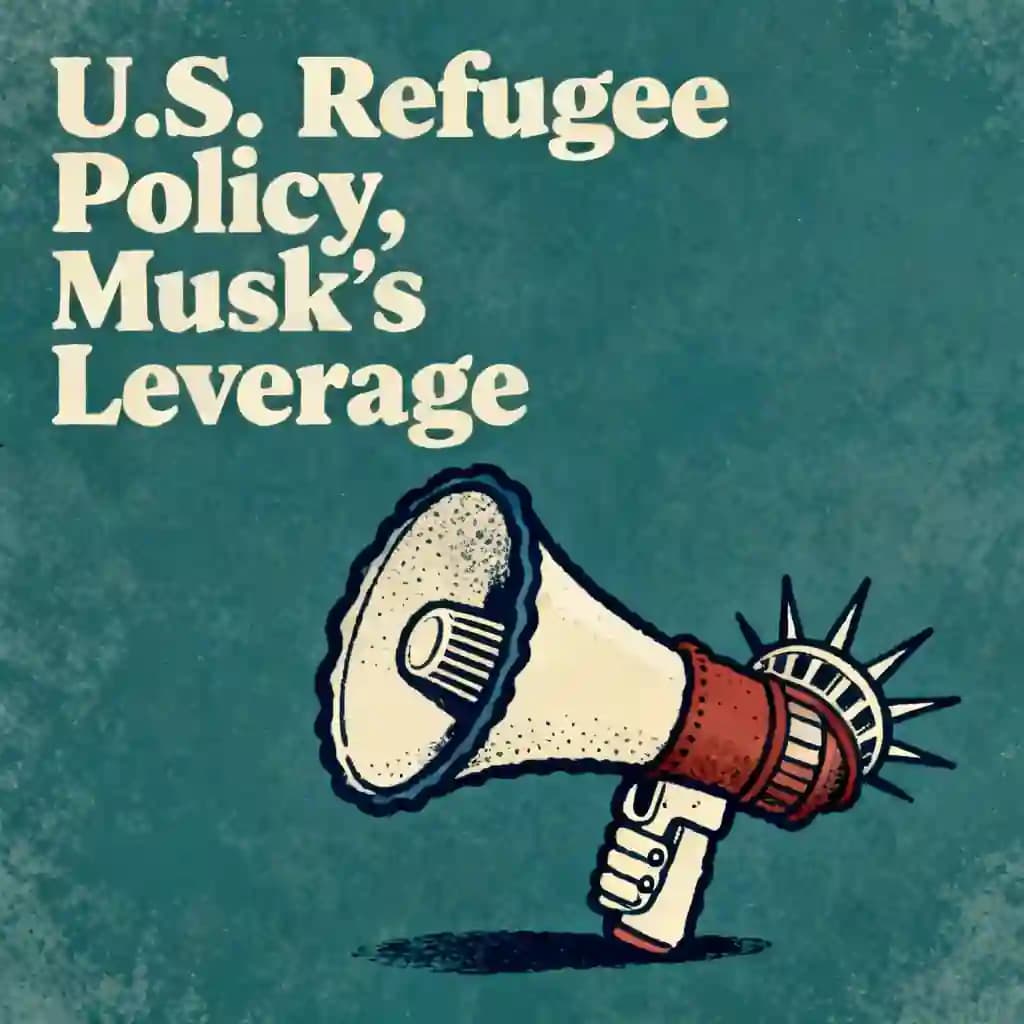
State of refugees in the United States 2026 link between South African refugees and Elon Musk

Perguntas frequentes
As of 2026, the United States refugee landscape is shaped by evolving geopolitical shifts and updated migration policies. The country continues to navigate complex humanitarian challenges while balancing national security and international obligations. This period has seen a specific focus on how United States refugee policy adapts to new global crises, including economic instability and social unrest in regions that previously had lower migration rates to the U.S.
The increase in South African refugees seeking asylum in the United States is driven by a combination of domestic instability, economic pressures, and social changes within South Africa. As migration patterns shift, more individuals are looking toward the U.S. for safety and opportunity. This trend has brought South Africa migration to the forefront of international policy discussions, requiring a closer look at the specific drivers behind this movement.
The link between Elon Musk and South African refugees often centers on his personal background as a South African-born entrepreneur and his public commentary on global migration. Discussions frequently explore how his influence or business interests might intersect with United States refugee policy or the public perception of South African migrants. While complex, the Elon Musk refugee link remains a significant point of interest for those tracking 2026 migration trends.
In 2026, United States refugee policy is undergoing significant scrutiny and adjustment to address modern migration flows, including those from South Africa. Policymakers are focusing on streamlining processing times while ensuring comprehensive vetting. These changes reflect a broader effort to manage the US refugee crisis 2026 effectively, balancing humanitarian aid with the logistical realities of modern border management and international diplomatic relations.
Descubra mais

The xAI Power Contradiction
This plan investigates the ethical and environmental tensions inherent in the race for AI supremacy. It is essential for environmental advocates, policy makers, and tech ethicists seeking to understand the real-world impact of xAI's infrastructure on local communities.

The Digital Power Grab
In an era where data is the new oil, understanding the intersection of technology and political power is essential for maintaining democratic integrity. This plan is designed for policy advocates, tech ethics students, and concerned citizens who want to understand how surveillance capitalism reshapes our social and political institutions.

AI's Impact on Society & Living in the AI Age
As AI rapidly reshapes our world, understanding its societal implications is no longer optional but a vital survival skill. This plan is designed for professionals and citizens who want to navigate the ethical, economic, and practical shifts of the digital age with confidence.

Win the AI Debate
In an era of rapid technological change, the ability to address AI skepticism is a vital leadership skill. This plan is designed for professionals and advocates who need to navigate complex ethical, environmental, and technical objections with clarity and influence.
Exit 205: 2nd Amendment Podcast Blueprint
This program is designed for aspiring creators and advocates looking to lead informed discussions on constitutional rights. It bridges the gap between deep legal history and modern digital media production for maximum influence.

权力博弈与科技跃迁
本课程专为对全球史、地缘政治及科技史感兴趣的学习者设计。通过梳理从大航海到人工智能的权力演变,帮助学习者理解科技跃迁背后的政治逻辑与制度博弈。

Music, AI & Opportunity: The Future (2026-30)
As the music industry undergoes a radical digital transformation, understanding the intersection of AI and creative entrepreneurship is essential for survival. This plan is designed for musicians, tech entrepreneurs, and industry professionals looking to lead the next wave of innovation between 2026 and 2030.

Nikola Tesla's Mental Workshop
This plan explores the intersection of cognitive mastery and professional resilience by analyzing Nikola Tesla’s psychological toolkit. It is ideal for inventors, entrepreneurs, and creatives who want to enhance their visualization skills while learning to protect their vision in a competitive market.
Criado por ex-alunos da Universidade de Columbia em San Francisco
"Instead of endless scrolling, I just hit play on BeFreed. It saves me so much time."


"I never knew where to start with nonfiction—BeFreed’s book lists turned into podcasts gave me a clear path."


"Perfect balance between learning and entertainment. Finished ‘Thinking, Fast and Slow’ on my commute this week."
"Crazy how much I learned while walking the dog. BeFreed = small habits → big gains."
"Reading used to feel like a chore. Now it’s just part of my lifestyle."

"Feels effortless compared to reading. I’ve finished 6 books this month already."
"BeFreed turned my guilty doomscrolling into something that feels productive and inspiring."

"BeFreed turned my commute into learning time. 20-min podcasts are perfect for finishing books I never had time for."
"BeFreed replaced my podcast queue. Imagine Spotify for books — that’s it. 🙌"

"It is great for me to learn something from the book without reading it."
"The themed book list podcasts help me connect ideas across authors—like a guided audio journey."
"Makes me feel smarter every time before going to work"
Criado por ex-alunos da Universidade de Columbia em San Francisco
"Instead of endless scrolling, I just hit play on BeFreed. It saves me so much time."
"I never knew where to start with nonfiction—BeFreed’s book lists turned into podcasts gave me a clear path."
"Perfect balance between learning and entertainment. Finished ‘Thinking, Fast and Slow’ on my commute this week."
"Crazy how much I learned while walking the dog. BeFreed = small habits → big gains."
"Reading used to feel like a chore. Now it’s just part of my lifestyle."
"Feels effortless compared to reading. I’ve finished 6 books this month already."
"BeFreed turned my guilty doomscrolling into something that feels productive and inspiring."
"BeFreed turned my commute into learning time. 20-min podcasts are perfect for finishing books I never had time for."
"BeFreed replaced my podcast queue. Imagine Spotify for books — that’s it. 🙌"
"It is great for me to learn something from the book without reading it."
"The themed book list podcasts help me connect ideas across authors—like a guided audio journey."
"Makes me feel smarter every time before going to work"
"Instead of endless scrolling, I just hit play on BeFreed. It saves me so much time."
"I never knew where to start with nonfiction—BeFreed’s book lists turned into podcasts gave me a clear path."
"Perfect balance between learning and entertainment. Finished ‘Thinking, Fast and Slow’ on my commute this week."
"Crazy how much I learned while walking the dog. BeFreed = small habits → big gains."
"Reading used to feel like a chore. Now it’s just part of my lifestyle."
"Feels effortless compared to reading. I’ve finished 6 books this month already."
"BeFreed turned my guilty doomscrolling into something that feels productive and inspiring."
"BeFreed turned my commute into learning time. 20-min podcasts are perfect for finishing books I never had time for."
"BeFreed replaced my podcast queue. Imagine Spotify for books — that’s it. 🙌"
"It is great for me to learn something from the book without reading it."
"The themed book list podcasts help me connect ideas across authors—like a guided audio journey."
"Makes me feel smarter every time before going to work"
"Instead of endless scrolling, I just hit play on BeFreed. It saves me so much time."
"I never knew where to start with nonfiction—BeFreed’s book lists turned into podcasts gave me a clear path."
"Perfect balance between learning and entertainment. Finished ‘Thinking, Fast and Slow’ on my commute this week."
"Crazy how much I learned while walking the dog. BeFreed = small habits → big gains."
"Reading used to feel like a chore. Now it’s just part of my lifestyle."
"Feels effortless compared to reading. I’ve finished 6 books this month already."
"BeFreed turned my guilty doomscrolling into something that feels productive and inspiring."
"BeFreed turned my commute into learning time. 20-min podcasts are perfect for finishing books I never had time for."
"BeFreed replaced my podcast queue. Imagine Spotify for books — that’s it. 🙌"
"It is great for me to learn something from the book without reading it."
"The themed book list podcasts help me connect ideas across authors—like a guided audio journey."
"Makes me feel smarter every time before going to work"