The Trauma of Masking: ADHD, Autism, and Neurodivergent PTSD
Explore the trauma of masking in neurodivergent children. Learn how ADHD and autism camouflaging acts as a survival strategy that can lead to childhood PTSD.
Melhor citação de The Trauma of Masking: ADHD, Autism, and Neurodivergent PTSD
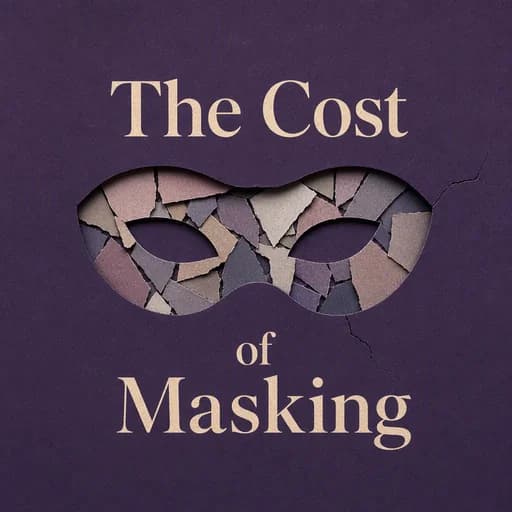
If you spend all day suppressing your authentic responses, you eventually lose track of who you actually are. You start to believe that your natural self is unacceptable.
Generated by Cassandra
How chronic stress and shaming lead to PTSD in children with undiagnosed neurodivergence (ADHD/autism) and gender non-conformity, specifically focusing on the impact of masking, suppressing stimming, and managing others' emotions.






Perguntas frequentes
Neurodivergent masking, or autism camouflaging, occurs when children with ADHD or autism hide their true selves to fit into social expectations. While a child may appear to be thriving or following directions perfectly in public, they are often experiencing internal distress. This constant performance is frequently a survival strategy used to navigate a world that views their natural behaviors as wrong, often leading to a state of total exhaustion or emotional collapse once they are in a safe environment.
Research suggests that for many young children, especially those under the age of ten, masking is not a conscious performance or a choice to deceive others. Instead, it is often an automatic nervous system response. This survival strategy is shaped by repeated social feedback and the need to stay safe in environments that feel threatening due to social shaming or sensory overload. It is a protective mechanism rather than a deliberate act of acting.
Yes, the heavy and silent burden of masking can lead directly to neurodiversity trauma and PTSD. When a child constantly suppresses their natural way of being to avoid social shaming or to cope with sensory overload, it creates significant psychological strain. The internal cost of this persistent 'performance' includes trembling, racing hearts, and intense emotional shutdowns, which are indicators of the deep trauma associated with long-term camouflaging in neurodivergent individuals.
Criado por ex-alunos da Universidade de Columbia em San Francisco
"Instead of endless scrolling, I just hit play on BeFreed. It saves me so much time."


"I never knew where to start with nonfiction—BeFreed’s book lists turned into podcasts gave me a clear path."


"Perfect balance between learning and entertainment. Finished ‘Thinking, Fast and Slow’ on my commute this week."
"Crazy how much I learned while walking the dog. BeFreed = small habits → big gains."
"Reading used to feel like a chore. Now it’s just part of my lifestyle."

"Feels effortless compared to reading. I’ve finished 6 books this month already."
"BeFreed turned my guilty doomscrolling into something that feels productive and inspiring."

"BeFreed turned my commute into learning time. 20-min podcasts are perfect for finishing books I never had time for."
"BeFreed replaced my podcast queue. Imagine Spotify for books — that’s it. 🙌"

"It is great for me to learn something from the book without reading it."
"The themed book list podcasts help me connect ideas across authors—like a guided audio journey."
"Makes me feel smarter every time before going to work"
Criado por ex-alunos da Universidade de Columbia em San Francisco
"Instead of endless scrolling, I just hit play on BeFreed. It saves me so much time."
"I never knew where to start with nonfiction—BeFreed’s book lists turned into podcasts gave me a clear path."
"Perfect balance between learning and entertainment. Finished ‘Thinking, Fast and Slow’ on my commute this week."
"Crazy how much I learned while walking the dog. BeFreed = small habits → big gains."
"Reading used to feel like a chore. Now it’s just part of my lifestyle."
"Feels effortless compared to reading. I’ve finished 6 books this month already."
"BeFreed turned my guilty doomscrolling into something that feels productive and inspiring."
"BeFreed turned my commute into learning time. 20-min podcasts are perfect for finishing books I never had time for."
"BeFreed replaced my podcast queue. Imagine Spotify for books — that’s it. 🙌"
"It is great for me to learn something from the book without reading it."
"The themed book list podcasts help me connect ideas across authors—like a guided audio journey."
"Makes me feel smarter every time before going to work"
"Instead of endless scrolling, I just hit play on BeFreed. It saves me so much time."
"I never knew where to start with nonfiction—BeFreed’s book lists turned into podcasts gave me a clear path."
"Perfect balance between learning and entertainment. Finished ‘Thinking, Fast and Slow’ on my commute this week."
"Crazy how much I learned while walking the dog. BeFreed = small habits → big gains."
"Reading used to feel like a chore. Now it’s just part of my lifestyle."
"Feels effortless compared to reading. I’ve finished 6 books this month already."
"BeFreed turned my guilty doomscrolling into something that feels productive and inspiring."
"BeFreed turned my commute into learning time. 20-min podcasts are perfect for finishing books I never had time for."
"BeFreed replaced my podcast queue. Imagine Spotify for books — that’s it. 🙌"
"It is great for me to learn something from the book without reading it."
"The themed book list podcasts help me connect ideas across authors—like a guided audio journey."
"Makes me feel smarter every time before going to work"
"Instead of endless scrolling, I just hit play on BeFreed. It saves me so much time."
"I never knew where to start with nonfiction—BeFreed’s book lists turned into podcasts gave me a clear path."
"Perfect balance between learning and entertainment. Finished ‘Thinking, Fast and Slow’ on my commute this week."
"Crazy how much I learned while walking the dog. BeFreed = small habits → big gains."
"Reading used to feel like a chore. Now it’s just part of my lifestyle."
"Feels effortless compared to reading. I’ve finished 6 books this month already."
"BeFreed turned my guilty doomscrolling into something that feels productive and inspiring."
"BeFreed turned my commute into learning time. 20-min podcasts are perfect for finishing books I never had time for."
"BeFreed replaced my podcast queue. Imagine Spotify for books — that’s it. 🙌"
"It is great for me to learn something from the book without reading it."
"The themed book list podcasts help me connect ideas across authors—like a guided audio journey."
"Makes me feel smarter every time before going to work"