The Neurobiology of Toxic Attachment: Trauma Bonding & Addiction
Explore the neurobiology of toxic attachment. Learn how trauma bonding, dopamine, and coercive control create a physical addiction to unhealthy relationships.

Melhor citação de The Neurobiology of Toxic Attachment: Trauma Bonding & Addiction
Romantic obsession and trauma bonding aren't just metaphors; they are physical states driven by the same reward systems as a literal addiction. Understanding that 'just leaving' is more like detoxing from a drug than making a logical choice reframes staying as a feat of endurance rather than a sign of weakness.
Generated by Steve
The neurochemistry of romantic obsession and trauma bonding. Focus on Helen Fisher's three brain systems, Evan Stark's Coercive Control theory, and how sunk cost bias differs by gender. Use academic sources only.






Perguntas frequentes
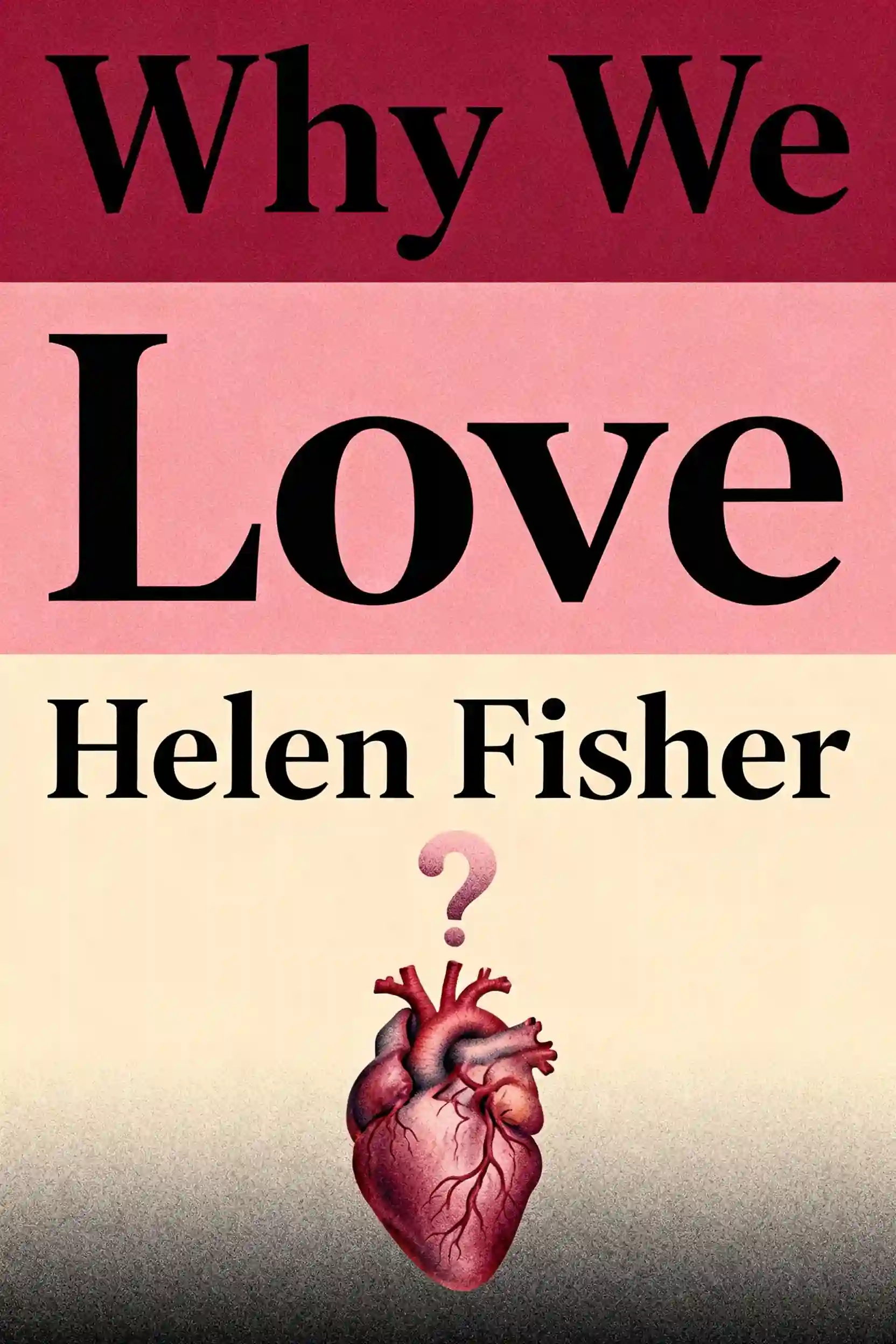
The neurobiology of toxic attachment involves the brain's reward systems being hijacked, similar to a literal addiction. Research by Helen Fisher suggests that romantic obsession is driven by physical states in the brain rather than a weak will. When trapped in a toxic cycle, neurochemicals like dopamine and oxytocin can make a person feel addicted to a partner, even if that partner is treating them poorly.
Trauma bonding is not just a metaphor; it is a physical state where the brain's reward centers crave the next 'hit' of neurochemicals. This process involves three distinct brain systems: lust, attraction, and attachment. These systems can become decoupled or weaponized in unhealthy relationships, leading to a cycle where the individual feels unable to leave despite being miserable, as their brain is essentially under siege.
Coercive control, a theory developed by Evan Stark, describes a relationship that becomes a 'liberty crime.' In these scenarios, an individual's autonomy is slowly dismantled until they feel like a hostage in their own life. This psychological framework layers over the neurobiological aspects of attachment, explaining how the combination of brain chemistry and systematic control makes it incredibly difficult for victims to escape unhealthy dynamics.
The discussion draws on the significant work of Helen Fisher and Evan Stark. Helen Fisher’s research identifies the three brain systems of lust, attraction, and attachment, highlighting how they function like an addiction. Evan Stark’s work focuses on coercive control and the dismantling of autonomy. Together, these theories provide a comprehensive look at why people stay in toxic relationships from both a biological and psychological perspective.
Criado por ex-alunos da Universidade de Columbia em San Francisco
"Instead of endless scrolling, I just hit play on BeFreed. It saves me so much time."


"I never knew where to start with nonfiction—BeFreed’s book lists turned into podcasts gave me a clear path."


"Perfect balance between learning and entertainment. Finished ‘Thinking, Fast and Slow’ on my commute this week."
"Crazy how much I learned while walking the dog. BeFreed = small habits → big gains."
"Reading used to feel like a chore. Now it’s just part of my lifestyle."

"Feels effortless compared to reading. I’ve finished 6 books this month already."
"BeFreed turned my guilty doomscrolling into something that feels productive and inspiring."

"BeFreed turned my commute into learning time. 20-min podcasts are perfect for finishing books I never had time for."
"BeFreed replaced my podcast queue. Imagine Spotify for books — that’s it. 🙌"

"It is great for me to learn something from the book without reading it."
"The themed book list podcasts help me connect ideas across authors—like a guided audio journey."
"Makes me feel smarter every time before going to work"
Criado por ex-alunos da Universidade de Columbia em San Francisco
"Instead of endless scrolling, I just hit play on BeFreed. It saves me so much time."
"I never knew where to start with nonfiction—BeFreed’s book lists turned into podcasts gave me a clear path."
"Perfect balance between learning and entertainment. Finished ‘Thinking, Fast and Slow’ on my commute this week."
"Crazy how much I learned while walking the dog. BeFreed = small habits → big gains."
"Reading used to feel like a chore. Now it’s just part of my lifestyle."
"Feels effortless compared to reading. I’ve finished 6 books this month already."
"BeFreed turned my guilty doomscrolling into something that feels productive and inspiring."
"BeFreed turned my commute into learning time. 20-min podcasts are perfect for finishing books I never had time for."
"BeFreed replaced my podcast queue. Imagine Spotify for books — that’s it. 🙌"
"It is great for me to learn something from the book without reading it."
"The themed book list podcasts help me connect ideas across authors—like a guided audio journey."
"Makes me feel smarter every time before going to work"
"Instead of endless scrolling, I just hit play on BeFreed. It saves me so much time."
"I never knew where to start with nonfiction—BeFreed’s book lists turned into podcasts gave me a clear path."
"Perfect balance between learning and entertainment. Finished ‘Thinking, Fast and Slow’ on my commute this week."
"Crazy how much I learned while walking the dog. BeFreed = small habits → big gains."
"Reading used to feel like a chore. Now it’s just part of my lifestyle."
"Feels effortless compared to reading. I’ve finished 6 books this month already."
"BeFreed turned my guilty doomscrolling into something that feels productive and inspiring."
"BeFreed turned my commute into learning time. 20-min podcasts are perfect for finishing books I never had time for."
"BeFreed replaced my podcast queue. Imagine Spotify for books — that’s it. 🙌"
"It is great for me to learn something from the book without reading it."
"The themed book list podcasts help me connect ideas across authors—like a guided audio journey."
"Makes me feel smarter every time before going to work"
"Instead of endless scrolling, I just hit play on BeFreed. It saves me so much time."
"I never knew where to start with nonfiction—BeFreed’s book lists turned into podcasts gave me a clear path."
"Perfect balance between learning and entertainment. Finished ‘Thinking, Fast and Slow’ on my commute this week."
"Crazy how much I learned while walking the dog. BeFreed = small habits → big gains."
"Reading used to feel like a chore. Now it’s just part of my lifestyle."
"Feels effortless compared to reading. I’ve finished 6 books this month already."
"BeFreed turned my guilty doomscrolling into something that feels productive and inspiring."
"BeFreed turned my commute into learning time. 20-min podcasts are perfect for finishing books I never had time for."
"BeFreed replaced my podcast queue. Imagine Spotify for books — that’s it. 🙌"
"It is great for me to learn something from the book without reading it."
"The themed book list podcasts help me connect ideas across authors—like a guided audio journey."
"Makes me feel smarter every time before going to work"