Stop self-sabotage by understanding why you do it
Why do we ruin things when they're finally going well? Learn how to reframe self-destructive behavior as protection and start moving forward again.

Melhor citação de Stop self-sabotage by understanding why you do it
Self-sabotage is often a misplaced form of self-protection; your brain prefers a predictable failure over an uncertain win to keep you safe from the 'danger' of the unknown.

Esta aula em áudio foi criada por um membro da comunidade BeFreed
How to resolve self destructive behaviour

Perguntas frequentes
Self-sabotage is often a misplaced form of self-protection rather than a character flaw or laziness. Your brain and nervous system prefer a predictable failure over the uncertainty and potential emotional exposure that comes with success. If your internal narrative is rooted in old stories of unworthiness or past criticisms, your brain triggers an "emergency broadcast" to return you to a familiar baseline of struggle where it feels "safe" and hidden.
The primary reward in self-sabotage is the immediate drop in anxiety. When you avoid a stressful task—for example, by scrolling on your phone instead of preparing for a presentation—your brain experiences a hit of relief. This relief activates the dopamine system, reinforcing a habit loop of trigger, anxiety, and avoidance. Over time, your brain becomes wired to prioritize this short-term emotional relief over your long-term goals.
The most effective way to interrupt the loop is to move from "being" the urge to "observing" it. Start by naming the pattern out loud to activate your prefrontal cortex, then identify the specific fear underneath the behavior. Once the fear is named, commit to an "embarrassingly small step," such as opening a laptop or working for only five minutes. This bypasses the brain's alarm system by making the task feel non-threatening, allowing you to build momentum through action rather than willpower.
"Wise Mind" is a concept from Dialectical Behavior Therapy (DBT) that represents the intersection of your emotional mind and your rational mind. Instead of being ruled entirely by intense feelings or acting like a cold robot, operating from Wise Mind allows you to acknowledge your emotions as data without being controlled by them. It creates the necessary space to choose an effective response to a situation rather than reacting impulsively to a "short-circuit" urge.
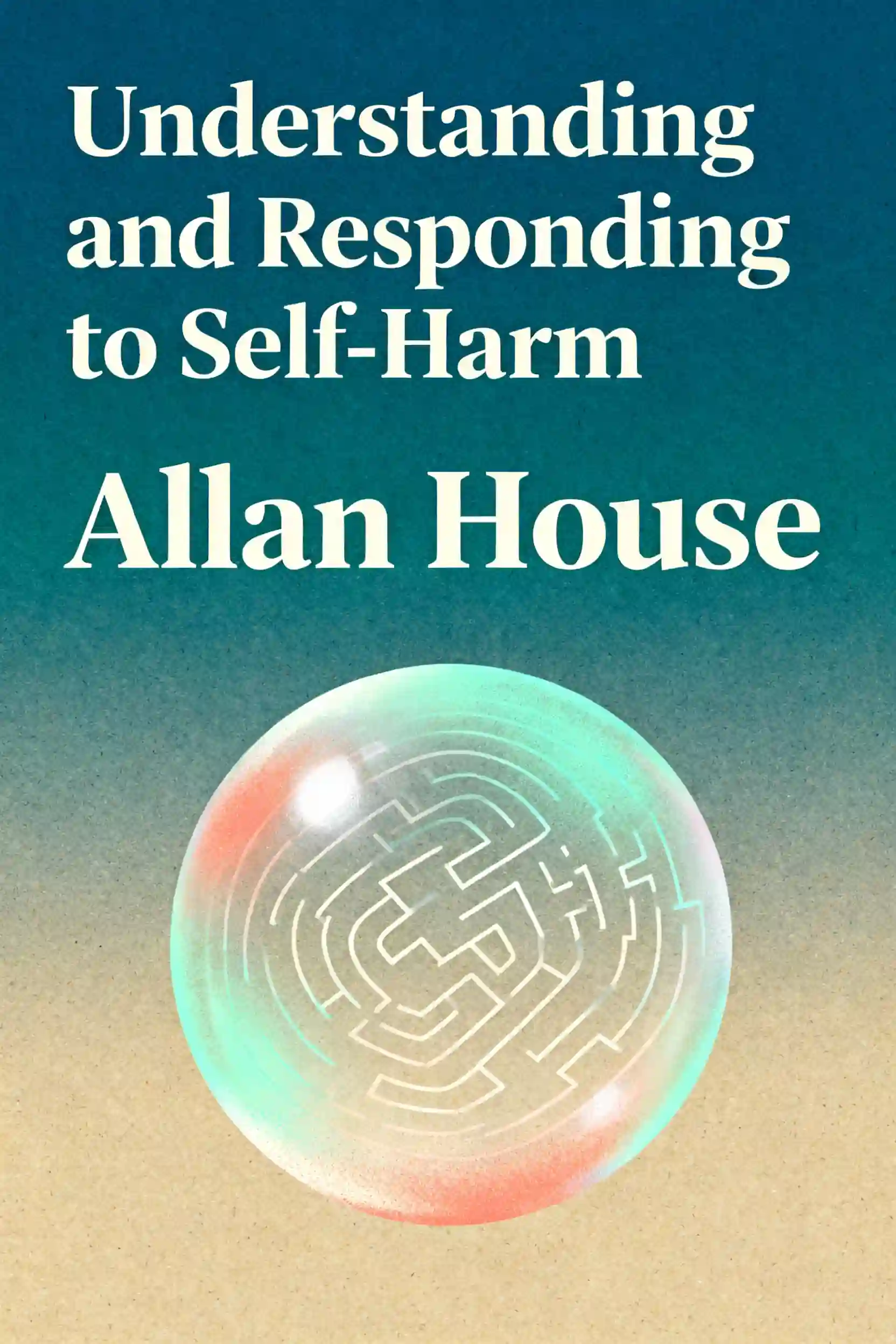
You should consider seeking a professional navigator if your self-sabotaging patterns feel stuck despite your best efforts, or if they are significantly damaging your work and relationships. Specific indicators include physically overwhelming anxiety, increased substance use to cope, or repetitive self-harm. A therapist can help map invisible behavioral loops and provide specialized tools like DBT or trauma-informed care to recalibrate a nervous system that has become hypersensitive to stress.
Descubra mais

The Science of Self-Sabotage
This plan is essential for high-achievers and chronic caretakers who feel stuck in repetitive patterns of failure or burnout. It offers a deep dive into the neurobiology of behavior, making it ideal for anyone looking to reclaim control over their choices and mental well-being.

Stop the Self-Punishment Cycle
High achievers and perfectionists often fall into a trap where self-criticism becomes a barrier to progress rather than a motivator. This plan provides the tools to dismantle negative internal dialogues and build the resilience needed to face uncertainty without self-punishment.

Stop Overthinking and Take Action
Overthinking traps millions in endless loops of analysis that prevent meaningful progress and cause unnecessary stress. This learning plan equips anyone struggling with decision paralysis or procrastination with practical tools to break free from mental gridlock and take consistent, purposeful action.

Learn to love myself
This plan is designed for individuals struggling with persistent self-doubt or a harsh inner critic who seek a science-backed path to emotional resilience. It provides a structured framework to transition from external validation-seeking to a life rooted in authentic self-worth and healthy boundaries.

Overcome Self Doubt
Self-doubt affects nearly everyone, limiting potential and preventing many from pursuing goals and opportunities. This learning plan provides practical tools to recognize limiting beliefs, develop self-compassion, and build authentic confidence that transforms how you approach challenges.

Strengthen My Mindset
This plan is essential for high-performers and individuals feeling stuck in cycles of self-sabotage or burnout. It provides a scientific framework for anyone looking to bridge the gap between their current capabilities and their ultimate potential through psychological mastery.

Self healing
Self-healing is essential for anyone carrying unprocessed trauma, chronic self-criticism, or disconnection from their body and emotions. This learning plan offers a compassionate, structured path for those ready to understand their wounds, release stored pain, and cultivate the self-love necessary for genuine transformation and lasting peace.

Break the Helplessness Cycle
This plan is essential for anyone feeling stuck in a cycle of inaction or overwhelmed by the belief that their efforts don't matter. It is particularly beneficial for professionals and students struggling with procrastination who want to rebuild their sense of personal mastery.
Criado por ex-alunos da Universidade de Columbia em San Francisco
"Instead of endless scrolling, I just hit play on BeFreed. It saves me so much time."


"I never knew where to start with nonfiction—BeFreed’s book lists turned into podcasts gave me a clear path."


"Perfect balance between learning and entertainment. Finished ‘Thinking, Fast and Slow’ on my commute this week."
"Crazy how much I learned while walking the dog. BeFreed = small habits → big gains."
"Reading used to feel like a chore. Now it’s just part of my lifestyle."

"Feels effortless compared to reading. I’ve finished 6 books this month already."
"BeFreed turned my guilty doomscrolling into something that feels productive and inspiring."

"BeFreed turned my commute into learning time. 20-min podcasts are perfect for finishing books I never had time for."
"BeFreed replaced my podcast queue. Imagine Spotify for books — that’s it. 🙌"

"It is great for me to learn something from the book without reading it."
"The themed book list podcasts help me connect ideas across authors—like a guided audio journey."
"Makes me feel smarter every time before going to work"
Criado por ex-alunos da Universidade de Columbia em San Francisco
"Instead of endless scrolling, I just hit play on BeFreed. It saves me so much time."
"I never knew where to start with nonfiction—BeFreed’s book lists turned into podcasts gave me a clear path."
"Perfect balance between learning and entertainment. Finished ‘Thinking, Fast and Slow’ on my commute this week."
"Crazy how much I learned while walking the dog. BeFreed = small habits → big gains."
"Reading used to feel like a chore. Now it’s just part of my lifestyle."
"Feels effortless compared to reading. I’ve finished 6 books this month already."
"BeFreed turned my guilty doomscrolling into something that feels productive and inspiring."
"BeFreed turned my commute into learning time. 20-min podcasts are perfect for finishing books I never had time for."
"BeFreed replaced my podcast queue. Imagine Spotify for books — that’s it. 🙌"
"It is great for me to learn something from the book without reading it."
"The themed book list podcasts help me connect ideas across authors—like a guided audio journey."
"Makes me feel smarter every time before going to work"
"Instead of endless scrolling, I just hit play on BeFreed. It saves me so much time."
"I never knew where to start with nonfiction—BeFreed’s book lists turned into podcasts gave me a clear path."
"Perfect balance between learning and entertainment. Finished ‘Thinking, Fast and Slow’ on my commute this week."
"Crazy how much I learned while walking the dog. BeFreed = small habits → big gains."
"Reading used to feel like a chore. Now it’s just part of my lifestyle."
"Feels effortless compared to reading. I’ve finished 6 books this month already."
"BeFreed turned my guilty doomscrolling into something that feels productive and inspiring."
"BeFreed turned my commute into learning time. 20-min podcasts are perfect for finishing books I never had time for."
"BeFreed replaced my podcast queue. Imagine Spotify for books — that’s it. 🙌"
"It is great for me to learn something from the book without reading it."
"The themed book list podcasts help me connect ideas across authors—like a guided audio journey."
"Makes me feel smarter every time before going to work"
"Instead of endless scrolling, I just hit play on BeFreed. It saves me so much time."
"I never knew where to start with nonfiction—BeFreed’s book lists turned into podcasts gave me a clear path."
"Perfect balance between learning and entertainment. Finished ‘Thinking, Fast and Slow’ on my commute this week."
"Crazy how much I learned while walking the dog. BeFreed = small habits → big gains."
"Reading used to feel like a chore. Now it’s just part of my lifestyle."
"Feels effortless compared to reading. I’ve finished 6 books this month already."
"BeFreed turned my guilty doomscrolling into something that feels productive and inspiring."
"BeFreed turned my commute into learning time. 20-min podcasts are perfect for finishing books I never had time for."
"BeFreed replaced my podcast queue. Imagine Spotify for books — that’s it. 🙌"
"It is great for me to learn something from the book without reading it."
"The themed book list podcasts help me connect ideas across authors—like a guided audio journey."
"Makes me feel smarter every time before going to work"