Psychological 404: Navigating Life’s Digital Dead Ends
Explore how the 'Page Not Found' error mirrors our deepest anxieties about identity and uncertainty. This episode breaks down the mental cost of hitting roadblocks and how to find meaning when life lacks a clear forwarding address.

Melhor citação de Psychological 404: Navigating Life’s Digital Dead Ends
A 404 is a digital dead end that refuses to acknowledge the human journey. It’s a moment where the machine logic fails to account for the fact that a person is on the other side of the screen, potentially in a moment of vulnerability or search for something important.
Generated by Freedee_C80FE9AB
Error 404 phycologically meaning

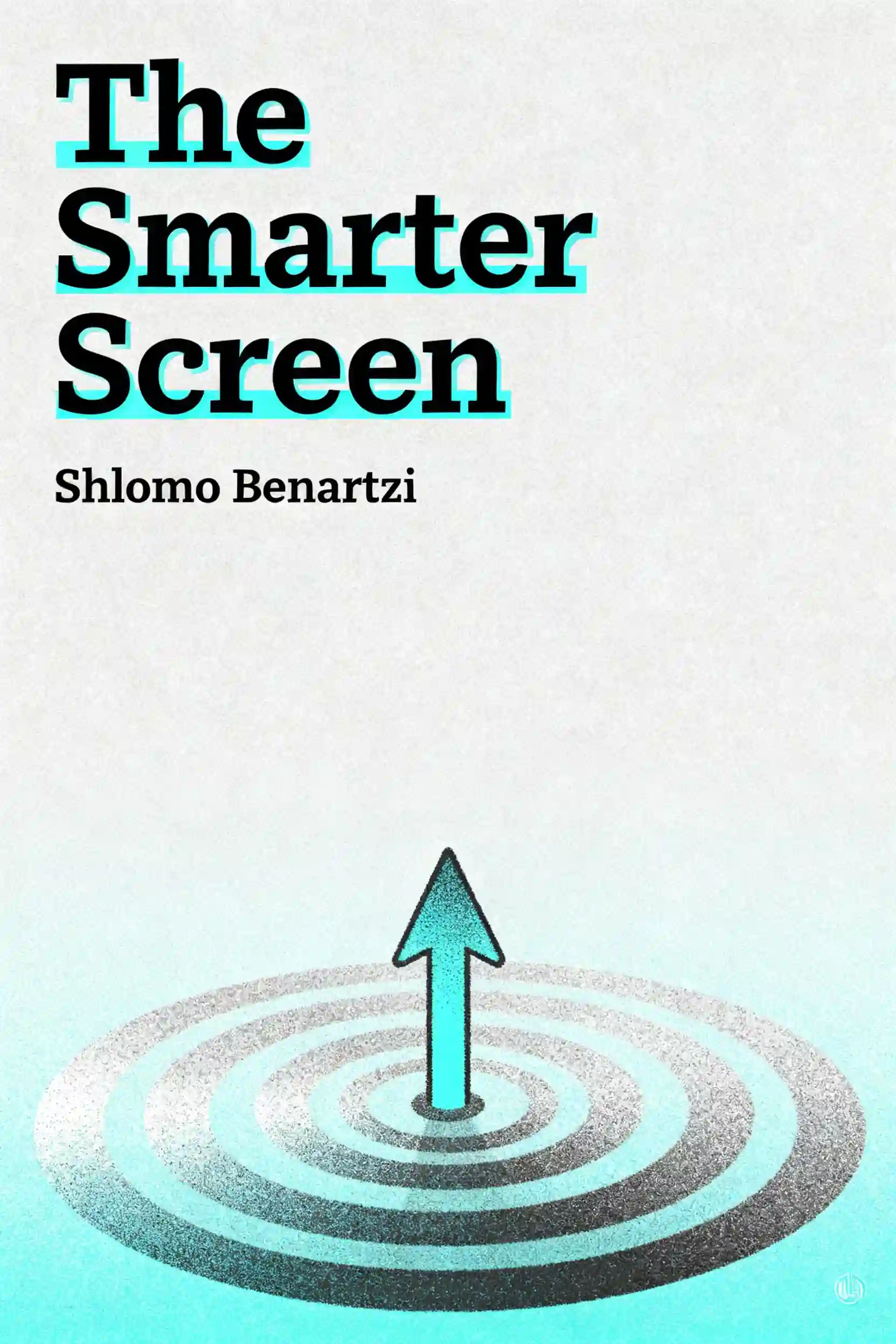

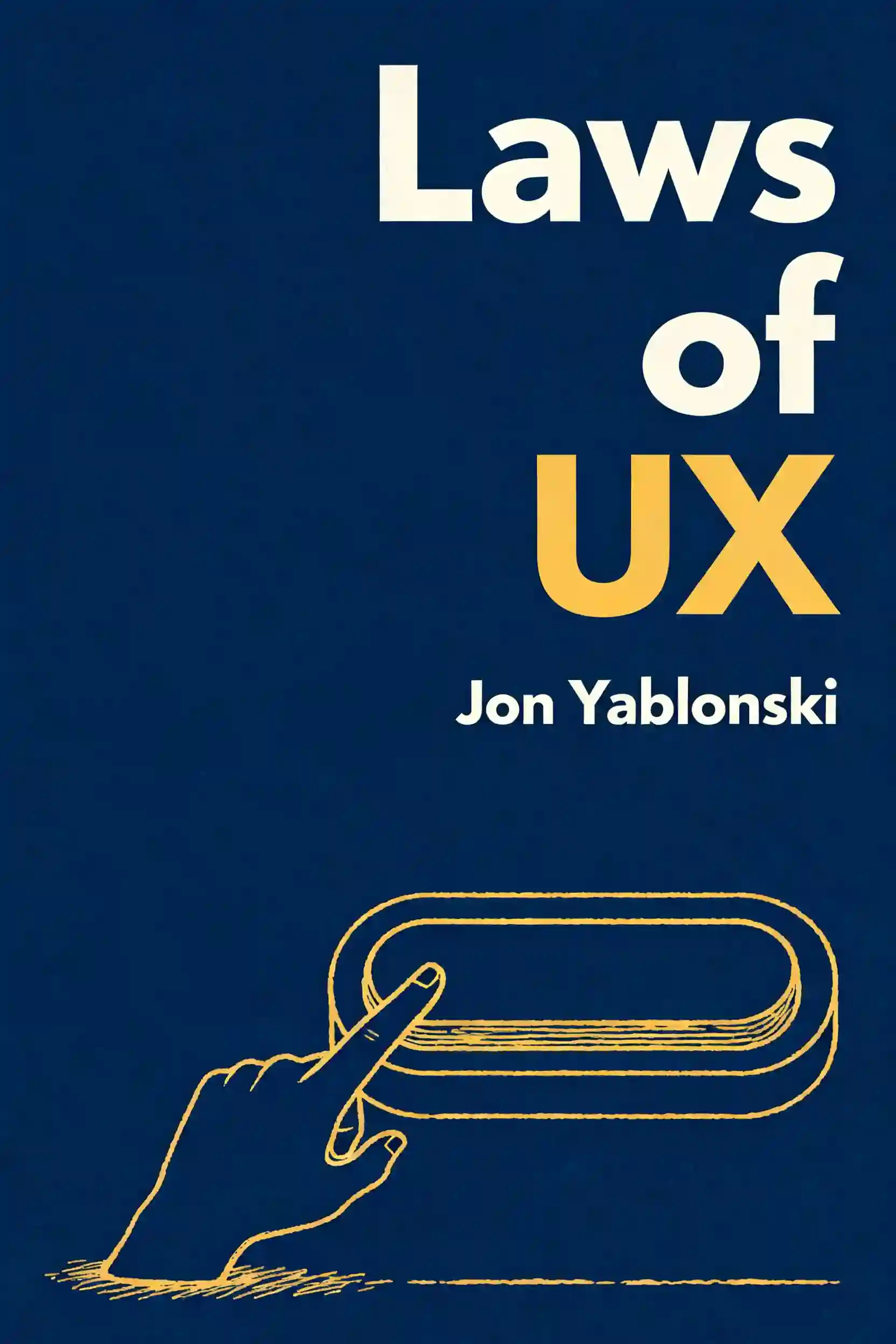
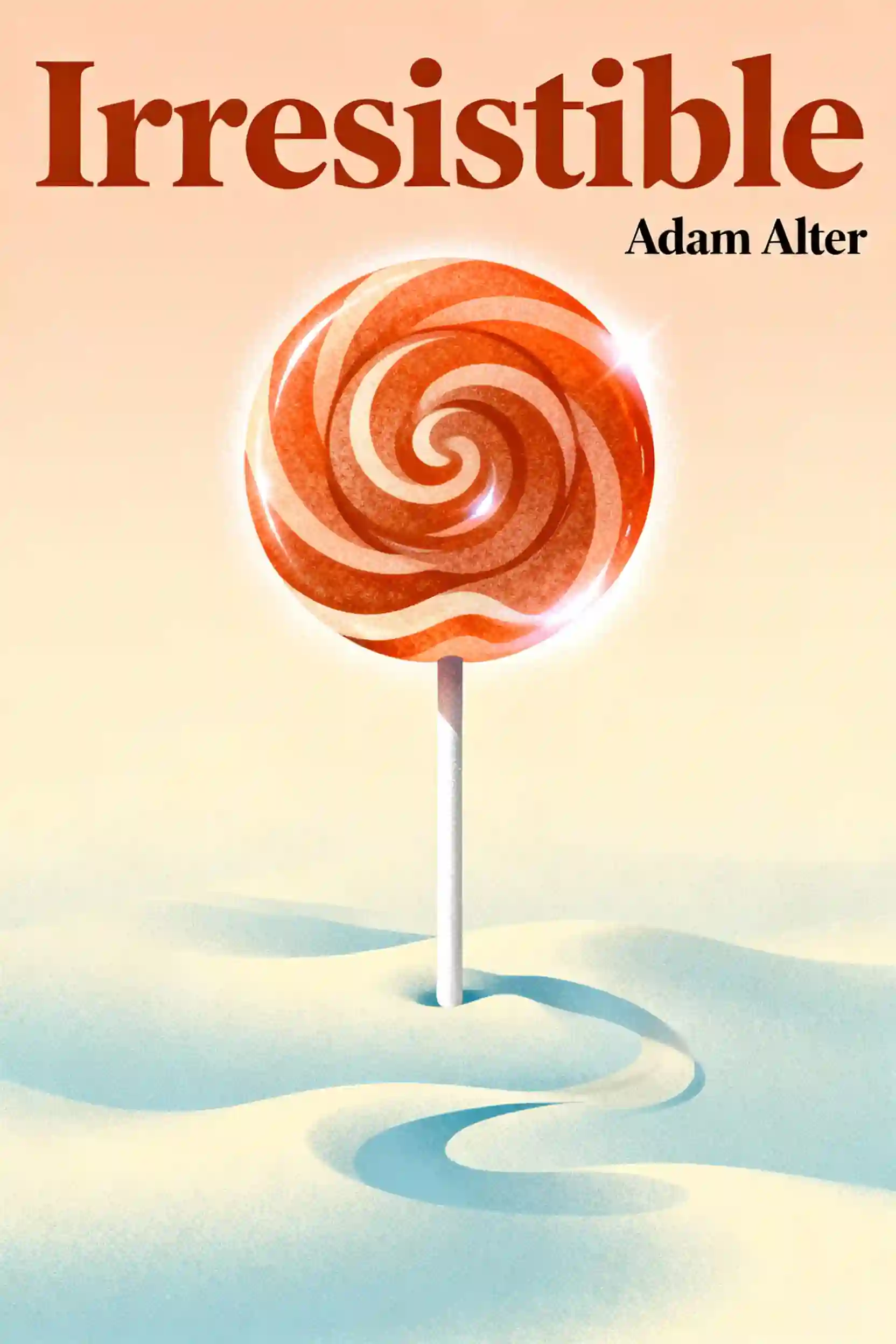
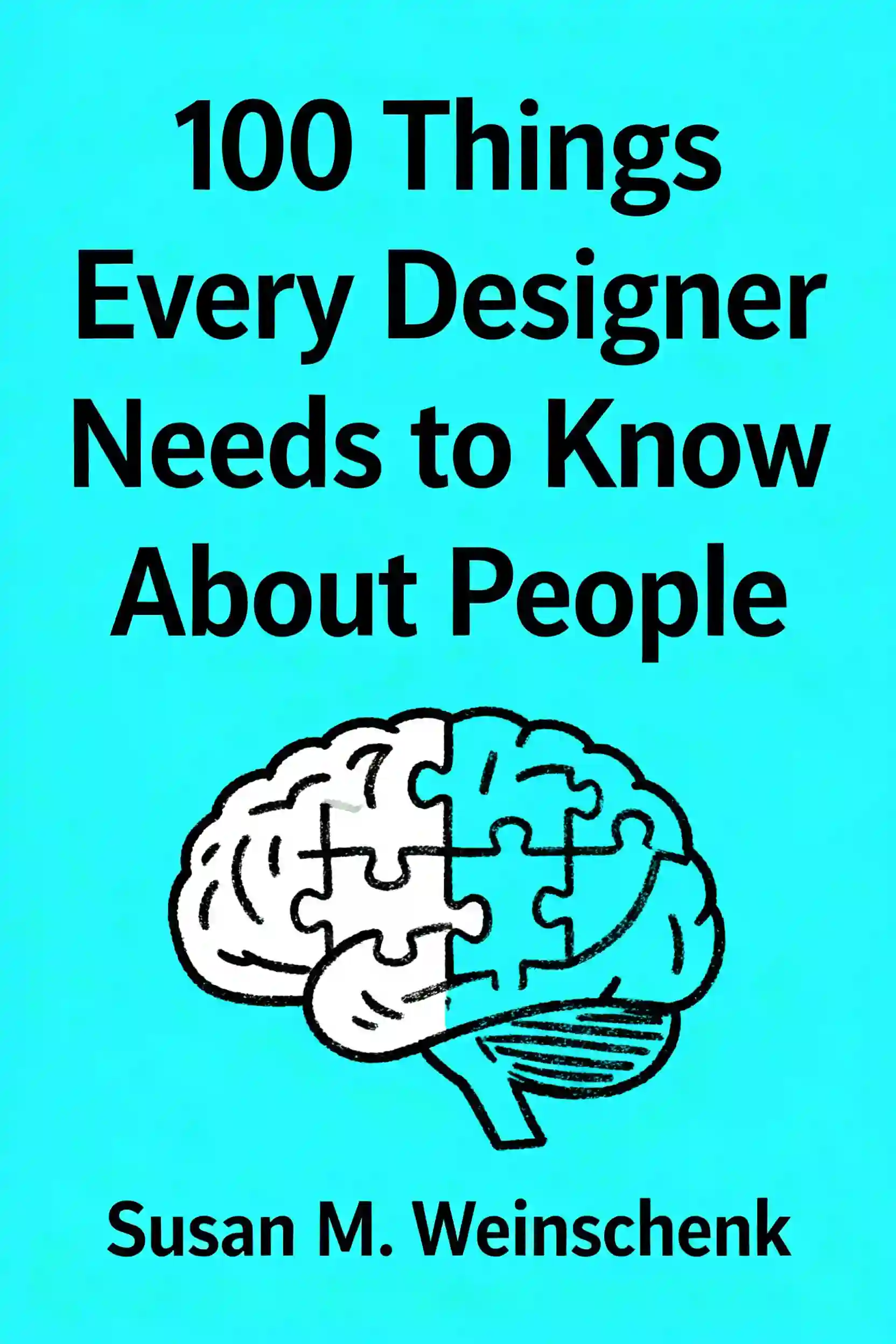
Perguntas frequentes
Research indicates that encountering a digital error can increase a user’s state anxiety by 18 to 21%. This happens because humans are goal-oriented creatures; when we click a link, our brains have already cognitively projected into the next piece of information. A 404 error acts as a "social and cognitive letdown" that interrupts our flow. Furthermore, if the error message implies the user made a mistake, it can be perceived as a blow to one's ego or competence, triggering a stress response.
Solastalgia is traditionally the distress caused by environmental change in one's physical home, such as climate change. In a digital context, it refers to the grief and loss felt when a familiar online environment—like a social media platform—degrades, changes its interface, or disappears. Because we treat these platforms as "common goods" or digital "town squares," a broken link or a major redesign can threaten our existential security and sever our connection to our own history and community.
The "death glitch" occurs because software logic is binary and often fails to account for human mortality. When a person passes away, their digital data remains as "phantoms" until a server error or account deletion "exorcises" them without the family's permission. This creates a painful disjunction where the ephemerality of a platform clashes with the permanence of human grief, often leaving the bereaved unable to access memorial pages or important digital inheritance due to rigid, non-empathetic system architectures.
The impact of humor on error pages is nuanced. Studies show that witty messages can act as a buffer, bridging the "empathy gap" and increasing the likelihood that a user will stay on the site. However, this only works in low-stakes environments. If a user is in a high-stakes mindset—such as searching for emergency medical information—a joke or a cartoon can trigger negative feelings and frustration, making the platform seem disrespectful or unreliable.
"Digital thrownness" is a philosophical concept describing the state of being forced to navigate a digital environment that doesn't necessarily care about our search for meaning. It highlights our vulnerability as "existers" who are at the mercy of algorithms and server uptimes. We often don't realize how much we have entrusted to these "black box" systems until a 404 error occurs, breaking the simulation of a perfectly indexed life and forcing us to confront the fragility of our digital existence.
Criado por ex-alunos da Universidade de Columbia em San Francisco
"Instead of endless scrolling, I just hit play on BeFreed. It saves me so much time."


"I never knew where to start with nonfiction—BeFreed’s book lists turned into podcasts gave me a clear path."


"Perfect balance between learning and entertainment. Finished ‘Thinking, Fast and Slow’ on my commute this week."
"Crazy how much I learned while walking the dog. BeFreed = small habits → big gains."
"Reading used to feel like a chore. Now it’s just part of my lifestyle."

"Feels effortless compared to reading. I’ve finished 6 books this month already."
"BeFreed turned my guilty doomscrolling into something that feels productive and inspiring."

"BeFreed turned my commute into learning time. 20-min podcasts are perfect for finishing books I never had time for."
"BeFreed replaced my podcast queue. Imagine Spotify for books — that’s it. 🙌"

"It is great for me to learn something from the book without reading it."
"The themed book list podcasts help me connect ideas across authors—like a guided audio journey."
"Makes me feel smarter every time before going to work"
Criado por ex-alunos da Universidade de Columbia em San Francisco
"Instead of endless scrolling, I just hit play on BeFreed. It saves me so much time."
"I never knew where to start with nonfiction—BeFreed’s book lists turned into podcasts gave me a clear path."
"Perfect balance between learning and entertainment. Finished ‘Thinking, Fast and Slow’ on my commute this week."
"Crazy how much I learned while walking the dog. BeFreed = small habits → big gains."
"Reading used to feel like a chore. Now it’s just part of my lifestyle."
"Feels effortless compared to reading. I’ve finished 6 books this month already."
"BeFreed turned my guilty doomscrolling into something that feels productive and inspiring."
"BeFreed turned my commute into learning time. 20-min podcasts are perfect for finishing books I never had time for."
"BeFreed replaced my podcast queue. Imagine Spotify for books — that’s it. 🙌"
"It is great for me to learn something from the book without reading it."
"The themed book list podcasts help me connect ideas across authors—like a guided audio journey."
"Makes me feel smarter every time before going to work"
"Instead of endless scrolling, I just hit play on BeFreed. It saves me so much time."
"I never knew where to start with nonfiction—BeFreed’s book lists turned into podcasts gave me a clear path."
"Perfect balance between learning and entertainment. Finished ‘Thinking, Fast and Slow’ on my commute this week."
"Crazy how much I learned while walking the dog. BeFreed = small habits → big gains."
"Reading used to feel like a chore. Now it’s just part of my lifestyle."
"Feels effortless compared to reading. I’ve finished 6 books this month already."
"BeFreed turned my guilty doomscrolling into something that feels productive and inspiring."
"BeFreed turned my commute into learning time. 20-min podcasts are perfect for finishing books I never had time for."
"BeFreed replaced my podcast queue. Imagine Spotify for books — that’s it. 🙌"
"It is great for me to learn something from the book without reading it."
"The themed book list podcasts help me connect ideas across authors—like a guided audio journey."
"Makes me feel smarter every time before going to work"
"Instead of endless scrolling, I just hit play on BeFreed. It saves me so much time."
"I never knew where to start with nonfiction—BeFreed’s book lists turned into podcasts gave me a clear path."
"Perfect balance between learning and entertainment. Finished ‘Thinking, Fast and Slow’ on my commute this week."
"Crazy how much I learned while walking the dog. BeFreed = small habits → big gains."
"Reading used to feel like a chore. Now it’s just part of my lifestyle."
"Feels effortless compared to reading. I’ve finished 6 books this month already."
"BeFreed turned my guilty doomscrolling into something that feels productive and inspiring."
"BeFreed turned my commute into learning time. 20-min podcasts are perfect for finishing books I never had time for."
"BeFreed replaced my podcast queue. Imagine Spotify for books — that’s it. 🙌"
"It is great for me to learn something from the book without reading it."
"The themed book list podcasts help me connect ideas across authors—like a guided audio journey."
"Makes me feel smarter every time before going to work"