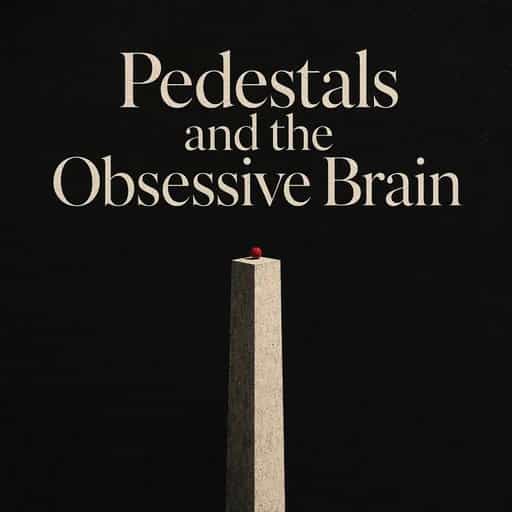
Pedestals and Puberty: The Science of Teenage Crushes
Explore the biological and psychological forces that drive girls aged 15-18 to idolize their crushes. This episode breaks down the dopamine-fueled intensity of limerence and why the teenage brain is wired for obsession.

Melhor citação de Pedestals and Puberty: The Science of Teenage Crushes
It’s not just 'puppy love'—to the brain of a sixteen-year-old girl, this feels like a matter of emotional survival. You’re not seeing the real person; you’re seeing a version of them that’s been polished by your own neurochemistry.
Generated by Aymos
I want to understand how females more specificaly 15 to 18 years crush and why and how long they crush so intensely and put the guy on a pedestal

Perguntas frequentes
Limerence is a state of involuntary, all-consuming infatuation often characterized by intrusive thoughts and a desperate need for reciprocation. Unlike healthy love, which involves accepting a person’s flaws and building mutual trust, limerence is driven by a "neurochemical cocktail" of dopamine and oxytocin that creates a cognitive blind spot. This causes the person to idealize their crush, placing them on a "pedestal" where flaws are filtered out in favor of a polished, perfect version of the individual.
This age group is particularly vulnerable due to a "perfect storm" of biological and psychological factors. Puberty-induced surges in estrogen and adrenaline make the brain's reward system hypersensitive, causing a simple attraction to feel like a literal natural high. Furthermore, because the prefrontal cortex—the area responsible for impulse control—is still developing, teenagers lack the cognitive tools to regulate these explosive emotions, making the experience feel like a matter of emotional survival.
Digital platforms act as fuel for the fire of limerence by removing the "forced breaks" that used to exist in romantic attraction. With 24/7 access to a crush’s curated life, teenagers often engage in "information seeking" and rumination, such as overanalyzing emojis or checking "read" receipts. This constant digital connection prevents the brain’s dopamine levels from resetting and can lead to "adolescent crush anxiety," where the uncertainty of a reply becomes more addictive than a clear answer.
When a crush shifts from a normal phase into a "limerent episode," it can lead to emotional dependency, where a teen's self-worth is entirely outsourced to their crush. Physical symptoms may include insomnia, loss of appetite, headaches, and heart palpitations due to chronic stress. Academically, it often manifests as a drop in performance or "bathroom camping" to check phones, while socially it can lead to withdrawal from friends and "bed rotting," where a teen spends hours immobilized by intrusive thoughts.
The first step is awareness—recognizing that the feelings are a biological process rather than a "soulmate connection." Setting digital boundaries, such as muting notifications, can help break the dopamine loop. It is also helpful to redirect attention toward high-stimulation activities like gaming, sports, or creative projects that provide a different sense of reward. Grounding exercises, such as the 5-4-3-2-1 technique, can also help pull a teenager out of a "crash" and back into the present moment.
Criado por ex-alunos da Universidade de Columbia em San Francisco
"Instead of endless scrolling, I just hit play on BeFreed. It saves me so much time."


"I never knew where to start with nonfiction—BeFreed’s book lists turned into podcasts gave me a clear path."


"Perfect balance between learning and entertainment. Finished ‘Thinking, Fast and Slow’ on my commute this week."
"Crazy how much I learned while walking the dog. BeFreed = small habits → big gains."
"Reading used to feel like a chore. Now it’s just part of my lifestyle."

"Feels effortless compared to reading. I’ve finished 6 books this month already."
"BeFreed turned my guilty doomscrolling into something that feels productive and inspiring."

"BeFreed turned my commute into learning time. 20-min podcasts are perfect for finishing books I never had time for."
"BeFreed replaced my podcast queue. Imagine Spotify for books — that’s it. 🙌"

"It is great for me to learn something from the book without reading it."
"The themed book list podcasts help me connect ideas across authors—like a guided audio journey."
"Makes me feel smarter every time before going to work"
Criado por ex-alunos da Universidade de Columbia em San Francisco
"Instead of endless scrolling, I just hit play on BeFreed. It saves me so much time."
"I never knew where to start with nonfiction—BeFreed’s book lists turned into podcasts gave me a clear path."
"Perfect balance between learning and entertainment. Finished ‘Thinking, Fast and Slow’ on my commute this week."
"Crazy how much I learned while walking the dog. BeFreed = small habits → big gains."
"Reading used to feel like a chore. Now it’s just part of my lifestyle."
"Feels effortless compared to reading. I’ve finished 6 books this month already."
"BeFreed turned my guilty doomscrolling into something that feels productive and inspiring."
"BeFreed turned my commute into learning time. 20-min podcasts are perfect for finishing books I never had time for."
"BeFreed replaced my podcast queue. Imagine Spotify for books — that’s it. 🙌"
"It is great for me to learn something from the book without reading it."
"The themed book list podcasts help me connect ideas across authors—like a guided audio journey."
"Makes me feel smarter every time before going to work"
"Instead of endless scrolling, I just hit play on BeFreed. It saves me so much time."
"I never knew where to start with nonfiction—BeFreed’s book lists turned into podcasts gave me a clear path."
"Perfect balance between learning and entertainment. Finished ‘Thinking, Fast and Slow’ on my commute this week."
"Crazy how much I learned while walking the dog. BeFreed = small habits → big gains."
"Reading used to feel like a chore. Now it’s just part of my lifestyle."
"Feels effortless compared to reading. I’ve finished 6 books this month already."
"BeFreed turned my guilty doomscrolling into something that feels productive and inspiring."
"BeFreed turned my commute into learning time. 20-min podcasts are perfect for finishing books I never had time for."
"BeFreed replaced my podcast queue. Imagine Spotify for books — that’s it. 🙌"
"It is great for me to learn something from the book without reading it."
"The themed book list podcasts help me connect ideas across authors—like a guided audio journey."
"Makes me feel smarter every time before going to work"
"Instead of endless scrolling, I just hit play on BeFreed. It saves me so much time."
"I never knew where to start with nonfiction—BeFreed’s book lists turned into podcasts gave me a clear path."
"Perfect balance between learning and entertainment. Finished ‘Thinking, Fast and Slow’ on my commute this week."
"Crazy how much I learned while walking the dog. BeFreed = small habits → big gains."
"Reading used to feel like a chore. Now it’s just part of my lifestyle."
"Feels effortless compared to reading. I’ve finished 6 books this month already."
"BeFreed turned my guilty doomscrolling into something that feels productive and inspiring."
"BeFreed turned my commute into learning time. 20-min podcasts are perfect for finishing books I never had time for."
"BeFreed replaced my podcast queue. Imagine Spotify for books — that’s it. 🙌"
"It is great for me to learn something from the book without reading it."
"The themed book list podcasts help me connect ideas across authors—like a guided audio journey."
"Makes me feel smarter every time before going to work"