Mastering the Art of Silent Connection
Unlock the C.O.R.E. framework to decode body language and overcome social biases. Learn how to project warmth and become the most likable person in the room by mastering the 'First Liker' mindset.

Melhor citação de Mastering the Art of Silent Connection
We often think being likable is about having a big, perfect personality, but what we’re really craving is just to feel at ease. It’s not about performing; it’s about providing that hug of psychological comfort through your presence.
Generated by maddy
i want to learn how to read people better and come off as friendly caring and likeable

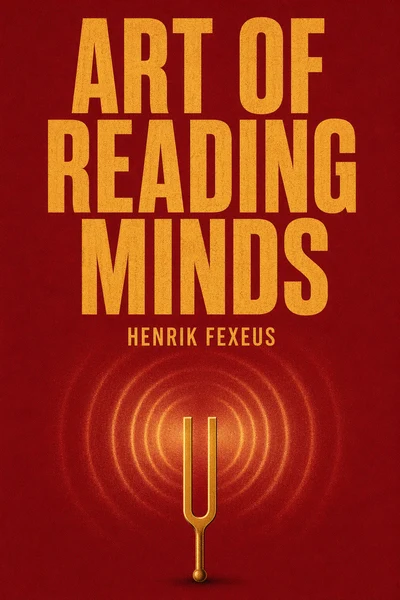
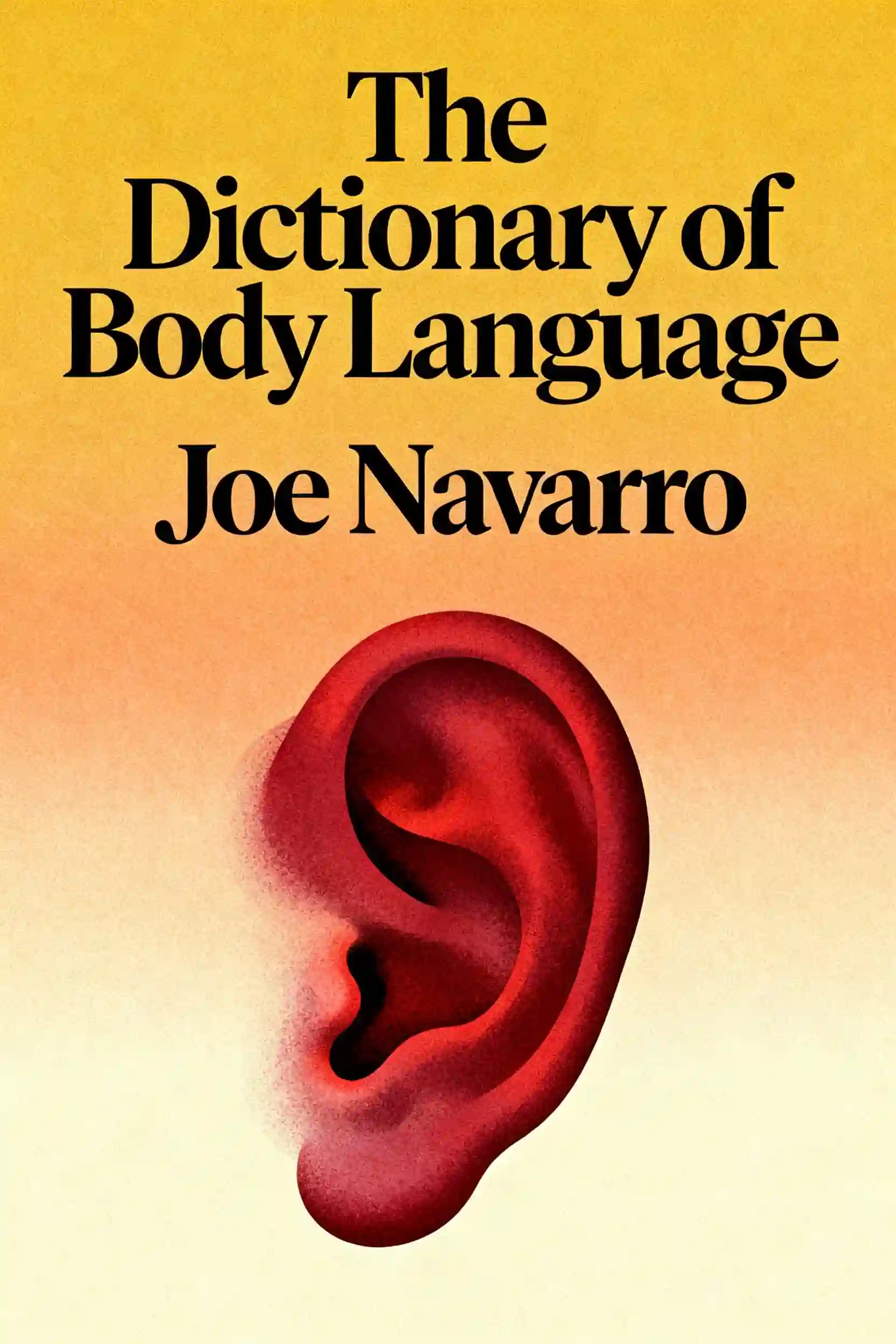
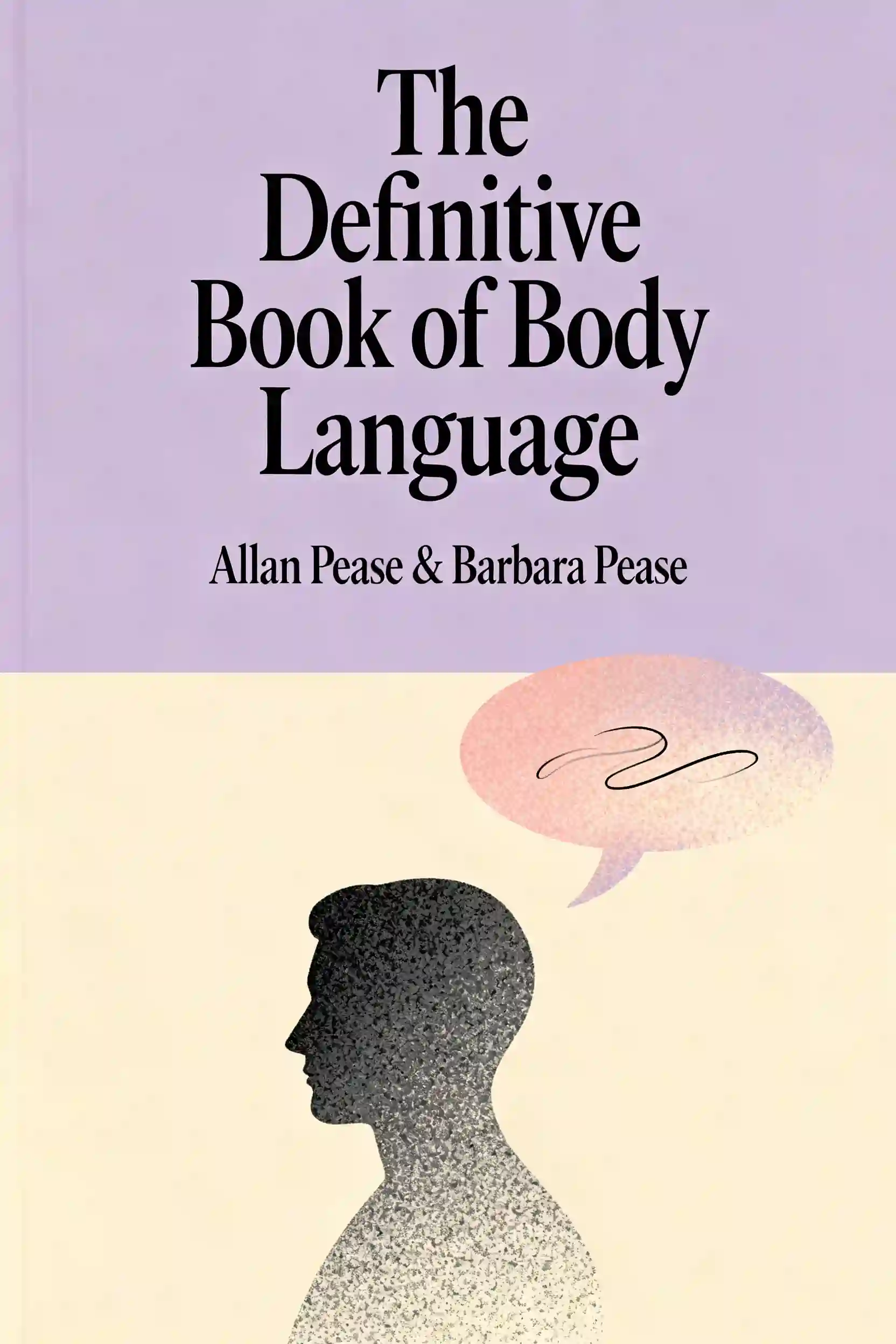
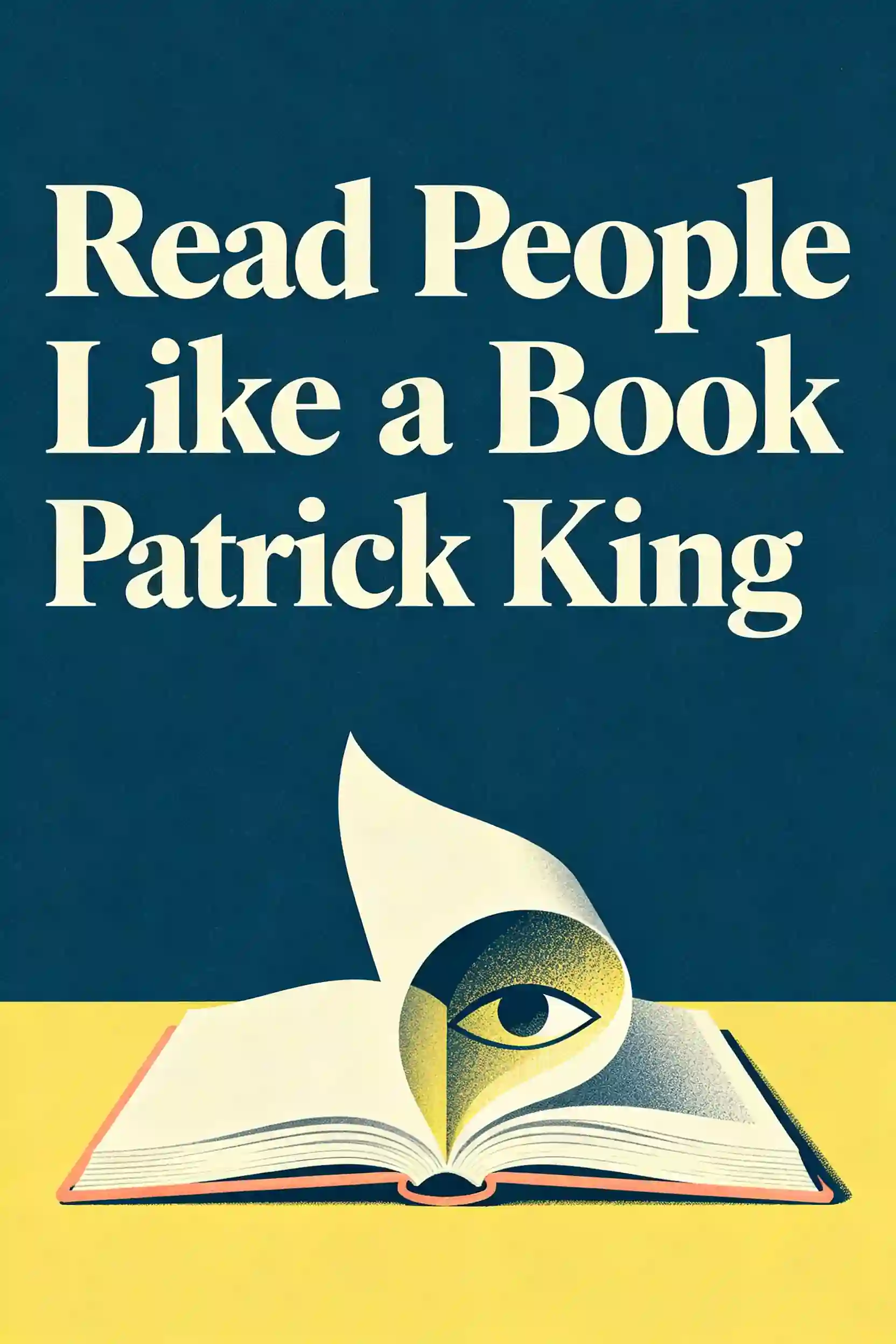
Perguntas frequentes
Signal Amplification Bias is a psychological phenomenon where we believe our internal feelings of liking or social warmth are obvious to others, when in reality, they are not. Because we are often afraid of rejection, we tend to hide these positive feelings, leading to a "silent conversation" where both parties may feel a connection but fail to communicate it. This bias creates a barrier to connection because we assume the other person knows we like them, while they may actually feel ignored or uncertain.
The script explains that humans have been practicing facial expressions since childhood, making it easy to "fake" a smile or a polite look. However, most people do not consciously control their feet. According to former FBI agent Joe Navarro, the feet respond instinctively to our emotional state; for example, if someone’s feet are pointed toward the door during a conversation, it suggests they are ready to leave, even if they are acting polite. Conversely, crossing one's legs while standing is a sign of deep comfort because it puts the body off-balance, signaling that the person feels 100% safe.
C.O.R.E. is a leadership and social framework that stands for Command Posture, Open Gestures, Regulated Eye Contact, and Expansive Spatial Awareness. It is designed to signal that a person is calm, open, and fully present. Key practices within this framework include keeping hands visible to build trust (the "trust zone"), maintaining eye contact about 70% of the time while listening, and avoiding "shrinking" behaviors like tucking in elbows, which can signal insecurity or fear.
Social psychology suggests that we judge others based on their intentions (warmth) and their ability to act on those intentions (competence). If someone is high in warmth but low in competence, they may be seen as "nice" but forgettable; if they are high in competence but low in warmth, they can appear cold or threatening. The "sweet spot" for charisma is the integration of both, where a person demonstrates they are capable and strong while simultaneously using that strength to support and validate others.
Being a "first liker" means choosing to assume that people will like you and treating them as if they already do, rather than waiting for them to make the first move. This mindset shifts your body language to be more open and genuine, which triggers "emotional contagion," causing others to reflect that positive energy back to you. Practical ways to be a first liker include giving "raving introductions" that highlight others' strengths and asking "killer conversation starters" that move past small talk to find what truly matters to the other person.
Criado por ex-alunos da Universidade de Columbia em San Francisco
"Instead of endless scrolling, I just hit play on BeFreed. It saves me so much time."


"I never knew where to start with nonfiction—BeFreed’s book lists turned into podcasts gave me a clear path."


"Perfect balance between learning and entertainment. Finished ‘Thinking, Fast and Slow’ on my commute this week."
"Crazy how much I learned while walking the dog. BeFreed = small habits → big gains."
"Reading used to feel like a chore. Now it’s just part of my lifestyle."

"Feels effortless compared to reading. I’ve finished 6 books this month already."
"BeFreed turned my guilty doomscrolling into something that feels productive and inspiring."

"BeFreed turned my commute into learning time. 20-min podcasts are perfect for finishing books I never had time for."
"BeFreed replaced my podcast queue. Imagine Spotify for books — that’s it. 🙌"

"It is great for me to learn something from the book without reading it."
"The themed book list podcasts help me connect ideas across authors—like a guided audio journey."
"Makes me feel smarter every time before going to work"
Criado por ex-alunos da Universidade de Columbia em San Francisco
"Instead of endless scrolling, I just hit play on BeFreed. It saves me so much time."
"I never knew where to start with nonfiction—BeFreed’s book lists turned into podcasts gave me a clear path."
"Perfect balance between learning and entertainment. Finished ‘Thinking, Fast and Slow’ on my commute this week."
"Crazy how much I learned while walking the dog. BeFreed = small habits → big gains."
"Reading used to feel like a chore. Now it’s just part of my lifestyle."
"Feels effortless compared to reading. I’ve finished 6 books this month already."
"BeFreed turned my guilty doomscrolling into something that feels productive and inspiring."
"BeFreed turned my commute into learning time. 20-min podcasts are perfect for finishing books I never had time for."
"BeFreed replaced my podcast queue. Imagine Spotify for books — that’s it. 🙌"
"It is great for me to learn something from the book without reading it."
"The themed book list podcasts help me connect ideas across authors—like a guided audio journey."
"Makes me feel smarter every time before going to work"
"Instead of endless scrolling, I just hit play on BeFreed. It saves me so much time."
"I never knew where to start with nonfiction—BeFreed’s book lists turned into podcasts gave me a clear path."
"Perfect balance between learning and entertainment. Finished ‘Thinking, Fast and Slow’ on my commute this week."
"Crazy how much I learned while walking the dog. BeFreed = small habits → big gains."
"Reading used to feel like a chore. Now it’s just part of my lifestyle."
"Feels effortless compared to reading. I’ve finished 6 books this month already."
"BeFreed turned my guilty doomscrolling into something that feels productive and inspiring."
"BeFreed turned my commute into learning time. 20-min podcasts are perfect for finishing books I never had time for."
"BeFreed replaced my podcast queue. Imagine Spotify for books — that’s it. 🙌"
"It is great for me to learn something from the book without reading it."
"The themed book list podcasts help me connect ideas across authors—like a guided audio journey."
"Makes me feel smarter every time before going to work"
"Instead of endless scrolling, I just hit play on BeFreed. It saves me so much time."
"I never knew where to start with nonfiction—BeFreed’s book lists turned into podcasts gave me a clear path."
"Perfect balance between learning and entertainment. Finished ‘Thinking, Fast and Slow’ on my commute this week."
"Crazy how much I learned while walking the dog. BeFreed = small habits → big gains."
"Reading used to feel like a chore. Now it’s just part of my lifestyle."
"Feels effortless compared to reading. I’ve finished 6 books this month already."
"BeFreed turned my guilty doomscrolling into something that feels productive and inspiring."
"BeFreed turned my commute into learning time. 20-min podcasts are perfect for finishing books I never had time for."
"BeFreed replaced my podcast queue. Imagine Spotify for books — that’s it. 🙌"
"It is great for me to learn something from the book without reading it."
"The themed book list podcasts help me connect ideas across authors—like a guided audio journey."
"Makes me feel smarter every time before going to work"