How to start a brain dump and clear mental clutter
Feeling overwhelmed by a long to-do list? Learn how cognitive offloading can stop the mental noise and turn your chaotic tasks into a prioritized plan.

Melhor citação de How to start a brain dump and clear mental clutter
Our brains were designed to have ideas, not hold them. You are using a high-powered processor just to act as a sticky note, which is a waste of potential.
Generated by Yamz
how to start writing out my to do list and get everything out i need to get done and organize it

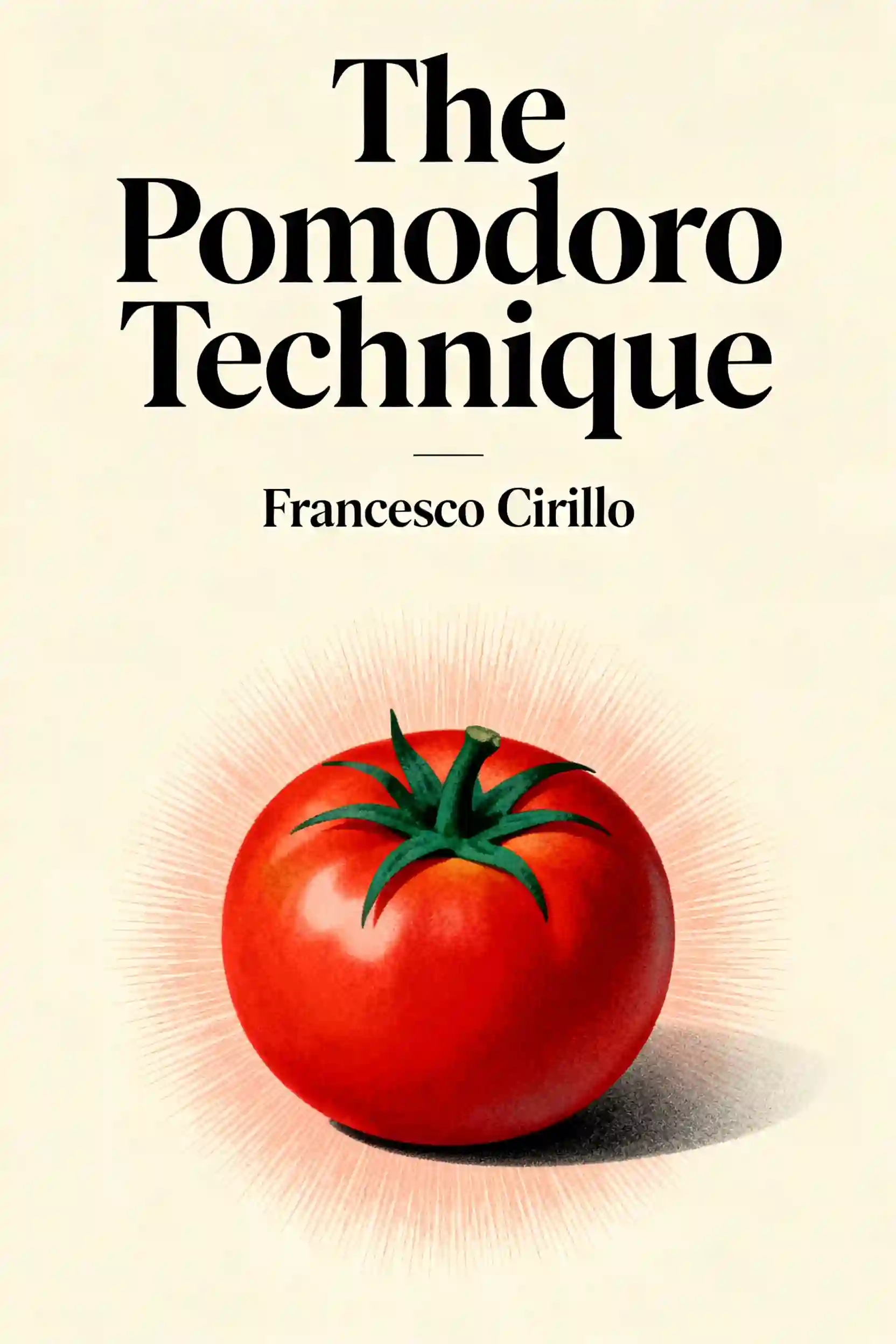
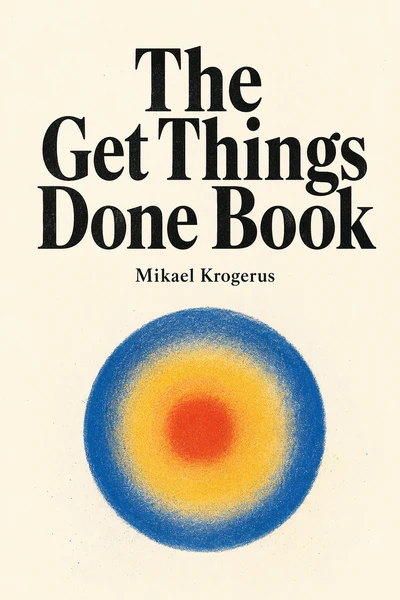
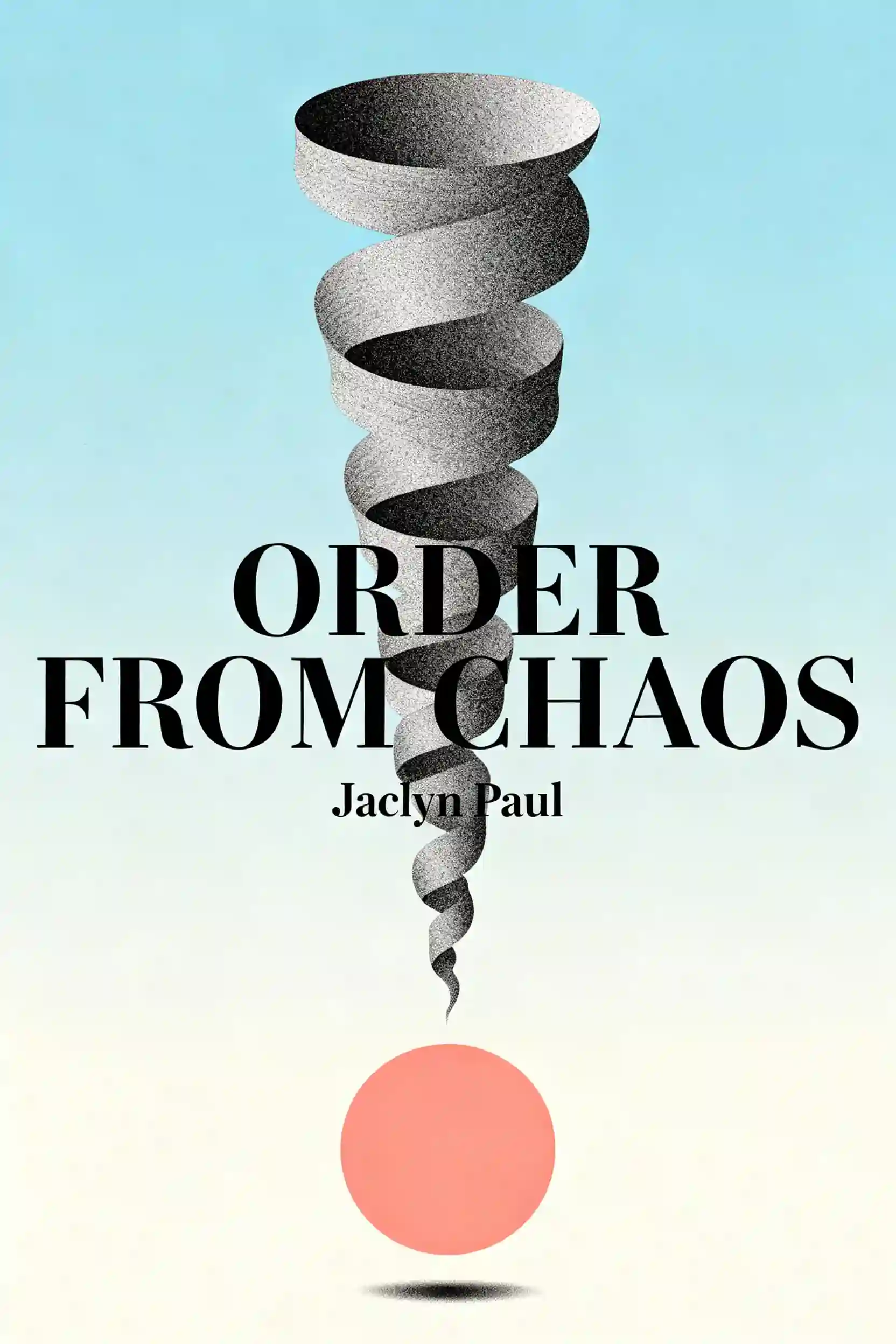
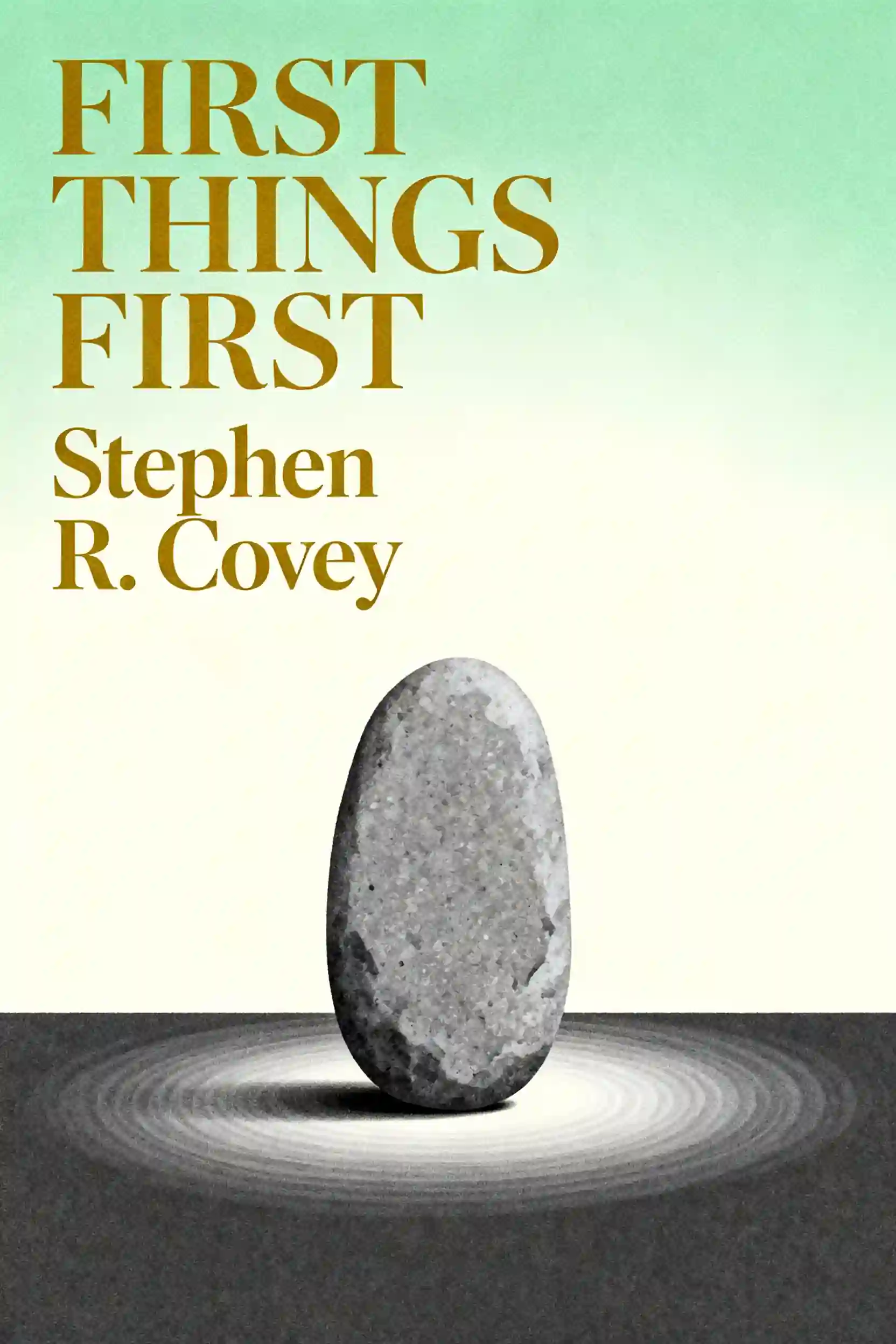
Perguntas frequentes
A brain dump is an initial, unfiltered "emergency exit" for the brain where you spend about fifteen minutes writing down every immediate worry, task, or random thought without judging or formatting them. In contrast, a Mind Sweep is a more systematic "deep clean" that uses a "Trigger List" of categories—such as Financial, Household, or Professional—to jog your memory about quieter, background tasks that you might have overlooked but are still consuming mental energy.
This phenomenon is rooted in the Zeigarnik Effect, which suggests that our brains will continue to nag us about unfinished tasks until they are either completed or captured in a trusted system. Research shows that simply making a concrete plan for how you will handle a task reduces the cognitive burden just as much as finishing it. By externalizing the intention, you close the "open loop," allowing your brain to release its grip and free up working memory.
A Next Physical Action is the very first visible, physical step required to move a project forward, such as "Call the plumber" rather than the vague project "Fix the sink." Many people experience procrastination not because they are lazy, but because their to-do lists are full of multi-step projects that create "choice paralysis." Defining the next physical action removes the friction of thinking, making it easier to start the task.
The Two-Minute Rule states that if a task takes less than two minutes to complete—such as replying to a short email or sending a quick text—you should do it immediately rather than writing it down. This strategy can instantly clear about thirty percent of the clutter from your mental inbox, preventing tiny "open loops" from piling up and making your primary task list feel overwhelming.
Cognitive offloading is the act of using physical actions or the external environment to reduce mental demand, such as using a notebook or an app as an "external brain." Because human working memory can typically only hold four to seven items at once, offloading tasks to a trusted system prevents "browser crash" or mental exhaustion. This frees up the brain’s "RAM" for high-level thinking, creativity, and being fully present in the moment.
Criado por ex-alunos da Universidade de Columbia em San Francisco
"Instead of endless scrolling, I just hit play on BeFreed. It saves me so much time."


"I never knew where to start with nonfiction—BeFreed’s book lists turned into podcasts gave me a clear path."


"Perfect balance between learning and entertainment. Finished ‘Thinking, Fast and Slow’ on my commute this week."
"Crazy how much I learned while walking the dog. BeFreed = small habits → big gains."
"Reading used to feel like a chore. Now it’s just part of my lifestyle."

"Feels effortless compared to reading. I’ve finished 6 books this month already."
"BeFreed turned my guilty doomscrolling into something that feels productive and inspiring."

"BeFreed turned my commute into learning time. 20-min podcasts are perfect for finishing books I never had time for."
"BeFreed replaced my podcast queue. Imagine Spotify for books — that’s it. 🙌"

"It is great for me to learn something from the book without reading it."
"The themed book list podcasts help me connect ideas across authors—like a guided audio journey."
"Makes me feel smarter every time before going to work"
Criado por ex-alunos da Universidade de Columbia em San Francisco
"Instead of endless scrolling, I just hit play on BeFreed. It saves me so much time."
"I never knew where to start with nonfiction—BeFreed’s book lists turned into podcasts gave me a clear path."
"Perfect balance between learning and entertainment. Finished ‘Thinking, Fast and Slow’ on my commute this week."
"Crazy how much I learned while walking the dog. BeFreed = small habits → big gains."
"Reading used to feel like a chore. Now it’s just part of my lifestyle."
"Feels effortless compared to reading. I’ve finished 6 books this month already."
"BeFreed turned my guilty doomscrolling into something that feels productive and inspiring."
"BeFreed turned my commute into learning time. 20-min podcasts are perfect for finishing books I never had time for."
"BeFreed replaced my podcast queue. Imagine Spotify for books — that’s it. 🙌"
"It is great for me to learn something from the book without reading it."
"The themed book list podcasts help me connect ideas across authors—like a guided audio journey."
"Makes me feel smarter every time before going to work"
"Instead of endless scrolling, I just hit play on BeFreed. It saves me so much time."
"I never knew where to start with nonfiction—BeFreed’s book lists turned into podcasts gave me a clear path."
"Perfect balance between learning and entertainment. Finished ‘Thinking, Fast and Slow’ on my commute this week."
"Crazy how much I learned while walking the dog. BeFreed = small habits → big gains."
"Reading used to feel like a chore. Now it’s just part of my lifestyle."
"Feels effortless compared to reading. I’ve finished 6 books this month already."
"BeFreed turned my guilty doomscrolling into something that feels productive and inspiring."
"BeFreed turned my commute into learning time. 20-min podcasts are perfect for finishing books I never had time for."
"BeFreed replaced my podcast queue. Imagine Spotify for books — that’s it. 🙌"
"It is great for me to learn something from the book without reading it."
"The themed book list podcasts help me connect ideas across authors—like a guided audio journey."
"Makes me feel smarter every time before going to work"
"Instead of endless scrolling, I just hit play on BeFreed. It saves me so much time."
"I never knew where to start with nonfiction—BeFreed’s book lists turned into podcasts gave me a clear path."
"Perfect balance between learning and entertainment. Finished ‘Thinking, Fast and Slow’ on my commute this week."
"Crazy how much I learned while walking the dog. BeFreed = small habits → big gains."
"Reading used to feel like a chore. Now it’s just part of my lifestyle."
"Feels effortless compared to reading. I’ve finished 6 books this month already."
"BeFreed turned my guilty doomscrolling into something that feels productive and inspiring."
"BeFreed turned my commute into learning time. 20-min podcasts are perfect for finishing books I never had time for."
"BeFreed replaced my podcast queue. Imagine Spotify for books — that’s it. 🙌"
"It is great for me to learn something from the book without reading it."
"The themed book list podcasts help me connect ideas across authors—like a guided audio journey."
"Makes me feel smarter every time before going to work"