Capítulo 1
Decluttering Your Way to Happiness: A Life-Changing Approach
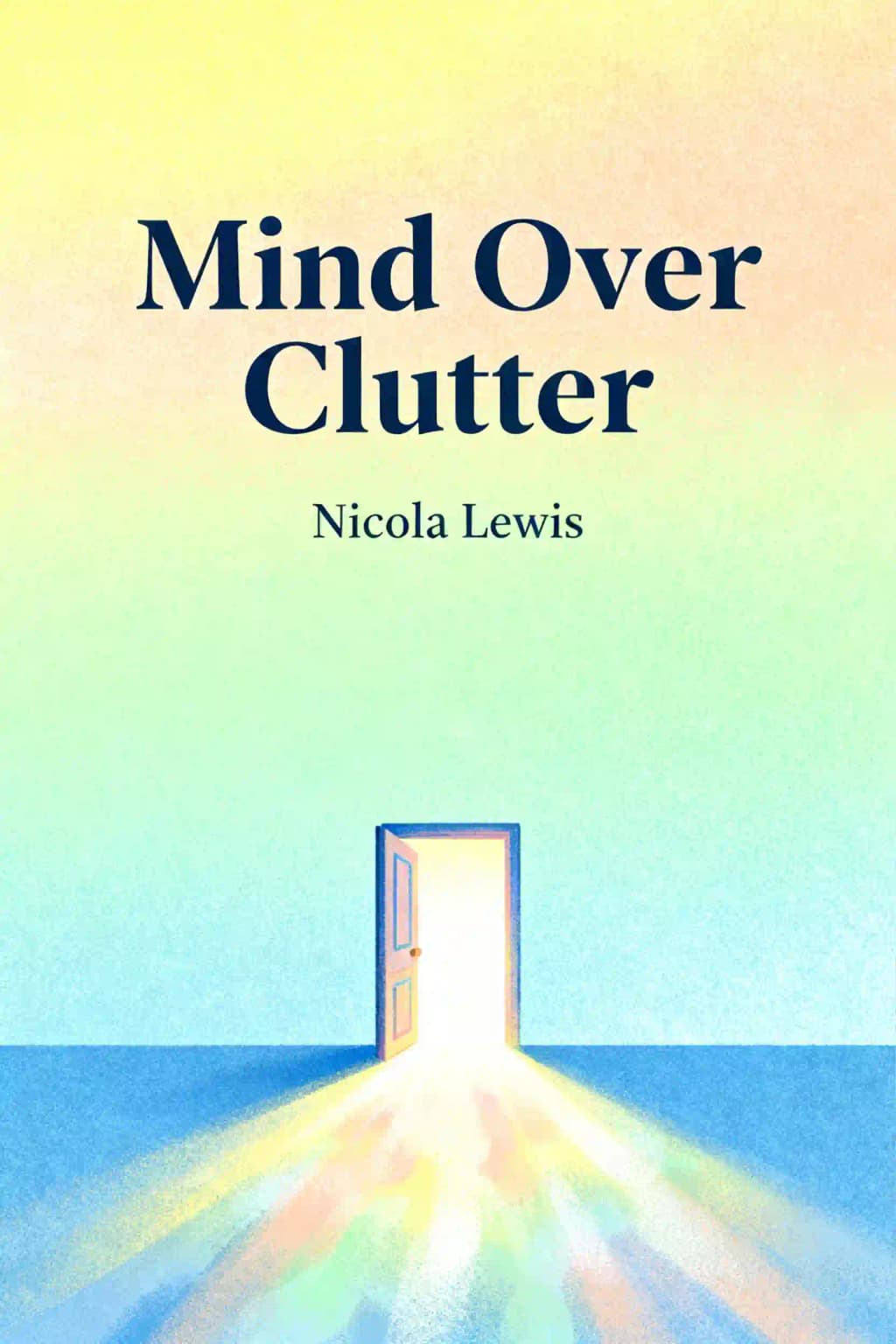
Have you ever felt that overwhelming sense of anxiety when you open a cluttered drawer or look at a chaotic room? You're not alone. Nicola Lewis, founder of This Girl Can Organise (TGCO), has transformed this common struggle into her life's mission. After being made redundant from her investment banking job in 2016, she discovered her true calling in helping others create order from chaos. Her approach to decluttering has garnered attention from celebrities and everyday people alike, with her Instagram following growing exponentially as more people recognize the profound mental health benefits of an organized home. What sets her method apart is the focus not just on tidiness, but on sustainability, mindfulness, and creating spaces that genuinely enhance wellbeing. In a world increasingly concerned with mental health and environmental impact, Lewis's practical, accessible approach offers a pathway to both personal peace and planetary responsibility.
Capítulo 2
The Mind-Clutter Connection: Why Organization Matters
Having a clear, clutter-free space transforms not just your physical environment but your mental landscape too. When your surroundings are organized, your mind feels calmer and more relaxed. Decluttering gives you more time for yourself and your family, leading to a healthier, more balanced life. While a clean environment won't solve all your problems, it significantly impacts your emotional wellbeing and outlook.
Clutter means different things to different people, but essentially it's filling a space with an untidy, chaotic collection of things. It might develop during positive transitions like moving house or renovating, or build up imperceptibly over time. If you're moving things around to accomplish simple chores or feeling overwhelmed by "stuff," you likely have a clutter problem.
Your surroundings dramatically affect your mood and mental health, especially when you're stressed or struggling. Clutter acts like visual noise, each item potentially triggering alarm bells in your head. Studies show cluttered homes increase stress and cortisol levels, leading to anxiety, headaches, fatigue, insomnia, memory lapses, and even depression. Decluttering, even in small steps, can reduce anxiety significantly. Take Elizabeth, for example - she discovered that managing small spaces daily was more powerful for her sanity than tackling mammoth tasks all at once.
Many people feel excited when they start decluttering, ready to tackle what they've been dreading. Not everyone enjoys decluttering alone - it can feel like drudgery or even be traumatic when people are over-attached to possessions. The process becomes more enjoyable with music, candles, or breaks for tea. Decluttering becomes part of self-care - taking care of yourself and your home.
Asking for help can feel embarrassing or like a sign of weakness, but we're stronger when working as a team. Sarah, a City lawyer who worked long hours, became anxious about her cluttered home but found the problem too overwhelming to tackle alone. Together with professional help, she created a plan and had fun decluttering while listening to Prince. She experienced relief as her worries disappeared. There's no need to feel guilty about seeking help - it's often more effective to have someone less emotionally attached make decisions about your belongings.
When you're ready to start decluttering yourself, analyze the problem, create a plan, and work through it methodically. Write a to-do list for every room, ask for help if needed, and set aside regular time for decluttering. Don't try to do too much too soon - start small and celebrate little wins. This isn't a quick fix but a long-term process that can radically change your life and mindset. Turn big challenges into measurable goals, like 30 minutes a day, and be amazed by what you achieve.
Capítulo 3
The TGCO Method: A Systematic Approach to Decluttering
The TGCO Decluttering Plan follows four simple steps that can transform any space from chaotic to calm. First, remove all items from the room you're tackling. This crucial step allows you to see exactly what you have and creates a blank canvas for your organized space. Next, sort and purge by creating four distinct piles: Keep (items you love and use regularly), Donate (things in good condition that could benefit others), Bin (broken or unusable items), and Sell (valuable items you no longer need). The third step is to clean the entire space thoroughly - dust shelves, vacuum carpets, and wipe surfaces. Finally, organize everything that remains, giving each item a designated home.
This process is like an exercise class - energizing at first, challenging in the middle, but ultimately rewarding when you see what you've achieved. To maintain your newly organized spaces, create a schedule with daily, weekly, monthly, seasonal, and annual tasks. Daily tasks like making beds take just minutes, while seasonal jobs like sorting wardrobes can be done less frequently. This approach dramatically reduces the time needed for future tidying.
Your bedroom should be a sanctuary - a peaceful, tranquil space free from clutter, strewn clothes, paperwork, gadgets, and toys. Begin by removing anything that doesn't belong, then bin or donate items you no longer need. Focus on what to keep and how to store it effectively. Make your bed every morning - it's the first achievable task of the day and takes just five minutes but creates an inviting space to return to.
Maximize bedroom storage with under-bed solutions (drawers, lift-up mattresses, or plastic boxes), storage ottomans, and vintage trunks that can double as bedside tables. Transform chaotic drawers by emptying everything, discarding what's unnecessary, and using dividers to organize categories like underwear, socks, and T-shirts. Roll clothes and arrange by category or color for at-a-glance access.
A well-organized wardrobe brings mental clarity and makes dressing easier. Empty everything, categorize items, and be ruthless - discard ill-fitting clothes and unworn "bargains." Create four piles: keep, donate, sell, and bin. Clean the empty wardrobe, then organize clothes by color, category, or season. Choose appropriate hangers (slim velvet for most items, wooden for suits) and consider using lavender sachets to deter moths.
For children's bedrooms, involve them in the decluttering process from an early age, teaching them valuable life skills while respecting their space and belongings. Frame tidying as fun rather than punishment, using positive language that gives them ownership over their possessions and space. Begin by building trust - let children show you around their rooms to understand what matters to them. Remove everything that doesn't belong, then sort toys and books into categories. Have your child decide what to keep, placing items in designated containers that you label together.
Capítulo 4
Kitchen Organization: The Heart of Home Efficiency
The kitchen, often the heart of the home, can quickly become overrun with cooking utensils, gadgets, food, and other items. Creating structure in this vital space brings calm and satisfaction. Rather than tackling everything at once, develop a plan with defined goals, dividing the kitchen into functional zones for more manageable decluttering.
Before emptying cupboards, evaluate your storage areas and how effectively you're using them. Make a list of tasks for each zone and check them off as you complete them. A kitchen functions best when organized into zones: prep area, food storage, cooking utensils, serving ware, entertaining ware, seasonal items, cleaning supplies, and dining space.
Choose whether to start with the most challenging areas or easier zones. For each zone: collect and categorize items, decide what to keep or discard, clean the storage area, and reorganize neatly. Reward yourself after completing each section before moving to the next.
As kitchens accumulate more gadgets and utensils, storage becomes critical. Well-planned kitchens have ample storage with everything accessible and properly placed. Creative solutions can maximize available space while keeping everything organized.
Remember that owning less is better than organizing more, especially with kitchen storage cupboards. Be ruthless when decluttering mugs, glasses, and containers, keeping only what you actually use. Place items in special trays or containers to prevent them from falling over and to access everything easily, not just what's at the front. This approach makes your cupboards more functional while reducing clutter.
We all accumulate too many mugs and cups. When your cupboard resembles a crowded commuter train, it's time to declutter. Count how many you actually need, empty shelves completely, clean the cupboard, then ruthlessly sort through them. Donate surplus mugs to charity shops, schools, nursing homes, and shelters rather than sending them to landfill. Return only what you'll use, arranging them neatly or displaying attractive ones on hooks or open shelves.
For pots and pans, store lids in vertical slotted organizers and stack the pans on top. If space is limited, hang them from a wall rack or suspended rack over your island (if ceiling height permits). With a standard hob, you need no more than six essential pans - large, medium and small saucepans, a non-stick pan, frying pan, and griddle pan. Enthusiastic cooks may need additional specialized pans, requiring creative storage solutions.
A clean, tidy, and organized drawer is happiness personified. Nothing's worse than a messy drawer where you can't find what you need. With so many drawer organizers and inserts available, there's no excuse for chaos. Use drawer dividers to prevent items from moving around, and choose from stay-put, expanding, or interlocking organizers to fit any drawer size.
Capítulo 5
Living Spaces: Creating Zones of Calm and Functionality
The living space should be a peaceful area where family can relax, chat, watch television, play games, and read together. To maintain functionality while containing clutter, plan and designate specific areas for different activities. By implementing the TGCO decluttering plan, you can keep your living space relaxing and tidy despite clutter that quickly accumulates.
Assess your living room critically. Consider its size and whether you're maximizing the available space. Think about creating different functional zones: a sitting area, reading area, TV/home cinema area, music area, play area, and storage for media and books. Make the sitting area cozy with soft lighting, colorful cushions, candle holders, flowers, or plants to create a relaxing atmosphere. Sometimes simply rearranging furniture can transform the space and improve functionality.
Keep your living room neat and clutter-free with smart storage solutions like cupboards, stacking systems, shelving, and tidiers. Rather than one designated area for everything, consider separating items functionally: books near the reading area, DVDs close to the television, and music media near the sound system. There are no fixed rules - use whatever arrangement works best for your space and lifestyle.
When books pile on floors or shelves bow under their weight, it's time to declutter. Keep only reference books and those you truly love reading. Apply the "one-in-and-one-out" rule to manage your collection sustainably. Donate unwanted books to charity shops or libraries. Organize your collection by author, genre, or even by color (though this makes finding specific titles more challenging).
Despite streaming services making physical media less necessary, many still cling to DVD and CD collections. Set aside time to sort through your collection, keeping only what you truly enjoy and will watch or listen to again. The rest can be sold online or at car-boot sales, or donated to hospitals and retirement homes where they'll brighten residents' days. Organize what you keep by genre or alphabetically, and consider special storage folders to free up shelf space.
Without a dedicated playroom, living spaces can quickly become overwhelmed with toys. Introduce baskets or stacking storage boxes to organize toys by category, creating "go-to" areas for children. Store small items like Lego, blocks, and art supplies in labeled clear containers. Establish ground rules encouraging children to tidy up after playing - when clearing becomes routine rather than a chore, children will comply without fuss.
The triangular space beneath stairs can provide valuable additional storage when designed thoughtfully. Typically cluttered with miscellaneous items, understairs cupboards need systematic organization. Start by emptying everything out and thoroughly cleaning the space. Sort through items, discarding what's unnecessary and relocating items like paint cans to more appropriate storage areas. Before replacing items, consider installing shelves or cupboards to maximize the space, keeping similar items grouped together.
Capítulo 6
Eco-Cleaning: Natural Solutions for a Healthier Home
Cleaning doesn't have to be a dreaded chore. While most of us love a clean home, spending energy on something unenjoyable isn't ideal. Regular cleaning is essential, but it needn't consume hours - 30 minutes daily can work fine, or establish a schedule that suits your lifestyle. Even quick daily habits like wiping kitchen surfaces after meals or giving the shower a quick spray can make weekend cleaning sessions less burdensome.
Conventional cleaning products are often flammable, toxic, and packaged in plastic bottles that take over 200 years to decompose. We should be as careful about cleaning products as we are about skincare. Many people experience health improvements when switching to natural cleaners, as chemical products can cause coughing, sneezing, and skin issues. VOCs (volatile organic compounds) in common cleaners release harmful gases and can cause serious health problems.
Traditional cleaning methods using everyday kitchen ingredients are often more effective, cheaper, and safer than commercial products. Lemons are naturally antibacterial, fresh-smelling, and gentle on materials like fabric and wood. They're excellent for removing water marks and limescale. Specific uses include sanitizing kitchen bins, removing fridge odors, treating grease stains on clothing, cleaning wooden chopping boards, polishing copper pans, and cleaning laminate worktops. However, avoid using lemons on natural stone or brass-plated items as the juice can cause damage.
Vinegar, like lemons, has natural antibacterial properties and neutralizes odors, making it an excellent all-purpose cleaner. It can prevent mold in refrigerators, clean glasses (as a dishwasher rinse aid alternative), polish chrome and stainless-steel, and remove tea and coffee stains. Important cautions include avoiding use on porous materials like stone or granite, never using it on waxed wood, and never mixing it with bleach or hydrogen peroxide as these combinations create toxic vapors.
Bicarbonate of soda (baking soda) is versatile throughout the home. It can be used to scrub dishes when sprinkled on half a lemon, clean hairbrushes, brighten laundry, minimize litter-box odors, remove toilet stains (especially when combined with vinegar), clean sinks, and clear plugholes. However, avoid using bicarb and vinegar combinations on antique silver and never store leftover mixtures in sealed containers as they could explode.
Essential oils provide naturally antibacterial cleaning without harmful fumes while positively affecting mood through their aromas. Purchase high-quality, 100% pure oils from reputable suppliers and test oils on small areas first. Exercise caution if pregnant or around pets. Top recommended oils for cleaning include cinnamon, eucalyptus, lavender, lemon, peppermint, rosemary, tea tree, thyme, and wild orange - each with specific antibacterial or antiseptic properties.
Making your own cleaning products saves money and time while protecting health, furniture, pets, and the environment. Label homemade products clearly and shake them before use to activate the oils. Simple recipes include bathroom spray (water, white vinegar, essential oils), carpet and fabric cleaner (eco washing-up liquid, white vinegar, warm water, bicarbonate of soda), multi-purpose cleaner (eco washing-up liquid, water, white vinegar, citrus essential oils), and window cleaner (white vinegar, water, peppermint essential oil).
Capítulo 7
Responsible Decluttering: Upcycling and Donation Strategies
Decluttering responsibly means being mindful about not sending items to landfill. Every small individual contribution toward sustainability adds up to make a positive impact on our planet. Our choices show we care about the future of our planet and mankind.
Upcycling gives items a new lease of life through creativity. Rather than buying expensive drawer dividers, repurpose cardboard food boxes. Plastic food containers from berries or mushrooms can organize refrigerator drawers. Old glass candle jars become containers for cotton buds or makeup brushes after removing the wax. Plastic bags can be folded into space-saving "samosas" for easy storage. Tin cans can become planters or patio light holders, cardboard boxes transform into storage baskets when wrapped with string, and designer gift boxes make perfect drawer organizers.
Donating makes decluttering easier and more meaningful by knowing your unwanted items will help others. Books are among the most popular items to donate, though many find it difficult to part with their collections. When decluttering books, first identify the ones you truly love and reread - those that have made a difference in your life - and give them a prominent place on your shelves. Sort through non-fiction books and keep only those you regularly use or reference. For children's books your kids have outgrown, add them to the 'donate' pile. Books you're not reading and unlikely to use again can go to local schools, hospitals, libraries, charity shops, or specialist organizations like Books2Africa.
Keep a donation bag inside your wardrobe for clothes you haven't worn in a while. Ensure they're clean and in good condition before donating to local charity shops, recycling centers, homeless charities, women's refuges, or children's charities. Some clothing chains even offer store vouchers in exchange for clean clothes.
Clean bras and knickers can be donated to specialist charities like Love Support Unite and Smalls for All, which help vulnerable women and children in Africa. These organizations address critical health and hygiene issues in poor communities where many women lack underwear. Wearing underwear also confers a degree of personal security, as it suggests the woman has a protective male figure in her life.
Unused cosmetics still in original packaging can be donated to women's refuges through charities like Give and Makeup, The Beauty Bank, and The Hygiene Bank, providing "little luxuries" to people in need. Before donating your old computer, wipe the hard drive clean of personal information. Working computers can be donated to local schools, libraries, specialist charities, or Age UK.
Rather than disposing of old furniture, clean it up and donate it to organizations like British Heart Foundation (offers free collection), Emmaus UK, Shelter, YMCA, or local homeless shelters. Even outdated pieces can help someone in need and raise funds for charities. Food banks provide emergency supplies to people living in poverty due to housing loss, family breakdown, or mental health problems. Donate directly to your local food bank, at supermarket collection points, or host a collection at a school, church, or business. Always check expiry dates before donating.
Capítulo 8
Clutter-Free Travel: Organizing for Stress-Free Holidays
Planning ahead is key to avoiding last-minute packing panic. Start by making comprehensive lists of everything you'll need, organized by category: clothing and footwear, accessories, toiletries, entertainment, sports equipment, and essentials like passports and medication. Once you've created a master list, you can adapt it for future trips without starting from scratch. For longer holidays, plan outfits in more detail based on activities and excursions.
A mini clothes rail is a secret weapon for travel preparation - it helps visualize outfits and decide what's truly necessary. Choose your suitcase based on the trip: lightweight carry-on for short breaks, sturdier checked luggage for longer journeys. Packing cubes are absolutely transformative - they keep clothes neat, minimize creases, and create more space. Plus, at your destination, you can simply place the cubes in drawers without unpacking!
Packing needn't be stressful if you have a system. Start days in advance - don't leave it to the last minute. Use your mini clothes rail to coordinate outfits, shoes, and accessories. Arrange other items by category on a flat surface. Roll softer clothes like underwear and T-shirts to save space; fold stiffer fabrics that crease easily. Pack rolled clothes in cubes at the bottom of your suitcase, place paired shoes around them, toiletries in the zipped section, and folded clothes on top - with items you'll need first right at the top.
With airline restrictions, be strategic about toiletries. Take just one make-up bag and one toiletry bag with essentials - you can always buy forgotten items at your destination. Miniature travel bottles take up less space and weigh less. Either buy travel-sized products or reuse small bottles filled with your regular products. This approach saves space and is more environmentally friendly.
Keep hand luggage light - you don't want to drag a heavy bag through the airport. Just pack essentials: passport, boarding pass, wallet, sunglasses, phone, medication, and a good book. For hand-baggage-only trips, place toiletries at the top for easy access at security. Prepare clear plastic bags for liquids in advance and ensure all bottle tops are tightly secured to prevent spillages.
Family travel doesn't have to be overwhelming. Start by packing a grown-ups' bag with all essential documents and valuables. Then prepare one children's essentials bag with necessities for the journey - nappies, wipes, milk, food, spare clothes - rather than separate bags for each child. For toddlers and older children, pack a rucksack with snacks, toys, and entertainment to keep them occupied. Remember that most airlines allow free transport of buggies and car seats, which can be checked at the gate.
After returning home, store all travel-specific items in a packing cube inside your empty suitcase, along with your packing lists. This saves valuable time for your next adventure. With organization and forward planning, you'll feel relaxed when stepping onto the plane.
Capítulo 9
The Transformative Power of Decluttering: Beyond Physical Spaces
The journey to a decluttered life extends far beyond just creating tidy spaces. When we organize our physical environments, we simultaneously create mental clarity and emotional peace. This transformative power works on multiple levels - from the immediate satisfaction of finding what you need when you need it, to the deeper psychological benefits of reduced anxiety and increased focus.
Consider how clutter accumulates not just in our homes but in our digital lives, our schedules, and even our relationships. Each area we declutter creates ripple effects throughout our existence. When your kitchen is organized, cooking becomes a pleasure rather than a chore. When your wardrobe contains only clothes you love and that fit well, getting dressed becomes a confidence-building experience rather than a frustrating ordeal.
The process of decluttering also teaches valuable life skills: decision-making, prioritization, letting go, and mindfulness. As you sort through possessions, you're constantly asking yourself meaningful questions: "Does this add value to my life?" "Am I keeping this out of obligation or joy?" "What would happen if I let this go?" These questions, when applied to other areas of life, can lead to profound personal growth.
Perhaps most importantly, decluttering creates space - not just physical space, but mental and emotional space for what truly matters. In our overcrowded modern lives, this space is precious. It allows creativity to flourish, relationships to deepen, and personal passions to be pursued. By removing the excess, we make room for the essential.
The journey to a decluttered life isn't about achieving perfection or living in a minimalist showcase. It's about creating a home that supports your well-being, reflects your values, and functions efficiently for your unique lifestyle. It's about making conscious choices about what deserves space in your life - physically, mentally, and emotionally. And perhaps most importantly, it's about recognizing that our relationship with our possessions is deeply connected to our relationship with ourselves and others.
When you embark on this journey, you'll discover that decluttering isn't just about organizing your stuff - it's about reclaiming your life, one drawer, one shelf, one room at a time. The rewards extend far beyond a tidy home to a more intentional, peaceful, and fulfilling existence.