Breaking Free: Overcoming the Fear of Being Trapped
Explore the evolutionary roots of claustrophobia and discover practical, science-backed strategies to retrain your brain's alarm system and reclaim your sense of freedom.

Melhor citação de Breaking Free: Overcoming the Fear of Being Trapped
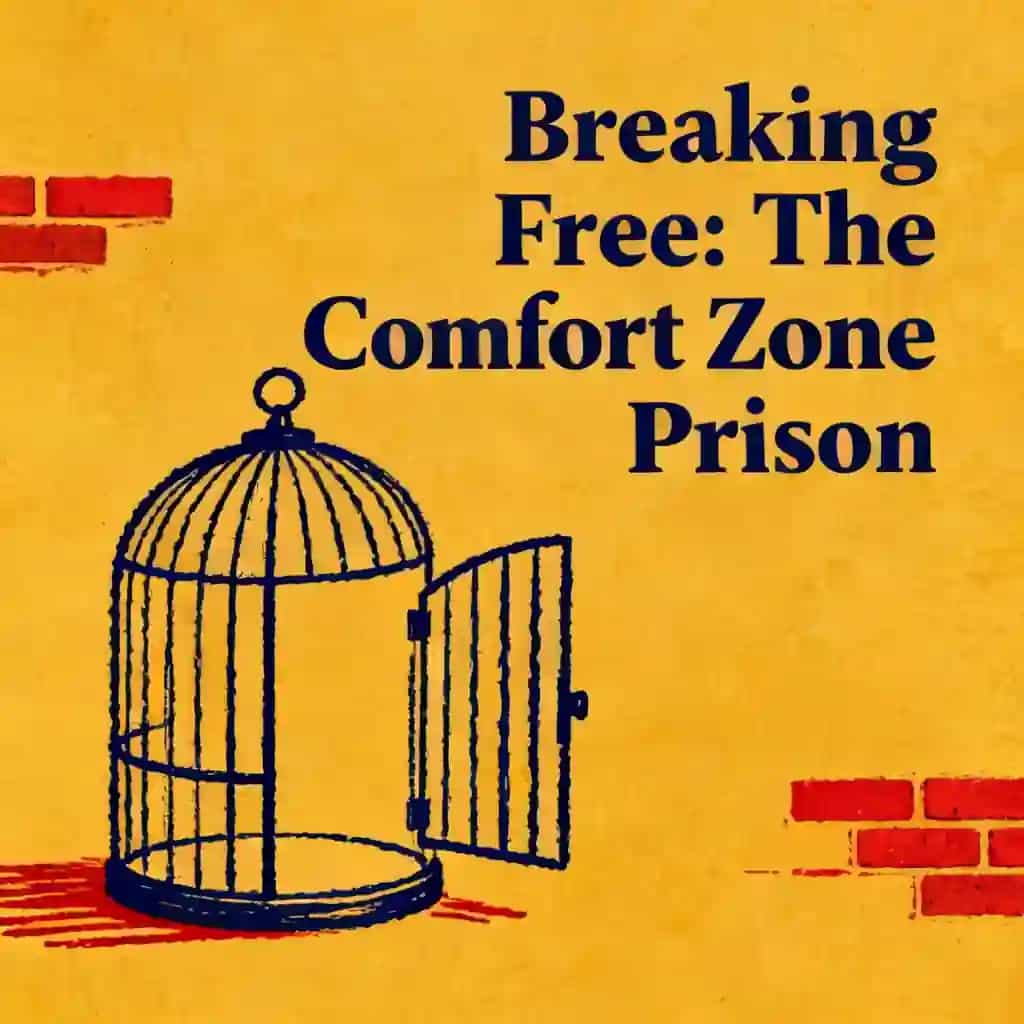
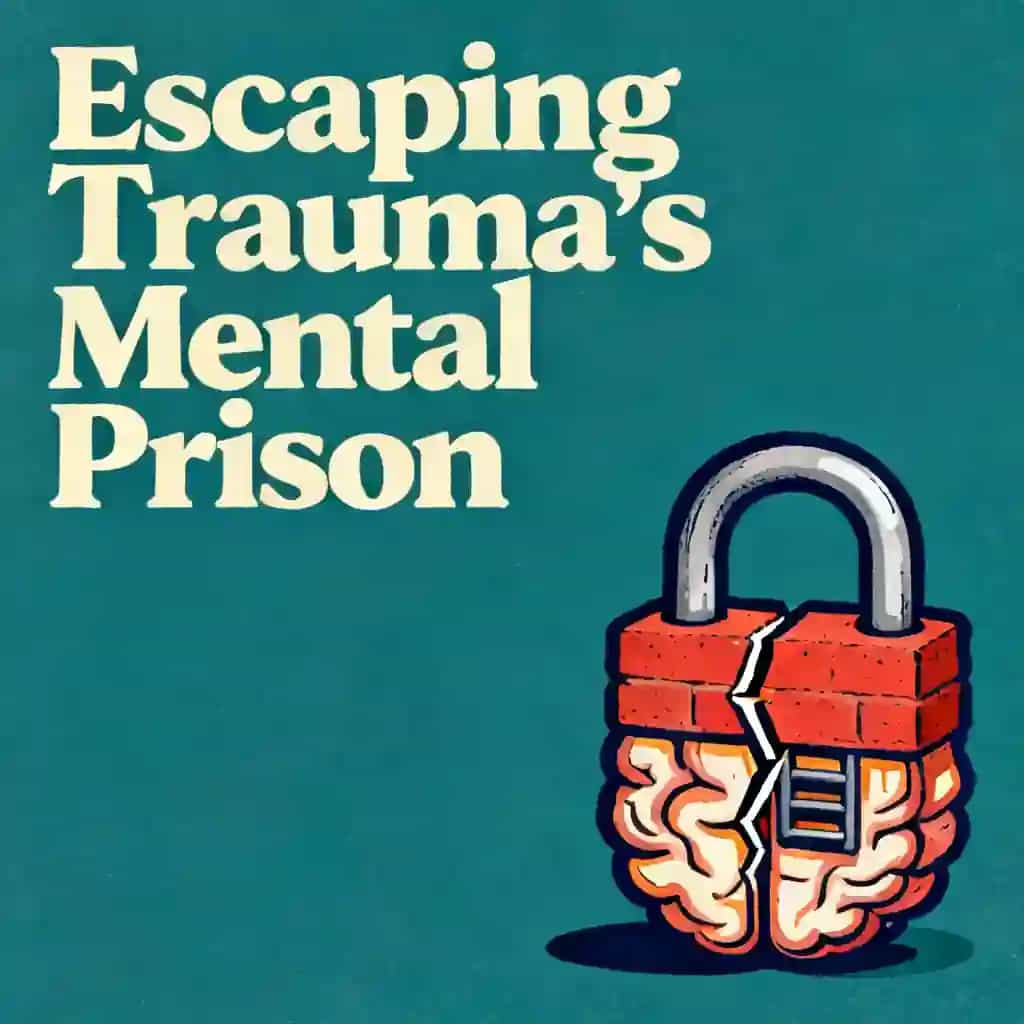
Avoidance is like fuel for a phobia; every time you avoid the thing you fear, you’re reinforcing the idea that you can't handle it. Breaking that cycle is about teaching the brain that the situation is uncomfortable, but it’s not dangerous.
Generated by Andres
Help me understand claustrophobia and the fear of being trapped, as well as how to overcome it.

Perguntas frequentes
Claustrophobia is not a modern "glitch" but rather an ancient survival mechanism. For thousands of years, being trapped or confined often signaled a life-threatening situation, such as a predator attack or a cave-in. Consequently, the human brain developed a highly sensitive alarm system to prioritize freedom of movement. In modern times, this "inner bodyguard" can misinterpret harmless situations like a subway ride or an elevator trip as prehistoric traps, triggering a fight-or-flight response to protect the individual.
While both involve distress in confined areas, they have different triggers. Claustrophobia is specifically the fear of small or enclosed spaces themselves; a person might feel panic just by stepping into a small room even if the door is open. In contrast, cleithrophobia is the fear of being trapped or "shut in." A person with cleithrophobia might be comfortable in a small space as long as they have a clear exit strategy, but they will experience panic the moment a door is locked or they feel they cannot leave at will.
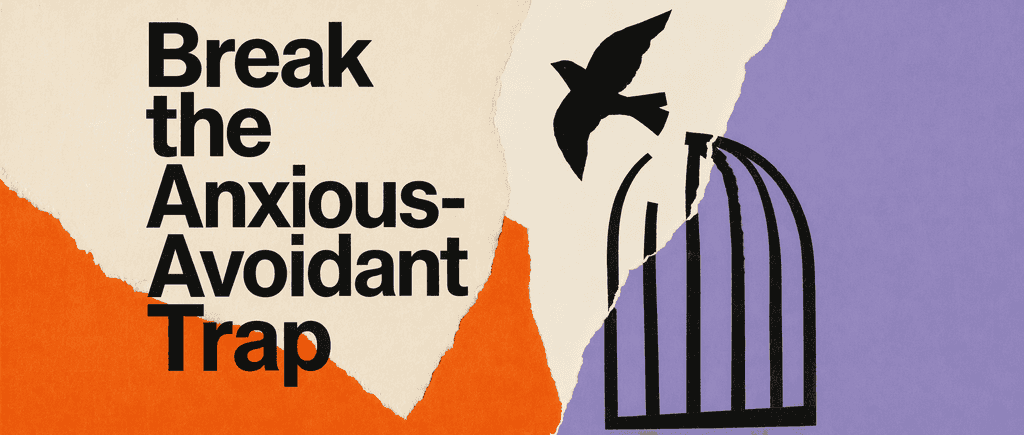
Avoidance acts as fuel for a phobia because it reinforces the brain's belief that the situation is genuinely dangerous. When a person avoids an elevator and feels immediate relief, the brain learns that the only reason they are safe is because they stayed away. This creates an "avoidance cycle" that keeps the fear alive in the long term. Successful treatment involves breaking this cycle through gradual exposure, teaching the brain that while a situation may be uncomfortable, it is not actually life-threatening.
One of the most effective tools is "box breathing," which involves inhaling, holding, and exhaling for four seconds each to manually override the nervous system. Another useful method is the "5-4-3-2-1" grounding technique, where the individual identifies five things they see, four they touch, three they hear, two they smell, and one they taste. These methods help shift the brain's focus from internal catastrophic thoughts to the external reality of the present moment.
Virtual Reality serves as a safe "training ground" that bridges the gap between looking at photos and facing real-life triggers. It allows therapists to control the intensity of the experience, such as adjusting the size of a virtual room or the density of a crowd, based on the patient's readiness. Because the experience is immersive, the brain can practice "inhibitory learning"—creating new, safe memories in a controlled environment that eventually compete with and diminish old, fearful memories.
Criado por ex-alunos da Universidade de Columbia em San Francisco
"Instead of endless scrolling, I just hit play on BeFreed. It saves me so much time."


"I never knew where to start with nonfiction—BeFreed’s book lists turned into podcasts gave me a clear path."


"Perfect balance between learning and entertainment. Finished ‘Thinking, Fast and Slow’ on my commute this week."
"Crazy how much I learned while walking the dog. BeFreed = small habits → big gains."
"Reading used to feel like a chore. Now it’s just part of my lifestyle."

"Feels effortless compared to reading. I’ve finished 6 books this month already."
"BeFreed turned my guilty doomscrolling into something that feels productive and inspiring."

"BeFreed turned my commute into learning time. 20-min podcasts are perfect for finishing books I never had time for."
"BeFreed replaced my podcast queue. Imagine Spotify for books — that’s it. 🙌"

"It is great for me to learn something from the book without reading it."
"The themed book list podcasts help me connect ideas across authors—like a guided audio journey."
"Makes me feel smarter every time before going to work"
 Ask ChatGPT
 Ask Claude
Criado por ex-alunos da Universidade de Columbia em San Francisco
"Instead of endless scrolling, I just hit play on BeFreed. It saves me so much time."
"I never knew where to start with nonfiction—BeFreed’s book lists turned into podcasts gave me a clear path."
"Perfect balance between learning and entertainment. Finished ‘Thinking, Fast and Slow’ on my commute this week."
"Crazy how much I learned while walking the dog. BeFreed = small habits → big gains."
"Reading used to feel like a chore. Now it’s just part of my lifestyle."
"Feels effortless compared to reading. I’ve finished 6 books this month already."
"BeFreed turned my guilty doomscrolling into something that feels productive and inspiring."
"BeFreed turned my commute into learning time. 20-min podcasts are perfect for finishing books I never had time for."
"BeFreed replaced my podcast queue. Imagine Spotify for books — that’s it. 🙌"
"It is great for me to learn something from the book without reading it."
"The themed book list podcasts help me connect ideas across authors—like a guided audio journey."
"Makes me feel smarter every time before going to work"
"Instead of endless scrolling, I just hit play on BeFreed. It saves me so much time."
"I never knew where to start with nonfiction—BeFreed’s book lists turned into podcasts gave me a clear path."
"Perfect balance between learning and entertainment. Finished ‘Thinking, Fast and Slow’ on my commute this week."
"Crazy how much I learned while walking the dog. BeFreed = small habits → big gains."
"Reading used to feel like a chore. Now it’s just part of my lifestyle."
"Feels effortless compared to reading. I’ve finished 6 books this month already."
"BeFreed turned my guilty doomscrolling into something that feels productive and inspiring."
"BeFreed turned my commute into learning time. 20-min podcasts are perfect for finishing books I never had time for."
"BeFreed replaced my podcast queue. Imagine Spotify for books — that’s it. 🙌"
"It is great for me to learn something from the book without reading it."
"The themed book list podcasts help me connect ideas across authors—like a guided audio journey."
"Makes me feel smarter every time before going to work"
"Instead of endless scrolling, I just hit play on BeFreed. It saves me so much time."
"I never knew where to start with nonfiction—BeFreed’s book lists turned into podcasts gave me a clear path."
"Perfect balance between learning and entertainment. Finished ‘Thinking, Fast and Slow’ on my commute this week."
"Crazy how much I learned while walking the dog. BeFreed = small habits → big gains."
"Reading used to feel like a chore. Now it’s just part of my lifestyle."
"Feels effortless compared to reading. I’ve finished 6 books this month already."
"BeFreed turned my guilty doomscrolling into something that feels productive and inspiring."
"BeFreed turned my commute into learning time. 20-min podcasts are perfect for finishing books I never had time for."
"BeFreed replaced my podcast queue. Imagine Spotify for books — that’s it. 🙌"
"It is great for me to learn something from the book without reading it."
"The themed book list podcasts help me connect ideas across authors—like a guided audio journey."
"Makes me feel smarter every time before going to work"