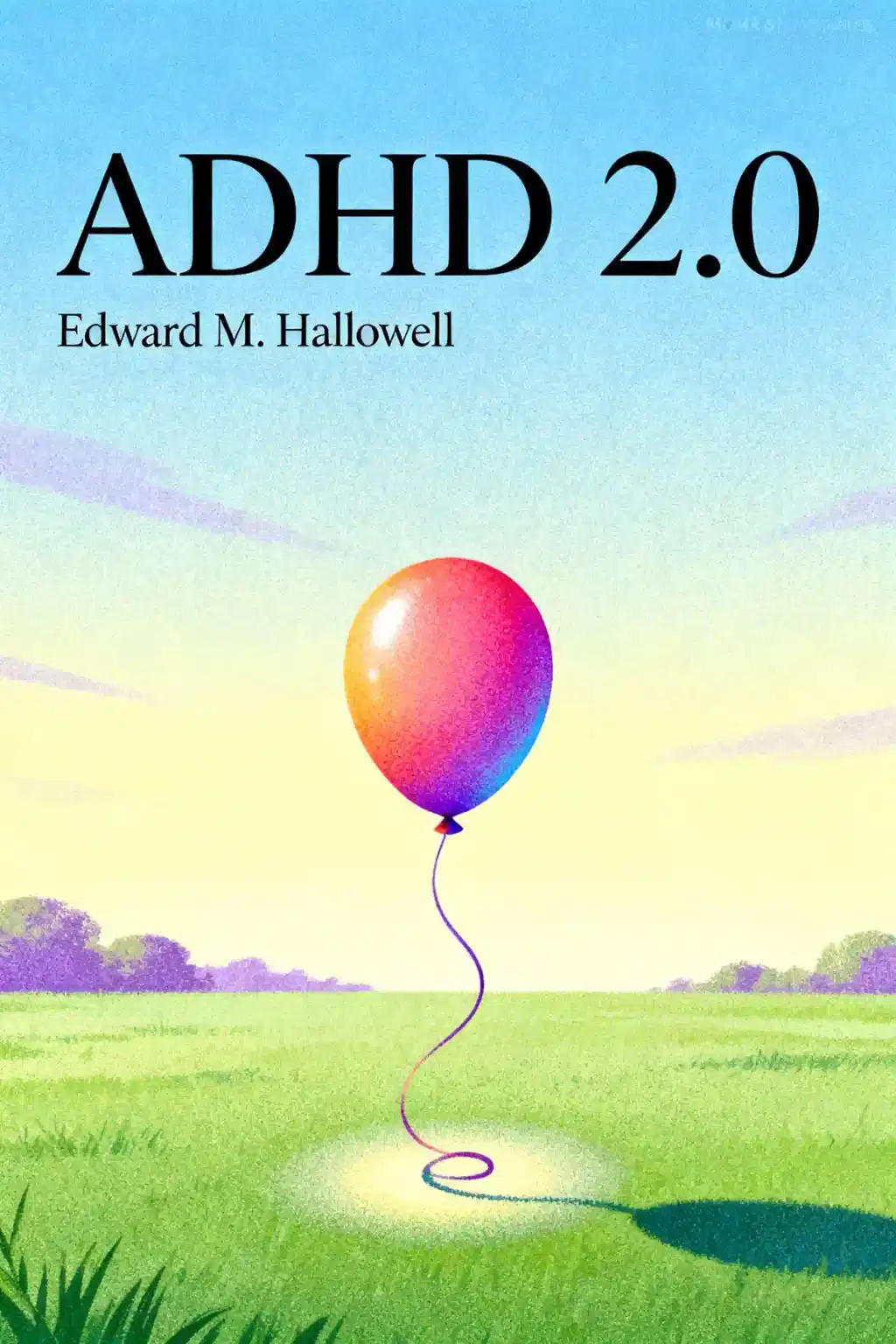
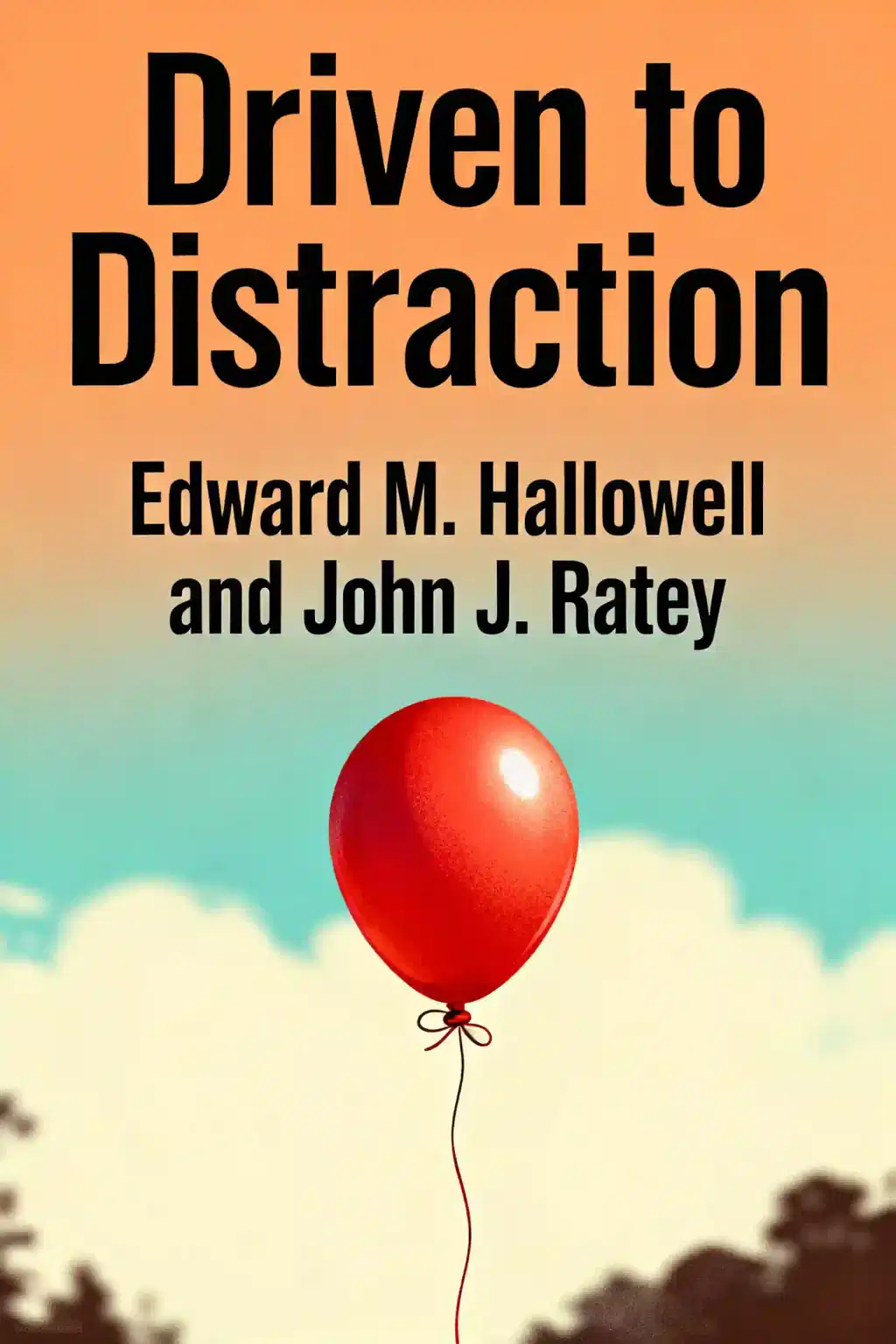
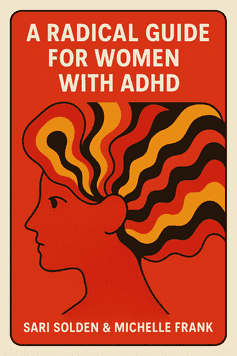
ADHD Explained: Symptoms, Diagnosis, and Management Strategies
Learn about ADHD symptoms, the diagnosis process, and effective management strategies. Explore neurodiversity and how to improve executive function today.

Melhor citação de ADHD Explained: Symptoms, Diagnosis, and Management Strategies
ADHD is not a deficit of attention, but a problem with regulating it. It is like having a Ferrari engine for a brain but with bicycle brakes.

Esta aula em áudio foi criada por um membro da comunidade BeFreed
teach me about ADHD




Perguntas frequentes
ADHD, or Attention Deficit Hyperactivity Disorder, is a neurodevelopmental condition that significantly impacts executive function. This affects a person's ability to manage time, pay attention, and regulate impulses. Understanding ADHD through the lens of neurodiversity helps individuals recognize that their brains process information differently, which is the first step toward finding effective management strategies tailored to their unique cognitive patterns.
Common ADHD symptoms typically fall into two categories: inattention and hyperactivity-impulsivity. Individuals may struggle with staying organized, following detailed instructions, or sitting still for long periods. Because ADHD is a spectrum, symptoms can vary widely between individuals. Recognizing these signs early is crucial for seeking a formal ADHD diagnosis and implementing the right support systems to improve daily functioning and overall quality of life.
An ADHD diagnosis is usually determined through a comprehensive evaluation by a healthcare professional, such as a psychiatrist or psychologist. This process involves reviewing clinical history, symptom checklists, and observing how symptoms impact work, school, or social life. A formal diagnosis is essential because it rules out other conditions and provides a clear roadmap for managing ADHD through behavioral therapies, lifestyle adjustments, or medical interventions.
Managing ADHD effectively often requires a multi-faceted approach that focuses on strengthening executive function. Strategies include using digital organizers, breaking large tasks into smaller steps, and creating structured routines. Embracing neurodiversity and seeking professional guidance can also help individuals develop personalized coping mechanisms. By combining environmental changes with specific behavioral techniques, people with ADHD can successfully navigate challenges and leverage their unique strengths.
Descubra mais

ADHD
ADHD
This plan is essential for neurodivergent individuals seeking to stop fighting their biology and start leveraging it. It provides a roadmap for adults with ADHD to transform daily struggles into structured success and stronger interpersonal connections.

Mastering adhd
Mastering adhd
This learning plan is essential for anyone with ADHD who feels stuck in cycles of frustration, underperformance, or burnout despite trying countless productivity methods. It's particularly valuable for adults who want to move beyond basic coping mechanisms and instead build comprehensive systems that align with how their brain naturally works, transforming ADHD from a daily struggle into a source of unique strengths and capabilities.

ADHD: Organize Home & Work for Productivity
ADHD: Organize Home & Work for Productivity
Traditional productivity advice often ignores the unique challenges of the ADHD brain, leading to burnout and frustration. This plan is essential for professionals and individuals seeking neuro-inclusive strategies to reclaim their space, time, and mental clarity.

Overcoming ADHD barriers to goal achievement
Overcoming ADHD barriers to goal achievement
People with ADHD often struggle with traditional goal achievement methods that don't account for executive function differences. This learning plan provides ADHD-specific strategies that work with your brain's natural functioning, helping you build systems for lasting success rather than fighting against your neurodiversity.
Manage boredom with ADHD and autism daily
Manage boredom with ADHD and autism daily
Neurodivergent individuals often struggle with a unique type of painful understimulation that traditional productivity advice fails to address. This plan offers specialized strategies for those with ADHD and autism to bridge the gap between sensory needs and daily demands.
To become productive and conquer my adhd
To become productive and conquer my adhd
This plan is designed for individuals with ADHD who struggle with traditional productivity methods that ignore neurodivergent needs. It provides a roadmap for turning executive function challenges into strengths through specialized systems and habit formation.

Manage ADHD & mental health at work/home
Manage ADHD & mental health at work/home
This learning plan is essential for anyone with ADHD who struggles with traditional productivity advice and feels frustrated by systems that weren't designed for their brain. It's particularly valuable for professionals and individuals seeking to improve both work performance and home life while prioritizing mental health. By combining neuroscience-based understanding with practical, flexible strategies, this plan helps you work with your ADHD rather than constantly fighting against it.

Learn how to manage my adhd and depression
Learn how to manage my adhd and depression
This plan is designed for neurodivergent individuals struggling to balance executive dysfunction with mental health challenges. It provides a roadmap for anyone looking to replace shame with functional, brain-friendly systems for daily stability and growth.
Criado por ex-alunos da Universidade de Columbia em San Francisco
"Instead of endless scrolling, I just hit play on BeFreed. It saves me so much time."


"I never knew where to start with nonfiction—BeFreed’s book lists turned into podcasts gave me a clear path."


"Perfect balance between learning and entertainment. Finished ‘Thinking, Fast and Slow’ on my commute this week."
"Crazy how much I learned while walking the dog. BeFreed = small habits → big gains."
"Reading used to feel like a chore. Now it’s just part of my lifestyle."

"Feels effortless compared to reading. I’ve finished 6 books this month already."
"BeFreed turned my guilty doomscrolling into something that feels productive and inspiring."

"BeFreed turned my commute into learning time. 20-min podcasts are perfect for finishing books I never had time for."
"BeFreed replaced my podcast queue. Imagine Spotify for books — that’s it. 🙌"

"It is great for me to learn something from the book without reading it."
"The themed book list podcasts help me connect ideas across authors—like a guided audio journey."
"Makes me feel smarter every time before going to work"
Criado por ex-alunos da Universidade de Columbia em San Francisco
"Instead of endless scrolling, I just hit play on BeFreed. It saves me so much time."
"I never knew where to start with nonfiction—BeFreed’s book lists turned into podcasts gave me a clear path."
"Perfect balance between learning and entertainment. Finished ‘Thinking, Fast and Slow’ on my commute this week."
"Crazy how much I learned while walking the dog. BeFreed = small habits → big gains."
"Reading used to feel like a chore. Now it’s just part of my lifestyle."
"Feels effortless compared to reading. I’ve finished 6 books this month already."
"BeFreed turned my guilty doomscrolling into something that feels productive and inspiring."
"BeFreed turned my commute into learning time. 20-min podcasts are perfect for finishing books I never had time for."
"BeFreed replaced my podcast queue. Imagine Spotify for books — that’s it. 🙌"
"It is great for me to learn something from the book without reading it."
"The themed book list podcasts help me connect ideas across authors—like a guided audio journey."
"Makes me feel smarter every time before going to work"
"Instead of endless scrolling, I just hit play on BeFreed. It saves me so much time."
"I never knew where to start with nonfiction—BeFreed’s book lists turned into podcasts gave me a clear path."
"Perfect balance between learning and entertainment. Finished ‘Thinking, Fast and Slow’ on my commute this week."
"Crazy how much I learned while walking the dog. BeFreed = small habits → big gains."
"Reading used to feel like a chore. Now it’s just part of my lifestyle."
"Feels effortless compared to reading. I’ve finished 6 books this month already."
"BeFreed turned my guilty doomscrolling into something that feels productive and inspiring."
"BeFreed turned my commute into learning time. 20-min podcasts are perfect for finishing books I never had time for."
"BeFreed replaced my podcast queue. Imagine Spotify for books — that’s it. 🙌"
"It is great for me to learn something from the book without reading it."
"The themed book list podcasts help me connect ideas across authors—like a guided audio journey."
"Makes me feel smarter every time before going to work"
"Instead of endless scrolling, I just hit play on BeFreed. It saves me so much time."
"I never knew where to start with nonfiction—BeFreed’s book lists turned into podcasts gave me a clear path."
"Perfect balance between learning and entertainment. Finished ‘Thinking, Fast and Slow’ on my commute this week."
"Crazy how much I learned while walking the dog. BeFreed = small habits → big gains."
"Reading used to feel like a chore. Now it’s just part of my lifestyle."
"Feels effortless compared to reading. I’ve finished 6 books this month already."
"BeFreed turned my guilty doomscrolling into something that feels productive and inspiring."
"BeFreed turned my commute into learning time. 20-min podcasts are perfect for finishing books I never had time for."
"BeFreed replaced my podcast queue. Imagine Spotify for books — that’s it. 🙌"
"It is great for me to learn something from the book without reading it."
"The themed book list podcasts help me connect ideas across authors—like a guided audio journey."
"Makes me feel smarter every time before going to work"