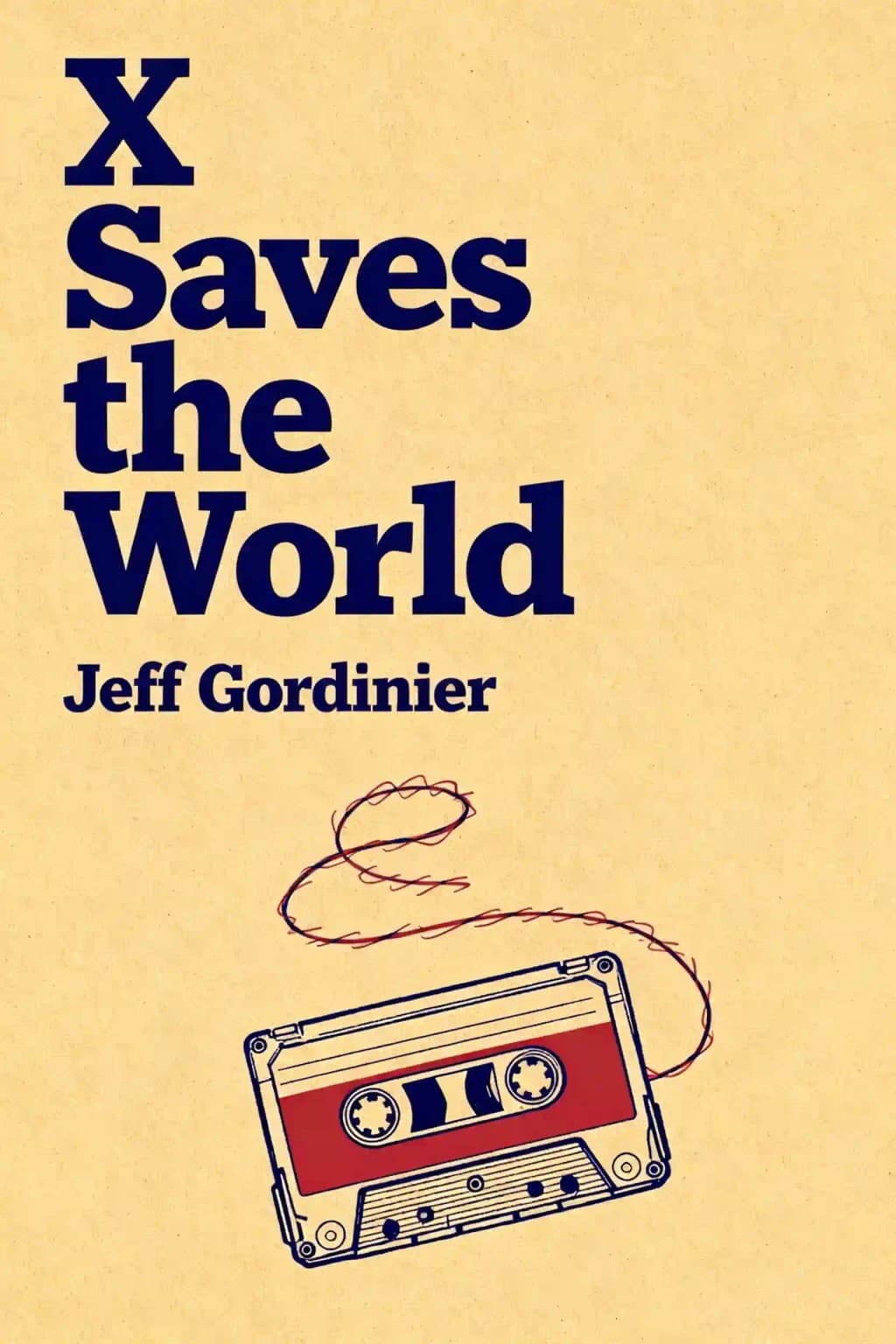
X saves the world
how Generation X got the shaft but can still keep everything from sucking
Visão geral de X saves the world
Between Baby Boomers and Millennials lies Generation X - the overlooked innovators quietly reshaping culture. Nick Hornby calls Gordinier's manifesto "impassioned" and "moving," revealing how these so-called "slackers" are actually society's unsung heroes, subtly saving us all from cultural oblivion.

Temas principais em X saves the world
- generation x identity
- alternative culture mainstreaming
- slacker diy ethic
- cultural commodification
- nineties counterculture
Citações de X saves the world
Generation X had arrived, though they'd never admit to wanting the spotlight.
"Here we are now" becomes the rallying cry for a generation.
Cobain saved the world by steering his generation away from that delusion.
Finding your own path through this maze of programming and pressures.
Hey, look at me, I'm a fuckin' idiot.
Personagens de X saves the world
- Jeff GordinierAuthor and chronicler of Generation X culture
- Kurt CobainNirvana frontman and reluctant generational icon
- Richard LinklaterDirector of 'Slacker' who captured the X ethos
- Douglas CouplandAuthor who defined the term 'Generation X'
Baixar resumo de X saves the world
Obtenha o resumo de X saves the world como PDF ou EPUB gratuito. Imprima ou leia offline a qualquer momento.
Perguntas Frequentes Sobre Este Livro
X Saves the World (2009) explores Generation X’s cultural influence, arguing that this cohort—born between 1965–1980—quietly reshaped technology, media, and entrepreneurship through skepticism, adaptability, and DIY innovation. Gordinier contrasts Gen X’s understated impact with Baby Boomer idealism and Millennial tech utopianism, highlighting their role in pioneering indie music, grunge, and early internet counterculture.
This book suits Gen X readers seeking validation of their cultural legacy, millennials studying pre-digital rebellion, or anyone analyzing generational dynamics. It’s particularly relevant for sociologists, marketers, and music/film enthusiasts interested in 1990s–2000s alt-culture movements driven by artists like Kurt Cobain and filmmakers like Richard Linklater.
Yes—its analysis of Gen X’s “stealth revolution” remains timely amid debates about AI, remote work, and indie business models. Gordinier’s sharp wit and references to Nirvana, Reality Bites, and early web forums offer nostalgia while contextualizing modern resilience strategies against corporate conformity.
- Anti-establishment pragmatism: Gen X bridged analog grit and digital disruption without succumbing to hype.
- Cultural curation: They prioritized authenticity over mass appeal (e.g., zines, mixtapes).
- Pre-social media innovation: Tools like blogs and Napster laid groundwork for today’s creator economy.
Unlike Strauss & Howe’s Generations or Jean Twenge’s work, Gordinier avoids rigid archetypes. He frames Gen X as reactive sculptors of culture rather than demographic trendsetters, offering a nuanced midpoint between Boomer idealism and Millennial disruption.
- “Generation X didn’t change the world—they saved it from changing too much.”
Highlights their role as cultural gatekeepers against homogenization. - “The Slackers were actually the last workers.”
Emphasizes Gen X’s work-life balance ethos amid grind culture.
While Hungry (2019) chronicles culinary adventures with chef René Redzepi, both books share themes of purposeful rebellion. X Saves the World mirrors Hungry’s focus on risk-taking but applies it to generational identity rather than gastronomy.
Some critics argue Gordinier overstates Gen X’s impact while underselling Millennial contributions. Others note the 2009 publication misses later developments like the gig economy’s pitfalls or Gen Z’s activism—gaps readers might address through supplemental research.
The book frames Gen X’s career fluidity—juggling side hustles, creative pivots, and freelance work—as a blueprint for surviving AI-driven job markets. Its case studies on indie entrepreneurs offer strategies for balancing autonomy with financial stability.
Gordinier dissects:
- Grunge music: Symbolizing rejection of excess.
- Early internet forums: Fostering niche communities pre-algorithm.
- Independent cinema: Films like Clerks showcasing everyday resilience.
It traces how Gen X’s embrace of blogs, podcasts, and self-publishing laid groundwork for today’s influencer economy. The book’s themes of curated authenticity resonate in an era of TikTok creators and Substack newsletters.
No—the 2009 original remains the definitive text. For contemporary insights, pair it with Gordinier’s Hungry (2019) or Malcolm Harris’s Kids These Days (2017) examining Millennial/Gen Z dynamics.