Capítulo 1
From Protein Myths to Plant-Based Champions: A Revolution in Athletic Nutrition
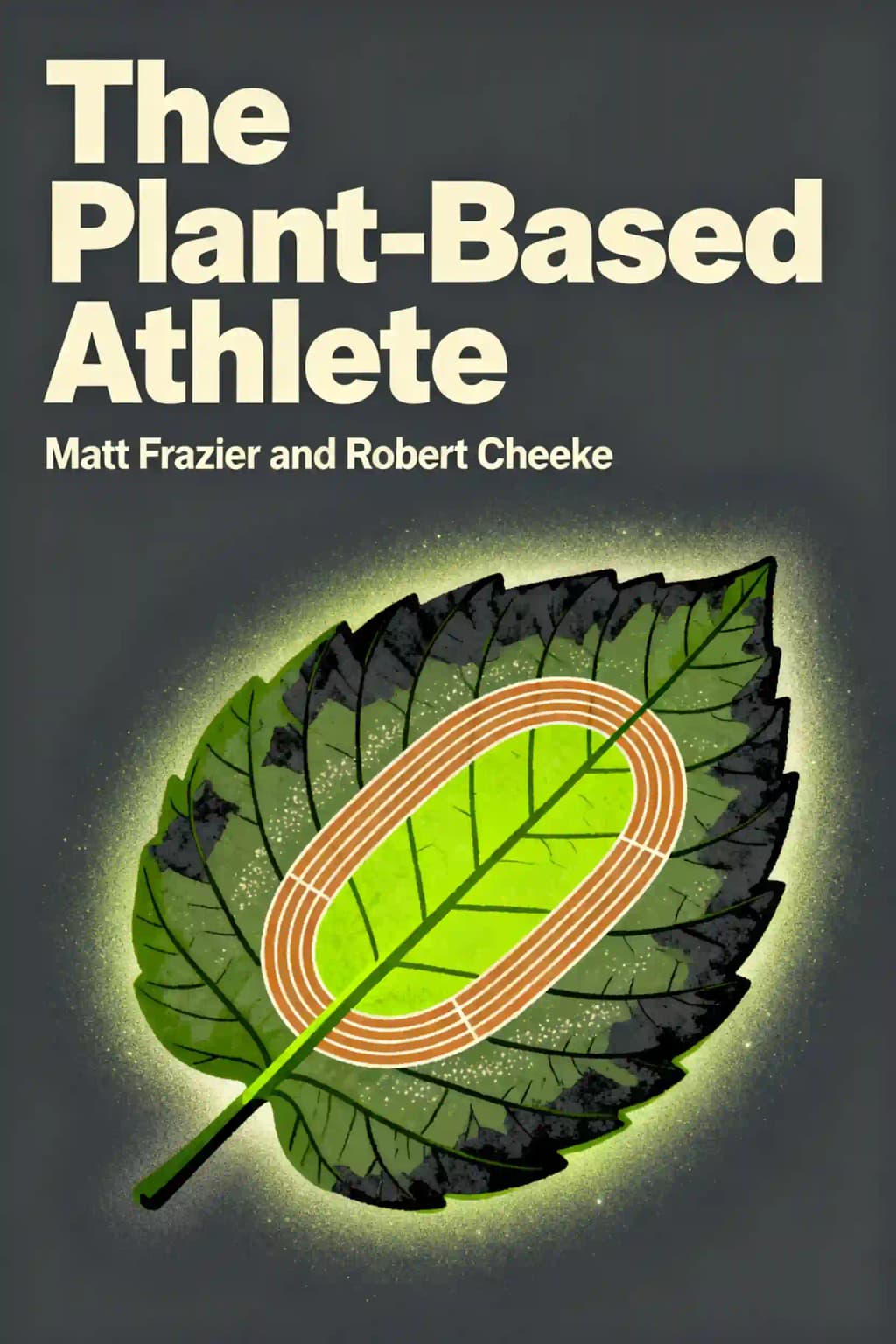
Ever wonder why tennis legend Novak Djokovic dominated Wimbledon after changing his diet? Or how Venus Williams rebounded from a debilitating autoimmune disease to win Olympic gold? The secret weapon transforming elite sports isn't some expensive supplement or cutting-edge technology-it's plants. This nutritional approach has quietly fueled Olympic medals, world championships, and broken records across virtually every sport. NBA stars like Kyrie Irving led the Celtics to thirteen straight wins after going plant-based. NFL linebacker Derrick Morgan brought his team to the playoffs. Even boxing legend Mike Tyson credits his comeback at age fifty-four to a decade of plant-based eating. "The Plant-Based Athlete" reveals how this accessible approach is revolutionizing sports performance, extending careers, and challenging everything we thought we knew about athletic nutrition.
Capítulo 2
The Ancient Roots of Plant-Powered Performance
The plant-based athletic movement isn't new-it's actually ancient. Forensic studies of Roman gladiator bones reveal they ate primarily vegetarian diets, earning them the nickname "barley men." Analysis of remains from gladiator graveyards in Ephesus shows their diets consisted mainly of beans, grains, and dried fruits, with very little animal protein. This diet was deliberately chosen to build strong, dense bones and maintain the layer of protective fat that helped prevent fatal wounds in the arena.
The modern movement gained serious momentum in the 1970s and 1980s with legends like Edwin Moses, who won an astonishing 122 consecutive 400-meter hurdle races while following a meat-free diet. His unbroken winning streak lasted a decade, from 1977 to 1987, revolutionizing the event's technique and setting multiple world records. Track superstar Carl Lewis called his first year as a vegan "the best year I've ever had in track and field," during which he set personal bests and dominated the 1991 World Championships. Tennis champion Martina Navratilova credited her plant-based diet with extending her elite career into her forties, winning her last Grand Slam title at age 49.
By the 1990s, NBA champion John Salley was advocating plant-based eating, becoming the first professional athlete to openly promote veganism while playing in four different decades. Ultramarathoners like Brendan Brazier and Scott Jurek were demonstrating that plants could fuel even grueling 100-mile races, with Jurek setting numerous course records and winning the Western States 100-Mile Endurance Run seven consecutive times. The early 2000s saw the birth of a movement with platforms like Robert's Vegan Bodybuilding & Fitness website and Matt Frazier's No Meat Athlete creating communities for millions of athletes worldwide, offering practical advice and training programs specifically tailored to plant-based athletes.
What these pioneers discovered wasn't just a dietary choice but a competitive advantage. Plant-based nutrition offers improved recovery through reduced inflammation, better blood flow to muscles, enhanced sleep quality, and extended career longevity-benefits that transcend sport or athletic discipline. The evidence isn't just anecdotal anymore; scientific studies now confirm that vegan diets support both endurance and strength while potentially improving performance through better blood flow, optimal body composition, increased antioxidant capacity, and enhanced glycogen storage. Research has shown that plant-based athletes have significantly lower rates of heart disease, better arterial flexibility, and improved oxygen delivery to muscles.
Consider Rich Roll's transformation from an overweight 40-year-old to an elite ultramarathoner featured as one of the "25 Fittest Men in the World" by Men's Fitness magazine after adopting a plant-based diet. He went on to complete five Ironman-distance triathlons in seven days on five different Hawaiian islands. Or Robert Cheeke's journey from a skinny 120-pound farm kid to champion bodybuilder, gaining 100 pounds of muscle over 25 years of plant-based eating and becoming one of the most recognized vegan athletes in the world. These aren't outliers-they represent a growing understanding that the foods that best nourish our bodies aren't the ones we've traditionally associated with athletic performance. Modern athletes like Venus Williams, Novak Djokovic, and Lewis Hamilton continue to prove that plant-based diets can fuel world-class performance across all sports.
Capítulo 3
The Protein Paradox: Debunking Athletic Nutrition's Biggest Myth
"But how will you get enough protein?" It's the question every plant-based athlete has heard countless times, yet hundreds of thousands of vegan athletes thrive without protein concerns. The obsession with protein stems from clever marketing dating back to the 1930s when meat and animal products became synonymous with health through television advertising. The sports nutrition industry cemented this belief in the 1970s when bodybuilding pioneers like Joe Weider and Arnold Schwarzenegger promoted milk-derived protein supplements, creating a multi-billion dollar industry that continues today.
The reality? Most people need far less protein than marketing has led us to believe. Nutrition experts recommend only 0.8 grams per kilogram of body weight-about 56 grams daily for moderately active men and 46 grams for women. Athletes require more (1.2-2.0g/kg/day), but this is easily achieved through plant foods.
The truth is that all plant foods contain varying amounts of all nine essential amino acids, and your body efficiently combines these throughout the day to create complete proteins. Studies show that as long as you're consuming enough total protein, plant sources work just as effectively as animal sources for building muscle mass and strength.
NFL players like David Carter transformed their performance through plant-based eating-initially losing 40 pounds, eliminating pain, then regaining 300 pounds of leaner, stronger mass on 10,000 daily plant calories. Professional bodybuilder Jehina Malik, vegan since birth, proved critics wrong by earning her IFBB pro card. Marathon runner Mary Schneider nearly doubled her chronically low iron levels after going plant-based, dramatically improving her recovery time and performance.
Beyond performance, choosing plant protein over animal sources has profound health implications. Animal protein consumption is directly linked to America's top killers-heart disease, diabetes, hypertension and organ failure. The dietary cholesterol (found only in animal foods) and saturated fat create arterial plaque that restricts blood flow to vital organs, leading to conditions from erectile dysfunction to stroke. This decreased circulation directly undermines athletic performance by limiting endurance, strength and recovery.
Animal proteins, particularly red and processed meats, trigger chronic inflammation and oxidative stress in the body. While acute inflammation helps combat invaders, chronic inflammation essentially means your body is attacking itself-significantly impacting athletic training by extending recovery time between workouts. The standard American diet, heavy in animal products, creates an unhealthy ratio of omega fatty acids and produces inflammatory compounds through glycation reactions, accelerating aging and cellular damage.
Capítulo 4
Carbohydrates: The Athlete's True Power Source
Contrary to popular fitness beliefs, carbohydrates-not protein-should be the foundation of an athlete's diet. The highest nutrient-dense foods (measured by ANDI score) are carbohydrate-rich, including leafy greens, cruciferous vegetables, and colorful fruits. These foods offer benefits far beyond mere calories: they reduce systemic inflammation through antioxidants, accelerate muscle recovery with essential minerals, assist hydration through their natural water content, and facilitate efficient distribution of essential nutrients. Most whole-food carbohydrates naturally contain appropriate levels of fat and protein to meet bodily requirements, making them ideal fuel for athletes at all levels of competition.
Elite plant-based athletes exemplify carbohydrate-focused nutrition with remarkable success. Scott Jurek, one of history's greatest ultrarunners, won the Western States 100-Mile race seven consecutive times and set the Appalachian Trail speed record while thriving on plant foods. His diet features nutrient-dense green smoothies (typically combining kale, spinach, banana, and berries), whole grains like quinoa and brown rice, legumes such as lentils and chickpeas, and even solid foods like bean burritos during races. Powerlifter Vanessa Espinoza demonstrates that even strength athletes benefit from carbohydrate-focused nutrition-her daily intake averages 48% carbohydrates, 28% fat, and 24% protein, allowing her 130-pound frame to deadlift over 400 pounds and bench press 245 pounds. Other notable examples include Venus Williams, who manages her autoimmune condition while competing at the highest level through a plant-based, carbohydrate-rich diet.
The key is focusing on complex carbohydrates while limiting simple sugars. The World Health Organization recommends only 25g (6 teaspoons) of sugar daily, yet common sports drinks can contain twice that amount in a single bottle. Natural alternatives like coconut water or homemade electrolyte drinks with dates provide similar benefits without excess sugar. Whole-plant carbohydrates are the preferred food source for gut health, providing both soluble and insoluble fiber that feeds beneficial bacteria while keeping harmful bacteria at bay. This fiber helps heal inflammation, balance pH, mend digestive issues, reduce colon cancer risk, increase energy, and reduce bloating. The microbiome benefits are particularly crucial for athletes, as gut health directly impacts immune function and recovery.
For most endurance athletes, the optimal macronutrient ratio is around 60/20/20 (carbs/fat/protein), with some doing better at 70/15/15, while strength athletes typically benefit from a 50/25/25 split. Different carbohydrates serve different purposes: fruits and less starchy vegetables burn quickly (ideal 10-30 minutes pre-workout), while starchy carbs like potatoes, oats and beans provide slower-releasing energy (better 1-2 hours before exercise). During intense training periods, athletes should aim for 7-10g of carbohydrates per kilogram of body weight, adjusting based on training volume and intensity. Strategic carbohydrate timing around workouts can significantly improve performance, with pre-workout meals focusing on easily digestible options and post-workout nutrition emphasizing rapid glycogen replenishment through a combination of simple and complex carbohydrates.
Capítulo 5
Rethinking Fat: Essential Nutrition for Athletes
Fat has been unfairly demonized in fitness circles, yet it's an essential macronutrient necessary for sustaining life. Everyone has fat, which serves crucial bodily functions: protecting organs, helping absorb fat-soluble vitamins (A, D, E, and K), producing hormones, supporting cell membrane integrity, providing insulation, cushioning vital organs, and serving as the body's second preferred fuel source after carbohydrates. During extended exercise sessions, fat becomes increasingly important as glycogen stores deplete.
World champion pro wrestler Austin Aries exemplifies how athletes can thrive on a plant-based diet with strategic fat intake. He eats about six times daily, with three full meals containing 20-30 grams of fat each, totaling over 100 grams daily. His pre-workout meals typically include avocado toast with hemp seeds, while post-workout recovery includes smoothies with nut butters and coconut. His example has inspired dozens of other professional wrestlers to adopt plant-based diets, including WWE champions Daniel Bryan, CM Punk, Ryback, and Allie, who report improved recovery times and sustained energy levels.
The ideal ratio of omega-6 to omega-3 fatty acids is around 4:1 or 3:1, but most people consume ratios from 10:1 to as high as 50:1. This imbalance primarily stems from overconsumption of processed foods and oils high in omega-6, such as corn, soybean, and sunflower oils. Excessive omega-6 and insufficient omega-3 intake increases risks of cardiovascular disease, inflammatory conditions, and cancer. Plant-based athletes should focus on incorporating omega-3 rich foods like walnuts (2.5g per ounce), hempseeds (3g per tablespoon), chia seeds (5g per ounce), and ground flaxseeds (2.4g per tablespoon). These foods can easily be incorporated into smoothies, oatmeal, or salads.
Research from Harvard's School of Public Health conducted over 22 years with 90,000+ participants revealed compelling evidence about fat sources. Replacing unhealthy fats with plant-based monounsaturated fats reduced heart disease risk by 16%, while animal-based fats increased mortality risk by 21%. The study found that for every 5% increase in plant-based fat consumption, all-cause mortality decreased by 7%. These benefits occurred despite olive oil (with its relatively low nutritional density) being the primary plant fat source studied, suggesting that whole-food plant fats like avocados, nuts, and seeds might offer even greater health advantages. Additionally, athletes consuming adequate healthy fats reported better joint health, reduced inflammation, and improved hormone production.
For optimal athletic performance and health, keep fat intake to 15-25% of daily calories, with saturated fats under 5%, zero trans fats, and a balanced ratio of omega fatty acids. For a 2,500-calorie diet, this means 41-69 grams of total fat daily. Timing fat intake around workouts is crucial - consume lower-fat meals 2-3 hours before intense training, and include healthy fats in post-workout recovery meals to support hormone production and reduce inflammation. This strategic approach ensures you get the benefits of fat without the drawbacks that could impair athletic performance, while supporting long-term health and recovery.
Capítulo 6
Strategic Supplementation: What Plant-Based Athletes Really Need
The question of whether plant-based diets require supplementation stems from two misconceptions: the tendency to solve nutritional problems with pills rather than food, and the incorrect notion that plant-based diets lack nutrition. Despite the massive supplement industry ($130 billion in 2019), most nutrients can be obtained from a diverse plant-based diet that meets calorie needs.
However, even the healthiest plant-based diet may lack certain nutrients that aren't abundantly available from plants, aren't adequately absorbed from plant sources, or aren't commonly consumed in Western plant-based diets. These include:
Vitamin B12 isn't made by plants or animals but by microbes found in soil and water. Modern farming practices and water filtration have reduced our natural exposure to these microbes. Unlike meat-eaters who get B12 from animal products (along with unwanted cholesterol and saturated fat), plant-based eaters need daily supplementation of about 2.4 micrograms.
Vitamin D isn't actually a vitamin but a steroid with hormone-like properties that influences immune, neurological, and cardiovascular systems. Our bodies produce it when exposed to sunlight, but modern indoor lifestyles often lead to deficiencies. For optimal health and cancer prevention, blood levels should exceed 30 mg/dL, with many experts recommending about 2,000 IU of vitamin D3 daily.
While ALA omega-3s are readily available in plant foods like nuts and seeds, DHA and EPA can be harder to obtain on a plant-based diet. Research shows two-thirds of plant-based eaters have low omega-3 levels. Experts like Dr. Greger recommend taking 200-300 mg of algae-derived DHA/EPA supplements two to three times weekly.
Other nutrients to consider include iodine (essential for thyroid function), vitamin K2 (critical for proper calcium management), zinc (which may be less bioavailable from plant sources), and selenium (which can be obtained from just one Brazil nut daily).
For sports performance, most supplements offer minimal benefits, but a few have scientific backing. Caffeine acts as a stimulant on the central nervous system and can significantly impact performance in sports requiring alertness or focus. Creatine, naturally found in muscle cells, helps produce energy during intense exercise and may provide greater cognitive benefits for plant-based eaters than omnivores. Beets can improve exercise performance by reducing the body's oxygen "cost" through their high nitrate content.
Capítulo 7
Recovery: The Plant-Based Advantage
One of the most significant benefits athletes experience when adopting a whole-foods plant-based diet is faster and more complete recovery. This leads to less muscle soreness, reduced fatigue, shorter recovery times, and ultimately more effective training with fewer injuries.
The reason is remarkably simple-whole plant foods possess anti-inflammatory properties while delivering high levels of vitamins, minerals, antioxidants, phytochemicals, fiber, and water, all of which help the body repair and refresh after physical exertion.
Elite athletes achieve greatness through their recovery strategies as much as their training. Fiona Oakes overcame losing her right kneecap as a teenager when doctors said running would be impossible. She's now a world-record ultrarunner who runs 100 miles weekly while managing an animal sanctuary. Brendan Brazier, an ultramarathon champion and professional Ironman triathlete, prioritizes eliminating "biological debt" by choosing nourishment over stimulation and focusing on alkaline-forming foods that reduce inflammation.
Effective recovery requires both consuming anti-inflammatory foods and avoiding inflammatory ones. According to Harvard University, pro-inflammatory foods to avoid include red meat, processed meat, margarine, refined carbohydrates, fried foods, and sugary beverages. Conversely, the recommended anti-inflammatory foods align perfectly with a plant-based diet: tomatoes, olive oil, leafy greens (spinach, kale, collards), nuts (almonds, walnuts), and fruits (especially berries, cherries, and oranges).
Post-workout nutrition success hinges on two critical factors: timing and ratio. Consuming nutrients within an hour after exercise when muscles are primed for repair maximizes recovery benefits. The optimal nutrient ratio is 5:1 carbohydrates-to-protein, with approximately 0.75g of carbs per pound of body weight after intense workouts, and fat at about half the protein amount.
Beyond nutrition, complementary recovery practices include proper hydration (twelve cups of water daily), warming up before exercise, cooling down afterward, dynamic stretching, and adequate rest-including at least one full day off from training each week and 7-9 hours of sleep nightly.
Capítulo 8
The Mental Game: Unleashing Your Inner Plant-Based Athlete
Your mental game is just as crucial as nutrition and training for athletic performance. Professional bodybuilder Korin Sutton exemplifies this through unwavering consistency, accountability, and purpose-driven motivation. His military background instilled a "never quit" mentality that drives his success as a nineteen-time champion. Sutton emphasizes that mental toughness isn't innate but developed through daily practice, visualization techniques, and embracing discomfort as a pathway to growth.
World champion mountain biker Sonya Looney emphasizes that mental strength is crucial for athletic success. She teaches that both success and failure should be acknowledged but don't define you-it's your daily commitment to the process that matters. Through her own journey, Looney developed specific mental training techniques, including pre-race visualization, positive self-talk mantras, and post-performance reflection journals. She advocates for treating mental training like physical training, with dedicated practice sessions and measurable progress markers.
Self-awareness and mindfulness allow you to monitor your self-talk and ultimately choose how you perceive challenges. Athletes can develop this through regular meditation practice, breathing exercises, and stress management techniques. By doing hard things rather than staying comfortable, athletes develop the self-confidence that translates to all areas of life. This might include taking on progressively challenging workouts, entering competitions slightly above your current level, or pushing through weather conditions that would typically deter training.
The path to athletic success requires clarity about your goals. Athletes must answer four key questions: WHAT goal they want to achieve, WHY it matters, HOW it will change their life, and WHEN they'll begin. This framework should be revisited regularly, with goals adjusted based on progress and changing circumstances. Finding your "why" is crucial-whether ethical (like Sophie Mullins, Fiona Oakes, and Andreas Vojta, who chose plant-based diets primarily for animal welfare) or performance-based (like Christine Vardaros, who found her competitive edge through veganism). These athletes demonstrate how aligning personal values with athletic pursuits creates sustainable motivation.
Taking the first step is often hardest due to fear of failure, but as Wayne Gretzky said, "You miss 100 percent of the shots you don't take." Creating a realistic timeline with smaller milestone goals helps maintain momentum, while building a support network provides accountability and encouragement. Successful athletes recommend breaking down major goals into 90-day action plans, weekly objectives, and daily habits. This approach makes overwhelming goals manageable and provides frequent opportunities to celebrate progress. Support networks can include training partners, coaches, nutritionists, and fellow plant-based athletes who understand unique challenges and can offer experienced guidance.
The mental game extends beyond competition to recovery and adaptation. Athletes must develop resilience to handle setbacks, injuries, and plateaus. Techniques like reframing challenges as opportunities, maintaining perspective through journaling, and celebrating small wins help maintain psychological well-being throughout the athletic journey.
Capítulo 9
Putting It All Together: Real-Life Plant-Based Athletic Success
Creating an effective meal plan is crucial for success as a plant-based athlete. A well-designed nutrition strategy ensures you hit your macronutrient goals-primarily carbohydrates, followed by healthy fats and protein-while maintaining ideal caloric intake.
To build muscle on a plant-based diet, follow the fundamental equation: calorie surplus + resistance training = mass added over time. The quality of calories matters significantly-nutrient-dense whole plant foods will produce lean muscle gains, unlike processed alternatives that primarily add fat.
For fat loss, the approach flips the muscle-building equation: fewer calories + more training = decreased body weight. However, the macronutrient balance remains consistent-still emphasizing carbohydrates followed by proteins and healthy fats.
Creating nutritionally complete plant-based meals doesn't have to be complicated. Three fundamental meal templates make it simple to assemble nutrient-dense options that satisfy macro requirements: smoothies or oatmeal for breakfast, giant salads with beans and nut-based dressing for lunch, and the "grain, green, and bean" formula for dinner, which creates endless possibilities from stir-fries to tacos to pasta dishes.
Elite plant-based athletes demonstrate these principles in action. Olympic cyclist Dotsie Bausch initially lost 40 pounds after going plant-based, then discovered her recovery time halved compared to teammates ten years younger. Powerlifter Nick Squires maintains his strength with tofu, ancient grains, and plant-based burgers. Ultrarunner Sophie Mullins fuels her championship performances with oats, chia seeds, brown rice, beans, and plenty of vegetables.
While whole, unprocessed plant foods deliver optimal nutrition, the reality of busy lives sometimes necessitates convenience options. When selecting packaged plant-based foods, avoid harmful ingredients including MSG, high-fructose corn syrup, artificial sweeteners, excess added sugars, saturated fats, and high sodium. With growing availability of high-quality packaged plant foods, strategic use of these products can complement-not replace-a whole-food diet while maintaining nutritional integrity and supporting athletic performance.
The journey to plant-based athletic excellence isn't about perfection-it's about progress, consistency, and finding what works for your unique body and goals. By focusing on nutrient-dense whole foods, strategic meal timing, proper recovery, and mental strength, you can unlock performance potential you never knew existed, all while supporting long-term health and sustainability. The hundreds of elite athletes thriving on plant-based diets aren't exceptions-they're pioneers of a new understanding of human performance and nutrition that's accessible to anyone willing to try.