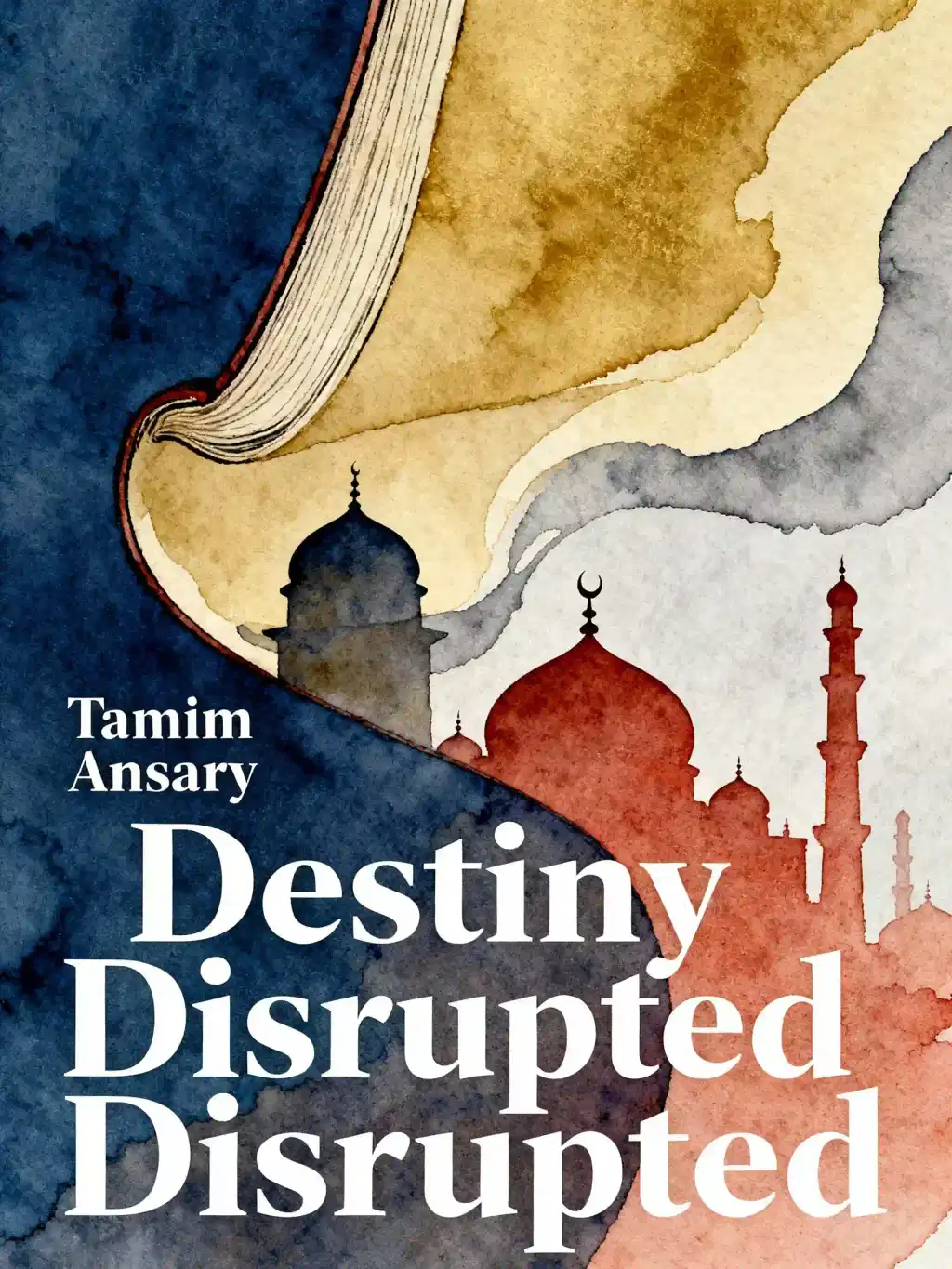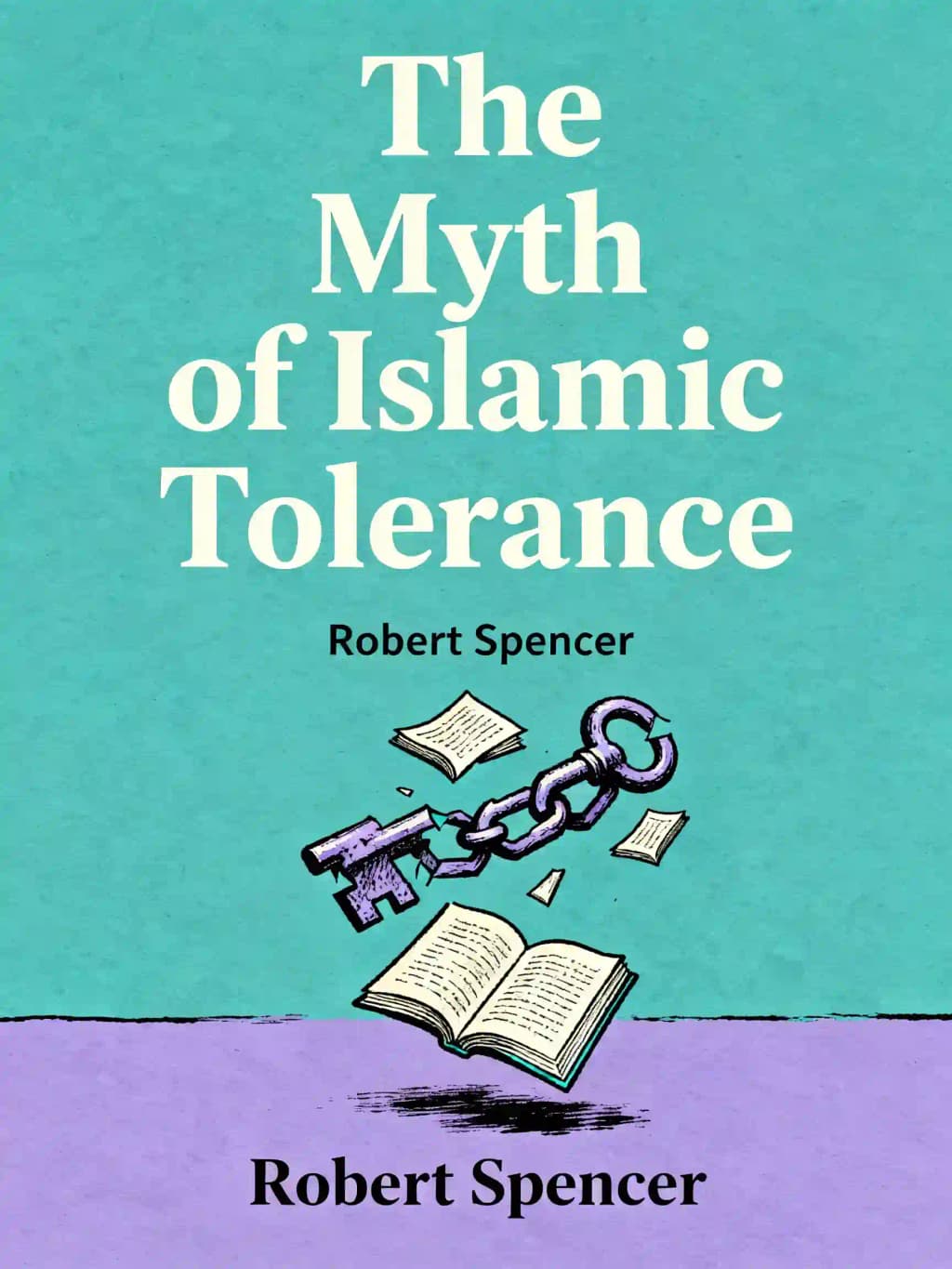
"The Myth of Islamic Tolerance" challenges mainstream narratives with 63 expert essays examining how Islamic law treats non-Muslims. Controversial yet influential, this 594-page collection sparked intense post-9/11 debate, with critics like Dinesh D'Souza calling it "history for dummies." What uncomfortable truths await?
Sinta o livro através da voz do autor
Transforme conhecimento em insights envolventes e ricos em exemplos
Capture ideias-chave em um instante para aprendizado rápido
Aproveite o livro de uma forma divertida e envolvente
What if everything you've been told about Islamic tolerance was carefully constructed mythology? The myth of historical Islamic tolerance has become so deeply embedded in Western consciousness that it's rarely questioned. When terrorist attacks occur in places like Madrid or Istanbul, commentators invariably remind us these locations were once beacons of Muslim tolerance where Jews and Christians supposedly lived in harmony with their Muslim rulers. This narrative gained academic legitimacy through Edward Said's influential "Orientalism," making it taboo to question Islamic tolerance. Yet contemporary historical sources tell a markedly different story - one of systematic discrimination codified in law, where non-Muslims faced prohibitions against building churches, riding horses, bearing arms, and were required to wear distinctive clothing marking their inferior status. The myth's persistence isn't accidental. It emerged primarily through 19th-century European political machinations, particularly during the Crimean War when Britain and France allied with the Ottoman Empire against Russia. The fabrication served strategic purposes: maintaining the balance of power in Europe while creating a buffer against Russian expansion. Today, this historical mythology continues to shape contemporary political discourse and policy decisions, often complicating efforts to address security challenges and integration issues in Western societies.
Divida as ideias-chave de The Myth of Islamic Tolerance em pontos fáceis de entender para compreender como equipes inovadoras criam, colaboram e crescem.
Destile The Myth of Islamic Tolerance em dicas de memória rápidas que destacam os princípios-chave de franqueza, trabalho em equipe e resiliência criativa.

Experimente The Myth of Islamic Tolerance através de narrativas vívidas que transformam lições de inovação em momentos que você lembrará e aplicará.
Pergunte qualquer coisa, escolha a voz e co-crie insights que realmente ressoem com você.

Criado por ex-alunos da Universidade de Columbia em San Francisco
"Instead of endless scrolling, I just hit play on BeFreed. It saves me so much time."
"I never knew where to start with nonfiction—BeFreed’s book lists turned into podcasts gave me a clear path."
"Perfect balance between learning and entertainment. Finished ‘Thinking, Fast and Slow’ on my commute this week."
"Crazy how much I learned while walking the dog. BeFreed = small habits → big gains."
"Reading used to feel like a chore. Now it’s just part of my lifestyle."
"Feels effortless compared to reading. I’ve finished 6 books this month already."
"BeFreed turned my guilty doomscrolling into something that feels productive and inspiring."
"BeFreed turned my commute into learning time. 20-min podcasts are perfect for finishing books I never had time for."
"BeFreed replaced my podcast queue. Imagine Spotify for books — that’s it. 🙌"
"It is great for me to learn something from the book without reading it."
"The themed book list podcasts help me connect ideas across authors—like a guided audio journey."
"Makes me feel smarter every time before going to work"
Criado por ex-alunos da Universidade de Columbia em San Francisco

Obtenha o resumo de The Myth of Islamic Tolerance como PDF ou EPUB gratuito. Imprima ou leia offline a qualquer momento.