Capítulo 1
Embracing the Danish Art of Cozy Living
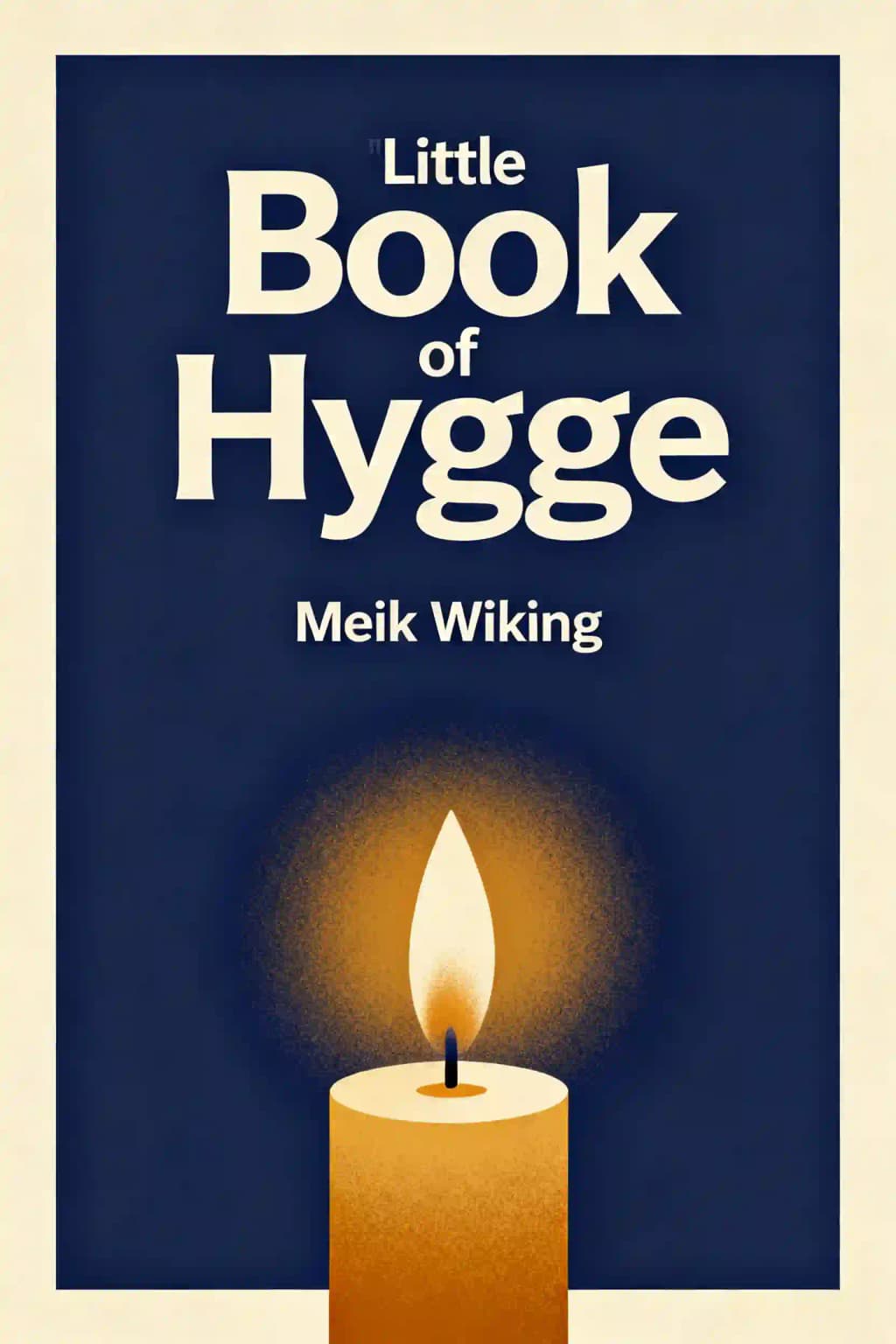
In a world constantly pushing us toward productivity and perfection, a small Scandinavian country has been quietly perfecting the art of comfortable living. "The Little Book of Hygge" by Meik Wiking, CEO of the Happiness Research Institute in Copenhagen, has become a global phenomenon, translated into over 30 languages and featured on bestseller lists worldwide. This Danish concept has captivated celebrities like Emma Watson and Oprah Winfrey, who have incorporated hygge principles into their own lives. The book's cultural impact extends beyond celebrity endorsements - it sparked a global movement, with "hygge" being shortlisted as Oxford Dictionary's Word of the Year in 2016. What makes this modest guide to coziness so compelling? Perhaps it's because in our hyperconnected, achievement-oriented society, we're all secretly craving what the Danes have known for centuries: that true contentment often comes from simple pleasures, meaningful connections, and creating sanctuaries of comfort in our everyday lives.
Capítulo 2
The Essence of Hygge: More Than Just Coziness
Hygge (pronounced "hoo-ga") transcends simple translation. While often described as "coziness," this barely scratches the surface of its meaning. Hygge represents a state of comfort, contentment, and connection - both with others and with yourself. It's that feeling when you're curled up with a book during a thunderstorm, or sharing homemade food with close friends around a candlelit table. It's safety, warmth, and intimacy distilled into everyday moments.
The concept runs deep in Danish culture, appearing in conversation as naturally as weather talk does elsewhere. Danes don't just experience hygge; they actively create it, discuss it, and prioritize it. "Was it hyggelig?" is a common question after gatherings, weighing the evening's success not by excitement or grandeur but by its comfort and intimacy.
What makes hygge so fascinating is how it permeates Danish life. In a cabin surrounded by snow, warmed by a crackling fire and the laughter of friends, hygge becomes tangible. But it's equally present in a quiet afternoon with tea and a book, or in the gentle glow of candles on a winter evening.
This isn't just cultural quirk - it might be central to Denmark's consistent ranking among the world's happiest countries. While their comprehensive welfare system certainly contributes to well-being, researchers increasingly recognize hygge as a vital component of Danish happiness. By embracing moments of comfort and connection, Danes have institutionalized well-being into their cultural fabric.
Have you ever noticed how some cultures seem to have concepts that perfectly capture universal human needs? Hygge addresses something we all crave but rarely name - those moments when we feel completely at ease, present, and connected. In our achievement-oriented societies, these moments often get sacrificed for productivity or excitement. Yet the Danish approach suggests that prioritizing comfort might be the secret to sustainable happiness.
Capítulo 3
Illuminating Hygge: The Power of Light
If you want to understand hygge, start by looking at light. Denmark burns more candles per person than any European nation - not by small margins, but overwhelmingly so. The average Dane burns around 13 pounds of candle wax yearly. Walk through Copenhagen on a winter evening, and you'll see candles flickering in every window, restaurant, and even meeting room.
Why this obsession? Because lighting creates atmosphere, and atmosphere is essential to hygge. The warm, dancing light of candles creates an intimate space that harsh overhead lighting simply cannot. There's something primal about gathering around a flame - it connects us to our ancestors and signals safety and togetherness.
Danish lighting design reflects this philosophy. Iconic designers like Poul Henningsen created lamps specifically to produce warm, diffused light that mimics the gentle glow of candles. His PH lamp, with its layered shades directing light downward while eliminating glare, remains a masterpiece of functional beauty. Similarly, the pleated Le Klint lampshades and Verner Panton's VP Globe exemplify Danish mastery of creating atmosphere through lighting.
This isn't mere aesthetics - it's a response to geography. With long, dark winters where daylight dwindles to just seven hours, Danes have learned to create their own warmth and light. They understand intuitively what photographers call "the magic hour" - that golden time when light is soft and warm, casting a gentle glow that makes everything and everyone look their best.
Think about how different spaces make you feel. A fluorescent-lit office versus a candlelit dinner. A harsh spotlight versus the soft glow of a bedside lamp. Light shapes our emotions and experiences in profound ways. The Danish approach to lighting isn't about visibility - it's about creating environments where people feel at ease, where conversations flow more freely, and where moments of connection can flourish.
Have you ever noticed how a simple candle can transform a room? Next time you're hosting friends or simply wanting a moment of peace, try turning off the overhead lights and lighting a few candles. You might be surprised at how quickly the atmosphere shifts toward hygge.
Capítulo 4
The Language of Comfort: Hygge Around the World
The frequency with which Danes mention hygge might seem almost comical to outsiders - like a conversational tic they can't control. "That dinner was so hyggelig!" "Let's make the living room more hyggelig." "Should we hygge tonight?" For Danes, discussing hygge is as natural as breathing, a constant affirmation of what they value most.
What's fascinating is how this concept, while distinctly Danish, resonates across cultures. The Dutch have "gezelligheid," emphasizing social coziness often found in cafes and public spaces. Norwegians speak of "koselig," that warm feeling of intimacy around a fire with friends. Canadians describe "hominess," that sheltering feeling against the cold world outside. Germans celebrate "Gemutlichkeit," the conviviality of beer gardens and festive gatherings.
These parallel concepts suggest something universal about our human need for comfort and connection. Each culture has developed its own vocabulary for these moments, reflecting their specific values and environments. The Dutch gezelligheid thrives in social settings, while Danish hygge often retreats to private homes. Norwegian koselig embraces winter's challenges, while German Gemutlichkeit celebrates communal festivity.
Language shapes how we perceive and interact with the world. The Inuit famously have numerous words for snow because those distinctions matter in their daily lives. Similarly, Danes have an extensive vocabulary around hygge because creating these moments matters deeply to them. Words like "fredagshygge" (Friday coziness) and "hyggebukser" (comfortable pants you'd never wear in public) reflect the granularity with which they approach comfort.
The etymology of hygge itself reveals much - likely derived from the Norwegian word for "well-being" and possibly connected to the English word "hug." This linguistic lineage beautifully captures hygge's essence: an embrace of comfort, a sheltering from life's harshness.
As hygge gains global recognition, appearing in lifestyle magazines and design blogs worldwide, we're witnessing a fascinating cultural exchange. People everywhere are discovering that naming these moments of comfort gives them more prominence in our lives. By borrowing the vocabulary of hygge, we gain access to a framework for prioritizing what many of us have neglected - the simple pleasure of feeling at ease in our surroundings and with our companions.
Capítulo 5
The Social Heart of Hygge
At its core, hygge is deeply social. While you can certainly experience hygge alone with a book and blanket, its fullest expression comes through intimate gatherings with those you trust completely. These are the people with whom you can be authentically yourself, where conversation flows naturally, and where competition and pretense fall away.
Danish work culture reflects this priority. The workday often ends promptly at five, allowing families to gather for evening meals. This isn't seen as lack of commitment but as essential balance. One expatriate in Copenhagen described how he bathes his daughter every evening at six - a ritual that would be impossible with the extended hours common in many countries. This prioritization of family time and social connection forms the backbone of hygge culture.
The science behind this is compelling. Close social contact releases oxytocin, sometimes called the "cuddle hormone," which promotes feelings of bonding and reduces stress. Hygge gatherings, with their physical closeness and relaxed atmosphere, naturally stimulate oxytocin flow - similar to hugging or petting a beloved animal. This might partly explain why Danes report such high levels of trust in others; their frequent hyggelige gatherings literally build biological pathways for social connection.
Nobel Prize-winning psychologist Daniel Kahneman's research confirms what Danes intuitively practice - that socializing, eating, and relaxing rank among our most pleasurable activities. Hygge combines all three, creating powerful happiness multipliers.
Yet hygge's social aspect has a potential downside. The close-knit, intimate nature of Danish social circles can make it difficult for newcomers to integrate. Hygge gatherings typically involve small groups of long-established friends rather than open parties where new connections form easily. For immigrants or visitors, this can create a sense of exclusion despite Danes' general friendliness.
Interestingly, hygge offers a unique social model for introverts. Unlike extroverted socializing that prizes stimulation and meeting new people, hygge celebrates quiet conversation among close friends in comfortable settings. It's socializing that recharges rather than depletes, creating space for meaningful connection without overwhelming stimulation.
How might we incorporate this balance into our own lives? Perhaps by prioritizing depth over breadth in our social connections, creating regular rituals with those closest to us, and designing gatherings around comfort and conversation rather than entertainment and impression. The hygge approach suggests that our happiest moments often come not from expanding our social networks but from deepening the connections we already have.
Capítulo 6
The Taste of Hygge: Comfort Food and Sweet Indulgence
Food lies at the heart of hygge, but not the photogenic, health-conscious cuisine that dominates Instagram. Hygge food is about comfort, indulgence, and taking time - the antithesis of a quick smoothie or salad at your desk.
Traditional Danish dishes embody this philosophy. Hearty stews that simmer for hours, filling the home with enticing aromas. Smrrebrd, open-faced sandwiches on dense rye bread, topped with everything from pickled herring to roast beef, eaten leisurely with beer and conversation. These aren't fancy or complex foods, but they satisfy deeply and create occasions for gathering.
Sweets hold a special place in hygge culture. Danes consume astonishing amounts of candy and cake, often incorporating them into everyday moments. A business meeting isn't complete without a plate of pastries. A family gathering centers around a homemade cake. This isn't mindless indulgence but conscious pleasure - the deliberate setting aside of health concerns for the sake of enjoyment and togetherness.
The iconic Danish pastry (which Danes actually call "wienerbrd" or Viennese bread) exemplifies this approach. Rich with butter and often filled with almond paste or custard, these aren't everyday foods but special treats that transform ordinary moments. Similarly, the tradition of "kagemand" (cake man) - a giant pastry shaped like a person for children's birthdays - turns eating into a joyful, communal event.
Hot drinks complement these indulgences. Coffee flows constantly in Danish homes and workplaces, creating natural pauses for connection throughout the day. In winter, glgg (mulled wine) provides warmth and cheer, its spicy aroma signaling festivity and comfort.
The hygge approach to food emphasizes process as much as product. Slow cooking methods like braising pork cheeks in dark beer or simmering a skipper stew create natural opportunities for conversation and relaxation. The unhurried preparation becomes part of the pleasure, contrasting sharply with our efficiency-focused food culture.
This isn't to say hygge encourages unhealthy eating. Rather, it suggests a different relationship with food - one that acknowledges its emotional and social dimensions rather than focusing solely on nutrition. The occasional cake shared with friends might nourish us in ways that transcend calories and nutrients.
What would our meals look like if we approached them with hygge in mind? Perhaps we'd cook more often, prioritize sitting down together, light candles even for ordinary dinners, and sometimes choose foods that comfort rather than optimize. The hygge philosophy suggests that how we eat matters as much as what we eat - that a simple meal shared in a warm atmosphere nourishes more than just our bodies.
Capítulo 7
Creating Hygge Spaces: The Danish Home
For Danes, home isn't just where you live - it's the epicenter of hygge. The Danish home serves as both personal sanctuary and social hub, carefully designed to foster comfort and connection. This explains why Denmark has one of Europe's highest expenditures on home furnishings despite their typically modest incomes.
The hyggelig home begins with lighting. Beyond candles, Danes arrange lamps strategically to create pools of soft light rather than uniform brightness. Overhead lighting is rare in living spaces, replaced by floor and table lamps that create intimate zones within a room.
Texture plays a crucial role. Natural materials like wood dominate Danish interiors, bringing warmth and connection to nature. Ceramics offer tactile pleasure through their weight and varied surfaces. Textiles add softness through cushions, throws, and rugs that invite touch and relaxation. These elements aren't just decorative but fundamentally experiential - they're about how spaces feel to inhabit.
Every hyggelig home needs a "hyggekrog" - a cozy nook where one can curl up with a book or cup of tea. This might be a window seat piled with cushions, a comfortable chair beside a bookshelf, or simply a corner of the sofa designated for relaxation. These spaces within spaces create a sense of shelter and intimacy even in larger rooms.
Vintage items hold special value in hygge interiors, not for their monetary worth but for their stories and connections. A grandfather's chair, a vase from a memorable trip, or books passed down through generations add layers of meaning and personal history to a space. These items create what might be called "authenticity" - a quality that can't be purchased but must be accumulated through living.
The hygge approach to home design values function over fashion, comfort over showiness, and personal meaning over trends. A truly hyggelig home might not photograph perfectly for a design magazine, but it feels right to those who live there. It accommodates real life rather than presenting an idealized version of it.
This philosophy extends to outdoor spaces as well. Danish summer houses, often simple cabins by the sea or in the woods, epitomize hygge through their deliberate simplicity. Without the distractions of technology or luxury, these retreats focus attention on nature, companionship, and basic pleasures like swimming, walking, or sharing meals outdoors.
How might we bring this approach to our own homes? Perhaps by asking different questions about our spaces. Instead of "How does this look?" we might ask "How does this feel?" Instead of "Is this impressive?" we might consider "Is this comfortable?" The hygge philosophy suggests that our most satisfying spaces are those that support our well-being rather than our image - places designed for living rather than displaying.
Capítulo 8
Hygge Beyond the Home: Finding Coziness Everywhere
While home remains hygge's natural habitat, the concept extends far beyond four walls. Danes have mastered the art of creating pockets of coziness in workplaces, public spaces, and even the great outdoors.
In Danish offices, hygge softens professional environments. Meeting rooms might feature candles alongside presentation materials. Comfortable break areas encourage casual conversation. The hierarchy flattens as managers and employees share cake and coffee. This isn't seen as unprofessional but as essential for well-being and collaboration. The result? Danish workers report some of the highest job satisfaction levels in Europe despite working fewer hours than many counterparts.
Cafes and restaurants in Denmark deliberately cultivate hygge through lighting, seating arrangements, and atmosphere. Unlike establishments designed to maximize turnover, Danish cafes expect and welcome patrons who linger for hours over a single coffee. Restaurants often feature candles even at lunch, comfortable seating rather than hard chairs that discourage lingering, and acoustics that allow conversation without shouting.
Even outdoors, hygge flourishes in all seasons. Summer brings picnics in parks, leisurely bike rides, and gatherings in community gardens. Danes don't wait for perfect weather - they bring blankets, light portable fires for cooking sausages, and create comfort in natural settings. Winter outdoor hygge might include bundling up for a forest walk followed by hot drinks, or ice skating on frozen lakes with friends before returning to warm homes.
The workplace application of hygge deserves special attention. In many cultures, work and comfort seem contradictory, but Danes recognize that people perform better when at ease. Simple changes like providing couches for informal meetings, encouraging coffee breaks as legitimate work activities, and respecting boundaries between work and personal time can transform workplace culture.
Seasonal hygge takes different forms throughout the year. Winter calls for indoor coziness with candles and hearty food. Spring might mean the first picnic despite lingering coolness. Summer hygge embraces outdoor living and the midnight sun. Autumn brings mushroom hunting in forests and early evening candles as darkness returns. Rather than fighting seasonal changes, hygge adapts to and celebrates them.
Perhaps most remarkably, hygge thrives in simplicity and often costs little or nothing. A board game night with friends, a pantry party where everyone brings homemade preserves to swap, or a simple walk followed by hot chocolate - these experiences require minimal expense but yield maximum hygge. This accessibility makes hygge democratic, available regardless of income or status.
What if we approached our environments - work, social, and outdoor - with hygge in mind? We might create more comfortable meeting spaces, normalize breaks for connection, and find ways to make even mundane settings more conducive to well-being. The hygge philosophy suggests that we have more control over our environments than we realize, and that small changes can significantly impact how we experience everyday places.
Capítulo 9
The Economics of Hygge: Finding Joy in Simplicity
In a consumer culture that constantly equates happiness with acquisition, hygge offers a refreshing counternarrative. While certain items can facilitate hygge - candles, comfortable furniture, good cookware - its essence lies in experiences rather than possessions. This makes hygge both economically and environmentally sustainable.
Danish design reflects this philosophy perfectly. Furniture pieces by designers like Arne Jacobsen or Hans Wegner are certainly coveted (and often expensive), but they're valued for their functionality, comfort, and longevity rather than as status symbols. A Danish home might contain a few carefully chosen quality pieces rather than frequent trendy updates. These items are expected to last decades or even generations, often becoming more valuable with the patina of use and age.
The hygge approach to consumption emphasizes quality over quantity, meaning over novelty, and function over fashion. A mug matters not because it's expensive but because it feels right in the hand and keeps tea at the perfect temperature. Clothing is chosen for comfort and durability rather than brand names. Books are valued for their content and the experiences they provide rather than as decorative objects.
This doesn't mean hygge is anti-materialistic - rather, it's thoughtfully materialistic. Physical objects matter deeply but for their contribution to comfort and well-being rather than for showing off or keeping up with trends. A threadbare but beloved sweater has more hygge value than a fashionable but uncomfortable new one.
The economic implications are significant. By focusing on simple pleasures and meaningful experiences, hygge offers a path to well-being that doesn't require constant spending or upgrading. A hygge-centered life might include fewer restaurant meals but more memorable home dinners, fewer exotic vacations but more meaningful local experiences, fewer impulse purchases but more thoughtfully chosen possessions.
Consider the hygge approach to leisure: board games that can be played repeatedly for years, walks that cost nothing, cooking projects that create both activity and sustenance, reading that requires only a library card. These contrast sharply with expensive entertainment options that often provide only fleeting satisfaction.
Even hygge-enhancing purchases tend toward the affordable: candles, tea, ingredients for baking, comfortable socks. The most expensive hygge investments - quality furniture, good lighting, kitchen equipment - are seen as long-term acquisitions that will provide returns in comfort for many years.
What if we evaluated our purchases not by how impressive they are but by how much genuine comfort and joy they bring to our lives? What if we prioritized experiences that foster connection over those that merely impress others? The hygge philosophy suggests that our most satisfying expenditures might be those that create opportunities for togetherness and comfort rather than those that enhance our status or keep us on trend.
Capítulo 10
The Christmas Hygge: Denmark's Ultimate Cozy Season
If hygge permeates Danish life year-round, December represents its absolute pinnacle. When darkness descends by mid-afternoon and cold winds sweep in from the North Sea, Danes counter nature's harshness with extraordinary efforts to create warmth and light.
Christmas hygge begins with advent traditions that build anticipation through December. Advent calendars count down days with small gifts or chocolates. The advent candle, marked with 24 numbers, burns down a section each evening. Television shows special "Christmas calendars" - 24-episode series watched by families together each evening. These rituals transform waiting into its own pleasure rather than mere anticipation.
Decorations emphasize handcraft and tradition over commercial glitz. Paper hearts folded in intricate patterns adorn trees and windows, many made using designs passed down through generations. Families bring out treasured ornaments with histories and stories, adding perhaps just one new piece each year. Natural elements like pine branches, nuts, and dried oranges bring the outdoors inside, connecting celebrations to nature's rhythms.
Food becomes central to Christmas hygge. Families gather for elaborate meals featuring traditional dishes like roast pork with crackling skin, caramelized potatoes, and red cabbage. Dessert often features risalamande, a creamy rice pudding with a hidden almond - whoever finds it receives a special gift, adding playful competition to the meal. The feast isn't rushed but extends for hours, punctuated by toasts, stories, and moments of appreciation.
bleskiver - spherical pancake puffs served with jam and powdered sugar - appear throughout December, often alongside glgg, the spiced mulled wine that warms both body and spirit. These treats aren't just food but vehicles for gathering, giving people reason to linger together in warm kitchens while winter rages outside.
Gift-giving reflects hygge values through its moderation and thoughtfulness. Danish Christmas presents tend toward the practical and personal rather than extravagant. A hand-knit sweater, books chosen with the recipient's interests in mind, homemade treats, or items that contribute to coziness like candles or blankets are typical. The exchange focuses on appreciation and connection rather than surprise or excess.
Perhaps most importantly, Christmas hygge centers on togetherness. Danes travel home from wherever they've scattered, prioritizing family time above all else during these dark days. Activities remain simple - board games, walks, shared meals, and conversations by candlelight. The emphasis falls not on doing extraordinary things but on being fully present with loved ones.
The challenge of Christmas hygge lies in balancing preparation with presence. The desire to create perfect hygge moments can ironically undermine hygge itself if it creates stress or exhaustion. The wisest Danes recognize this paradox and focus on simplicity, accepting imperfection as part of the charm rather than striving for magazine-worthy perfection.
What might we learn from Danish Christmas? Perhaps to value anticipation as much as the event itself, to emphasize handmade and meaningful over commercial and impressive, to focus celebrations around connection rather than consumption, and to recognize that the greatest gift we can offer is our undivided attention and presence.
Capítulo 11
The Sensory Experience of Hygge
Hygge engages all senses, creating immersive experiences that pull us fully into the present moment. This multisensory nature explains why hygge feels so completely enveloping when done right.
Visually, hygge favors soft, warm light over harsh brightness. It embraces the golden glow of candles, the dance of firelight, or the gentle illumination of well-placed lamps. Natural materials please the eye through their varied textures and subtle colors. Visual hygge isn't about perfection but about comfort - a slightly rumpled blanket, books arranged by reading preference rather than color, flowers casually gathered in a simple vase.
Sound creates hygge through its presence or absence. The crackling of a fire, gentle music in the background, rain tapping on windows - these sounds create acoustic comfort. Equally important is what we don't hear: the absence of traffic noise, ringing phones, or blaring televisions. Hygge conversations tend toward the quiet and intimate rather than animated debate, creating sound environments where everyone can be heard without straining.
Touch is fundamental to hygge spaces. Wooden surfaces worn smooth by years of hands, ceramics with satisfying weight and texture, textiles that invite contact - these tactile elements ground us in physical reality. The Danish preference for natural materials stems partly from their superior tactile qualities; plastic simply doesn't offer the same sensory satisfaction as wood, wool, or clay.
Taste contributes through simple but satisfying flavors. Hygge foods tend toward the comforting rather than the challenging - warm bread, hearty soups, familiar sweets. The emphasis falls on enjoyment rather than nutrition or novelty. Even the ubiquitous coffee serves not just as caffeine delivery but as a flavor experience to be savored slowly.
Scent creates perhaps the most powerful hygge associations. The smell of baking bread, simmering stew, or brewing coffee signals comfort and care. Candles contribute subtle fragrances. Wool blankets and wooden furniture have their own gentle scents that create a sense of familiarity and home. These olfactory elements work directly on our limbic system, triggering emotional responses and memories.
Beyond these five senses, hygge engages what might be called our social sense - our awareness of others' comfort and our own place within a group. A truly hyggelig gathering attends carefully to everyone's needs, ensuring no one feels excluded or uncomfortable. This sixth sense of belonging and security may be hygge's most profound dimension.
The multisensory nature of hygge explains why it can't be achieved through visual changes alone. Adding candles to an uncomfortable, noisy space won't create hygge. Similarly, serving hygge foods in a harshly lit, impersonal environment misses the mark. True hygge requires attention to the complete sensory experience, creating environments that comfort on every level.
How might we become more attentive to these sensory dimensions in our own spaces? Perhaps by considering not just how rooms look but how they sound, smell, feel, and taste. By recognizing that our environments affect us on levels beyond the visual. By creating spaces that comfort all our senses rather than just pleasing the eye. The hygge approach suggests that our most satisfying environments are those that engage us completely rather than focusing on a single sensory channel.
Capítulo 12
Hygge as a Path to Happiness
As CEO of the Happiness Research Institute, Meik Wiking brings unique perspective to hygge's relationship with well-being. The correlation between hygge practices and Denmark's consistently high happiness rankings suggests this isn't merely cultural preference but a genuine well-being strategy.
Several mechanisms connect hygge to happiness. First, hygge cultivates gratitude and appreciation for simple pleasures - qualities consistently linked to higher life satisfaction. By celebrating ordinary moments like morning coffee or evening candles, hygge practitioners regularly experience the positive emotions that contribute to overall happiness.
Second, hygge prioritizes social connection, perhaps the strongest predictor of happiness across cultures. By creating regular opportunities for meaningful interaction with close friends and family, hygge builds and maintains the relationships that buffer against life's difficulties and enhance its joys.
Third, hygge embraces what psychologists call "savoring" - the conscious attention to and enhancement of positive experiences. By creating rituals around everyday pleasures and removing distractions that would diminish them, hygge practitioners extract maximum well-being from ordinary moments.
Fourth, hygge offers regular experiences of flow - that state of complete engagement where time seems to stop and self-consciousness falls away. Whether through cooking, crafting, conversation, or simply being present in a beautiful moment, hygge activities often create the conditions for flow.
Fifth, hygge provides balance to achievement-oriented cultures. By valuing relaxation and comfort alongside productivity and success, hygge offers protection against burnout and perspective on what truly matters. This balance may explain why Danes report less stress despite their high-functioning society.
Perhaps most importantly, hygge democratizes happiness by locating it in accessible experiences rather than rare achievements or expensive acquisitions. Anyone can light a candle, prepare a simple meal, or gather friends for conversation. This accessibility means well-being doesn't depend on status, wealth, or special talent.
The hygge approach to happiness aligns with research showing that frequent small pleasures contribute more to well-being than occasional large ones. Rather than saving happiness for special occasions or major accomplishments, hygge weaves it into the fabric of everyday life through attention to comfort, connection, and presence.
What if we approached happiness not as a distant goal to be achieved through extraordinary effort but as a quality to be cultivated in ordinary moments? What if we measured success not by accomplishments or acquisitions but by our capacity for comfort and connection? The hygge philosophy suggests that happiness might be closer than we think - not waiting in some future achievement but available in the simple pleasures and connections we too often rush past.