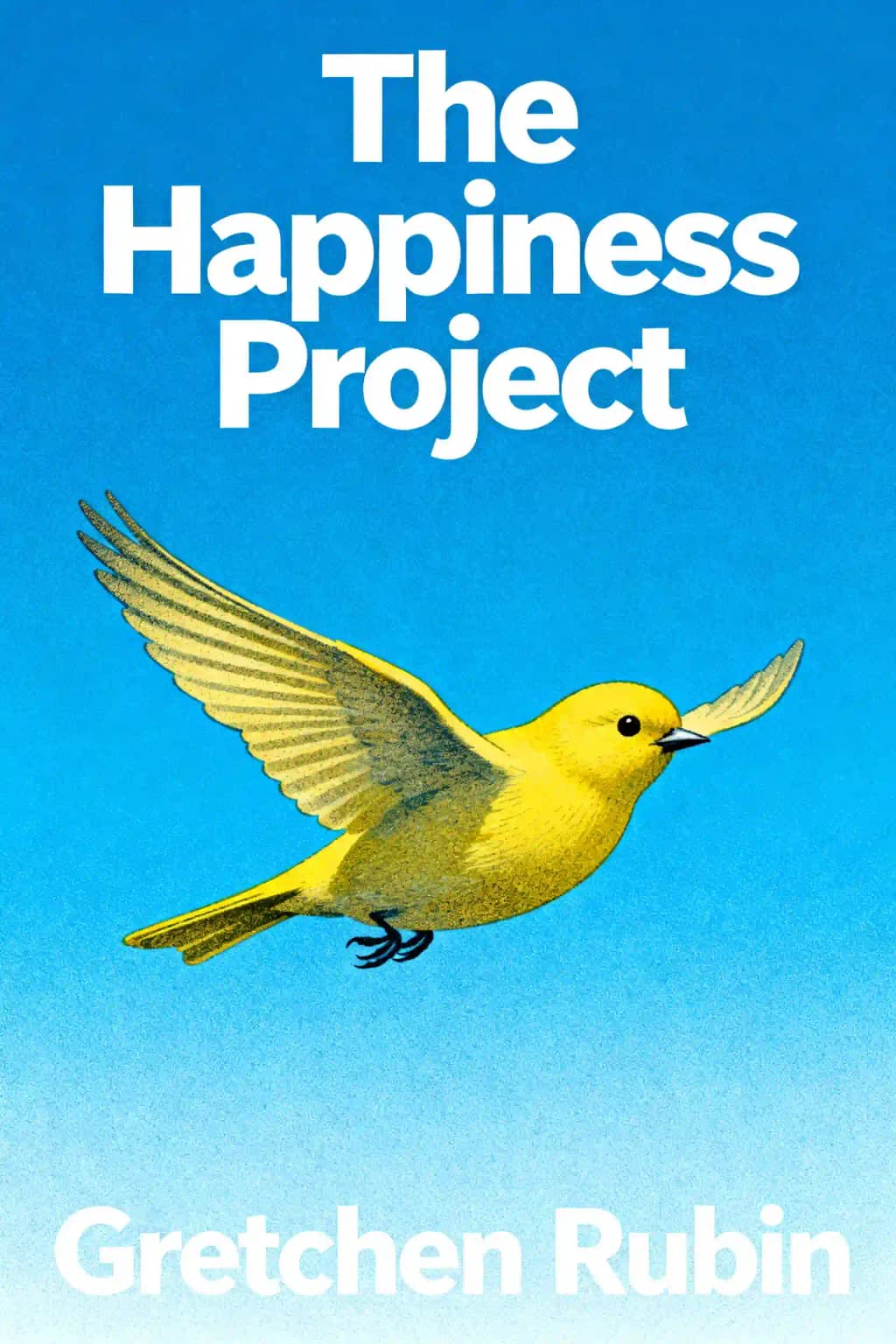
Gretchen Rubin's 2-million-copy bestseller transforms happiness from abstract concept to actionable plan. Featured in "Big Little Lies" and "Orange is the New Black," this global phenomenon has inspired worldwide happiness groups. What small daily change could revolutionize your life in just one month?
Gretchen Rubin, New York Times bestselling author of The Happiness Project: Or Why I Spent a Year Trying to Sing in the Morning, Clean My Closets, Fight Right, Read Aristotle, and Generally Have More Fun, is a leading expert on habits, happiness, and human nature. A former lawyer who clerked for Supreme Court Justice Sandra Day O’Connor, Rubin pivoted to writing, blending memoir, self-help, and research to explore practical strategies for personal growth.
Her work combines insights from philosophy, psychology, and her own experiments, resonating with readers seeking actionable advice. Rubin expanded her influence through the award-winning podcast Happier with Gretchen Rubin, co-hosted with her sister, and her widely read blog.
She authored other bestsellers like Better Than Before and Happier at Home, cementing her reputation in the self-help genre. Featured on platforms like Jeopardy! and in shows such as Big Little Lies, her ideas permeate popular culture. The Happiness Project has sold over two million copies worldwide and been translated into more than 30 languages, inspiring global book clubs and discussion groups.
The Happiness Project chronicles Gretchen Rubin’s year-long experiment to boost happiness through small, intentional changes. Each month, she focuses on a theme like energy, relationships, or mindfulness, implementing research-backed resolutions. The book combines personal anecdotes with practical strategies, emphasizing that happiness stems from appreciating daily life rather than drastic overhauls.
This book suits self-improvement enthusiasts, busy professionals, and anyone seeking actionable steps to enhance well-being. Rubin’s relatable approach—balancing research with real-life trials—appeals to readers who want incremental changes without uprooting their lives.
Yes, particularly for its blend of memoir and actionable advice. Rubin’s month-by-month framework offers adaptable strategies, making it a practical guide for cultivating joy. Critics praise its mix of humor, research, and relatable struggles, though some note its focus on privilege.
Key themes include gratitude, mindfulness, energy management, and relationship-building. Rubin also explores how decluttering, pursuing passions, and embracing novelty contribute to happiness. The book underscores that sustained effort, not fleeting moments, drives long-term fulfillment.
Rubin dedicates each chapter to a monthly theme:
Some argue Rubin’s privileged perspective limits applicability to broader audiences. Others critique the reliance on self-reported metrics and the absence of systemic factors affecting happiness, like socioeconomic barriers.
Unlike Atomic Habits (focused on systems) or The Power of Now (spiritual mindfulness), Rubin’s book blends personal narrative with tactical resolutions. It’s less theoretical than academic works, prioritizing relatable experimentation.
Rubin draws from positive psychology, Aristotle’s virtue ethics, and Benjamin Franklin’s self-improvement methods. She also references cultural icons like St. Thérèse of Lisieux and modern researchers like Daniel Gilbert.
In an era of burnout and digital overload, Rubin’s emphasis on small, sustainable changes resonates. Her strategies for balancing productivity with joy align with contemporary needs for mental health and work-life harmony.
Sinta o livro através da voz do autor
Transforme conhecimento em insights envolventes e ricos em exemplos
Capture ideias-chave em um instante para aprendizado rápido
Aproveite o livro de uma forma divertida e envolvente
What I do every day matters more than what I do once in a while.
Act the way you want to feel.
Tomorrow begins tonight.
Divida as ideias-chave de The Happiness Project em pontos fáceis de entender para compreender como equipes inovadoras criam, colaboram e crescem.
Destile The Happiness Project em dicas de memória rápidas que destacam os princípios-chave de franqueza, trabalho em equipe e resiliência criativa.

Experimente The Happiness Project através de narrativas vívidas que transformam lições de inovação em momentos que você lembrará e aplicará.
Pergunte qualquer coisa, escolha a voz e co-crie insights que realmente ressoem com você.

Criado por ex-alunos da Universidade de Columbia em San Francisco
"Instead of endless scrolling, I just hit play on BeFreed. It saves me so much time."
"I never knew where to start with nonfiction—BeFreed’s book lists turned into podcasts gave me a clear path."
"Perfect balance between learning and entertainment. Finished ‘Thinking, Fast and Slow’ on my commute this week."
"Crazy how much I learned while walking the dog. BeFreed = small habits → big gains."
"Reading used to feel like a chore. Now it’s just part of my lifestyle."
"Feels effortless compared to reading. I’ve finished 6 books this month already."
"BeFreed turned my guilty doomscrolling into something that feels productive and inspiring."
"BeFreed turned my commute into learning time. 20-min podcasts are perfect for finishing books I never had time for."
"BeFreed replaced my podcast queue. Imagine Spotify for books — that’s it. 🙌"
"It is great for me to learn something from the book without reading it."
"The themed book list podcasts help me connect ideas across authors—like a guided audio journey."
"Makes me feel smarter every time before going to work"
Criado por ex-alunos da Universidade de Columbia em San Francisco

Obtenha o resumo de The Happiness Project como PDF ou EPUB gratuito. Imprima ou leia offline a qualquer momento.
Have you ever had one of those moments when life suddenly comes into sharp focus? For Gretchen Rubin, it happened on a rainy afternoon bus ride. Looking out the window, she had a startling realization: "The days are long, but the years are short." Despite having what many would consider a perfect life - loving family, successful career, good health - she found herself wondering if she was truly appreciating what she had. This epiphany sparked a question: Could happiness be systematically increased through deliberate action? Rather than making dramatic changes like moving to a tropical island or quitting her job, Rubin decided to find joy right where she was, in her ordinary life. She designed a year-long experiment, tackling different aspects of happiness each month with concrete, measurable resolutions. What makes her approach so compelling is its practicality - happiness not as some distant, unattainable state, but as something we can actively cultivate through everyday choices and habits.