Capítulo 1
When Love Becomes a Neural Map: The Science of Grief
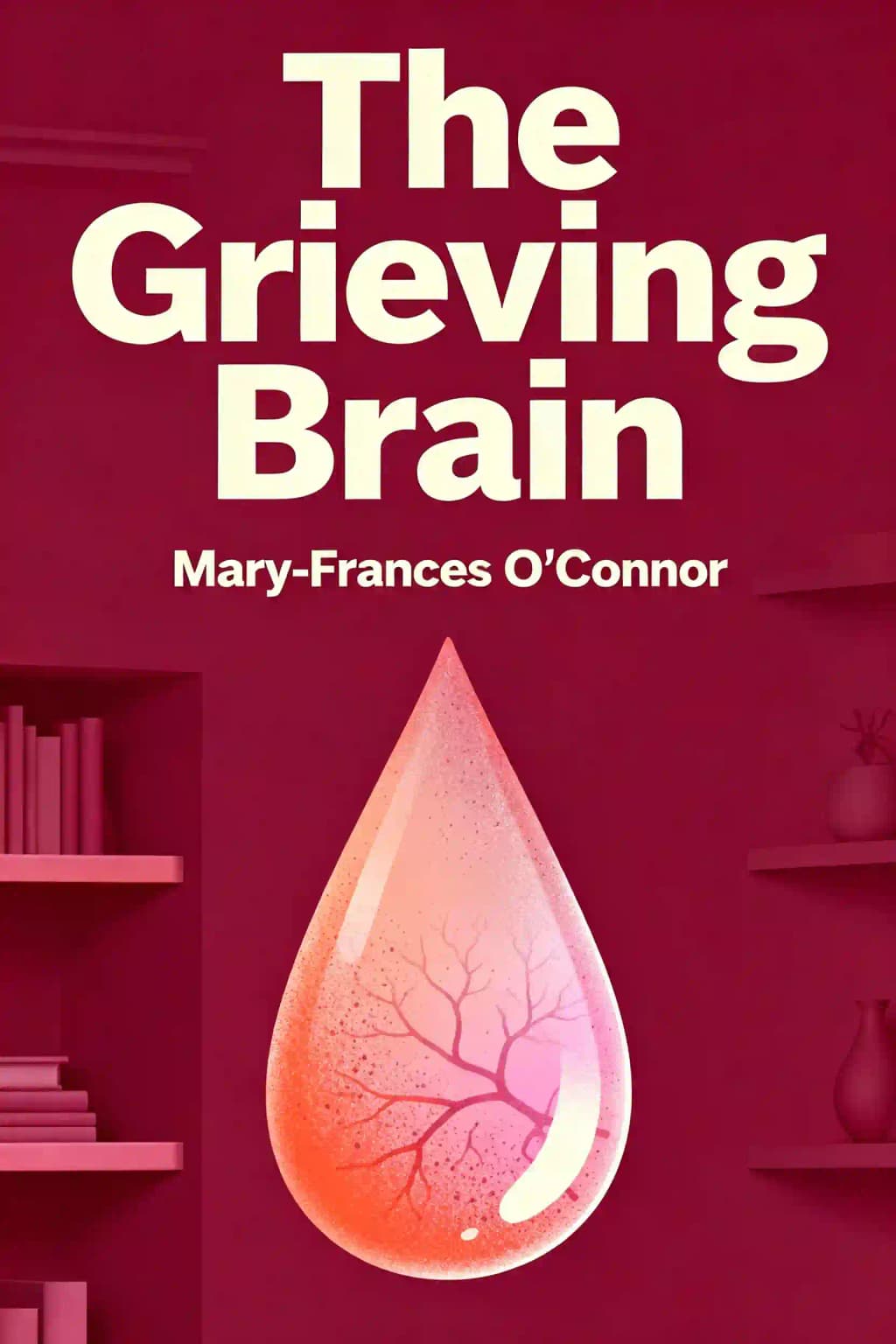
Death has been our companion since humans first formed bonds with one another. Throughout history, poets and artists have attempted to capture the almost indescribable experience of loss, while psychiatrists like Freud and Kubler-Ross documented patterns in how we grieve. But neuroscientist Mary-Frances O'Connor wanted to understand the why behind grief's overwhelming power. Why does grief hurt so much? Why does permanent absence cause such devastation? In "The Grieving Brain," O'Connor reveals how our brains struggle with a fundamental problem when someone dies: they must discard the mental map created to locate our loved ones. This groundbreaking work, which began with the first fMRI study of grief in 2001, has become required reading for therapists and those working with the bereaved. Through her dual perspective as both scientist and someone who has experienced profound loss, O'Connor offers a compassionate explanation of why our brains make grief so painful yet also provide the pathway to healing.
Capítulo 2
The Brain's Mapping System: Why We Can't Comprehend Absence
Our brains have evolved sophisticated mapping systems to track important people in our lives across three dimensions: space (here), time (now), and closeness (our attachment bond). These systems develop early in life as infants first understand physical contact, then develop spatial awareness of caregivers across a room, and finally grasp that someone absent will return. This invisible tether across space and time provides both survival advantage and emotional security.
When someone dies, these mapping systems face an impossible situation. The brain cannot compute permanent absence-it's programmed to search for missing loved ones, not accept their non-existence. This explains why the newly bereaved often report seeing their deceased loved one or feeling certain they'll return. These aren't hallucinations or denial but the brain's mapping system struggling with an impossible computational problem.
"Have you gone crazy?" a widow might wonder after seeing her husband sitting in his favorite chair. Not at all. The brain's prediction system is simply doing what it evolved to do-filling in expected patterns based on years of experience. After someone dies, neurons that repeatedly fired together remain physically connected, creating expectations that persist despite death.
This mapping challenge explains why religions worldwide address where deceased loved ones go and when we'll see them again. These frameworks provide concrete answers to questions our brains desperately need resolved. Research even shows that believing in a positive afterlife can normalize blood pressure in bereaved individuals, offering physical comfort during grief.
The brain learns through repeated experiences, forming predictions based on patterns. When someone dies, we often "see" or "feel" them because our neural pathways are still wired to expect them. These predictions change slowly, requiring many new experiences to update our mental map-which explains why grief evolves gradually as our brain logs day after day of our loved one's absence.
Capítulo 3
The Invisible Dimension of Closeness
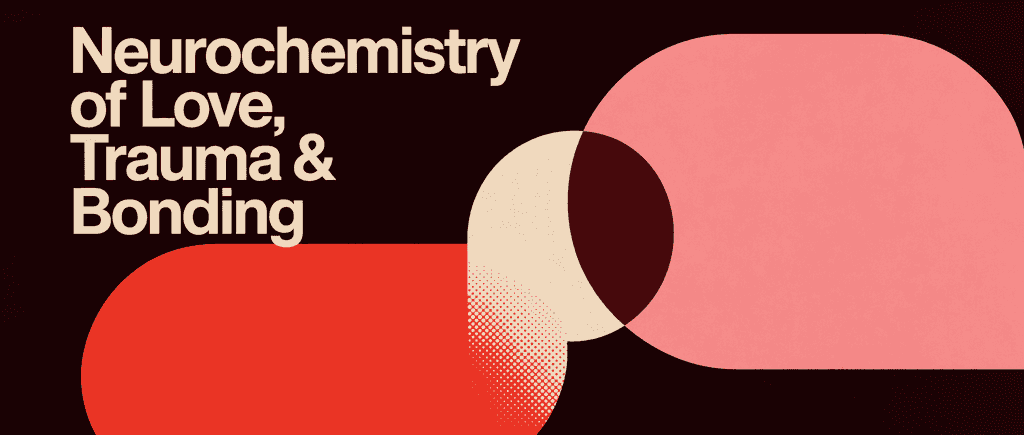
Beyond the physical dimensions of space and time, our brain maps a third dimension that's particularly challenging after loss: psychological closeness. We understand our relationships through this dimension, which can be visualized as overlapping circles representing how connected we feel to another person. When someone dies, our brain cannot comprehend that this dimension no longer applies.
Instead, it may interpret their absence as emotional withdrawal-similar to being "ghosted" in a relationship. This misunderstanding triggers intense emotions beyond sadness, including anger, guilt, and endless rumination about what we could have done differently.
"When someone abruptly cuts off all communication-'ghosting'-it triggers intense emotional reactions," O'Connor explains. "From our brain's perspective, death resembles ghosting: our loved one has inexplicably stopped responding." This misunderstanding fuels powerful social emotions as our brain cannot comprehend that dimensions like space, time, and closeness no longer apply to the deceased.
While sadness seems natural during grief, the intensity of anger often perplexes the bereaved. This anger stems from our brain's inability to comprehend permanent absence. When we cannot sense our loved one, part of us feels they're ignoring us, triggering endless rumination about what happened. We become angry at ourselves for "failing" to keep them close, or at them for leaving-even when we logically know these feelings make no sense.
Neuroimaging studies confirm the brain uses the same region (right inferior parietal lobule) to compute distances across time, space, and psychological closeness. Another brain area, the posterior cingulate cortex, tracks our feeling of closeness to others, with the hippocampus mapping this social navigation similar to how it maps spatial navigation. These findings demonstrate how our ephemeral sense of closeness exists in the physical hardware of our brain, constantly updating connections between ourselves and others.
Capítulo 4
When Two Become One: Identity Loss in Grief
When we form close relationships, our identities overlap-what's mine becomes yours. Unlike transactional relationships where we track equal exchanges, attachment relationships involve selfless support regardless of reciprocation. This merging extends beyond possessions to experiences and memories, where "we" becomes more important than "you" and "me."
After loss, this overlap contracts painfully, leaving us questioning our identity and purpose. When I ask bereaved people if they feel part of themselves died with their loved one, many respond with shock at how accurately this describes their experience. Our brains compute psychological closeness as overlap between self and other-similar to how drivers extend their bodily awareness to include their car.
After loss, grievers often describe having a "phantom limb" sensation. Just as amputees experience sensations in missing limbs because their brain's body map hasn't updated, the representations of our loved ones are coded in our neurons. Grieving isn't just psychological change-it requires neural rewiring as our brain's map of closeness must be reconfigured.
This explains why we experience grief not only for close family but sometimes for celebrities we've never met. "Parasocial grief" occurs because famous personalities can meet attachment criteria-they're available when needed (through their work) and feel special to us. Musicians particularly create intimacy through lyrics that seem to speak directly to our deepest feelings. When celebrities die, we mourn both the person and a time in our lives we can never revisit.
Mirror neurons provide concrete evidence for the biological basis of closeness. These specialized neurons fire both when we perform an action and when we observe others performing the same action. This neural overlap helps explain how representations of loved ones become encoded in our brains and why grief feels like losing a part of ourselves.
Capítulo 5
Magical Thinking: When Knowledge and Belief Collide
When someone we love dies, we often experience a paradox: knowing intellectually they're gone while simultaneously feeling they might return at any moment. This isn't delusion or denial but reflects how different neural systems in our brain produce competing forms of knowledge.
Evolution has programmed us to believe loved ones will return despite evidence to the contrary. Those ancestors who persisted in waiting for partners to return with food gave their offspring better survival chances. Like Emperor penguins who fast for months while incubating eggs, waiting for their mates to return from foraging, humans have evolved strong attachment mechanisms.
The memory of our loved one isn't just a memory-it's tagged with special importance in our neural circuitry, creating a belief that "this one will return." Our loved ones physically exist in the wiring of our neurons even after they're gone from the outer world.
Chimpanzees demonstrate similar grief behaviors. Mother chimps often carry their dead infants for days or even weeks, grooming them while withdrawing from their social group. Though they seem to understand the infant isn't alive (they don't attempt nursing), they need time to relinquish the body. Human funeral rituals serve a similar purpose-providing concrete experiences that help disprove the magical thinking that our loved one will return.
The bereaved brain maintains two contradictory beliefs simultaneously: knowledge that someone has died alongside the magical belief they'll return. We form episodic memories of death-detailed recollections including sensory details and circumstances. These memories help counter magical thinking, especially when we witness the death directly.
Without witnessing death, as happened during COVID-19 when many couldn't be with dying loved ones, the "realness" becomes ambiguous, complicating grief. Memory isn't like a video recording but more like cooking-ingredients from different brain regions combine to recreate experiences, influenced by our current emotional state.
Grieving takes longer than other forms of learning because of these conflicting information systems in the brain. While we can easily understand that last semester's students won't return to class, believing a loved one is permanently gone contradicts the implicit knowledge encoded in attachment bonds that they will always be "here, now, and close."
Capítulo 6
The Neuroscience of Yearning: Why Grief Hurts
The moment of separation from a loved one creates a physical sensation like heartstrings being pulled from your chest until they might snap. These attachment bonds are invisible yet intensely real-they connect us to loved ones, motivate us to return to them like elastic bands, and create a feeling that something is missing when we're apart.
The brain dedicates specific resources to remembering which particular human is "your person." The fusiform gyrus specializes in recognizing faces, helping us identify our loved ones despite changes over time. People with damage to this area develop prosopagnosia, losing the ability to recognize familiar faces.
Prairie voles and montane voles provide insights into bonding mechanisms. Prairie voles form monogamous pair bonds for life after mating, while montane voles remain polygamous despite genetic similarity. Neuroscientists discovered that hormones oxytocin and vasopressin are critical to this bonding-blocking these hormones prevents pair bonding despite mating, while administering them creates bonds even without mating.
The difference between species lies in receptor distribution-monogamous prairie voles have more oxytocin receptors in the nucleus accumbens region, which proves important for human bonding too. These receptors serve as "keyholes" for the "keys" of bonding hormones. During mating, epigenetic changes occur-enzyme "wrappers" around genes are removed, allowing more oxytocin receptors to be created while experiencing a potential mate. This permanent change motivates returning to this specific partner repeatedly.
In O'Connor's second neuroimaging grief study, all bereaved participants showed brain activation in regions related to the "alarm bells" of grief. However, one region distinguished those with complicated grief from the resilient group: the nucleus accumbens, the same region important in vole pair bonding. Surprisingly, those with complicated grief showed greater activation in this reward-processing region. The higher participants rated their yearning for their deceased loved one, the higher their nucleus accumbens activation.
This suggests those with complicated grief continue to predict rewarding outcomes from seeing their loved one again, while those with resilient grief no longer maintain this prediction. O'Connor emphasizes this isn't addiction but rather a normal motivational state similar to hunger or thirst-a desperate need rather than dependency.
Capítulo 7
The Wisdom to Navigate Grief's Waves
After discovering yearning's importance neurologically, O'Connor developed the Yearning in Situations of Loss scale to study it systematically across different losses. Their research revealed that while depression contributes to yearning, the association between yearning and grief was stronger than between yearning and depression.
Yearning thoughts have a specific quality-they arise suddenly and involuntarily. O'Connor describes personal examples like spontaneously visualizing her father cooking in his kitchen while looking in her own refrigerator. Psychiatrist Mardi Horowitz called these "intrusive thoughts" and noted they're common after traumatic events.
Though disruptive, research by Danish psychologist Dorthe Berntsen revealed voluntary memories (deliberately recalled) occur just as frequently as involuntary ones after stressful events. The difference is that involuntary memories feel more upsetting because we're unprepared for the emotions they trigger.
Involuntary memories are a normal brain function, occurring more frequently after trauma but happening regularly in everyday life. Our brain constantly generates reminders about important people and tasks-like remembering to check on family members. During bereavement, these same automatic mental "push notifications" continue, but now they conflict with reality, causing pangs of grief when they arise.
Research analyzing facial expressions of grieving people found they display a wide range of emotions when discussing their deceased loved ones. The most reliable predictor of good mental health is having a diverse toolkit of emotional regulation strategies and deploying the right one at the right time. Sometimes distraction and temporary denial serve important purposes, giving the brain, body, and even those around us a needed break from intense grief.
While Western culture typically values "grief work" activities like sharing stories about the deceased or journaling about grief, research by psychologists Soenke and Greenberg shows that engaging in activities that raise positive emotions (like attending parties or watching entertainment) can be more effective at reducing sadness. Positive emotions broaden attention, encourage creative thinking, and expand coping tools-creating what psychologists Frederickson and Garland call an "upward spiral."
Supporting someone who's grieving requires emotional flexibility. The challenge is accepting that someone we care about is hurting while they must accept their loved one has died. The value in witnessing, sharing, and listening to their pain isn't that it removes suffering, but that it creates connection-they feel loved and you feel loving.
Capítulo 8
The Trap of Looking Backward: Rumination and Grief
For many grieving people, a wandering mind lapses into rumination-repetitive thoughts about past events, particularly the death. While reflection (intentional problem-solving) can eventually reduce depression, brooding (passive wondering about one's mood) increases it. Psychologist Susan Nolen-Hoeksema found rumination predicts depression, with women tending to ruminate more than men.
The grieving mind gets trapped seeking answers to unanswerable questions about reactions, injustice, meaning, relationships, and "what-ifs." Remarkably, research by Stroebe and colleagues using reaction-time and eye-tracking studies revealed that rumination actually functions as avoidance-people who ruminate more tend to automatically avoid visual reminders of their deceased loved ones.
After a death, grief-related rumination centers on five main topics: our emotional reactions, the injustice of the death, the meaning and consequences of the loss, others' responses to our grief, and counterfactual "what-ifs." Studies across British, Dutch, and Chinese bereaved people show that frequent rumination correlates with more intense grief symptoms.
The paradox of rumination is that we engage in it believing we're processing our grief, when we're actually avoiding the painful feelings of grief. Telling the story in great detail is a cognitive process that allows us to avoid feeling what happened. While we think we're figuring out what happened and why we feel awful, rumination prevents us from discovering what the loss truly means and learning to live without our loved one.
Co-rumination describes the repetitive, extensive discussion of personal problems between close friends-an intimate form of disclosure often centered on negative feelings. While these conversations increase feelings of closeness and friendship satisfaction, psychologist Amanda Rose's research reveals they also lead to increased depression and anxiety symptoms. This creates a vicious cycle: feeling more depressed leads to seeking more of these conversations for comfort.
Accepting differs from both rumination and grief work-it brings a certain peace, like setting down something heavy. Unlike avoidance, which requires effort to circumvent the knowledge of death, accepting acknowledges reality without further reaction-no ruminating, problem-solving, anger or protest. Importantly, accepting is distinct from resignation; it's awareness of reality with hope that the present can still be meaningful despite loss.
Capítulo 9
Finding Presence in Grief's Storm
C.S. Lewis wrote that "grief felt so like fear," and O'Connor describes her own experience as panic-feeling completely untethered after losing her father, with racing heart and mind. Neuroscientist Jaak Panksepp identified this connection by naming the neural system for loss response "PANIC/GRIEF." His research showed that separated animals experience increased activity, elevated heart and respiration rates, stress hormone release, and distress calls.
Though the present moment may initially offer only pain and panic to the grieving, it also holds possibilities for healing. O'Connor shares how a bereaved colleague coped by gradually increasing her ability to face reality-starting with just seconds at a time. While mentally time-traveling away from the present protects us from overwhelming pain during acute grief, only in the present can we experience joy or comfort.
Grief creates a perfect storm for sleep disruption: stress hormones flood the system while "zeitgebers"-environmental cues that regulate our sleep cycles-are profoundly disrupted by a loved one's absence. Each missing bedtime ritual becomes a grief trigger, maintaining rumination and physiological arousal. Though physicians often prescribe sleep medications out of compassion, research shows these drugs worsen sleep over time for the bereaved and can lead to years of dependency.
Neuropsychologists use tests to measure how well our brains can shift attention between tasks. For grieving people, this skill becomes crucial when switching attention from grief thoughts back to the present moment. Studies show that meditation practices can increase synchronization between brain networks, potentially improving our ability to move from default self-focused thoughts to present awareness.
Neuroscientist Noam Schneck uses neural decoding to identify "fingerprints" in brain activity that occur during thoughts about deceased loved ones. In one study, during a boring sustained attention task, bereaved participants' minds wandered to thoughts of their deceased loved one about 30% of the time. Remarkably, the more participants tried to avoid thinking about the deceased in everyday life, the more intrusive thoughts they experienced during mind wandering.
Beyond conscious thoughts, Schneck studied how our brains unconsciously process loss. By examining how reminders of the deceased slow reaction times, researchers found that more unconscious processing of loss correlates with fewer and less intense grief symptoms. While conscious intrusive thoughts about the deceased linked to more grief, unconscious processing during mind wandering seemed helpful for adaptation.
Capítulo 10
Reimagining the Future After Loss
After loss, we must reimagine our future without the deceased. Imagining our future without our deceased loved one uses similar brain networks as remembering our past. Canadian neuroscientist Edward Tulving showed that "mental time travel" in both directions shares neural machinery. When we imagine future events, our brain recombines pieces of past experiences in novel ways.
Research by Harvard psychologists Robinaugh and McNally reveals that people with complicated grief struggle to recall specific personal memories or imagine future events unless they include the deceased. Those adjusting resiliently can generate specific memories and future scenarios with or without the deceased. This difficulty stems from two factors: constant rumination making memories with the deceased more accessible, and identity overlap where self-concept (like "wife") inherently includes the deceased, making it hard to imagine a future self without them.
Restoring a meaningful life requires the ability to imagine that life-the inability to generate possible futures creates hopelessness. Grieving involves learning through trial and error what activities now bring meaning and connection. We make plans despite uncertainty about how they'll feel in our new identity, then assess the results. This feedback helps us gradually discover what works in our changed circumstances.
Our relationship with deceased loved ones can transform over time as we gain wisdom and perspective. Just as relationships with living loved ones evolve with age, our connection to those who've died can grow more compassionate and appreciative. The author describes how her relationship with her deceased mother evolved decades after her death-from feelings of guilt and anger to newfound gratitude for the discipline, feminist principles, and attention her mother had given her.
Forming new relationships after loss is essential for restoration but can trigger renewed grief. Due to "loss aversion," where losses feel twice as powerful as gains, new relationships may not initially feel as satisfying as what was lost. The key insight is that new relationships aren't meant to fill the hole left by death, but rather to meet our present need for loving connection.
Rather than replacing the deceased, we develop an "attachment hierarchy" where continuing bonds with the deceased remain while new relationships rise in importance. Our loved ones continue to affect us even in their absence-"as exhaling is a continuation of inhaling." The author questions when relationships truly begin and end, suggesting that our connection to those we've lost persists through their ongoing influence on our decisions, values, and identity.
Capítulo 11
The Learning Brain: How We Adapt to Loss
Grieving is fundamentally a form of learning. Our brain must update its predictions when a loved one dies, as we can no longer expect them to arrive home or answer our calls. We learn that our loved one no longer exists in the dimensions of "here, now, and close" that we've come to expect.
Though they remain in our DNA and memories, we must find new ways to express our continuing bonds since we can no longer care for them in the physical world or seek their comforting touch. This learning isn't simple like riding a bike-it's like adapting to an alien planet with different rules for survival.
Psychological research defines learning as changes in behavior resulting from experiences with the world. Learning improves our ability to adapt, and importantly, it's a capacity we can increase through what Carol Dweck calls a "growth mindset." When grieving feels stuck, trying new strategies is key-consulting someone who has experience with grief, whether a pastor, grandmother, novelist or psychologist.
As a clinical psychologist, O'Connor doesn't offer advice about grieving because insight doesn't work that way. People are experts on their own grief, while she's an expert on grief in general. She can share scientific evidence disproving the stages of grief theory, explain concepts that guide therapy for complicated grief, and show how grief resembles learning. But she cannot tell anyone how their values should guide their life.
When O'Connor recalls her mother's death, her memories once focused on regret about not being more patient or spending enough time with her. Now she remembers entering her hospital room to find her comatose, her face waxy and yellow, but remarkably, her forehead completely smooth-free from the characteristic furrowed brow that signaled her inner turmoil. In her final hours, she appeared at peace, no longer needing her daughter.
Death changes us profoundly-understanding that loved ones can disappear forever transforms how we love and what we value. Though you wouldn't choose this doorway of grief, passing through it connects you to a community of others who've experienced similar loss, giving you knowledge about yourself and your remarkable brain's ability to build and navigate a new world.