Capítulo 1
Embracing Your Inner Freak: The New Path to Business Success
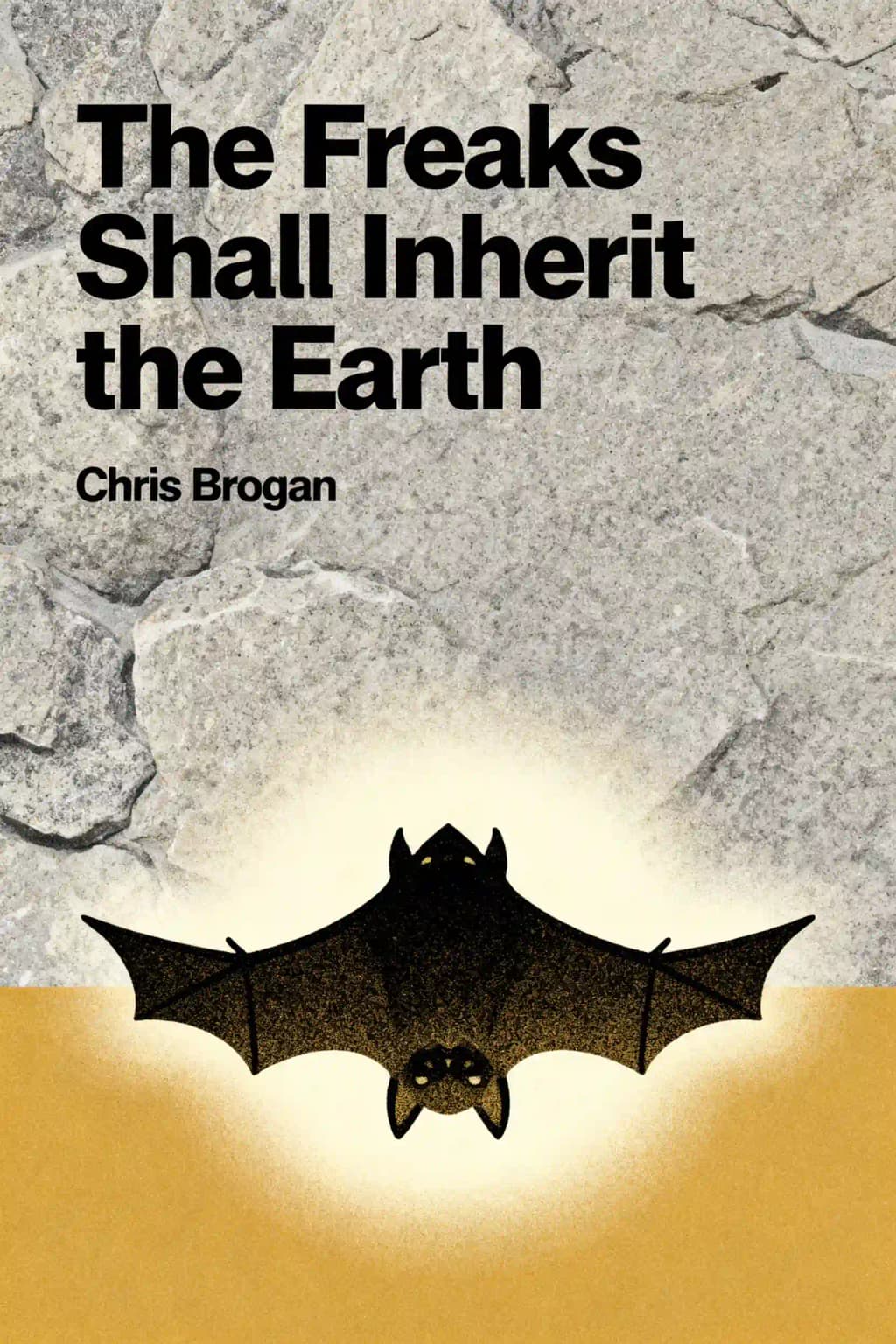
Have you ever felt like you don't quite fit the traditional business mold? You're not alone. Chris Brogan's "The Freaks Shall Inherit the Earth" isn't just another business book-it's a manifesto for those who've always felt like outsiders in the corporate world. When it was published in 2014, the book quickly became a rallying cry for unconventional entrepreneurs, with celebrities like Tim Ferriss and Seth Godin praising its fresh perspective. What makes this book culturally significant is how it anticipated the massive shift toward creator economies and personal branding that now dominates our business landscape. Rather than forcing yourself to conform to outdated business models, Brogan argues that your uniqueness is actually your greatest competitive advantage. In a world where traditional career paths are disappearing, those who embrace their "freakishness" aren't just surviving-they're thriving.
Capítulo 2
The Rise of the Business Freak
What exactly is a "freak" in Brogan's world? It's not about having purple hair or unusual hobbies (though those might apply). A freak is anyone who refuses to settle for conventional wisdom, who bristles against the notion that there's only one "right way" to do business. These are people who don't naturally fit in without considerable effort-and who are tired of trying.
The industrial era demanded conformity, but today's economy rewards those who stand out. Consider Marie Forleo, who left her position at the New York Stock Exchange to explore magazine publishing before discovering life coaching-a path that eventually led to a seven-figure business. Or Hugh Howey, who bypassed traditional publishing gatekeepers by self-publishing his science fiction series "Wool" on Amazon's Kindle Direct Publishing platform. After achieving significant sales through his own efforts, Simon & Schuster offered him $500,000 for print distribution rights, and he sold the movie rights as well.
These success stories highlight a fundamental shift: you no longer need permission to build a business your way. Today, you can design cars with Local Motors, create custom textures with 3D printing, sell art through Square, find meeting spaces with Breather, rent apartments on Airbnb, or launch your own magazine-all without conforming to traditional business models.
The key difference between successful freaks and struggling ones isn't about being weird-it's about answering the critical question: "How is this a business?" While passion is essential, you must develop what Brogan calls a "solid spine"-the ability to run a business while maintaining your creative vision. This means extracting value from your unique perspective and creating something people will pay for without compromising who you are.
Capítulo 3
Balancing Wild Colors with a Solid Spine
The most successful freaks manage to display their "wild colors" (creative expression) while maintaining a "solid spine" (business fundamentals). Take Marc Ecko, who transformed airbrushing clothes with graffiti designs into a multi-million dollar company without compromising his creative vision. Or Christopher Lynn at Boston's Colonnade Hotel, who adds artistic touches to guest experiences, like leaving a Black Keys CD on a guest's bed after noticing they attended the band's concert.
At its core, business is simple: you sell something of value to buyers. But how you approach this transaction makes all the difference. Brogan illustrates media business models with a triangle-valuable content at the top, community at bottom left, and sponsors/advertisers at bottom right. While traditional media sees advertisers as the customer, the "freak method" focuses on nurturing relationships with community members first, then partnering with advertisers those community members might appreciate.
This relationship-centered approach distinguishes the freak's business model from traditional transactional ones. Consider Joe Sorge in Milwaukee, who runs restaurants as relationship businesses, prioritizing quality and experience over profit margins to build long-term customer value.
Fear often drives us to overcomplicate our businesses. When asked what he did, a Unilever executive simply said "I sell soap," while many entrepreneurs struggle with elaborate explanations. We make things complex when we fear not being taken seriously, but this complexity serves nothing but ego. The message: explain what you do in simple, understandable terms.
The missing ingredient for most aspiring entrepreneurs isn't willpower but discipline. Unlike willpower's forced resistance, discipline comes from building habits that align with your goals until they become automatic. Brogan suggests changing your language (saying "I love the grind" instead of "I hate invoices"), maintaining streaks of consistent action for 60+ days before adding new habits, and eliminating distractions that derail your goals.
Capítulo 4
Defining Success on Your Own Terms
For freaks, success isn't about climbing corporate ladders or meeting societal expectations-it's about creating your own definition. Brogan's personal definition is simple yet powerful: being able to say yes to what he wants and no to what he doesn't. This perspective transforms success from a destination into a state-a green light on your personal dashboard indicating "Today, I'm feeling successful."
Your success recipe might include ingredients like money (though happiness doesn't correlate with wealth beyond covering basic needs), time (more valuable than money because it's finite), fame (if that's what you want), achievement (requiring specific goals), progress (the "younger sister to achievement" that can be enjoyed daily), health (physical, mental, spiritual, and emotional), serenity (accepting what you cannot change), or your own unique components.
Equally important is reframing how we view failure-not as the opposite of success, but as "an outcome you didn't expect or want." This perspective shift removes the stigma from failure and positions it as a natural step toward achievement. Brogan embraces failure as an essential part of his process, with nearly everything he does starting with stumbling before finding success.
Contrary to conventional wisdom, quitting can sometimes be the path to greatness. Brogan celebrates quitting television, keeping up with trends, following everyone online, meeting others' expectations, lengthy meetings, bragging, gossip, seeking universal approval, obligation-based activities, and unnecessary purchases.
Success rarely happens overnight-it requires years of hard work, making yourself accessible, helping others more than asking for help, and maintaining daily practice. Everything leading to success comes from consistent daily effort rather than sudden breakthroughs. Being prepared is crucial: calculate your monthly expenses, save at least three months of expenses, reassess spending habits, test your ideas in small ways before full commitment, and create a solid plan with multiple approaches.
Capítulo 5
Building Essential Business Skills
Even creative entrepreneurs need foundational business skills: basic legal contract knowledge, finance skills, simple marketing concepts, and sales abilities. These may not be exciting to learn, but business roadblocks typically stem from weakness in these areas.
Creating a sense of belonging is crucial for business success. We're quasi-tribal by nature-we seek to identify with like-minded people. For "freak-minded" businesses, signaling to your tribe that they belong is essential. Something as simple as remembering people's names and personal details can make customers feel valued and important.
Success comes from seeing beyond conventional wisdom. Using Jay-Z as an example, Brogan shows how the rapper transcended the music industry by viewing the landscape directly rather than following others' maps-transforming a tour into a cultural movement celebrating diversity while creating profitable business opportunities spanning far beyond music.
Asking smart questions saves time but requires knowing when, what, and whom to ask. Focus on how you can help others rather than asking what they can do for you. The best questions are targeted and directed to people with specific expertise-like asking a skilled negotiator about business deals or a designer about color schemes.
Understanding business models is essential even for corporate employees. Analyze models around you-like movie theaters, where the real profit comes from concessions, not tickets. Identify the "magical metric" (like dollar per guest) that drives success in your industry.
Mastery of time-not mere management-is essential. Brogan's approach includes both what not to do (avoid TV, news, staying angry, or adopting others' priorities) and what to do (have a plan, work it consistently, say no often, and decide quickly). He advocates for limiting meetings, delegating tasks, building systems, and getting adequate sleep-challenging the entrepreneurial glorification of sleeplessness.
Capítulo 6
Embracing the Unknown
Everything we know how to do started with not knowing how to do it. When interviewing entrepreneurs for his book, Brogan discovered they universally started their projects without knowing exactly what they were doing, just having hunches or related experiences.
Consider sword swallower Roderick Russell, who learned his craft by practicing with actual swords, gaining a quarter inch of depth at a time until mastering the skill. This principle applies to any business endeavor-you learn by doing, not by waiting until you feel completely ready.
The fear of not knowing is one of our most powerful fears. It manifests in business when we think "I can't start my own business" or "I have no idea how to expand." The typical pattern involves feeling baseline fear, wondering what we know that's similar, often shutting down if we find nothing, and occasionally asking someone for help. The critical problem is when we abandon the pursuit entirely, falsely believing we'll never figure it out.
Our education system demands we know our career path from an early age, creating tremendous pressure. Brogan reflects that at 43, he couldn't have predicted his current path from age 16, yet young people face pressure to plan their entire futures. College compounds this by requiring significant investment in specializations before students truly know what suits them.
Specialization presents a paradox-it works well until that specialty becomes obsolete. Professional skateboarder Tony Hawk faced financial challenges when his skateboarding career temporarily declined, forcing him to edit videos to pay bills. Hawk's success came partly from developing diverse skills that sustained him until new opportunities emerged.
The fear of failure paralyzes many would-be entrepreneurs. Brogan's key insight: "My success is built entirely on my ability to fail quickly and then learn and adapt from the results of that failure." By embracing failure, we collect data others miss. Like Edison discovering 1,000 ways not to make a lightbulb, successful salespeople hear "no" more often but persist until getting "yes."
To effectively handle failure, start small to avoid catastrophic consequences, own your failures quickly, learn from failures rather than repeating them, reset mentally after each failure like elite athletes do, and try to fail in new ways rather than repeating patterns.
Capítulo 7
Creating Structure That Liberates
Most of us start our days by checking our phones-a habit that puts us in reactive mode immediately. We're ruled by two masters: habits and reactions. But what if we deliberately chose better habits and more purposeful reactions?
Structure isn't about becoming a robot; it's about establishing frameworks that help us build what we want. Just as a haiku provides structure for creativity, daily frameworks help us overcome procrastination and accomplish meaningful work. Though freaks tend to rebel against structure, most of what we do daily is already built on habits and reactions-essentially programs we run without conscious thought.
We often procrastinate because we don't know what comes next. Having a simple framework for each task-like a five-step sales process-can eliminate this uncertainty. Fear breeds procrastination by keeping us from taking even simple information-gathering steps. When fear triggers procrastination, start by just gathering more information rather than avoiding the situation entirely.
Planning day-to-day guarantees you'll never accomplish anything significant. You need goal markers at multiple time horizons: five years, three years, one year, six months, three months, one month, and one week. While your shorter-term goals will shift regularly, having this structure helps you connect daily actions to larger ambitions.
A daily framework helps you tackle challenges regardless of your work situation. Start by noting your three-month goal at the top of your daily list to keep the larger story in mind. Include your week's big goal to prevent wasting time. List only three to six must-do items-lists fail when overloaded. Add a personal mantra to reset your thoughts when frustrated.
Beyond traditional to-do lists, create a "not to-do" or "watch out for" list to identify potential pitfalls. For example, if stress eating undermines your health goals, noting this reminds you to have water and take a quick walk instead.
Capítulo 8
Building Your Own Media Empire
When people ask how Brogan achieved his business goals, he tells them much came from mindset, but the real distinction was creating interesting media that drove business to him. By "media," he means information packaged for others' consumption-blog posts, newsletters, podcasts, videos.
Creating media benefits your business in multiple ways: website posts help people find what you sell through search engines and links; it gives people "mind-reading power" to understand you better; it reveals the person behind the project, creating connection points; it cultivates relationships between sales when you can't always push purchases; and it represents a new form of marketing beyond typical "buy this" approaches.
Brogan's business structure follows a simple pattern: Content, Community, Marketplace. Create interesting content people choose to consume, build community by interacting with those consumers, then offer a marketplace of services or products that help that community. The UFC exemplifies this-their content includes fighting events and shows, their community comprises aspiring fighters and fans, and their marketplace sells related media and products.
Media options range from traditional print (flyers, newsletters) to digital formats (blogs, podcasts, social media). When choosing, consider cost, creation time, personal strengths, and searchability. The most successful combination includes a blog (for searchability), email newsletter (top sales tool), social network presence, and some YouTube content.
Create media by answering community questions, telling your members' stories, sharing behind-the-scenes glimpses, interviewing your team, telling larger inspiring stories, or providing instructional content. Like Izzy Hyman who built a business around video tutorials that still generates paid consulting work, your educational content creates a willing audience when you're ready to sell.
The best approach is making your audience the hero of your stories. Feature community members like Jared Easley, whose podcast "Starve the Doubts" demonstrates thorough research and relevant questioning. These stories help potential buyers see themselves succeeding with your product or service, rather than focusing on you or your offerings.
Capítulo 9
Finding Your Tribe of Fellow Freaks
No matter how unique your interests or business ideas might seem, you're never truly alone in the entrepreneurial landscape. Despite intense societal pressure to conform, especially in traditional business settings, you don't have to fit in to succeed. In fact, the more unique your idea, the more resistance you'll likely face, but this resistance often signals you're onto something meaningful.
Tony Hawk serves as a powerful example of this principle. While his parents supported his unconventional passion for skateboarding, his teachers dismissed it as a waste of time, predicting he'd never make a living from it. Today, Hawk's empire spans video games, merchandise, and a global skateboarding foundation. Similarly, creative power couples like Amanda Palmer and Neil Gaiman have built devoted followings by embracing their quirky authenticity. Palmer's unconventional music and direct fan engagement through platforms like Patreon, combined with Gaiman's unique storytelling style, attract audiences who celebrate rather than question their distinctive approaches.
Being a "freak" in business terms doesn't require extreme behavior or outlandish personalities - it simply means charting your own course instead of following predetermined paths. James Altucher exemplifies this duality: while managing hedge funds and serving on corporate boards, he breaks convention by sharing vulnerable personal stories, practicing radical honesty about business failures, and questioning established financial wisdom. His approach attracts followers who appreciate both his expertise and his willingness to challenge norms.
Using your media presence as a "Bat Signal" - a beacon for attracting like-minded individuals - has become increasingly crucial in the digital age. Marie Forleo demonstrates this masterfully through MarieTV and B-School, specifically targeting women entrepreneurs seeking purpose-driven businesses. Rather than adopting the serious tone of traditional business programming, she invested in professional video production while maintaining her authentic, playful personality. Her dance breaks and quirky humor might repel conventional business audiences, but they strongly resonate with her intended community.
The concept of strategic alienation is vital for building a strong tribe. If you're effectively reaching your target audience, you'll inevitably distance others - and that's okay. Southwest Airlines exemplifies this principle by embracing their casual, no-frills approach, knowing it won't appeal to luxury travelers but strongly attracts budget-conscious, practical flyers.
The Okinawan principle of "monchu" (meaning "one family") provides a framework for building deeper connections beyond traditional business relationships. Tony Hawk embodies this philosophy by creating affordable skateboarding products despite criticism of "selling out." His priority wasn't maximizing profits but making skateboarding accessible to more young people, demonstrating how authentic community building transcends mere transactions. Similar approaches can be seen in companies like Patagonia, which builds strong customer loyalty through environmental activism and transparent business practices.
Success comes not from trying to please everyone but from deeply serving and connecting with your specific tribe. When you genuinely invest in your community's success, you create lasting relationships that extend far beyond simple customer transactions, fostering a loyal following that supports your vision and helps spread your message.
Capítulo 10
Taking Complete Ownership
To succeed as a freak, you must take complete ownership of your life, business, and future. This means embracing who you are and doing business in a way that aligns with your authentic self. Though it may not sound like traditional business advice, this internal work forms the foundation of your success because you ARE the business.
Your internal dialogue shapes your reality, yet most people constantly berate themselves with negative self-talk. How often do you call yourself stupid, a loser, or a failure? These harmful patterns extend to your external speech with phrases like "I should," "I hope," or "always/never" statements. Your words map your intentions and trigger both victories and problems.
Willpower is a weak, temporary muscle that can't sustain effort-it's merely a short bridge over immediate barriers. Instead, you need intention and vision. Most people lack a clear personal vision, making them easily swayed. Building your vision requires understanding where you truly are now (often the hardest part due to self-deception), defining specifically where you want to be (not vague terms like "successful"), and identifying the daily actions needed to get there.
The key to business success is serving your community-your monchu and marketplace. Many fail by forgetting this relationship. When Brogan received an email from a newsletter reader about his children's book project, he connected him with a successful author in that field, expecting nothing in return. This service mindset strengthens your network and reinforces your professional vision.
You can be like everyone else or be a freak and inherit the earth. Only the freaks become notable enough for recognition, yet many hide their uniqueness, surrendering to mediocrity when challenged. Being different is difficult-people will attack you, and there's no established path to follow. Yet the world's best innovations came from freaks: coffee, beloved songs, favorite movies. Walt Disney, Sam Walton, and Richard Branson were all freaks.
Business doesn't happen magically-you must make it happen by becoming a better salesperson, marketer, and financial manager. Business is simply the exchange of value, and it fuels everything else you do. Owning your business isn't evil if your intentions are good. Business is another form of art. It requires daily commitment-you must invest in it daily to truly own it.
Capítulo 11
Taking Action When Things Go Wrong
Things will inevitably go wrong in your business journey. Maybe you'll build your business on someone else's technology that shuts down, or discover your marketplace doesn't work for new versions of your business, or upset a partner, or run out of money. These challenges are inevitable, but how you respond makes all the difference.
When things go wrong, don't surrender. You might retreat occasionally, but never give up. Accept that what you're doing isn't working, then figure out why. Define exactly what isn't working, determine if there's a patch solution, decide if you need to abandon your current goal, figure out your approach, take action, and make appropriate apologies.
First, identify your specific problem-insufficient money, owing someone, needing to rework plans while handling immediate issues, or team breakdowns. Then solve them in a hierarchy of needs: secure food and shelter first, start debt management (even $5/month with clear communication), find money (sell things, take jobs, seek loans), build a new starter plan (realistic, not grandiose), develop the bigger plan to get back to your freak business, and finally focus on massive debt repayment.
Effective apologizing is a critical skill for freaks who try new things. Use the Three A's: Acknowledge what happened without excuses, Apologize clearly using "I'm sorry," and Act to help the situation or prevent recurrence. Avoid "but" apologies that invalidate your remorse, and never shift blame to others. Your customer doesn't care who's at fault-they care about their relationship with you and how you'll make things right.
Many creative freaks struggle with depression or other challenges. Adopt a "yes, and" approach to these issues. Yes, you were abused as a child, and you owe it to yourself to be the freak you want to be. Yes, your spouse left you, and now it's time to become who you've always wanted to be. Never use anything as an excuse-excuses are tools of settling, and freaks don't settle.
The biggest difference between you and those who accept whatever life brings is that you've chosen to take action. Start anywhere-it's better to begin somewhere than wait for the perfect order. Obstacles are opportunities to start something new or work on another task. Draw up simple plans and pursue them. If they don't work, try again until you win. This is the method and mindset that has served other freaks who've gone on to live and do business on their own terms.