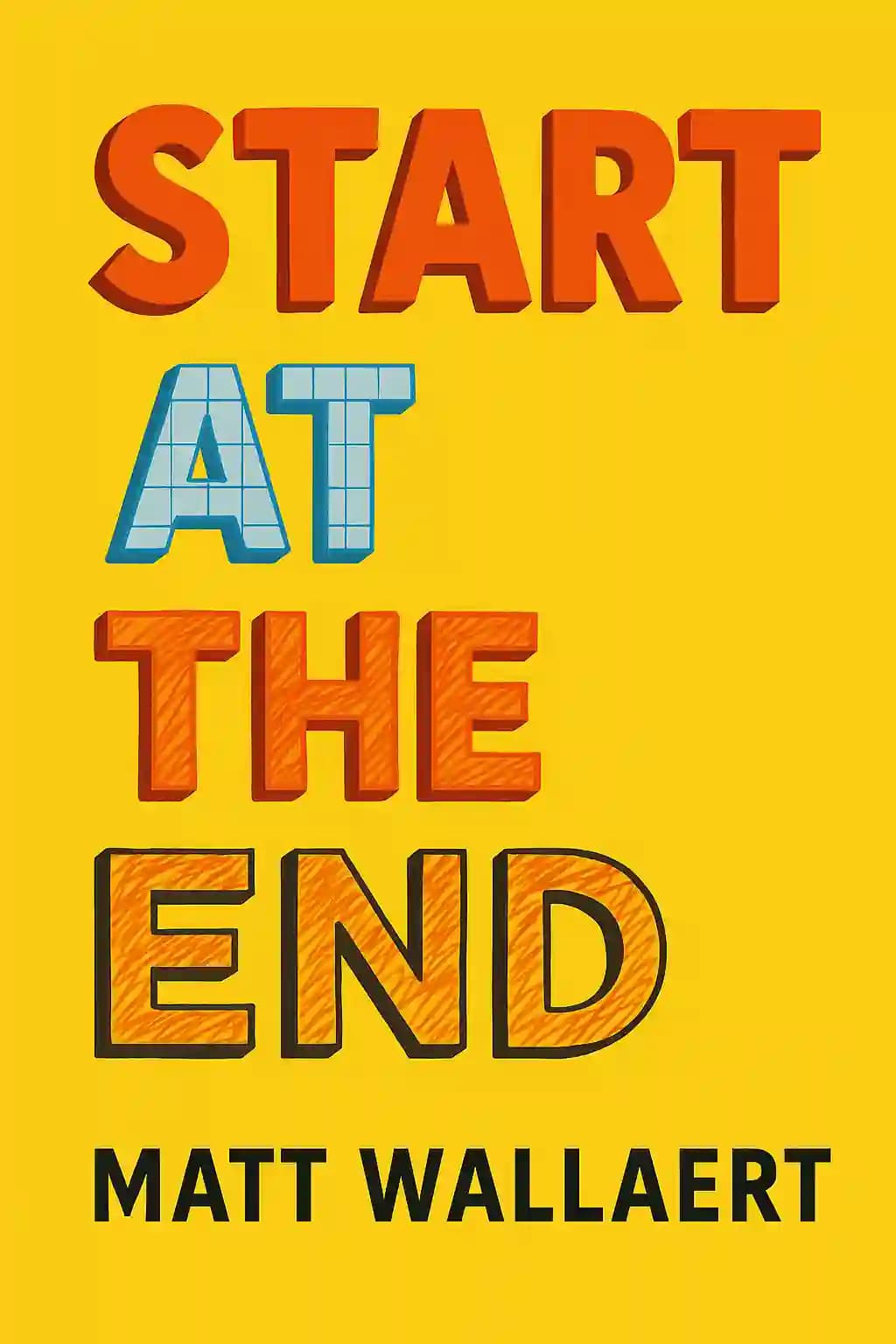
Matt Wallaert's "Start at the End" revolutionizes product design by focusing on behavioral outcomes first. Using his Intervention Design Process - showcased through Apple's iPhone and Flamin' Hot Cheetos success stories - this behavioral scientist reveals why most innovations fail: they forget to ask "what behavior are we changing?"
Sinta o livro através da voz do autor
Transforme conhecimento em insights envolventes e ricos em exemplos
Capture ideias-chave em um instante para aprendizado rápido
Aproveite o livro de uma forma divertida e envolvente
Ever wondered why we know what we should do but fail to follow through? The answer lies in understanding behavior change as a science rather than an art. Instead of starting with solutions, we need to begin with the end in mind - the specific behavior we want to create - and work backward. This approach flips traditional product development upside down by examining actual human behavior before crafting solutions. When Microsoft's Bing team wanted to increase student searches, they discovered teachers' concerns about inappropriate content were the primary barrier, not student motivation. By addressing these specific concerns through a specialized version with locked SafeSearch and no ads, school-based searches increased by 40%. "When [population] wants to [motivation], and they [limitations], they will [behavior] (as measured by [data])." This simple formula creates accountability by forcing clarity about who we're targeting, why they would act, what conditions must exist, what action we want, and how we'll measure success. Consider Microsoft's revolutionary vision: "a computer on every desk running Microsoft software." While groundbreaking, it focused on ownership rather than meaningful usage, leading Microsoft to prioritize sales over user experience. When Google Docs emerged with a usage-focused approach, Microsoft had to pivot dramatically to Office 365. Effective behavioral statements should be bold rather than timid - Uber didn't aim for people to "sometimes" use their service but to make it the default choice for all point-to-point travel.
Divida as ideias-chave de Start at the End em pontos fáceis de entender para compreender como equipes inovadoras criam, colaboram e crescem.
Destile Start at the End em dicas de memória rápidas que destacam os princípios-chave de franqueza, trabalho em equipe e resiliência criativa.

Experimente Start at the End através de narrativas vívidas que transformam lições de inovação em momentos que você lembrará e aplicará.
Pergunte qualquer coisa, escolha a voz e co-crie insights que realmente ressoem com você.

Criado por ex-alunos da Universidade de Columbia em San Francisco
"Instead of endless scrolling, I just hit play on BeFreed. It saves me so much time."
"I never knew where to start with nonfiction—BeFreed’s book lists turned into podcasts gave me a clear path."
"Perfect balance between learning and entertainment. Finished ‘Thinking, Fast and Slow’ on my commute this week."
"Crazy how much I learned while walking the dog. BeFreed = small habits → big gains."
"Reading used to feel like a chore. Now it’s just part of my lifestyle."
"Feels effortless compared to reading. I’ve finished 6 books this month already."
"BeFreed turned my guilty doomscrolling into something that feels productive and inspiring."
"BeFreed turned my commute into learning time. 20-min podcasts are perfect for finishing books I never had time for."
"BeFreed replaced my podcast queue. Imagine Spotify for books — that’s it. 🙌"
"It is great for me to learn something from the book without reading it."
"The themed book list podcasts help me connect ideas across authors—like a guided audio journey."
"Makes me feel smarter every time before going to work"
Criado por ex-alunos da Universidade de Columbia em San Francisco

Obtenha o resumo de Start at the End como PDF ou EPUB gratuito. Imprima ou leia offline a qualquer momento.