Capítulo 1
Balancing Motherhood and Entrepreneurship: A Revolutionary Approach
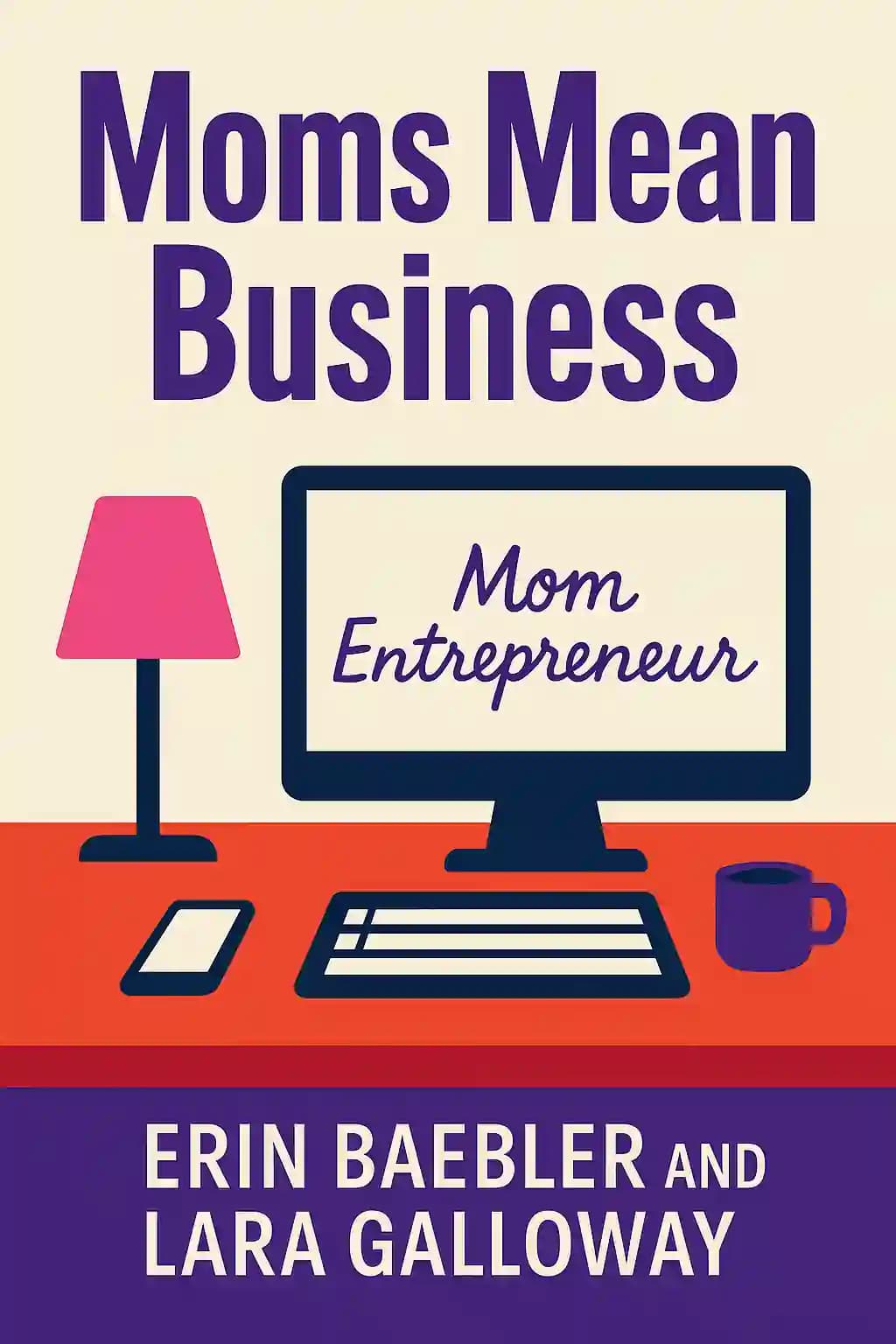
When Sheryl Sandberg's "Lean In" sparked global conversations about women in the workplace, another quieter revolution was taking place among mothers who were creating their own businesses. "Moms Mean Business" has become a staple resource for this growing demographic, praised by celebrities like Jessica Alba and Tory Burch who have themselves navigated the complex terrain of building businesses while raising children. The book's practical approach has made it required reading in women's entrepreneurship programs at universities nationwide, with over 100,000 copies sold and countless women citing it as the catalyst that transformed their side hustles into thriving companies. At its core, this guide acknowledges a fundamental truth: the journey of a mom entrepreneur isn't linear-it's a creative, exhausting, exhilarating zigzag that requires an entirely different approach than traditional business development.
Capítulo 2
Redefining Success on Your Own Terms
What does it mean to be a "mom entrepreneur"? Some bristle at the term, feeling it diminishes their status as "real" entrepreneurs or places unnecessary limitations on their potential. Others feel the weight of responsibility-as if they must succeed not just for themselves but for all business-owning mothers who follow. Yet the term simply describes someone who is both a business owner and a mother, with manifestations ranging from part-time ventures operated during school hours to large corporations employing hundreds.
The key distinction of mom entrepreneurship isn't about the size or scope of the business-it's about creating a definition of success that honors both professional ambitions and family priorities. Unlike serial entrepreneurs who may simply look for viable businesses in profitable markets, mom entrepreneurs typically seek purposeful work that provides freedom, flexibility, and fulfillment alongside income. The desire to be present for children while doing meaningful work drives many mothers to entrepreneurship, even when easier paths to earning might exist.
This perspective requires rejecting external standards of achievement. Society often measures success through financial milestones, material possessions, or professional recognition. But for mom entrepreneurs, success might look entirely different-perhaps it's creating a business that allows you to volunteer at your child's school, attend afternoon soccer games, or simply be physically and emotionally present when your family needs you most.
One mom entrepreneur, Trish Morrison of MomCom, learned this lesson the hard way when she tried expanding her business beyond her original conference vision. Working around the clock and sacrificing family time, she realized she had created the opposite of why she started her company. Similarly, Carley Knobloch's journey evolved from coaching to video production to television appearances, demonstrating how success definitions naturally change over time.
The path to authentic success begins with asking yourself what truly matters in your life-not what others expect or what you think you "should" want. When you define success on your own terms, you create a business that enhances your life rather than consuming it.
Capítulo 3
Understanding Your Core: Values, Motivations, and Passions
Building a successful mom-owned business starts with deep self-knowledge. Understanding your values, motivations, priorities, and passions creates effective guideposts for decision-making in both life and business. These elements often overlap-if family is a value, it might also be a motivator, priority, and passion-but examining each separately provides clarity about what will truly satisfy you.
Values are the metrics by which we consciously or subconsciously measure our satisfaction. When we live in alignment with our core values, life feels satisfying and smooth. When values are out of alignment, we experience frustration and discontent. While values remain relatively consistent throughout life, they can evolve as we do, making it important to revisit them periodically. Common values among mom entrepreneurs include family, freedom, creativity, excellence, health, and giving back.
Motivations are what drive you forward, especially during difficult times. One client started with a marketable product idea but later discovered her deeper motivation was giving back to her community. Understanding your true motivations helps you persist when business challenges arise. Common motivators for mom entrepreneurs include flexibility, autonomy, children's needs, building a better life, helping others, and doing something you love.
Priorities become your boss, helping you decide where to focus your limited time. No one can "do it all," so selecting just four main priorities helps ensure your most important values receive attention. When priorities are clear, decision-making becomes easier: opportunities that align with priorities make sense to pursue, while others can be declined without guilt. As one mom entrepreneur shared, "When I'm clear on my priorities, I can say no to good opportunities that don't fit my life right now."
Passions-the things that excite you and make you come alive-can play a crucial role in business success. While "do what you love and the money will follow" isn't universally true, incorporating something you love into your business model often does lead to greater success. Passionate people are magnetic, drawing others to their enthusiasm. Kim Walls, founder of an organic skincare line, notes that her passion-driven values guide even the toughest business decisions, while Debra Gano found that her passion for helping young girls outshined her fears as a single mom entrepreneur.
Capítulo 4
Life Circumstances: Working with Reality, Not Against It
Understanding your current life circumstances is crucial when starting or growing a business as a mom. Taking a comprehensive "mental snapshot" of your life right now-examining your family situation, employment status, living environment, health conditions, children's ages and needs, and personal priorities-helps you make realistic choices about what's possible for your business. This inventory should include practical considerations like childcare arrangements, financial reserves, and existing support systems.
These specific circumstances will impact what's possible and the rate at which your business can grow. Rather than limiting you, knowing your parameters helps you make realistic choices that are actually freeing. Sometimes it may not be the right time to start or grow a business due to being the sole breadwinner, pregnancy complications, or health issues. Kathryn and Gabby from Tweak experienced this "zigzag pattern," waiting for the right life circumstances before successfully launching their business. They initially planned to launch during maternity leave but realized their energy levels and newborn demands made this unrealistic.
Examining your life honestly reveals both possibilities and limitations. A mom with school-aged children and a supportive partner might have 25-30 hours weekly for business development, while a mom with an infant and toddler might realistically have just 5-10 hours. Neither situation is better or worse-they simply represent different realities that influence business strategy. For example, a mom with older children might focus on client meetings during school hours, while a mom with younger children might build an online business with flexible working hours.
This assessment isn't about setting limitations but about working with reality. Understanding your current circumstances allows you to create a business model that fits your actual life, not an idealized version. As your circumstances change-children grow, partnerships evolve, health improves-your business can adapt accordingly. Consider factors like seasonal changes in family schedules, school holidays, and your partner's work patterns when planning your business structure.
Your circumstances might suggest specific business models: a mom with limited time might focus on high-value services rather than time-intensive products, while someone with more flexibility could develop multiple revenue streams. Some moms find success with businesses that align with their children's schedules, like educational consulting during school hours or online coaching in the evenings after bedtime. Others adapt their business model seasonally, scaling up during school terms and maintaining minimal operations during holidays.
Remember that circumstances are fluid - what works now might need adjustment in six months. Regular reassessment of your situation helps ensure your business model continues to serve both your family and professional goals. Many successful mompreneur stories involve pivots and adaptations as family needs evolved, demonstrating that flexibility and realistic planning are key to sustainable business growth.
Capítulo 5
Time Management: Your Most Precious Resource
Time management isn't about lacking time-it's about how you choose to spend it. The common refrain "I have no time" misses the point that we all have the same 168 hours weekly. The difference between feeling exhilarated versus exhausted isn't about hours worked but intentionally choosing to spend time on priorities.
Think of time as currency: after accounting for necessities like sleep and family care, you must budget what remains between business and personal needs. Three major time drains affect mom entrepreneurs: ingrained habits that chip away at productivity (like checking email first thing in the morning), automatically saying yes to requests without considering opportunity costs, and lack of planning.
Creating an effective calendar system is essential. Begin by entering recurring events like children's activities and morning routines, then add non-negotiable tasks that align with your priorities, including designated work time and a firm "sign-off" time to end your workday. When deciding what deserves calendar space, consider if activities honor your priorities, advance your goals, or contribute to self-care.
Schedule according to your natural energy rhythms, building in necessary breaks to prevent burnout. Honor all appointments equally-fun ones deserve the same commitment as work meetings. For tasks you really want to complete, try overscheduling them multiple times throughout the week to increase your chances of following through despite life's interruptions.
While we all have the same 168 hours each week, there are ways to temporarily stretch time for short-term projects and deadlines. These strategies include getting up earlier, staying up later, letting non-essential activities go, maintaining singular focus on priority tasks, delegating, hiring temporary help, and simply asking for help. Remember that being busy doesn't equal being important-there's no prize for busyness. Instead, focus on accomplishing what truly matters to you, handle necessities, and use remaining time for relaxation and play.
Capítulo 6
Self-Care: The Foundation of Sustainable Success
As a mom entrepreneur with two full-time jobs-running a family and a business-you face high burnout potential. Self-care isn't a luxury but essential to your success. Good self-care acknowledges your needs are separate from your family's and prevents the destructive cycle of overwork followed by burnout. Benefits include improved confidence, mental health, sleep, well-being, productivity, and stress management.
Beyond the basics of healthy food, sleep, and exercise, effective self-care requires identifying activities that specifically refuel and relax you. Creating a personal "Self-Care Hit List" is essential, drawing from suggestions like scheduling salon appointments in advance, taking baths, meditating, reading, walking, or simply locking the bathroom door for a few extra minutes of peace. The key is identifying what genuinely recharges you and then making time for these activities guilt-free.
Research shows regular breaks from mental tasks enhances performance, while skipping them leads to stress and exhaustion. Schedule self-care time deliberately, take mini mental breaks throughout your day, and consider embracing the Italian concept of "Il dolce far niente"-the sweetness of doing nothing.
Even with good self-care habits, certain "drains" can undermine your wellbeing-things that sap your energy from minor annoyances like leaky faucets to major issues like mounting debt or health concerns. These drains act as anchors, and no amount of self-care can offset them until addressed. Start by tackling the easier issues while making plans for the more complex ones.
Another significant drain is comparing yourself to others-whether it's the neighbor who exercises at 5 a.m., the business owner featured in magazines, or the friend whose children enthusiastically eat healthy dinners. Remember that everyone's circumstances differ, and these comparisons only undermine your self-care efforts.
For those still resistant to self-care, consider it modeling healthy behavior for your children. If you want them to learn they deserve to prioritize their wellbeing, demonstrate it through your actions. Self-care isn't for the weak or fragile-it's essential for everyone, especially in our always-connected digital world.
Capítulo 7
Your Entrepreneurial Toolkit: Leveraging Your Unique Assets
As a mom entrepreneur, you possess many resources-your toolkit-that can support your business success. These include your strengths, skills, personality traits, education, work experience, connections, and support system. Even if you've been in business for a while, reassessing your toolkit periodically helps you leverage all available resources.
Identifying your strengths is crucial. These are things you do better than most people or what others consistently tell you you're good at. Strengths can be difficult to recognize because they come naturally to you. Remember that you'll go much further playing to your strengths than trying to compensate for weaknesses.
Skills are specific, task-based abilities that appear on resumes or job listings. When creating your inventory, include everything from past education, jobs, volunteer work, hobbies, and even parenting experiences. Don't limit yourself-note all skills regardless of whether you see an immediate connection to your current business. Remember that motherhood itself develops valuable project management and logistics abilities.
Certain personality traits consistently appear among successful mom entrepreneurs: grit, courage, confidence, and patience. Grit is perseverance and passion for long-term goals-the willingness to persist despite obstacles. Researcher Angela Duckworth describes the gritty individual as approaching achievement as a marathon, with stamina being their advantage. This trait is particularly valuable for mom entrepreneurs facing the marathon of building a business while raising children.
Confidence comes from knowing you can fail without being a failure. Many women downplay their experience or assume it's insufficient. Building confidence comes through experiencing failure and getting back up, achieving small successes in any area of life, and avoiding unhelpful comparisons to others.
Courage means moving forward despite uncertainty. Successful entrepreneurs don't retreat when facing the unknown-they admit what they don't know, seek guidance, and continue despite mistakes. Building courage requires getting comfortable with discomfort, taking risks, and focusing on learning opportunities rather than fears.
Patience isn't passive waiting but active persistence-gracefully pursuing goals while understanding that success takes time. Business growth resembles a marathon rather than a sprint, with the average new venture taking three to five years to become profitable. Those who can balance patience with persistent action typically see better results.
Your human resources-who you know-can significantly accelerate your business growth. Every successful mom entrepreneur has created a strong support system of family, friends, mentors, and online connections. Building this network requires reciprocity-be ready to support others as they support you. According to Mayo Clinic studies, a strong network provides a sense of belonging, increased self-worth, security, and better stress management-all crucial for business success.
Capítulo 8
Understanding Business Development Stages
Mom entrepreneurs often set unrealistic expectations for their businesses, particularly when starting out. Understanding your business's developmental stage helps set appropriate expectations. Like child development, businesses progress through predictable stages that require different approaches.
The pregnancy stage brims with hope and possibilities as you explore business ideas, riding waves of creativity and excitement. You'll alternate between hyper-confidence and paralyzing doubt. Your task is simply to nurture your ideas and see what develops, without pressure to have everything figured out.
Launching your business-the birth stage-requires extreme focus, planning, and follow-through. This phase demands all your time and energy, often becoming exhausting. You'll need a carefully crafted marketing strategy, sales process, delivery system, and customer service plan. Expect many elements to exceed your expertise, requiring you to hire freelancers and experts-an expensive but necessary investment.
The infancy stage is challenging-like a newborn, your business demands constant attention while giving little in return. You'll pour all your resources into it with minimal obvious payoff, often wondering if your efforts will ever be worthwhile. This typically lasts six months to a year. Your focus must be on becoming visible and credible to your market through consistent action and following your plans.
In toddlerhood, your business becomes resilient and experimental. You'll start making money and attracting clients, though not yet generating steady income. This is the time to tweak your offerings, brand, and target market based on customer feedback and your evolving understanding. Embrace this exploration phase-try different marketing strategies, evolve your products, and learn which clients and projects are ideal for you.
The adolescent business stage brings extremes-days of loving your success alternate with fears of failure. The feast-or-famine cycle often emerges as client work keeps you busy but marketing gets neglected. You'll need discipline to maintain marketing efforts while running operations. Your pipeline fills, income increases, and start-up expenses get recovered.
In the teenage stage, you must transition from "Chief Everything Officer" to "Chief Executive Officer." While your brand is now well-established and trusted, demand often outpaces your ability to deliver alone. It's time to build a team by outsourcing tasks that don't make you money, aren't your strengths, or could be done better by someone else.
In the maturity stage, your business becomes completely functional without you. The path to maturity varies based on how you've defined success-some entrepreneurs license or franchise their companies, others sell to the highest bidder, while some maintain smaller operations they enjoy running.
Capítulo 9
Staying on Track Through Life's Inevitable Challenges
Despite having clarity about your business stage, a solid plan, and good time management skills, humans often need more than just inspiration and know-how to succeed. Schedules are merely suggestions that frequently get derailed by life's interruptions, especially for mom entrepreneurs who face constant distractions.
Five major obstacles commonly derail mom entrepreneurs: inspiration/innovation overload (TIKEs), mistakes, ruts, fear, and failure. TIKE (Temporary Innovative Knowledge Euphoria) occurs when entrepreneurs get excited about new ideas from workshops, books, or conversations, but fail to follow through. Entrepreneurs are particularly vulnerable to this because they value creativity and innovation-qualities essential for success but which can also hinder execution.
Mistakes should be reframed as valuable learning opportunities rather than reasons to retreat. Fix errors to the best of your ability, assess what went wrong, learn from the experience, and move forward. Admitting mistakes shows humanity and vulnerability, which helps others relate to you-a positive outcome from an initially negative situation.
Before rushing to escape a business rut, examine what it might be teaching you. Ruts often signal that something needs to change-perhaps a direction shift or adjustment of expectations. Breaking out might require seeking mentor advice, making a postponed decision, reconnecting with your vision, or simply changing your environment.
Fear manifests in many forms: resistance to necessary actions, imposing limiting "shoulds" on yourself, or experiencing "imposter syndrome" when entering new territory. The advice is straightforward: confront fear directly by doing exactly what scares you. Remember that fear often represents False Expectations Appearing Real and deserves minimal attention.
Accountability emerges as the most effective tool for staying focused and achieving goals. Simple visual tools can effectively maintain focus: paper calendars for scheduling, lists for tracking tasks, vision boards for grand plans, Pinterest boards for business ideas, milestone checklists on walls, and sticky notes for small reminders.
When you have an inspiring idea, your chances of following through increase dramatically if you build in accountability. Setting a deadline helps, but telling someone about your idea and deadline significantly boosts your likelihood of completion. Taking this further, an accountability partner provides ongoing mutual support. Sometimes professional help provides the best accountability-a coach or mentor offers an outside perspective, pushes you past self-imposed limits, and becomes a trusted sounding board.
While minor obstacles are common, major life events may force you to reconsider your entire business approach. Divorce, death, health diagnoses, difficult pregnancies, or a partner's job loss can necessitate dramatic changes. When these events occur, return to your priorities. Have they shifted? How does this change your available time and energy? What's still possible with your business? Can you maintain self-care while managing both the life event and your business?
Capítulo 10
Creating Your Authentic Entrepreneurial Journey
Being authentically yourself in business is crucial. While "fake it till you make it" has its place, genuine authenticity attracts the right clients and keeps you on track. This means being honest about your capabilities, transparent about your journey, and true to your values in all business interactions. Starting is often the hardest part, and by taking concrete steps toward your vision, you've already begun powerfully, putting yourself ahead of many entrepreneurs who remain stuck in the planning phase.
Regular self-assessment is vital for maintaining authenticity and direction. Schedule check-ins with yourself every three to six months as your family and business evolve. During these reviews, examine key areas: your business goals, family dynamics, personal fulfillment, and work-life integration. Review your priorities and values, adjust your schedule, and ensure your actions still align with what's most important. You'll know you're on the right track when you feel confident, empowered, excited, and capable. Pay attention to these emotional indicators as they often signal whether you're staying true to your authentic path.
The journey of mom entrepreneurship isn't about achieving perfection or following someone else's formula. It's about creating a business that honors your unique values, leverages your distinct strengths, accommodates your particular life circumstances, and evolves alongside your family. This might mean structuring your workday around school hours, incorporating your children into aspects of your business, or choosing projects that align with your family's schedule. By defining success on your own terms and building systems that support both your business and personal priorities, you create something more valuable than just a company-you create a life that works for you and your family's unique needs.
Remember that the path isn't linear-it's crooked, with twists, turns, stops and starts. You might need to pivot your business model when family circumstances change, scale back during challenging periods, or seize unexpected opportunities that arise. Different math applies when you're both a mom and business owner; you rarely have a standard 40-hour work week. Instead, you might work in concentrated bursts, early mornings, or late evenings. The journey often feels creative, exciting, exhausting, and sometimes even crappy. While having a plan is essential, your journey will look different from others' and from what you might expect. Embrace these differences as signs that you're creating something truly authentic to you.
Success in mom entrepreneurship often means redefining traditional business metrics. Rather than focusing solely on revenue or growth, consider metrics like flexibility, family time, personal satisfaction, and the ability to be present for important moments. Build a support network of other mom entrepreneurs who understand your unique challenges and can offer practical advice and emotional support. Remember that your business should serve your life, not the other way around, and be prepared to adjust your approach as your family's needs evolve.