Experience, Inc.
men and women who founded companies after the age of 40
Visão geral de Experience, Inc.
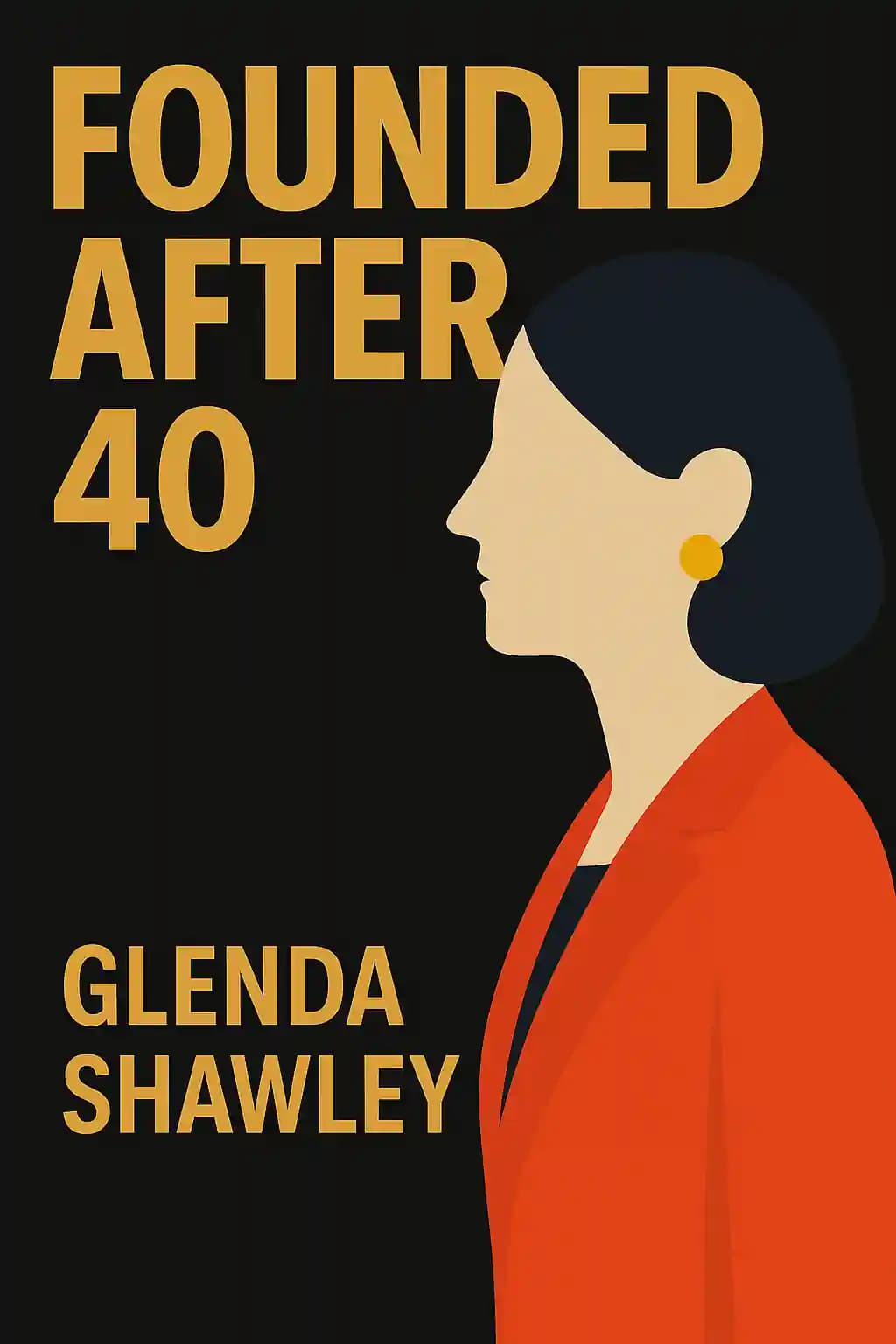
"Founded After 40" demolishes the myth that entrepreneurship belongs to the young. Glenda Shawley's practical guide - ranked among "Best 57 Start-Ups Books" - has become the secret weapon for later-life entrepreneurs who've discovered that experience might be their greatest competitive advantage.

Temas principais em Experience, Inc.
- midlife entrepreneurship
- purpose-driven business
- business model selection
- second act careers
- strategic exit planning
Citações de Experience, Inc.
Success isn't just about money-it's about money and meaning.
Finding a business based on something you love makes the hard work feel more like fun.
Avoid competing solely on price-it's a race to oblivion.
Know your product better than anyone.
Personagens de Experience, Inc.
- Glenda ShawleyAuthor and expert on midlife entrepreneurship
- Cathie O'DeaTravel Counsellors franchisee with 30 years exp
- Gilles PelencAthena franchisee who achieved early profitability
- Jill BennettFormer civil servant and Arbonne business owner
- Giles ButtonNetwork marketer and former traditional business owner
Baixar resumo de Experience, Inc.
Obtenha o resumo de Experience, Inc. como PDF ou EPUB gratuito. Imprima ou leia offline a qualquer momento.
Perguntas Frequentes Sobre Este Livro
Founded After Forty is a practical guide for midlife entrepreneurs, offering a step-by-step roadmap to launch a business after age 40. It covers discovering your "why," navigating legal and financial basics, building a brand, and creating marketing strategies. The book includes real-life examples from small business owners and a downloadable workbook to help readers develop a tailored business plan.
This book is ideal for individuals over 40 seeking to start a business while balancing family, careers, or financial constraints. It’s especially valuable for first-time entrepreneurs, career changers, or those transitioning from freelancing to structured business ownership. Glenda Shawley’s advice caters to diverse industries, from solopreneurs to small teams.
Yes, for its actionable frameworks like vision-setting exercises, profit-mapping tools, and customer journey templates. While some critics note it could delve deeper into mindset resilience, the book’s strength lies in its hands-on approach, supplemented by a workbook and real-world case studies.
Key concepts include:
- Clarifying your "why" to align business goals with personal values.
- Legal and financial foundations, such as entity structuring and break-even analysis.
- Customer-centric branding, emphasizing niche targeting and route-to-market strategies.
- Post-launch sustainability through time management and adaptive planning.
The book provides strategies for prioritizing tasks, delegating effectively, and avoiding burnout. Shawley emphasizes "time audits" to identify high-impact activities and shares techniques from business owners who balanced startups with caregiving or full-time jobs.
The downloadable workbook transforms the book’s exercises into a customizable business plan. It includes templates for financial projections, marketing calendars, and recruitment checklists. Users praise its structured yet flexible format for turning ideas into actionable steps.
Yes, it features anecdotes from over 20 small business owners across industries like retail, consulting, and creative services. These examples highlight common pitfalls (e.g., underpricing services) and solutions (e.g., iterative market testing).
Shawley normalizes setbacks as part of the entrepreneurial journey, offering frameworks for pivoting and risk mitigation. Case studies illustrate recovery strategies, such as rebranding after a failed launch or renegotiating supplier contracts.
Some readers feel the book underemphasizes the psychological challenges of entrepreneurship, such as managing self-doubt or building resilience. A minority of reviewers note that certain sections (e.g., digital marketing) could be more detailed.
Unlike generic guides, Shawley’s book specifically addresses midlife entrepreneurs’ unique hurdles, such as leveraging existing networks and pivoting careers. It’s more hands-on than theoretical works like The Lean Startup but less technical than industry-specific manuals.
Yes, the principles adapt to freelancing, side hustles, and social enterprises. Shawley discusses hybrid models, such as combining consultancy with digital products, and offers tools for scalability in niche markets.
With rising trends in career reinvention and remote entrepreneurship post-pandemic, the book’s focus on flexible business structures and digital-first marketing remains timely. Updated editions could address AI tools, but core strategies stay applicable.