Capítulo 1
The Tale of Cunning and Survival: A Fox's Journey
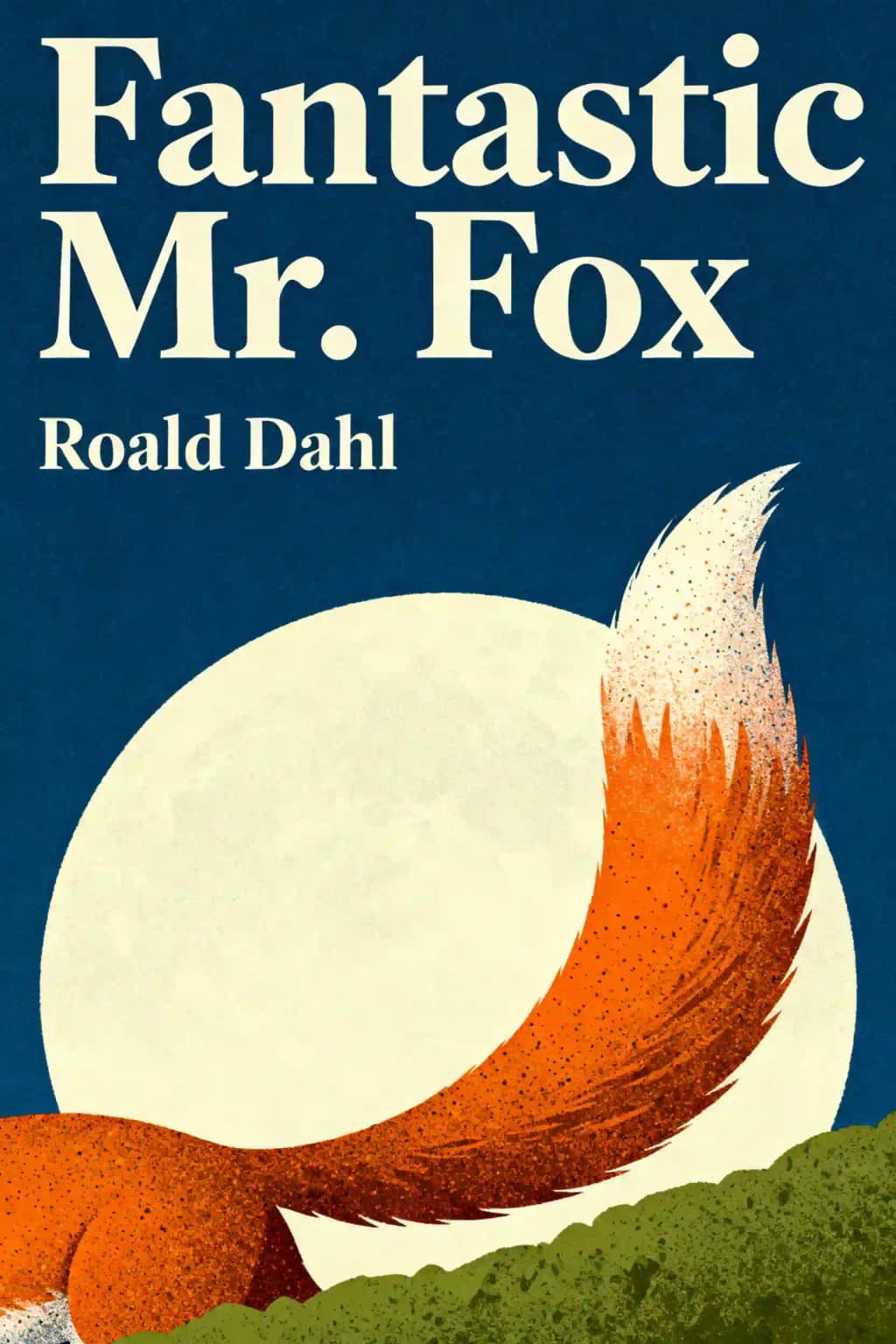
Roald Dahl's masterpiece about a clever fox outsmarting three mean-spirited farmers has captivated readers since its publication in 1970. The book has sold over 13 million copies worldwide and was adapted into a critically acclaimed stop-motion film by Wes Anderson in 2009. George Clooney, who voiced Mr. Fox in the film, has often cited it as one of his favorite childhood books. Beyond entertainment, the story has been praised for teaching children about resourcefulness, family loyalty, and standing up to bullies. In classrooms across the globe, it serves as an introduction to Dahl's unique storytelling style that blends humor with darker themes. What makes this particular fox so fantastic? And what can his battle against three determined farmers teach us about resilience in the face of overwhelming odds?
Capítulo 2
The Villainous Trio: Boggis, Bunce, and Bean
In the valley below a great hill stand three farms, owned by three of the nastiest men you could ever imagine. Boggis, an enormously fat chicken farmer, devours three boiled chickens with dumplings every single day. Bunce, a pot-bellied dwarf of a man, has a peculiar appetite for disgusting goose-liver paste stuffed into doughnuts. Bean, the cleverest of the trio, is pencil-thin and subsists almost entirely on strong apple cider.
These three farmers couldn't look more different from one another-one fat, one short, one lean-but they share a common trait: they're all thoroughly mean-spirited. So notorious is their reputation that local children have even composed a rhyme about them: "Boggis and Bunce and Bean, One fat, one short, one lean. These horrible crooks, So different in looks, Were nonetheless equally mean."
Their farms are prosperous, their storehouses overflowing with food, yet their hearts remain cold and greedy. Each guards his bounty with fierce determination, particularly against one specific threat that has been plaguing them for years. Their hatred for this particular adversary has become an all-consuming obsession, one that will eventually drive them to extraordinary lengths of persistence and cruelty.
The farmers' personalities reflect a type of gluttony that goes beyond mere appetite-it's a selfishness that defines their entire existence. They hoard their wealth and food while begrudging even the smallest loss to others. In their world, success is measured not just by what you have but by preventing others from taking even the tiniest portion of it. This mindset sets the stage for the conflict that drives the entire story-a battle between abundance and need, between those who have everything and those who must be clever enough to survive.
Capítulo 3
Mr. Fox and His Family: A Portrait of Cunning
Atop the hill overlooking the three farms lives the Fox family in a comfortable hole beneath a magnificent tree. Mr. Fox is the epitome of vulpine cunning-handsome, with a spectacular bushy tail that he takes great pride in. Each evening, as darkness falls across the countryside, Mr. Fox embarks on his nightly excursions to "shop" at the farms below, bringing back provisions for his family.
Mrs. Fox, practical and devoted to her husband despite his dangerous profession, worries constantly about his safety. Their four Small Foxes look up to their father with admiration, seeing in him not a thief but a provider who uses his natural talents to care for his family. The Fox household operates on a delicate balance of risk and reward, with Mr. Fox's hunting expeditions providing their sustenance.
What makes Mr. Fox truly remarkable is his approach to these nightly raids. He's methodical, always approaching with the wind in his face so he can smell any lurking farmers. His keen senses and quick thinking have kept him safe through countless dangerous missions. He understands the farmers' habits and routines intimately, knowing exactly when and where to strike for maximum gain and minimum risk.
"I can smell those goons from a mile away," Mr. Fox often boasts to his concerned wife, displaying the confidence that comes from years of successful heists. This isn't mere bravado-his survival and his family's wellbeing depend on his exceptional abilities. Yet beneath this confidence lies a deeper truth about Mr. Fox: his raids aren't merely about survival but contain an element of thrill-seeking. He enjoys outsmarting the farmers almost as much as he enjoys the food he brings home.
This combination of necessity and sport creates a complex character who isn't simply a hero or villain but something more nuanced-a wild animal using his natural gifts to survive in a world where others would deny him even the smallest morsel from their abundant stores.
Capítulo 4
The First Strike: Losing More Than a Tail
The turning point comes on what seems like an ordinary evening when Mr. Fox prepares for another raid, this time targeting Bunce's farm for some plump ducks. Despite Mrs. Fox's unusually strong premonition of danger, Mr. Fox dismisses her concerns with his characteristic confidence. "My dear, I've been stealing birds from Bunce's farm for years. I'm too clever for those fools!"
But on this night, something is different. The farmers have finally had enough of Mr. Fox's thievery and have devised a plan. Bean, the cleverest of the three, has positioned them carefully upwind of the fox hole, nullifying Mr. Fox's greatest advantage-his keen sense of smell. As Mr. Fox pokes his handsome head out of his hole, he senses the danger a split second before the farmers open fire with their shotguns.
That split second saves his life but costs him his beautiful tail. The farmers' bullets tear through his most prized possession, leaving him with nothing but a painful stump. This loss is more than physical-it strikes at the very heart of Mr. Fox's identity and pride. His magnificent brush was not merely decorative but a symbol of his cunning and success as a fox.
Back in the safety of his burrow, as Mrs. Fox tends to his wound, we see a rare moment of vulnerability from the usually confident Mr. Fox. "It will never grow back," he laments, facing the reality that some losses are permanent. This moment humanizes him, showing that beneath his bravado lies real pain and fear.
The farmers, meanwhile, have tasted blood and want more. Rather than being satisfied with claiming Mr. Fox's tail as a trophy, they become even more determined to capture him completely. Bean proposes a new strategy: "We'll dig him out!" The shooting was just the opening salvo in what will become an increasingly desperate battle of wits and wills.
Capítulo 5
The Siege Begins: Desperation Underground
The sound of shovels scraping above sends terror through the Fox family. Dirt and stones begin falling from the ceiling of their home as the farmers dig with maniacal determination. Mrs. Fox clutches her children close, fearing for their lives as their sanctuary becomes increasingly unstable. "They'll kill us all," she whispers, the usual safety of their home transformed into a death trap.
Just as a shovel breaks through their ceiling, Mr. Fox has a moment of brilliant clarity that will define the rest of their struggle. "Foxes can dig faster than men!" he exclaims, rallying his terrified family. This realization transforms their mindset from helpless victims to active survivors. Rather than waiting to be captured, they begin digging downward frantically, creating a deep tunnel away from the farmers' shovels.
This moment reveals something crucial about survival-sometimes the only way out is to go deeper into the challenge rather than trying to escape it entirely. The Fox family's desperate digging becomes a metaphor for how we might respond to seemingly insurmountable problems: by using our natural talents and refusing to surrender.
The physical toll is immense. Their paws bleed, their muscles ache, and hunger begins to gnaw at their bellies. Yet they continue digging, driven by the primal need to survive. Mr. Fox leads by example, working tirelessly despite his injury, showing his family that even in the darkest moments, action is preferable to despair.
Above ground, the farmers' obsession grows to match the foxes' desperation. By morning, they've created an enormous crater but still haven't reached their quarry. Exhausted and frustrated, they begin to turn on each other, with Boggis and Bunce blaming Bean for the failed strategy. Bean, unwashed and partially deaf from wax buildup, remains undeterred, declaring they'll catch Mr. Fox and hang him "dead as a dumpling" over his front porch.
Capítulo 6
Mechanical Monsters: The Race Against Time
When human strength proves insufficient, the farmers turn to technology, bringing in enormous black caterpillar tractors with mechanical shovels and pneumatic drills. These monstrous machines transform the peaceful hillside into an apocalyptic landscape, their diesel engines roaring like prehistoric beasts. The mechanical shovels tear into the earth with deafening noise, toppling ancient oaks and beeches that have stood for centuries, sending rocks and debris flying in all directions. Birds flee in terror, and small animals scatter as their habitat is systematically destroyed. The natural world is literally being torn apart in the farmers' single-minded pursuit of revenge, the air thick with dust and the acrid smell of exhaust fumes.
Below ground, the Fox family huddles in their rapidly shrinking sanctuary. They discover their tunnel shortening as daylight appears at the entrance, accompanied by the thunderous rumbling of machinery above. "Dig for your lives!" Mr. Fox shouts, his voice barely audible above the mechanical cacophony. A desperate race begins between man's machines and animal instinct - their paws bloodied from the frantic digging, their fur caked with dirt, yet driven by the primal urge to survive. The contrast couldn't be starker: massive diesel-powered equipment versus the raw determination of a family fighting for their lives in the darkness below.
This uneven battle continues relentlessly throughout the day, punctuated by the grinding of gears and the crash of falling earth. By lunchtime, the farmers have transformed the entire hill into a massive crater resembling a war zone, but still, they refuse to stop for food or rest. Their obsession has transcended rational behavior, becoming a kind of collective madness that draws crowds from surrounding villages to witness their extraordinary efforts. Children stand wide-eyed at the destruction, while their parents shake their heads in disbelief. The onlookers jeer at the obsessed farmers, seeing the absurdity in their extreme measures against one fox family.
"They must be mad," the villagers whisper among themselves, passing judgment on the farmers' deteriorating mental state. They recognize what the farmers cannot - that their vendetta has become completely disproportionate to the original offense of a few stolen chickens and cider. The farmers have invested thousands of pounds in equipment and fuel, far more than they ever lost to Mr. Fox's raids, yet they cannot see the irony of their actions. Their determination has morphed into a destructive force that threatens to consume them.
By five o'clock, the hole is so enormous that it becomes a macabre tourist attraction, drawing even more onlookers from neighboring counties. The crater now resembles an open-pit mine, with makeshift paths worn into its sides by curious spectators. The farmers have created destruction far exceeding anything Mr. Fox could have done to their farms - entire ecosystems disrupted, groundwater patterns altered, and the landscape permanently scarred. Yet they remain blind to this reality, focused only on capturing their enemy at any cost, their faces masks of grim determination as the sun begins to set on their day of destruction.
Capítulo 7
The Waiting Game: Hunger as a Weapon
At six in the evening, the exhausted farmers finally stop their tractors. Bean's face has turned purple with rage as they approach the fox's hole at the bottom of the enormous crater. Though tired and hungry themselves, they swear a solemn oath not to return to their farms until they've caught the fox. "We'll starve him out," Bean declares, shifting their strategy from active pursuit to a war of attrition.
The farmers set up camp around Mr. Fox's hole, sending for tents, sleeping bags, and their customary suppers-Boggis with his three boiled chickens, Bunce with six doughnuts filled with goose-liver paste, and Bean with two gallons of cider. They eat ostentatiously near the fox hole, deliberately taunting their hidden adversaries with the smells of food.
Inside the tunnel, the hungry fox children beg to snatch the food, but Mrs. Fox warns them it's a trap. The farmers are using one of the most primal needs-hunger-as a weapon, believing that eventually, starvation will force the foxes to emerge. To ensure their plan's success, Bean orders their combined 108 farm workers to form a tight armed ring around the hill, making escape seemingly impossible.
After three days without food or water, the foxes are starving. The children whimper with hunger, and even Mrs. Fox grows weak. Yet Mr. Fox can still "smell Bean a mile away," his senses remaining sharp despite his physical deterioration. This detail reveals something important about Mr. Fox's character-his core abilities remain intact even when his body is failing him.
The waiting game becomes psychological warfare. The farmers believe time is on their side, that nature will eventually force the foxes to surrender. What they don't account for is that desperation often breeds innovation, and that Mr. Fox's greatest asset-his cunning-remains undiminished by hunger.
Capítulo 8
A Plan Takes Shape: Turning the Tables
On the third day of their underground imprisonment, with his family slowly starving around him, Mr. Fox sits quietly with his eyes closed, deep in thought. The situation seems hopeless-they're too weak to run, too hungry to think clearly, and completely surrounded by armed men. Yet in this moment of extreme adversity, Mr. Fox's creative intelligence begins to work in a different direction.
When he finally stirs, there's a spark of excitement in his eyes that hasn't been there for days. "I've got a bit of an idea," he says cautiously, not wanting to raise false hopes. His initial enthusiasm quickly gives way to doubt as he realizes his plan would require more digging when they're all too weak from hunger. It's a poignant moment that shows even the cleverest among us can falter when faced with seemingly insurmountable obstacles.
But it's here that the story takes another turn, as the Small Foxes eagerly insist they can help. "We're not too weak, Father! We can dig!" Their youthful determination and courage give Mr. Fox renewed strength. Though Mrs. Fox is too weak to join them, Mr. Fox and his four children prepare to dig again, this time with a specific purpose in mind.
"We're going to dig in a very special direction," Mr. Fox explains mysteriously, refusing to reveal their destination even to his own children. This moment highlights an important aspect of leadership-sometimes hope itself must be carefully managed. By keeping his full plan secret, Mr. Fox prevents disappointment if it should fail while maintaining the motivating power of curiosity and purpose.
The family digs sideways and downward, following Mr. Fox's precise directions. After what seems an eternity of effort, they begin sloping upward until they hit wooden planks. When Mr. Fox peeks through the floorboards, he discovers they have reached Boggis's Chicken House Number One-exactly where he had aimed! This reveals that Mr. Fox had a mental map of the entire area, including the underground distance to each farm. What appeared to be a random escape attempt was actually a calculated heist.
Capítulo 9
The Underground Revolution: A Community Forms
What begins as a survival strategy for one family soon transforms into something much larger. As the foxes dig their new tunnel, they're suddenly interrupted by Badger, who has been digging in circles for days. Through him, we learn that chaos reigns above ground, with armed men everywhere and half the wood destroyed. All the burrowing animals-Badger, Mole, Rabbit, Weasel and their families-are trapped underground and starving.
When Badger blames Mr. Fox for their predicament, Fox accepts responsibility with grace and immediately offers a solution: "I invite you to share our feast." This moment reveals Mr. Fox's true character-he may be a thief by necessity, but he's also generous and community-minded. Rather than hoarding the food for his own family, he instantly extends his circle of concern to include all the affected animals.
Mr. Fox's plan expands accordingly. He sends Badger's son to spread the good news while Badger himself stays to help with the digging of new tunnels. Their next destination is Bunce's Mighty Storehouse, a paradise of food with thousands of plump ducks and geese stacked on shelves and hundreds of smoked hams and bacon sides hanging from the rafters.
As they carefully select provisions-four ducks, three geese, and several hams-the smallest fox thoughtfully suggests taking carrots for the Rabbits. This small detail shows how the community is forming, with each animal's needs being considered. They load everything onto pushcarts and send two of the Small Foxes back to Mrs. Fox with instructions to prepare for all their guests.
The final raid takes them to Bean's underground cellar, where they discover hundreds of jars of homemade cider. This expedition introduces a new character-Rat-who claims the cellar as his private territory. Unlike the other animals, Rat is selfish and territorial, refusing to share what he considers his exclusive domain. This contrast highlights the difference between Mr. Fox's communal approach and the every-animal-for-himself mentality that Rat embodies.
Capítulo 10
A Feast of Friendship: The Ultimate Victory
The story culminates in an extraordinary scene of community and celebration. After escaping Bean's cellar with jars of cider, Mr. Fox, Badger, and the Smallest Fox return home to find an astonishing transformation has taken place. A large dining room has been hollowed out of the earth where twenty-nine animals-including all the Fox, Badger, Mole, Rabbit, and Weasel families-are gathered around a huge table laden with the bounty from their raids.
This feast represents more than just physical nourishment after days of starvation. It's a symbol of community resilience, of how shared adversity can create bonds stronger than any individual struggle. As everyone hugs and celebrates, the atmosphere is electric with joy and relief.
Badger proposes a toast to Mr. Fox for saving their lives, and Mrs. Fox shyly declares her husband "a fantastic fox." This moment of recognition is powerful-not because Mr. Fox seeks praise, but because it acknowledges how individual talents can serve the greater good of a community. His cunning, once used merely for his family's survival, has become the salvation of an entire woodland society.
Mr. Fox himself redirects the credit with characteristic humor, thanking "Messrs Boggis, Bunce and Bean" for the meal. This ironic toast highlights how the farmers' obsessive pursuit has backfired completely. Not only have they failed to catch Mr. Fox, but their abundant stores are now feeding the very community they sought to destroy.
The most significant moment comes when Mr. Fox proposes they all stay underground forever, creating a little village with separate houses for each family. "I will go shopping for you all every day," he promises. "And you will never again be hungry or afraid!" This vision of an underground utopia, where he'll continue to "shop" at the farms and they'll all "eat like kings," is met with tremendous cheering.
This ending transforms what began as a desperate escape into a permanent alternative society. Rather than merely surviving the farmers' assault, the animals have created something new and potentially better-a community based on sharing resources and using each member's unique abilities for the common good.
Capítulo 11
The Last Laugh: A Tale of Persistence
As the animals feast and plan their new underground village, the story shifts one final time to the surface world. Outside the fox's original hole, Boggis, Bunce, and Bean sit miserably in the rain beside their tents, guns on laps, water trickling down their necks and into their shoes. They reassure each other that the "famished" fox can't stay underground much longer and must make a dash for it soon.
"He'll be coming out any minute," Bean insists, completely unaware that Mr. Fox is not only well-fed but has permanently relocated his operations. The farmers remain there, waiting for a fox who will never emerge-and as the narrator wryly concludes, "so far as I know, they are still waiting."
This final image perfectly captures the story's message about obsession and perspective. The farmers' single-minded focus on revenge has blinded them to reality. They've abandoned their farms, neglected their businesses, and sacrificed their comfort-all to catch one fox who has long since moved beyond their reach. Their persistence, once a virtue, has become a prison of their own making.
Meanwhile, beneath their feet, a vibrant community thrives, feasting on the very provisions the farmers sought to protect. The animals have turned adversity into opportunity, creating a new way of life that's arguably better than their previous existence. Mr. Fox has not only survived losing his tail-he's gained a community and purpose larger than himself.
The story leaves us with a powerful reflection on adaptation versus rigidity. The farmers, despite all their resources and power, remain stuck in their original plan, unable to imagine alternative possibilities. Mr. Fox, despite his initial losses, reimagines his entire world and creates something new from disaster. In the end, it's not physical strength or resources that determine success, but the ability to adapt, to think creatively, and to transform challenges into opportunities.