Capítulo 1
Breaking the Chains of Self-Deception
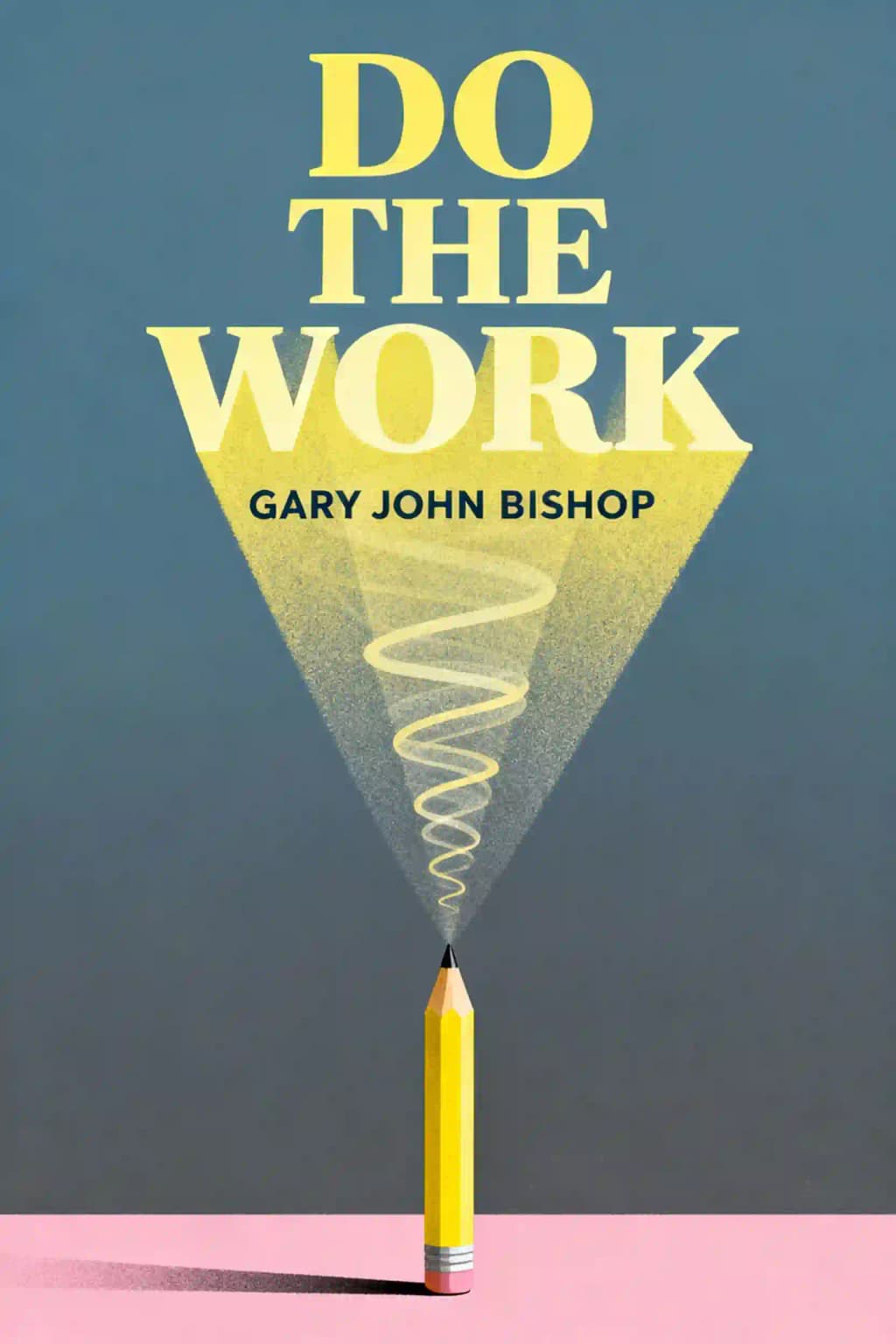
Have you ever wondered why, despite countless self-help books, motivational speeches, and genuine intentions to change, you find yourself stuck in the same patterns? Gary John Bishop's "Do the Work" isn't your typical feel-good self-improvement manual-it's a sledgehammer to the comfortable lies we tell ourselves. Since its release, this no-nonsense guide has become a staple for celebrities like Dwayne "The Rock" Johnson, who credits Bishop's approach with helping him overcome mental barriers during his most challenging career transitions. The book has sold over a million copies worldwide, with readers praising its refreshingly direct approach to personal transformation. Unlike most workbooks that gather dust after the initial enthusiasm wanes, Bishop's approach demands immediate action and brutal honesty. His Scottish straight-talk has resonated across cultures, making "Do the Work" a global phenomenon for those tired of the sugar-coated self-help industry and ready to confront what's really holding them back.
Capítulo 2
The Courage to Face Your Own Bullshit
Most self-help resources follow a predictable pattern: read, feel temporarily inspired, then return to your regular life unchanged. Bishop shatters this cycle by creating a workbook that functions as a pathway into your own mystery. Building on his previous work "Unfu*k Yourself," he presents targeted questions designed to expose what's actually holding you back-not what you think is the problem, but what's really at the core of your struggles. These questions range from seemingly simple ones like "What do you actually want?" to more challenging inquiries such as "What are you pretending not to know about yourself?"
This isn't about planning, inspiration, or complex strategies with catchy acronyms. It's about answering difficult questions with complete honesty to uncover what you've been suppressing. One-word responses won't suffice here. The process demands your full attention and commitment to simplify your life and unleash your potential. Bishop emphasizes that true transformation requires sustained effort and uncomfortable self-examination, not quick fixes or temporary motivation boosts.
Bishop structures his approach around three fundamental areas where most people struggle: SELF (how you tolerate things about yourself, including destructive habits and limiting beliefs), PEOPLE (how you mindlessly navigate relationships, often repeating patterns that no longer serve you), and PURPOSE (how you avoid determining what your life is truly about, instead drifting through pre-set expectations). Despite our individual differences, these universal struggles connect us through our shared humanity. Each area includes specific exercises and reflection points designed to break through long-held patterns of avoidance and self-deception.
The foundation of this work requires two essential ingredients: radical honesty and keeping promises. Most of us believe we're honest with ourselves, but Bishop challenges you to consider that you're actually a liar-to yourself. You say you're fine when you're not. You claim you can't when you can. You promise you will when you won't. You've become enslaved by your feelings and excuses, believing your own fabrications. He provides concrete examples of daily self-deception, from the small ("I'll start my diet tomorrow") to the significant ("I'm staying in this relationship because I love them" when fear is the real motivator).
Even more damaging is our relationship with promises. After a lifetime of breaking, changing, and abandoning commitments, even we know our promises are just well-intentioned statements that might happen depending on countless factors. Many avoid making promises altogether to leave an escape route. Bishop takes a radically different approach - he makes bold promises beyond what seems possible, then transforms his life to keep them. For instance, he shares how he promised to become debt-free within a year despite seemingly insurmountable odds, and restructured his entire life to make it happen. It's uncomfortable and uncertain, but ultimately fulfilling and empowering.
Your personal power directly correlates to keeping your word. Every significant failure in your life stems from a broken promise-to yourself or others. Transform how you relate to promises, and your life will soar. Hide from them, and nothing changes. Bishop provides a framework for rebuilding trust with yourself through small, consecutive promises that gradually expand your capacity for commitment and personal integrity.
Capítulo 3
The Self We Refuse to See
We all harbor aspects of ourselves we can't seem to overcome-perceived weaknesses, faults, and character flaws that feel deeply ingrained in our identity. These dark spots dominate our lives as we meticulously construct our existence around them to avoid discomfort and confrontation. Whether it's lack of confidence making us avoid phone calls and important conversations, being too accommodating and getting repeatedly exploited in professional relationships, feeling intellectually inferior and avoiding career advancement opportunities, or fearing rejection in relationships-these issues control our lives in profound and far-reaching ways we don't fully recognize or acknowledge.
We hide behind an elaborate network of excuses and justifications, tolerating our procrastination, uncontrolled anger, or debilitating anxiety instead of taking meaningful steps toward change. These issues become like tentacles of an octopus reaching throughout every aspect of our lives - affecting our careers, relationships, health, and personal growth - yet we fail to see they all stem from the same source: our reluctance to confront our self-imposed limitations. The solution isn't self-hatred or harsh criticism but stopping the cycle of tolerance and starting to do what needs to be done, however uncomfortable it might be.
Consider the subtle yet powerful ways you might describe yourself: "I'm just not a morning person," "I've always been terrible with money," "I'm too sensitive for leadership roles," or "I don't have what it takes to start my own business." These statements aren't mere casual observations-they're prison cells you've carefully constructed over years of self-limiting beliefs. Every time you say "I am" followed by a limitation, you're reinforcing the walls of your confinement and making your perceived weaknesses more permanent.
Bishop guides readers through a transformative process of confronting these self-perceptions by creating two revealing lists: ways you feel you're "too much" (too emotional, too demanding, too careful) and ways you feel you're "not enough" (not smart enough, not disciplined enough, not worthy enough). After completing these comprehensive lists, you're led to examine their emotional and physical impact-whether that manifests as chronic depression, emotional numbness, unexplained anger, persistent anxiety, or physical symptoms. This represents the invisible but very real burden you carry daily, the weight constantly affecting your joy, vitality, and potential.
The real breakthrough comes when you recognize how you've been actively tolerating these negative self-perceptions and avoiding responsibility for your own experience. Instead of crafting elaborate explanations for why you're stuck, you're prompted to take immediate action-to "do" happy or confident rather than endlessly trying to "become" it through internal processing alone.
Think about it practically: How would a confident person handle the difficult conversation you're avoiding? What would a disciplined person do right now about that important project? Rather than waiting to feel different, you can choose to act differently in this very moment. This isn't simply fake-it-till-you-make-it; it's recognizing that actions precede feelings, not the other way around, and that behavioral change often leads to emotional transformation.
The exercise culminates in selecting one crucial area to transform-identifying specifically how victory in this area would change your daily life, what new actions you could take immediately, and how you might predictably sabotage yourself based on past patterns. Finally, you make a specific promise with clear terms and accountability measures-a personal contract to interrupt old patterns and create meaningful change. This contract includes concrete deadlines, specific behavioral changes, and regular check-ins with an accountability partner to ensure sustained progress.
Capítulo 4
The Relationship Mirrors We Can't Escape
Life inevitably requires us to sometimes do things we don't want with people we don't like. We all have at least one dysfunctional relationship, whether with family members, romantic partners, colleagues, or neighbors. These relationships may be actively hostile, emotionally draining, or simply dead and meaningless.
Why do we struggle so much with relationships? Bishop reveals that our adult relationship patterns are modeled after our childhood connections. The relationships we formed as children with parents, siblings, and teachers created templates that we unconsciously apply to our adult interactions. Our emotional reactions in current relationships often mirror those from childhood, explaining why we struggle with mature connections.
Think about it-when your partner criticizes you, do you respond as an adult or revert to how you felt when criticized as a child? When conflict arises at work, are you engaging professionally or replaying dynamics from your family dinner table? We were never taught how to have healthy adult relationships, making it clear why so many of our connections are dysfunctional.
The path to healthier relationships begins with acceptance-a self-generated grace that allows others to simply be themselves. When we struggle in relationships, it's often because we refuse to accept certain traits in others. Bishop shares his personal journey of resentment toward his mother, which he eventually overcame by recognizing her fundamental gift-giving him life. Through a poignant moment watching his son play soccer, he experienced profound gratitude and acceptance.
What if you could look at the difficult people in your life and see them as they truly are-not as you wish they were? What if you could accept their limitations, quirks, and even their harmful behaviors without letting those define your response to them? This doesn't mean approving of bad behavior; it means seeing the whole person beyond the behavior.
Forgiveness follows acceptance and directly correlates to our peace of mind-whatever we refuse to forgive lives on inside us, gnawing at our joy. Bishop dismisses the notion that we "can't forgive," stating we've simply been unwilling to forgive. He clarifies that forgiveness isn't about letting people off the hook or feeling superior; rather, it's about seeing someone's humanity beyond their actions.
Importantly, forgiveness doesn't mean opening the door to the same harmful behaviors-you can forgive while still maintaining boundaries. It's about your liberation, not theirs.
Capítulo 5
Courage to Transform Connection
Making real change in relationships requires personal transformation, which demands extraordinary courage and consistent effort. You must "show up" in new ways-perhaps being kinder, more assertive, or more compassionate-despite how others automatically see you. This transformation isn't just about changing behaviors; it's about fundamentally shifting your presence and energy in relationships. When reinventing yourself, you'll need to help others adjust to your new vision, forgiving them when they resist change and maintaining patience during the adjustment period.
Consider a relationship where you've always been the peacemaker who avoids conflict. When you suddenly start expressing your needs and setting boundaries, others will likely react with confusion or resistance. Their mental image of you doesn't include this behavior. Perhaps you start saying "no" to excessive demands at work, or you begin addressing long-standing issues with family members. Your courage lies in maintaining your new approach despite their discomfort, potential pushback, or attempts to pull you back into old patterns.
For truly broken relationships, Bishop advises ending them rather than doubling down on misery. This might mean stepping away from toxic friendships or setting firm boundaries with consistently negative colleagues. With family relationships, he suggests finding workable solutions without cutting ties, advocating for being "the lone voice for what's possible" rather than joining in discord. This might involve creating new traditions, establishing different ways of communicating, or finding alternative ways to maintain connections while protecting your well-being.
Imagine being at a family gathering where the usual patterns of criticism and judgment emerge. Instead of participating or withdrawing, what if you introduced a completely different energy? What if you responded to criticism with genuine curiosity or met judgment with compassion? For example, when Aunt Sarah criticizes your career choices, instead of defending yourself or retreating, you might ask, "What makes you concerned about this?" This isn't about changing others-it's about refusing to play your assigned role in the dysfunctional dance and creating new possibilities for interaction.
Above all, Bishop encourages authenticity, realness, and kindness, noting that fixing relationships often requires changing your typical ways of interacting. To truly transform relationships, you must make a concrete promise about how you'll show up differently. This means identifying specific actions demonstrating your acceptance and forgiveness of others, such as practicing active listening, expressing gratitude regularly, or acknowledging others' perspectives before sharing your own. It involves taking ownership of your reactions, perhaps by pausing before responding in heated moments or using "I" statements instead of accusations. Most importantly, it requires committing to specific behaviors when tempted to revert to default patterns, like taking a timeout when triggered or choosing curiosity over judgment.
The underlying message is clear: only you can make a relationship go the way you want it to, which requires dampening your ego and taking responsibility for change. This might mean being the first to apologize, the first to show vulnerability, or the first to extend understanding, even when you feel justified in your position. Success in relationship transformation comes from consistent, intentional action aligned with your values, regardless of immediate results or others' responses.
Capítulo 6
Purpose: The Great Misunderstanding
Bishop launches a passionate critique of the modern "purpose industry," calling out the commercialized, external search for purpose as misleading snake oil. He challenges the notion that purpose is something to be found externally-like a mystical object in some far-flung location-rather than created internally.
With biting sarcasm, he mocks the Instagram-perfect portrayal of purpose-filled lives and questions why we believe our purpose must be radically different from our current circumstances. Instead, he reframes purpose as "living on purpose"-bringing intentionality to the life you already have rather than chasing an idealized existence.
Think about it: How many people have quit perfectly good jobs to "find their purpose," only to end up confused, broke, and no closer to fulfillment? How many have abandoned relationships or moved across the country chasing some elusive sense of meaning?
Purpose isn't something to find but a way to live-with intentionality rather than on autopilot. Bishop illustrates this through his wife's approach to parenting: despite the endless shuttle of activities and responsibilities that could grind anyone down, she maintained clarity by labeling each calendar entry with her higher purpose: "CREATING A MAN." This simple but profound reframing transformed mundane tasks into meaningful contributions toward her deeper intention.
What if the job you currently have, the relationship you're in, or the community you live in isn't the problem? What if the issue is how you're showing up in these contexts? Purpose comes from bringing conscious intent to everyday life, turning off autopilot, and taking a stand for what matters to you personally.
Bishop shares his own purpose: "to make a difference for people" in everything he does, from grocery shopping to writing books. This self-generated purpose provides direction and meaning. He challenges readers to identify a purpose for a specific life area, consider how it would transform their actions, imagine its impact on other areas, and recognize the personal growth it could foster.
When you create a purpose larger than your everyday concerns, it calls you to be more-bolder, more influential, more loving. Purpose elevates your participation in life, compelling you to stretch beyond basic concerns. As George Bernard Shaw said, there is joy in being used for a "mighty purpose" rather than being a "feverish, selfish little clod" of complaints.
Your purpose is your own invention-a challenge you present yourself with that requires constant self-reminder and accountability. No one else will save, inspire, or hold you accountable for it. Creating and maintaining your purpose is entirely your responsibility.
Capítulo 7
Seven Transformative Assignments
Bishop provides seven life-changing assignments that correspond to chapters in his previous book "Unfu*k Yourself." Each assignment includes an assertion to embrace, specific instructions for implementation, and space for personal reflection.
The first assignment, "I AM WILLING," challenges you to dedicate an entire day to either bringing willingness where there has been none or taking a stand against what you're no longer willing to tolerate. Handle every aspect of your life-relationships, health, finances, career-from this standpoint of willingness.
Imagine approaching your most dreaded task with complete willingness. Perhaps it's having that difficult conversation you've been avoiding, tackling the financial paperwork you've ignored, or finally committing to a health regimen. How would your experience change if you dropped all resistance and simply said, "I am willing to do this"?
The second assignment, "I AM WIRED TO WIN," asks you to examine an area where you feel you've been losing and uncover what you've actually been "winning." What point gets proven by having your life remain in its current state? Who do you blame? What do you avoid? Once you recognize your unconscious winning patterns, you can redirect this hard-wired tendency toward something more constructive.
Consider someone who consistently finds themselves in financial trouble despite knowing better. What are they "winning" by remaining broke? Perhaps they're winning at proving they're a victim of circumstances, winning at avoiding adult responsibility, or winning at justifying why they can't pursue their dreams.
The third assignment, "I GOT THIS," challenges you to tackle something you've been actively avoiding-whether it's past taxes, old credit card charges, cleaning a closet, or organizing emails. Take immediate action without hesitation as a demonstration to yourself of how powerfully you can deal with life's challenges.
The fourth assignment, "I EMBRACE THE UNCERTAINTY," focuses on reviving a long-buried dream or passion. Name that dream, develop a strategy to make it reality, and step into the unknown without hesitation. No one can save you but yourself, and you must either pursue your dream or accept that you won't.
What would you attempt if you weren't afraid of uncertainty? What dream have you kept on life support-neither fully pursuing it nor letting it go? This assignment asks you to make a decision and take concrete action, regardless of the outcome.
The fifth assignment, "I AM NOT MY THOUGHTS; I AM WHAT I DO," invites you to spend a day doing things you typically wouldn't do-eating at an unfamiliar restaurant, buying unusual clothes, saying things you'd normally withhold, reconnecting with old friends, or applying for a new job. Complete at least four tasks that break from normal patterns, stepping out of mental noise and into action.
The sixth assignment, "I AM RELENTLESS," asks you to identify areas of your life that have flatlined within your comfort zone. What would it look like to operate at a higher level and consistently push beyond comfort zones? Document these insights to create a vision of relentless personal growth.
The final assignment, "I EXPECT NOTHING AND ACCEPT EVERYTHING," is a week-long practice of setting twice-daily reminders of this assertion. When the reminder appears, approach whatever you're doing from this perspective. This highlights where you're not accepting reality or are hung up on expectations, emphasizing that acceptance of current circumstances is necessary for meaningful change.
Capítulo 8
The Ultimate Choice: Action or Excuses
In his powerful conclusion, Bishop delivers a direct challenge that cuts through all pretense: either continue indulging in self-defeating patterns until death or finally take complete responsibility for changing your life-there is no middle ground or comfortable compromise. He urges readers to fully own their current situation, no matter how painful or unfair it might seem, create their own pathway forward with deliberate intention, and take immediate action regardless of how overwhelming or complicated the journey appears.
Meaningful change, Bishop emphasizes, happens through consistent small actions performed daily, not through dramatic one-time gestures or emotional declarations. He dismantles common misconceptions about identity, asserting that we are not our thoughts, bodies, past experiences, or ingrained habits-we are simply "a space for life to happen" and "a miracle of being." This perspective liberates us from self-imposed limitations and opens up possibilities for transformation. His final instruction, while deceptively simple, carries profound implications: "Do the work."
This philosophy isn't about achieving perfection or experiencing overnight transformation. Instead, it focuses on developing the courage to face yourself honestly, even when confronting uncomfortable truths. It demands the willingness to make and keep promises to yourself with the same seriousness you would apply to promises made to others. Most importantly, it requires the persistence to show up differently each day, especially when facing resistance or discomfort. Bishop emphasizes that waiting for external salvation is futile - no one is coming to save you, fix your relationships, or bestow purpose upon your life. These elements are yours alone to create and nurture.
He poses several transformative questions: What if, starting today, you completely stopped explaining why you can't achieve your goals and instead invested that energy into figuring out how you can? What if you treated your promises to yourself as sacred contracts rather than casual suggestions that can be broken at the first sign of difficulty? What if you brought intentional purpose to even the most mundane aspects of your life, turning routine activities into opportunities for growth and mindfulness?
The path forward, Bishop insists, isn't about accumulating more information or waiting for the perfect moment - it's about taking consistent, deliberate action in the present moment. It's about doing the fundamental work that no one else can possibly do for you, no matter how much they might want to help. It's about transforming from a passive character trapped in someone else's story into the confident author of your own life narrative, writing each chapter through conscious choices and determined action.
The ultimate question Bishop leaves readers with isn't whether you possess the capability to change your life - that potential exists within everyone. The real question, the one that determines everything, is whether you will finally choose to exercise that capability and commit to the journey of transformation, regardless of the obstacles ahead.